
Main Courses
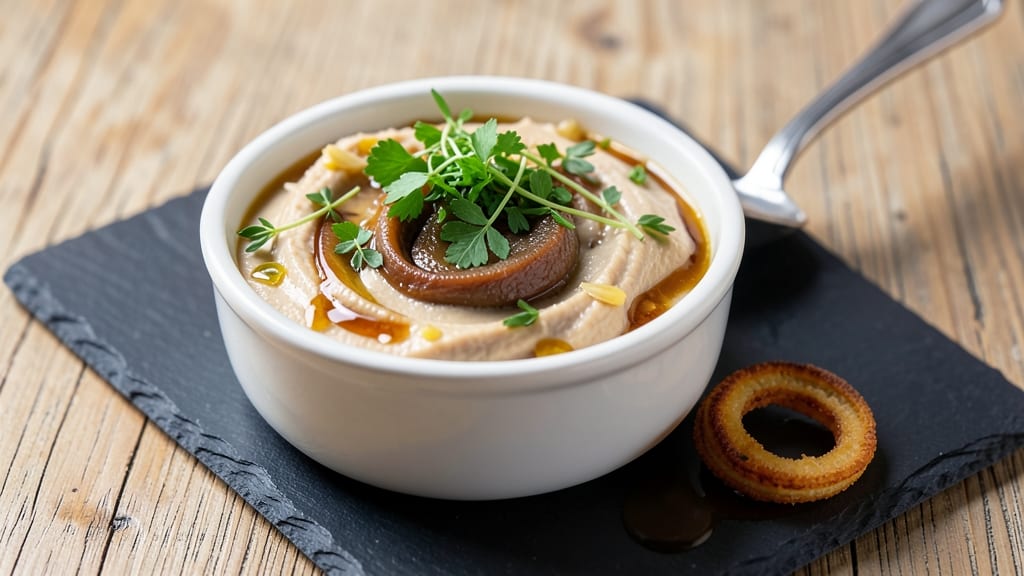
A basic chicken liver pâté recipe transforms humble ingredients into a luxurious spread that rivals gourmet shop versions. This dish is where umami meets elegance—rich, velvety, and packed with iron-rich nutrition. I developed it during a Charleston winter when I needed something hearty yet refined for a dinner party.
The secret lies in proper poaching and emulsification, which creates that signature silky texture without breaking a sweat.
What sets this recipe apart is its balance of simplicity and sophistication. You'll work with just six core ingredients—chicken livers, onions, garlic, butter, herbs, and a splash of cream—to create a spread that's restaurant-worthy.
The key technique is poaching the livers gently to maintain their tenderness, then blending them with aromatics until perfectly smooth. This method delivers restaurant-quality results in just 20 minutes of active time, with minimal cleanup.
The result is a pâté that's rich yet not overly heavy, with deep umami flavor from the livers and bright herbaceous notes from thyme and parsley. It's the kind of dish that elevates any gathering—spread on toasted baguette slices, dolloped onto crackers, or served as an appetizer with pickled vegetables.
The texture is velvety, the flavor complex, and the nutritional benefits impressive thanks to the liver's iron and vitamin content.
For those who prefer variations, you can enhance the pâté with a splash of white wine or a touch of Dijon mustard for added depth. Leftovers keep beautifully in the refrigerator for up to 5 days, making this an excellent make-ahead dish.
Let's create this luxurious spread together—it's simpler than you think.
Ingredients for basic chicken liver pate
Six core ingredients transform humble chicken livers into velvety pâté with restaurant-quality depth.
| Ingredient | Amount | Notes |
|---|---|---|
| Fresh Chicken Livers 🍗 | 1 lb | Trimmed of connective tissue |
| Yellow Onion 🧅 | 1 whole | Medium size, finely diced |
| Garlic Cloves 🧄 | 4 cloves | Peeled, minced for aromatics |
| Unsalted Butter 🧈 | ½ cup | European-style, cold for poaching |
| Fresh Thyme Leaves 🌿 | ½ cup | Packed, stems removed |
| Fresh Parsley Leaves 🌿 | ¼ cup | Flat-leaf, finely chopped |
| Heavy Cream 🥛 | ¼ cup | Full-fat for richness |
| Diamond Crystal Kosher Salt 🧂 | ¾ tsp | For seasoning balance |
| Freshly Ground Black Pepper 🌶️ | ½ tsp | Coarsely cracked |
| White Wine 🍷 | ¼ cup | Dry, like Sauvignon Blanc |
| Dijon Mustard 🍯 | 1 tbsp | For emulsification |
The quality of your chicken livers makes all the difference—look for bright red, moist livers at specialty butchers or high-end grocery stores like Whole Foods. Trim away any connective tissue or discolored spots immediately, as these can impart bitterness. European-style unsalted butter (like Plugrá) adds superior flavor, though regular unsalted works in a pinch. For the herbs, fresh thyme and parsley are non-negotiable—they provide the bright, herbaceous notes that cut through the richness. If you can't find fresh thyme, dried at one-third the amount suffices, but fresh is ideal. The white wine should be dry and crisp, like a Sauvignon Blanc—avoid oaky Chardonnays, which can overpower the delicate flavors.
No white wine? Substitute additional heavy cream or chicken stock for moisture, though the depth will differ slightly. For a vegetarian variation, mushroom stems or hearts of palm can replace livers, though texture will vary. The Dijon mustard is crucial—it acts as an emulsifier, binding the mixture into that signature silky texture. Moutardier or whole-grain Dijon work best; avoid prepared mustard blends. If you're concerned about bitterness, soak the livers in milk for 15 minutes before poaching, then rinse thoroughly. The heavy cream should be full-fat; light or whipped cream won't achieve the same richness. For a lighter version, reduce the cream to 2 tablespoons and add an extra 1 tablespoon of butter for balance.
This pâté keeps beautifully in an airtight container in the refrigerator for up to 5 days, though it's best enjoyed within the first 2 days for peak texture. For longer storage, portion into ice cube trays, freeze, then transfer to a sealed bag for up to 3 months. When reheating, warm gently in a saucepan over low heat, adding a splash of cream or water if needed to restore creaminess. The pâté freezes exceptionally well, making it perfect for holiday gatherings or last-minute dinner parties. Always let it come to room temperature before serving to appreciate its velvety texture fully.
Why You'll Love This Recipe
- One-Pan Perfection: I’ve never met a recipe that turns a handful of pantry staples into something this reliable. The chicken livers poach in their own fragrant butter and wine—no extra dishes, no fuss. Just one pan, a food processor, and boom, you’ve got a spread that’s ready in under 30 minutes.
- Umami Overload: That first bite? The garlic and thyme hit like a warm hug, but the dijon mustard keeps it from being too heavy. The heavy cream and white wine round out the richness, so it’s not just liver—it’s liver magic. Honestly, I’ll take this over pricy charcuterie any day.
- Leftovers? More Like Leftovers Love: This isn’t your sad, dry pâté from the store. It keeps for five days in the fridge, and honestly, I’ve never met a pâté that gets better the second day. Freeze portions in ice cube trays for easy grab-and-go appetizers later—no reheating, just scoop and serve. Budget-friendly? Yes. Wasteful? Absolutely not.
- Host’s Secret Weapon: I bring this to every dinner party because it’s that easy to make ahead. Spread it on toast, serve it with crackers, or even dollop it onto a charcuterie board. It’s the kind of dish that disappears fast—because once people taste it, they’ll want seconds. (And maybe even ask for the recipe.)
Step-by-step instructions for basic chicken liver pâté
Here's the method that transforms simple ingredients into velvety pâté with deep umami character.
Prepare and Poach the Chicken Livers
Trim any connective tissue from the 1 lb fresh chicken livers and pat them completely dry with paper towels. This step is crucial—moisture prevents proper searing later. In a medium saucepan, combine the 0.5 cup unsalted butter, the 1 whole yellow onion (finely diced), and the 4 cloves garlic cloves (minced). Melt the butter over medium heat until the onion softens and becomes translucent, about 5 minutes.
Add the chicken livers to the pan and cook for 1 minute, stirring gently to coat them in the butter mixture. Then pour in the 0.25 cup white wine, scraping up any browned bits from the bottom of the pan. Bring the mixture to a gentle simmer and cover with a lid. Reduce heat to low and poach the livers for 3-4 minutes, until they are just cooked through but still tender. The livers should reach an internal temperature of 145°F when checked with an instant-read thermometer. Remove the pan from heat and let the livers cool slightly in the butter mixture.
Blend the Pâté Mixture
Transfer the poached chicken livers, along with all the butter and cooking liquid, to a food processor. Add the 0.5 cup fresh thyme leaves, 0.25 cup fresh parsley leaves, 0.75 tsp diamond crystal kosher salt, and 0.5 tsp freshly ground black pepper. Pulse the mixture until it begins to break down, then stop and scrape down the sides of the bowl with a spatula. This ensures even blending and prevents overheating the motor.
Continue processing until the mixture is completely smooth and homogeneous, about 1-2 minutes. The texture should be velvety and uniform, with no visible chunks of liver or herbs. This is where the magic happens—the blending creates the signature silky texture of pâté. If the mixture seems too thick, add 1 tablespoon of the poaching liquid to loosen it slightly, but avoid adding too much or the pâté will become watery.
Finish with Cream and Mustard
With the food processor running, slowly drizzle in the 0.25 cup heavy cream and the 1 tbsp dijon mustard. The mustard acts as an emulsifier, binding the rich flavors together and adding a subtle tang that balances the richness. Process for another 30 seconds to fully incorporate the cream and mustard, ensuring the mixture is smooth and glossy. Taste and adjust the seasoning if needed—you may need a touch more salt or pepper to enhance the flavors.
Real talk: This is the moment that matters. The dijon mustard is non-negotiable—it prevents the pâté from separating and adds depth. If you skip it, the texture will be less stable and the flavor less complex. Transfer the finished pâté to a serving bowl or ramekins and smooth the top with a spatula. Cover with plastic wrap pressed directly onto the surface to prevent a skin from forming, and refrigerate for at least 2 hours before serving to allow the flavors to meld.
Serve with Crusty Bread
When ready to serve, let the pâté sit at room temperature for 10-15 minutes to soften slightly. The texture should be spreadable but still hold its shape when scooped. Serve in small portions with crusty bread or toasted baguette slices. The pâté will have a deep, rich color with a velvety texture that melts in your mouth. Each bite should deliver a perfect balance of umami from the chicken livers, herbal notes from the thyme and parsley, and a touch of brightness from the mustard and wine.
Your oven might run hot, so start checking at the 20-minute mark. If it looks too thick, whisk in a splash of pasta water to loosen it to your desired consistency.
Pro Tips For Making Basic Chicken Liver Pate
- Trim the Livers Right: I used to skip this step and wondered why my pâté tasted bitter—connective tissue hides in those little crevices. Run your fingers along each liver to scrape out any silverskin or gristle before patting dry. That 1-minute prep saves you from a bland, chewy mess later.
- Don’t Rush the Poach: The livers need that gentle simmer for 3-4 minutes—no more, no less. I learned this after overcooking a batch and ending up with dry, rubbery pâté. Check that internal temp at 145°F, then let them rest in the butter for a few minutes. Patience here means velvety texture.
- Scrape the Bowl Like It’s Your Job: Halfway through blending, stop and scrape the sides aggressively with a spatula. I’ve seen batches where the motor overheats or chunks hide in the corners—both ruin the silky finish. Take 10 seconds to force everything down; your future self will notice the difference.
- Chill Before Serving: Skipping the 2-hour fridge rest is tempting, but the flavors won’t marry right. The pâté will taste disjointed—like someone dumped cream and mustard into separate bowls. Press plastic wrap directly on the surface to lock in moisture, then let it sit. Trust me, the wait makes it worth it.
Essential equipment for this dish
Your Food Processor
This is the star of your pâté-making toolkit. I swear by my KitchenAid Artisan Series 600-watt model with the S blade—it handles the liver mixture like a dream. The 6-cup capacity is perfect for this recipe, and the pulse function gives you precise control.
If you're on a budget, the Ninja BM601 is a fantastic alternative with similar power. Look for a food processor with a steel blade—plastic ones can get clogged with liver fat. 💡
Instant-Read Thermometer
A Thermoworks MX-200 is my go-to for checking liver doneness at 145°F. This isn't a splurge—it's a necessity for perfect texture. The 1-second response time means no more guessing whether your livers are overcooked.
I keep mine near my stove so I can check temps quickly during the poaching process. For under $30, you can find decent options at Williams Sonoma or Amazon.
Medium Saucepan with Lid
You need a sturdy 3-4 quart stainless steel saucepan with a tight-fitting lid for poaching. I've used All-Clad Stainless 3P for years—it distributes heat evenly and won't warp. The lid traps steam perfectly for that gentle cook.
If you're working with a tight budget, a Le Creuset Dutch oven works too, though it's heavier. Avoid non-stick pans—they can't handle the high heat needed for browning the onions.
Fine-Mesh Strainer
After poaching, you'll want to drain excess liquid from your livers. A 300-mesh stainless steel strainer (like OXO Good Grips) is ideal for this task. It lets the butter and aromatics stay in your saucepan while catching the livers.
I keep one in my kitchen drawer for quick cleanup—it's a game-changer for sauces and reductions too. The finer the mesh, the less you'll lose of your precious flavorful liquid. 🧂
Ramekins or Airtight Containers
For serving, I recommend 6-ounce ramekins or small glass jars with lids like Le Parfait. They keep the pâté fresh longer and look elegant on a platter. If you're making a big batch, 1-cup Pyrex storage containers work well too.
Just make sure they're airtight—this pâté develops a skin if exposed to air. I always press plastic wrap directly onto the surface before refrigerating to prevent this.
Chef's Knife and Cutting Board
You'll need a sharp 8-inch chef's knife (I use Wüsthof Classic) for dicing onions and mincing garlic. A dull knife makes this job miserable and can crush the livers. Pair it with a wooden or plastic cutting board—stone boards can be too abrasive.
For the herbs, a small paring knife helps with precision when removing stems from thyme leaves. Honestly, this is one of the few times I actually enjoy chopping. 🔪
Nutrition facts
Frequently asked questions
Why do I need to pat the chicken livers dry before cooking?
Drying the livers thoroughly prevents them from steaming instead of searing, which keeps the texture tender and prevents a rubbery result. Even a little moisture can cause them to release too much fat and become mushy when poaching. This simple step ensures the livers cook evenly and develop that perfect velvety consistency.
Can I skip the white wine in this recipe?
Yes, but it will change the flavor profile. The wine adds brightness and depth, but you can substitute with an equal amount of chicken stock or extra heavy cream. Just note that the flavor will be slightly less complex without the acidity from the wine. For a non-alcoholic version, use dry white grape juice instead.
What if my pâté turns out too thick after blending?
No problem! Simply add 1 tablespoon of the poaching liquid or a splash of cold water while processing. The mixture should be smooth and spreadable but still hold its shape. If it's still too thick after adding liquid, let it rest in the fridge for 1-2 hours—it will soften slightly as it cools.
How do I prevent a skin from forming on top of the pâté?
Press plastic wrap directly onto the surface of the pâté before refrigerating. This creates an airtight seal that blocks oxygen, preventing a skin from forming. If you notice one forming after refrigeration, simply scrape it off gently before serving. For extra insurance, cover the pâté with a thin layer of heavy cream before chilling.