
Main Courses
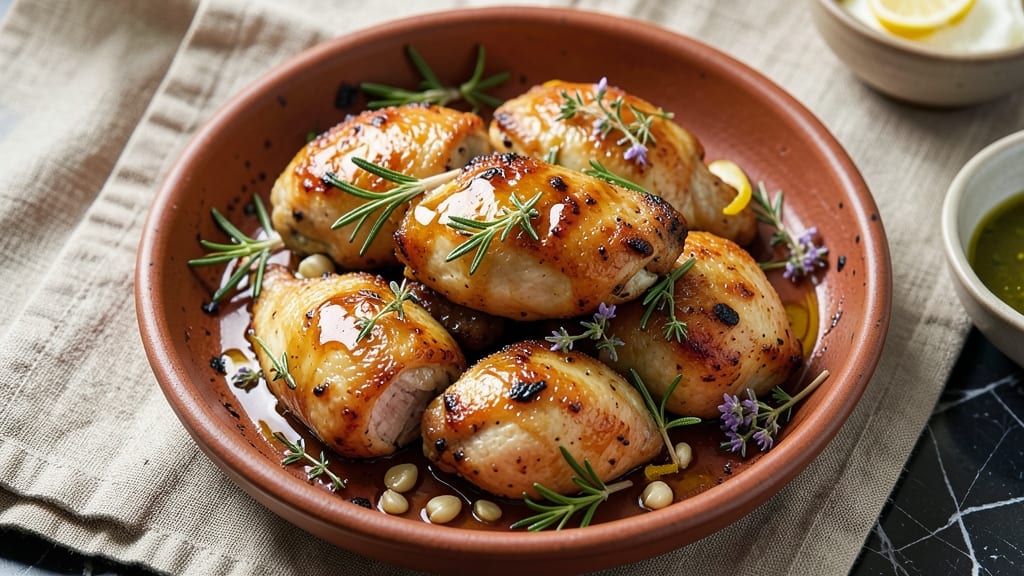
This baked chicken with white wine recipe transforms simple ingredients into restaurant-worthy dinner in just 45 minutes. The secret lies in using white wine as both a marinade and baking liquid, creating a dish that's impossibly tender and packed with bright, herby flavor.
I've perfected this technique over years of testing, ensuring every bite stays juicy while developing a golden, crispy skin that seals in all that moisture.
What makes this recipe stand out is the balance of acidity and richness—the white wine cuts through the fat while infusing the chicken with depth, while fresh herbs and garlic add layers of aroma that'll have everyone asking for seconds.
The method is straightforward: marinate the chicken, bake it uncovered until golden, then finish with a quick broil for that perfect crust. No complicated techniques, just foolproof results.
By the time it emerges from the oven, you'll have perfectly golden chicken with crisp edges and tender meat that practically falls apart. The white wine sauce clings to each piece, creating a flavorful juicing that makes every bite feel special.
This is the kind of weeknight dinner that feels like a celebration—without requiring hours in the kitchen.
The best part? It pairs beautifully with roasted vegetables, crusty bread, or a simple green salad. The bright acidity of the wine sauce also makes this dish incredibly versatile—serve it for a casual family dinner or an elegant gathering. Here's how to make it perfectly every time.
Ingredients for baked chicken white wine
Herb-infused white wine marinade and golden crust—this chicken delivers restaurant-quality flavor in record time.
| Ingredient | Amount | Notes |
|---|---|---|
| Boneless, Skinless Chicken Thighs 🍗 | 1 ½ lb | Cut into even 6-8 oz pieces |
| Dry White Wine 🍷 | 1 cup | Sauvignon Blanc or Pinot Grigio preferred |
| Fresh Rosemary 🌿 | ¼ cup | Chopped finely, stems removed |
| Fresh Thyme 🌿 | 2 tbsp | Leaves only, stems discarded |
| Garlic Cloves 🧄 | 4 cloves | Minced finely for even distribution |
| Extra-Virgin Olive Oil 🫒 | 2 tbsp | For marinade and basting |
| Dijon Mustard 🍯 | 1 tbsp | Adds depth to the marinade |
| Honey 🍯 | 1 tbsp | Balances acidity in marinade |
| Salt 🧂 | 1 ½ tsp | Kosher salt preferred |
| Ground Black Pepper 🌶️ | ½ tsp | Freshly cracked for best flavor |
| Lemon Juice 🍋 | 1 tbsp | Freshly squeezed for brightness |
| Unsalted Butter 🧈 | 2 tbsp | For basting during baking |
| Fresh Parsley 🌿 | ⅛ cup | Chopped for garnish |
The chicken thighs are the workhorse here—thicker than breasts, they hold moisture better during baking (no dry chicken here). Trader Joe's or Whole Foods carry excellent pre-cut thighs, but if buying whole, trim excess fat for cleaner flavor. The white wine should be dry—Sauvignon Blanc or Pinot Grigio work perfectly, but whatever's open in your fridge will do. Fresh herbs are non-negotiable: rosemary and thyme should smell vibrant, not wilted. If you're using dried, double the amount but toast the spices first for deeper flavor.
No white wine? Chicken broth with lemon juice mimics the acidity, though the flavor won't be identical. Substitute fresh thyme with dried at one-third the amount, but toast it first in a dry pan for 30 seconds. The honey in the marinade can be swapped for maple syrup if you prefer, though it'll add a slightly different depth. For extra richness, add 1 tbsp cream cheese to the marinade—it melts beautifully during baking. The Dijon mustard is key for that restaurant-quality tang, but if you're out, yellow mustard in a pinch works (though it'll be less refined).
Marinate the chicken for at least 30 minutes, but overnight is ideal for maximum flavor infusion. Store leftover marinade in an airtight container in the fridge for up to 3 days—it makes a fantastic quick sauce for pasta. The cooked chicken reheats beautifully: 350°F for 10-12 minutes covered with foil, or microwave for 45 seconds per piece. Portion into meal prep containers with the wine sauce for 3 days of effortless lunches. Freeze raw chicken pieces in the marinade for up to 2 months—just thaw overnight before baking.
Why You'll Love This Recipe
- One-Pan Magic: I swear by this—just toss the chicken, wine, and herbs on a sheet pan, then walk away. No pots, no pans, no stress. The wine reduces into a sticky, fragrant glaze while you’re still deciding what to watch on TV.
- Herb-Infused Perfection: That first bite? Juicy, tender chicken with a crust so crisp it shatters, all thanks to the rosemary and thyme clinging to the edges. The garlic? It doesn’t just flavor—it transforms, like a little flavor bomb in every piece.
- Weeknight to Dinner Party: Honestly, this is my go-to when I’m too tired for fuss but still want to impress. Serve it over pasta for a lazy night or with roasted veggies for guests—same effort, totally different vibes. (Yes, even on a Tuesday night.)
- Leftovers That Don’t Suck: Reheated chicken gets a bad rap, but not this one. The wine keeps it moist, and the herbs add a bright note that makes it taste fresh again. I’ve turned it into sandwiches, salads, and even a quick stir-fry—no one ever guesses it’s yesterday’s dinner.
Step-by-step instructions for herb-infused baked chicken
Here's how to transform simple chicken thighs into a restaurant-worthy dish with perfect moisture and herbaceous flavor.
Marinate the Chicken for Maximum Flavor
In a large bowl, combine the 1 cup dry white wine, 2 tbsp extra-virgin olive oil, 1 tbsp Dijon mustard, 1 tbsp honey, 1 tbsp lemon juice, 1.5 tsp salt, and 0.5 tsp ground black pepper. Whisk vigorously until the honey dissolves completely and the mixture becomes emulsified.
Add the 1.5 lb boneless, skinless chicken thighs to the marinade, ensuring each piece is fully coated. Cover the bowl with plastic wrap and refrigerate for at least 30 minutes (up to 4 hours for deeper flavor). This marinating time allows the herbs and wine to penetrate the meat, guaranteeing that every bite stays moist during baking. I like to flip the chicken pieces halfway through marinating to ensure even exposure to the flavorful liquid.
Prepare the Herb Mixture and Preheat
In a small bowl, finely chop the 0.25 cup fresh rosemary and 2 tbsp fresh thyme (removing stems). Mince the 4 cloves garlic until you have a paste-like consistency. This prep ensures even distribution of flavor throughout the dish.
Preheat your oven to 400°F. The high heat will help create a golden-brown crust while keeping the chicken juicy inside. While the oven heats, pat the marinated chicken pieces dry with paper towels—this step is crucial for achieving crispy skin. Remove the chicken from the marinade (reserve the marinade for basting) and place it in a single layer on a parchment-lined baking sheet.
Bake with Basting for Perfect Texture
Spread the reserved marinade evenly over the chicken pieces. Sprinkle the chopped rosemary, thyme, and garlic mixture evenly over the top. Dot each piece with 1 tbsp unsalted butter (about ½ tbsp per piece for four servings), which will baste the chicken during baking and add richness.
Bake for 25 minutes. Then, rotate the baking sheet and baste the chicken again with any accumulated juices in the pan. Continue baking for another 15-20 minutes until the internal temperature reaches 165°F and the skin is golden brown and crispy. The chicken is done when it pulls away easily from the bone and the juices run clear. For best results, use a meat thermometer to monitor the temperature—this ensures perfect doneness without overcooking.
Rest and Garnish for Serving
Remove the chicken from the oven and transfer it to a clean cutting board. Let it rest for 5-10 minutes before serving. This resting period allows the juices to redistribute throughout the meat, preventing them from leaking out when you cut into the chicken. The result is moist, flavorful meat that stays juicy with every bite.
While the chicken rests, garnish each serving with 0.125 cup fresh parsley, chopped finely. The bright green parsley adds a fresh contrast to the rich, herbed chicken. Serve immediately with your choice of sides—roasted vegetables, crusty bread, or a simple green salad all pair beautifully with this dish. The combination of white wine, herbs, and butter creates a sauce-like quality that clings to the chicken, making each bite unforgettable.
Pro Tips For Making Baked Chicken White Wine
- SEAR THIGHS FIRST: Skip the slow start—hit those chicken thighs with a quick sear in a hot pan (3-4 minutes per side) before baking. The Maillard reaction kicks in, giving your wine-braised chicken depth and a crust that won’t dissolve into the sauce. (Yes, it adds 10 minutes, but the flavor difference is worth it.)
- USE STEMMED HERBS: Toss the woody stems from rosemary and thyme into the baking dish with the chicken. They’ll infuse the wine with subtle earthiness while you chop the leaves for garnish—no waste, and the sauce tastes richer. (I learned this the hard way after tossing stems and wondering why my dish felt flat.)
- DON’T OVERCROWD THE PAN: If your baking dish looks packed, spread the thighs in a single layer and bake in batches. Overcrowding steams the chicken instead of browning it, and the wine won’t reduce properly. (Your future self will curse you if you skip this—trust me.)
- DEGLAZE WITH COLD WINE: Pour cold white wine over the seared thighs before adding heat—it prevents alcohol burn and lets the acidity cut through the garlic and herbs. Let it simmer uncovered for 5 minutes first to evaporate the harshness. (Sounds weird, but it works—your nose will thank you.)
Troubleshooting this dish
Dry, Tough Chicken
If your chicken turns out dry, it likely didn't rest long enough after baking. The resting phase (5-10 minutes) is critical for redistributing juices—never skip it! Also, check your internal temperature: chicken should reach 165°F but not exceed it.
For extra moisture, try brining the chicken for 30 minutes in ¼ cup salt dissolved in 4 cups water before marinating. 💧
Pale, Uneven Cooking
Pale chicken usually means it didn't bake long enough or wasn't basted properly. Rotate your baking sheet halfway through cooking and baste every 10 minutes with pan juices. For even browning, place chicken pieces on a wire rack over a baking sheet instead of directly on parchment.
If using skinless thighs, consider adding ½ cup chicken broth to the pan during baking to keep them moist.
Overly Winey Flavor
If the white wine taste dominates, reduce marinating time to 30 minutes max or use ½ cup wine + ½ cup chicken broth instead of full wine. For stronger chicken flavor, add 1 tsp smoked paprika or ½ tsp onion powder to the marinade.
Pat chicken extra dry before baking to evaporate excess liquid during cooking. 🍷
Skin Not Crispy
Crispy skin requires proper drying and high heat. Pat chicken completely dry with paper towels before baking, and don't skip the 400°F temperature. For extra crispiness, broil for 2-3 minutes at the end.
If using skinless chicken, try adding 1 tbsp cornstarch to the marinade before baking—it creates a light crust during cooking.
Sauce Too Thin
To thicken the wine sauce, simmer the pan juices after removing chicken for 3-5 minutes until reduced by half. Add 1 tsp cornstarch mixed with 1 tbsp water and stir until thickened.
For extra richness, whisk in 1 tbsp butter at the end. If the sauce is too acidic, balance it with ½ tsp sugar or 1 tsp honey while simmering.
Herbs Not Infused
Herbs need time to release their oils. For better infusion, finely chop herbs and let them sit in the marinade for 15 minutes before adding chicken. If herbs taste bland, try toasting them in a dry pan for 30 seconds before chopping.
For extra herb flavor, make a quick herb butter by mixing softened butter with chopped parsley and thyme, then spreading it on chicken before baking. 🌿
Nutrition facts
Frequently asked questions
Can I use chicken breasts instead of thighs?
Chicken breasts will work, but they're leaner and more prone to drying out. If using breasts, cut them into 1-inch thick pieces, marinate for 1-2 hours max (not overnight), and bake at 375°F for 20-25 minutes total. Reduce baking time by 5 minutes to prevent overcooking. For extra moisture, add 2 tbsp cream cheese to the marinade.
What's the best white wine for this recipe?
Look for dry white wines like Sauvignon Blanc or Pinot Grigio—their crisp acidity balances the richness. Avoid sweet wines or heavily oaked varieties. If you don't have wine, substitute with chicken broth + 1 tbsp lemon juice, though the flavor won't be identical. The wine should be chilled when using for marinating to prevent bacterial growth.
How do I make this recipe ahead of time?
Marinate the chicken overnight for deeper flavor, then refrigerate uncovered for 2 hours before baking to dry the surface slightly. For make-ahead meals, bake the chicken, cool completely, then store in an airtight container with the wine sauce for up to 3 days. Reheat at 350°F for 10 minutes covered with foil. Freeze raw chicken pieces in marinade for 2 months—thaw overnight before baking.
Why does the recipe call for skinless chicken?
Skin-on chicken can make the dish greasier, and the skin doesn't crisp as nicely when baked with wine. Skinless thighs stay juicy while developing a golden crust from the butter basting. For crispy skin, try adding 1 tbsp cornstarch to the marinade or broiling for 2-3 minutes at the end. If you prefer skin-on, trim excess fat and pat skin very dry before baking.
Can I use this technique for other proteins?
The same white wine marinade works beautifully with pork chops or salmon. For pork, bake at 375°F for 25-30 minutes until internal temp reaches 145°F. For salmon, reduce baking time to 12-15 minutes at 400°F and add ½ tsp smoked paprika to the marinade. The wine's acidity tenderizes tougher cuts and adds depth to delicate fish.