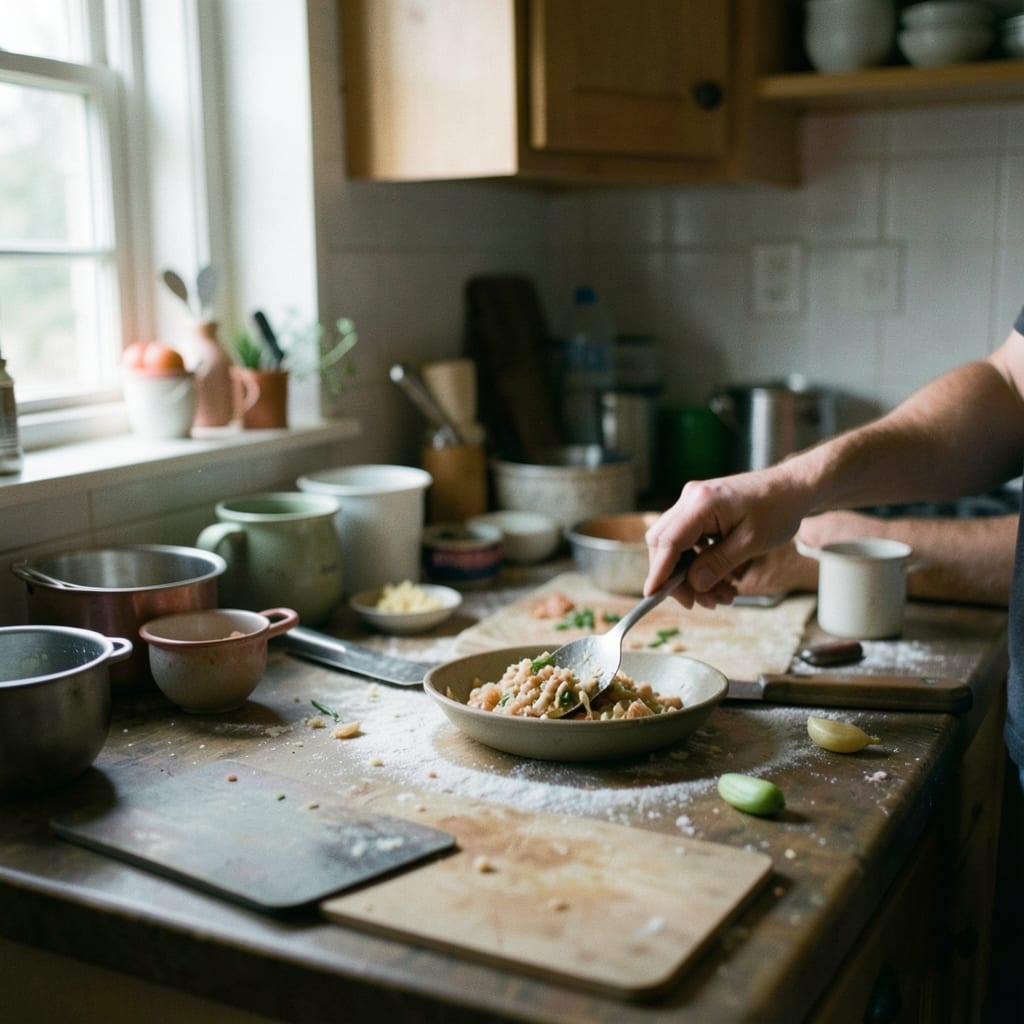
Why I started Chicken Recipes Leg
It was a Sunday afternoon, and I’d just spent an hour trying to replicate a ‘foolproof’ crispy chicken thigh recipe. The skin was rubbery, the meat dry, and the only thing crispy was my patience. My mom walked in, took one look at the disaster, and said, *‘You’re overcomplicating it.
The secret isn’t the technique—it’s the moment you stop fussing.’* She tossed the pan in the trash, grabbed the raw chicken, and had golden, juicy thighs on the table in twenty minutes. No fancy marinades, no brining hacks—just salt, time, and a pan that wasn’t afraid of getting hot.
That’s when I realized most recipe sites treat cooking like a science experiment, not a conversation. They tell you *what* to do, not *why* it matters—or what happens when it doesn’t.
This site is for the people who’ve burnt a batch of wings, over-salted a roast, or stood in the kitchen wondering why their ‘easy’ recipe feels like a puzzle.
Here, you’ll find dishes that work, stories about the messes that taught them, and a few wild successes that prove even the best cooks sometimes wing it.
Meet the founder

My mom’s the reason I’m still cooking. She’d drag me into the kitchen at eight years old, hand me a wooden spoon, and let me stir the roux for her chicken and dumplings—even when I’d burn it black.
The first time I tasted it *right*, I knew I’d spend my life chasing that balance: crispy enough to hold up to the gravy, tender enough to melt in your mouth.
She’d laugh and say, *‘Now you’re cooking like a man who’s been told no a hundred times.’* That’s the only rule I’ve kept: if it’s not worth the risk of failure, it’s not worth doing.
I still have the cast-iron skillet she gave me when I turned fifteen. It’s got a dent from the time I dropped it (and a scar from the time I tried to ‘deglaze’ it with water instead of wine).
It’s the only pan I trust for crispy skin—because it’s heavy enough to handle the heat without flinching. I keep it on the back burner, just in case. Some tools outlive the recipes.
The dish that changed everything was a batch of fried chicken. I followed a recipe *exactly*—double-dredged, hot oil, all the steps—and ended up with greasy, soggy cutlets. My neighbor, a line cook from New Orleans, watched me scrub the pan for twenty minutes before saying, *‘You’re washing out the flavor.
Let the oil get dirty.’* That’s when I learned the real work happens in the gaps between the instructions: the way the oil smells when it’s ready, the way the breading should *stick* to your fingers, not slide off.
Now I test every recipe until I can tell you what it smells like when it’s wrong.
I have a habit of tasting everything raw. Not the onions or garlic—*the chicken*. I know it’s weird, but there’s a moment when the meat’s still cold, just after you’ve seasoned it, where you can tell if it’s going to be good. It’s a reflex now: salt, wait, taste.
My wife still rolls her eyes, but she’s the one who hands me the knife first. The rest of the kitchen can wait.
Meet the mascot

It started on a napkin at a diner in Memphis, where I’d gone to argue with the cook about his ‘dry’ wings. The first scribble was just a chicken leg with a crown, but the leg looked too skinny, like it had been starved.
I crossed it out and drew another—this time with a drumstick that actually looked like it could hold a bite. The waitress slid my coffee over and said, *‘That’s not a chicken. That’s a king.’* I didn’t argue.
The drawn version was messier: a chicken with a crown, but now the feathers were actual lines, not just scribbles, and the leg had a proper joint. I traced it onto paper three times before I got the proportions right.
The crown was the hardest part—it needed to look regal, not like a cartoon. I ended up simplifying it to three lines, like a medieval scepter, because anything fancier would’ve disappeared when I shrank it down to a browser tab.
The final version lost the feathers entirely. They were too busy, too distracting. What stayed was the crown, the confident stance, and the leg that actually looked like it belonged to something that could feed a crowd. I named it *Sir Cluckington*—because even a mascot deserves a title.
It’s been judging my cooking (and yours) ever since.
What I promise you
This site isn’t about perfect food—it’s about food that works. If a recipe doesn’t hold up after three tries, it doesn’t get published. No wishful thinking, no ‘should’ve’ steps. What you’ll get is what I’d actually make if my family was starving and the takeout menu was closed.
What you can hold me to
- Every ingredient list tells you *exactly* what to buy—no ‘substitutes’ that turn a dish into something else.
- The steps are written for a kitchen with real limitations: lopsided pans, imperfect knives, and occasional distractions.
- If a recipe requires a tool you don’t own, I’ll tell you how to fake it (or why you should just borrow one).
- The ‘why’ is always there—even if it’s just *‘because my abuela swore by it.’*
How I create a recipe
A recipe starts in my kitchen, usually at 2 AM, with a half-empty bottle of wine and a stubborn piece of chicken that refuses to behave. The first test is always messy—too salty, too greasy, or just *wrong* in a way I can’t put my finger on.
But that’s when the real work begins. I don’t just tweak the recipe; I tweak the *method*. Why did the skin tear? Was the oil too cool? Did I rush the resting? The answers aren’t always in the book—they’re in the pan.
The first test: the pan and the heat
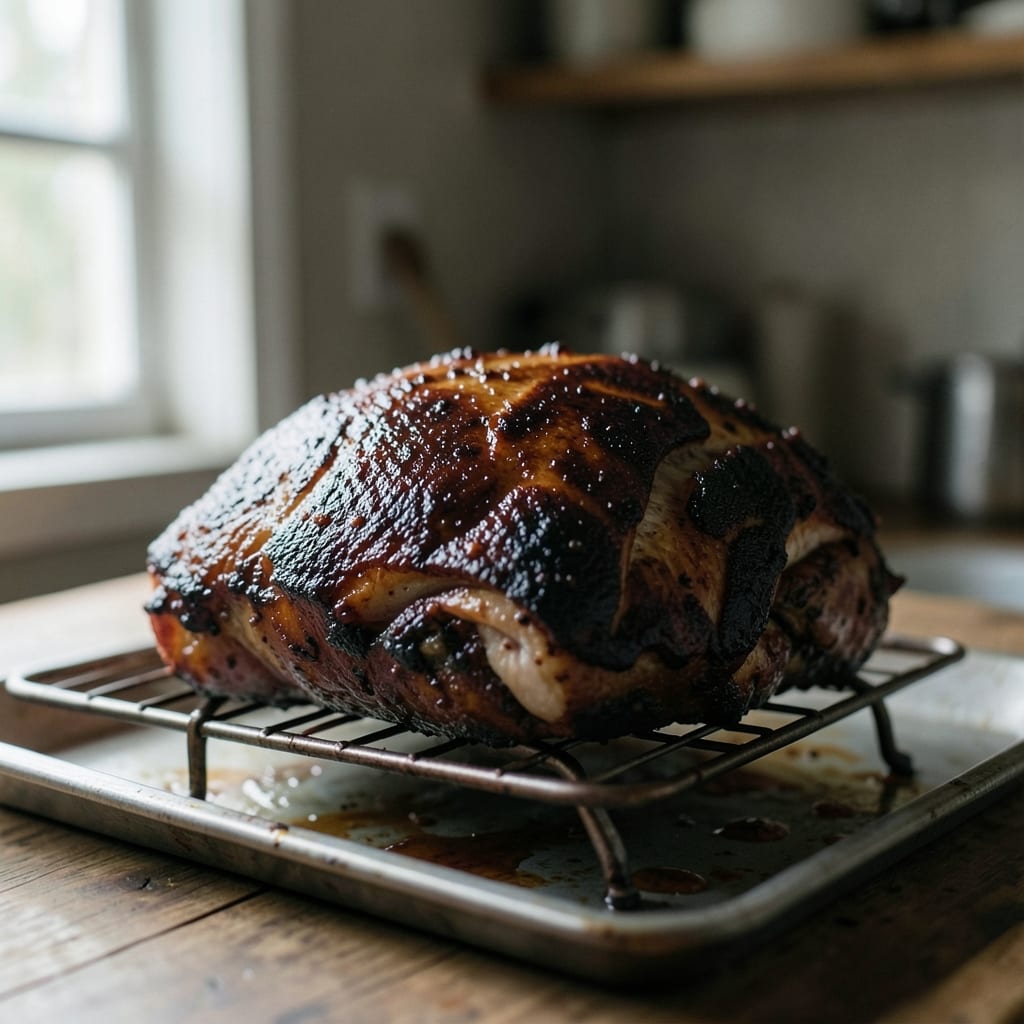
The first stage is always about the pan. I heat it on medium-high until the oil shimmers—*not* smokes—then test it with a scrap of breading. If it sizzles but doesn’t brown in 30 seconds, the oil’s not hot enough. If it burns instantly, it’s too hot.
The chicken goes in when the pan is hot enough to make the breading *immediately* stick, but not so hot that the meat cooks faster than the breading can crisp. I never stir it in the first two minutes—just let it develop a crust.
If the breading falls off when I flip it, I know I rushed the heat.
The real test is the smell. Good chicken skin shouldn’t just smell crispy—it should smell *sweet*, like caramelized sugar. If it smells like burnt paper, the oil’s too hot or the pan isn’t heavy enough. I’ve ruined more batches listening to the sizzle than the silence.
The first flip is always the hardest: too soon, and the breading won’t set; too late, and the meat’s gray inside. I aim for 3–4 minutes per side, but I’m watching the *color*, not the clock. Golden-brown is the goal—any darker, and you’re in ‘campfire’ territory.
The fix: resting and rescuing
If the skin tears or the meat’s dry, the fix starts with resting. I pull the chicken out of the pan and let it sit for *at least* five minutes—covered with foil, but not touching it. The residual heat finishes cooking the meat while the crust sets.
For over-salted batches, I rinse the pan, add a splash of vinegar, and let the chicken soak in the sauce for 10 minutes. The salt disperses, and the acid cuts through the grease. If the breading’s soggy, I broil it for 2–3 minutes, watching like a hawk.
Too long, and it burns; too short, and it’s still damp.
The last step is always tasting. I cut into the thickest part of the thigh—if the meat’s pale pink in the center, it’s not done. If the juices run clear, it’s overcooked. The perfect piece has a *slightly* pink center and juices that run like warm honey.
That’s the moment I know it’s ready. Everything else is just cleanup.
How a page gets onto this site
A recipe isn’t done until it’s written down while it’s still warm—or at least, while I can still remember what went wrong. I scribble notes on a legal pad next to the stove: *‘oil too cool,’ ‘rested too long,’ ‘needs more garlic.’* Then I let it sit for a week.
The second draft cuts out the panic and keeps the lessons. If a recipe gets rewritten six months later, it’s because someone sent me a photo of their disaster—and I realized I’d missed a step. That’s how you know it’s ready: when the failures start looking like improvements.
Write to me
I love hearing about the recipes that saved your dinner, the disasters that taught you something, or the family dishes no one else remembers how to make. Send me the stories—especially the ones where the recipe worked, but the kitchen didn’t.
And if you’ve got a question about why a dish turned out wrong, I’ll tell you what I’d check first. You can reach me through the contact page.
Thanks for trusting me with your kitchen. Now go cook something.
The recipes are grouped by category: Appetizers, Beverages, Desserts, Main Courses, Salads and Sauces & Condiments.