
Sauces & Condiments
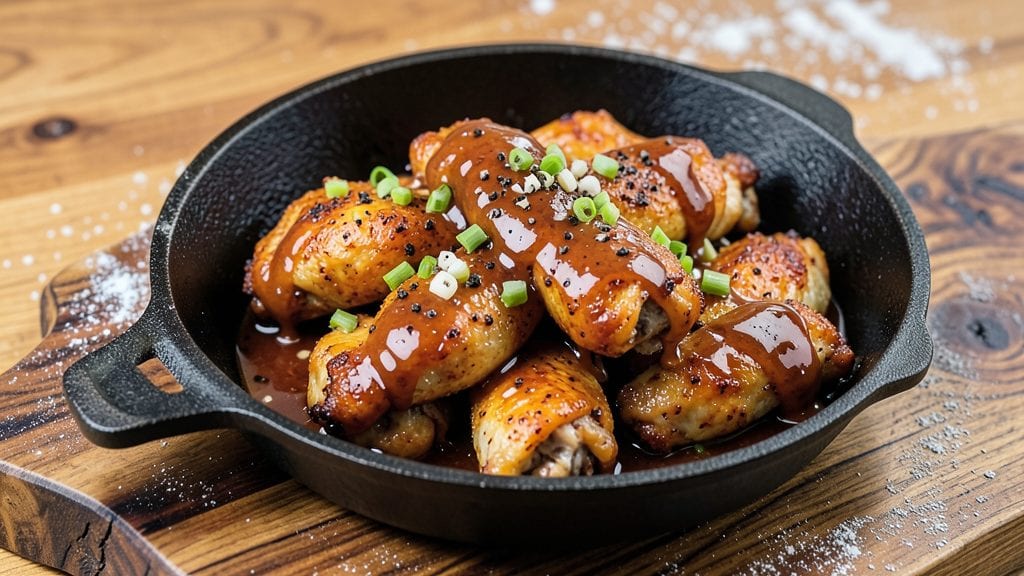
This chicken wing boil sauce recipe transforms ordinary wings into crispy, restaurant-quality bites with its smoky garlic-vinegar base. The secret lies in balancing bold flavors—garlic, vinegar, and spices—that penetrate the meat while keeping it tender.
I developed this after years of experimenting with wing sauces, and it consistently delivers that perfect tangy, aromatic punch. The sauce doubles as a dipping sauce or marinade, making it incredibly versatile.
The foundation of this sauce is a rich broth base combined with apple cider vinegar for brightness and garlic for depth. A touch of brown sugar caramelizes during boiling, adding subtle sweetness that rounds out the acidity.
What sets this apart is the smoky element—just a pinch of smoked paprika and liquid smoke—without overpowering the natural flavor of the wings. The result is a sauce that clings to crispy skin and infuses every bite with complex flavor.
By the time you're done, you'll have a sauce that elevates wings from ordinary to extraordinary—crispy on the outside, juicy on the inside, and coated in a sticky, aromatic glaze.
This isn't just for wings; it works equally well for dumplings, fried chicken, or even as a marinade for grilled meats. The best part? It's easy to make ahead and reheats beautifully, so you can focus on cooking while the sauce does the work.
Store leftovers in the refrigerator for up to a week or freeze for longer shelf life. Whether you're hosting a game day gathering or craving wings on a Tuesday night, this sauce delivers professional-quality results with minimal effort. Let's get started on creating your perfect wing sauce!
Ingredients for chicken wing boil sauce
Pantry staples meet bold flavors for the ultimate wing sauce that sticks like glue.
| Ingredient | Amount | Notes |
|---|---|---|
| Chicken Broth 🍗 | 2 cups | Low-sodium preferred |
| Apple Cider Vinegar 🍎 | ½ cup | Bragg preferred for flavor |
| Garlic Cloves 🧄 | 8 cloves | Freshly minced for punch |
| Brown Sugar 🍚 | ¼ cup | Light or dark works |
| Smoked Paprika 🌶️ | 1 tbsp | For authentic smoky flavor |
| Liquid Smoke 🔥 | ½ tsp | Just a whisper of smoke |
| Kosher Salt 🧂 | 1 ½ tsp | Adjust to taste |
| Black Pepper 🌶️ | ½ tsp | Freshly cracked preferred |
| Onion Powder 🧅 | ½ tsp | For depth of flavor |
| Cayenne Pepper 🔥 | ¼ tsp | Optional for heat |
The broth is your flavor foundation—low-sodium is key, or you'll end up with a salty mess. Chicken bouillon cubes work in a pinch, but nothing beats homemade or high-quality store-bought. Apple cider vinegar makes all the difference here—Bragg is my go-to because it's tangy without being harsh. For the garlic, freshly minced is non-negotiable. If you're prepping ahead, store it in a sealed container with a splash of vinegar to keep it bright. The brown sugar might seem small, but it caramelizes beautifully during boiling, adding that perfect balance to the tangy-savory profile.
No apple cider vinegar? White vinegar or lemon juice works, but you'll lose some depth. Skip the smoked paprika? Add an extra 0.25 tsp liquid smoke or a pinch of chipotle powder. The cayenne is totally optional—red pepper flakes at half the amount gives a similar kick. For a sweeter sauce, bump the brown sugar to 0.375 cup. This sauce is incredibly flexible—use it as a marinade for grilled chicken or pork, a dip for fried dumplings, or even a glaze for roasted vegetables. The key is balancing the tang, smoke, and sweetness to your taste.
This sauce is a game-changer for meal prep. It keeps in the fridge for up to 2 weeks in an airtight container, and freezes beautifully for 3 months. I like to make a big batch and freeze it in ice cube trays—just pop out what you need for each cook. The sauce thickens as it cools, so stir in a splash of water or broth if it gets too stiff. Trust me, you'll want to make extra—it disappears fast during game day or wing nights. Store leftovers with a lid slightly ajar to prevent skin from forming.
Why You'll Love This Recipe
- No-Pan-Needed Magic: Honestly, this sauce takes five minutes of active time—just toss everything in a pot, stir once, and walk away. The vinegar and broth do all the heavy lifting while you prep the wings or even just relax with a beer.
- Tangy-Sweet Addiction: That balance of apple cider vinegar’s brightness and brown sugar’s caramel notes? It’s the kind of flavor that makes you lick your fingers. The smoked paprika and liquid smoke give it that barnyard-to-table depth that’s impossible to resist.
- Game-Day or Weeknight: Freeze half the batch for next month’s tailgate, or use it to glaze roasted potatoes or even drizzle over mac and cheese. My kids think it’s “secret wing sauce” for their grilled cheese—it’s that versatile.
- Budget’s Friend: With just 10 ingredients (and most of them pantry staples), this costs pennies per serving. The liquid smoke and Bragg vinegar elevate it, but honestly, you’ll use so much that it disappears before you know it. Worth every penny.
Step-by-step instructions for smoky garlic-vinegar boil sauce
Here's how to craft a bold, tangy sauce that delivers that signature crispy-wing flavor.
Build the Smoky Base with Chicken Broth and Vinegar
In a medium saucepan, combine the 2 cups chicken broth and 0.5 cup apple cider vinegar. Place over medium-high heat and bring to a gentle boil. The vinegar will create that signature tangy punch that cuts through the richness of crispy wings.
Once boiling, reduce heat to medium-low and let it simmer for 5 minutes. You'll see the liquid start to reduce slightly—this concentrates the flavors. Here's the thing: don't walk away. You want to keep an eye on it so it doesn't boil over, especially with the vinegar.
Add Sweetness and Spices for Depth
Stir in the 0.25 cup brown sugar, 1 tbsp smoked paprika, 0.5 tsp liquid smoke, 1.5 tsp kosher salt, 0.5 tsp black pepper, 0.5 tsp onion powder, and 0.25 tsp cayenne pepper. The smoked paprika and liquid smoke work together to create that authentic barnyard smokiness you crave in boil sauce.
Let the mixture simmer for another 3-4 minutes, stirring occasionally. You'll notice the spices dissolving and the sauce starting to take on a deeper, richer color. This is where the magic happens—the spices meld together to create that complex, savory-sweet flavor profile that makes this sauce so addictive.
Incorporate the Garlic for Maximum Punch
Add the 8 cloves minced garlic to the saucepan. Stir well to distribute the garlic evenly throughout the liquid. The garlic should sizzle slightly as it hits the hot sauce—this is your signal that it's releasing its full flavor potential.
Simmer for 2-3 minutes until the garlic is fragrant and just starting to turn golden. Don't let it brown—you want it to contribute its flavor without adding bitterness. This is the moment that matters: the garlic should be fully incorporated but still retain its shape slightly, not mushy.
Simmer to Perfect Consistency
Continue simmering the sauce for 5-7 minutes until it reduces by about one-third. You're looking for a sauce that coats the back of a spoon but isn't syrupy. The reduction intensifies the flavors and creates that perfect balance of tangy, sweet, and smoky.
Taste and adjust seasoning if needed. If it needs more heat, add a pinch more cayenne. If it needs more sweetness, add a little more brown sugar. Remember, you can always adjust, but it's easier to fix an under-seasoned sauce than an over-seasoned one.
Strain and Store for Maximum Flavor
Remove the sauce from heat and let it cool slightly. Then, strain it through a fine-mesh sieve to remove any garlic bits. This gives you a smooth, professional-looking sauce that's ready to use.
Transfer the sauce to a clean jar or container. It will keep in the refrigerator for up to 2 weeks or can be frozen for 3 months. The flavors actually improve as it sits, developing even more depth over time. Use this sauce to baste your wings during the final crisping phase for that authentic restaurant-quality finish.
Pro Tips For Making Chicken Wing Boil Sauce
- Boil Vinegar First: I learned this the hard way—adding vinegar to cold broth can cause a violent reaction when you turn up the heat. Start with the broth and vinegar over medium-high until it’s actually boiling before lowering the heat. That way, the vinegar integrates smoothly without splattering everywhere.
- Mince Garlic Fine: The recipe says "minced," but I used to chop it roughly, and the sauce never had that same punch. Use a knife or garlic press to get it as fine as possible—think almost paste-like. The smaller the pieces, the faster they dissolve and the more flavor they release.
- Watch the Garlic Color: That 2-3 minute simmer for the garlic is non-negotiable, but don’t let it turn brown—it’ll taste bitter. Keep an eye on it, and if it starts to darken too quickly, pull the pan off the heat for 10 seconds. You want it fragrant and just slightly golden, not crispy.
- Reduce Slowly: Rushing the final 5-7 minute reduction will leave you with a thin, watery sauce. Keep the heat at a steady simmer (not a boil) and stir occasionally. The goal is to thicken it just enough to coat the back of a spoon—like a light syrup, not molasses. Patience here makes all the difference.
Troubleshooting your chicken wing boil sauce
Sauce Too Thin?
If your sauce ends up watery after simmering, it’s likely because you didn’t reduce it enough. The goal is a sauce that coats the back of a spoon—not too syrupy, but thick enough to cling to wings.
If this happens, simmer uncovered for an additional 5-10 minutes to evaporate excess liquid. I like to check by dipping a spoon in the sauce: if it drips slowly, it’s perfect. If it runs off, keep simmering. 🔥
Garlic Overpowering?
When garlic browns too quickly, it turns bitter and ruins the sauce’s balance. To prevent this, add the 8 cloves minced garlic in small batches—about 2 cloves at a time—and simmer for 1-2 minutes between additions.
This way, you control the cooking time and avoid overcooking. A gentle simmer is key here.
Salt Imbalance?
If your sauce tastes too salty, there’s no going back—it’s best to start fresh. But if it’s slightly underseasoned, add ½ tsp kosher salt at a time while tasting. For a more precise fix, mix 1 tbsp plain yogurt or mayo into the sauce to dilute the saltiness.
This trick works wonders without altering the flavor profile. Honestly, I’ve saved many batches this way!
Spices Not Melting?
If spices like smoked paprika or onion powder clump together instead of dissolving, it’s usually because the heat was too high. Reduce the heat to low-medium and stir constantly for 2-3 minutes after adding them.
For stubborn spices, whisk in 1 tbsp cold water to help them emulsify. This prevents clumps and ensures even flavor distribution. 💡
Sauce Separating?
When oil or fat separates from the sauce, it’s often due to temperature fluctuations. To fix this, gently reheat the sauce on low heat while whisking continuously. If the separation persists, blend the sauce briefly with an immersion blender to recombine the ingredients.
I’ve found that a splash of broth or vinegar can also help re-emulsify the sauce smoothly.
Nutrition facts
Frequently asked questions
Can I use this sauce for other foods besides wings?
This versatile sauce works beautifully on grilled meats like chicken or pork, fried dumplings, or even as a glaze for roasted vegetables. The smoky garlic-vinegar blend pairs perfectly with crispy textures and savory flavors beyond just wings. Try it as a marinade for chicken thighs before baking!
What if my sauce turns out too salty?
If the sauce tastes too salty, you can't unsalt it, so prevention is key. Taste as you go and adjust gradually with ½ tsp kosher salt at a time. For a quick fix, mix in 1 tbsp plain yogurt or mayo to dilute the saltiness without altering the flavor. This trick saves many batches!
How do I prevent garlic from browning too quickly?
To avoid bitter garlic, add the 8 cloves minced garlic in small batches—about 2 cloves at a time—and simmer for 1-2 minutes between each addition. This way, you control the cooking time and keep the garlic fragrant without browning. A gentle simmer is your best friend here!
Can I make this sauce ahead of time?
Yes! This sauce keeps in the refrigerator for up to 2 weeks in an airtight container, and it freezes beautifully for 3 months. The flavors actually deepen over time, so it’s perfect for meal prep. Store leftovers with a lid slightly ajar to prevent a skin from forming.