
Main Courses
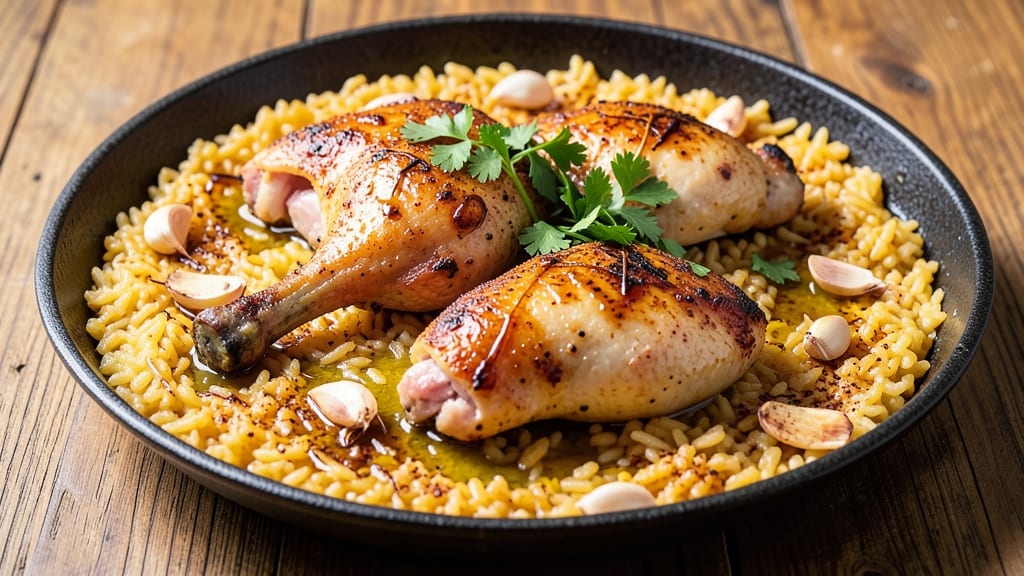
This chicken paella recipe delivers the vibrant, aromatic experience of a Spanish tapas bar—right in your home kitchen. After years of perfecting the technique, I’ve cracked the code for achieving that signature crispy socarrat at the bottom while keeping the rice perfectly tender.
The secret lies in balancing heat, timing, and a few key ingredients that transform a simple rice dish into something unforgettable.
What makes this recipe special is the layering of flavors: smoky chicken thighs, sweet paprika-infused tomatoes, and saffron-infused broth that infuses every grain of rice with golden depth. Unlike many paella recipes, this one simplifies the process without sacrificing authenticity—no fancy equipment needed, just patience and attention to detail.
The result? A dish that’s as impressive as it is delicious, with each bite offering a perfect harmony of textures and tastes.
By the time you serve this paella, your guests will experience the crispy socarrat—that coveted caramelized layer at the bottom—paired with tender rice, juicy chicken, and vibrant vegetables.
The aroma alone will transport you to a bustling Spanish plaza, while the first forkful delivers the rich, complex flavors that define this iconic dish. This is the kind of meal that turns a simple weeknight into a celebration.
Whether you’re cooking for a crowd or treating yourself to a special dinner, this recipe scales beautifully and stays true to its roots. The key steps—soaking the rice, sautéing the aromatics, and mastering the socarrat—are all broken down clearly so you can achieve professional results at home.
Let’s get started on creating your own paella masterpiece.
Ingredients for chicken paella
These vibrant ingredients transform a simple rice dish into a Spanish tapas masterpiece.
| Ingredient | Amount | Notes |
|---|---|---|
| Chicken Thighs, Bone-In 🍗 | 1 ½ lb | Skin-on for crispiness, cut into even pieces |
| Bomba Rice 🍚 | 1 ½ cups | Short-grain, uncooked, for authentic texture |
| Chicken Broth 💧 | 3 cups | Low-sodium, homemade preferred |
| Saffron Threads 🌼 | ¼ tsp | High-quality, steeped in warm water |
| Smoked Paprika 🌶️ | 1 tbsp | Sweet or hot variety for depth |
| Garlic Cloves 🧄 | 6 cloves | Fresh, minced for aromatic base |
| Yellow Onion 🧅 | 1 whole | Medium, diced for sweetness |
| Red Bell Pepper 🍅 | 1 whole | Medium, sliced for vibrant color |
| Green Beans 🌿 | 1 lb | Trimmed, cut into 1-inch pieces |
| Tomatoes, Canned 🍅 | 1 can | San Marzano, crushed for sweetness |
| Extra-Virgin Olive Oil 🫒 | ½ cup | High-quality, fruity for richness |
| Lemon Juice 🍋 | 1 tbsp | Freshly squeezed for brightness |
| Sea Salt 🧂 | 1 ½ tsp | Diamond Crystal preferred |
| Ground Black Pepper 🌶️ | ½ tsp | Freshly ground for heat |
| White Wine 🍷 | ½ cup | Dry, like Albariño or Sauvignon Blanc |
The Bomba rice is non-negotiable here—its short grains absorb flavor beautifully while staying firm. Spanish specialty stores or well-stocked supermarkets carry it, but if you can't find it, Arborio rice works in a pinch. For saffron, La Casa del Saffron sells premium threads that dissolve perfectly. Chicken thighs with skin-on and bone-in are key—they stay juicy while the skin crisps up beautifully. Look for thighs with good marbling at Whole Foods or your local butcher shop. The San Marzano tomatoes are worth seeking out for their sweet, rich flavor—they're the secret to that authentic paella taste.
No saffron? Turmeric at half the amount mimics the golden color, though it lacks the floral depth. Running short on white wine? Chicken broth with a splash of lemon juice works, but the acidity helps balance the dish. Fresh garlic and onion are ideal, but if you're using dried, toast them in olive oil first to deepen the flavor. The bell pepper can be swapped for asparagus or artichokes if you prefer. For the green beans, frozen works fine—just thaw and trim before adding. And if you can't find smoked paprika, a mix of regular paprika and a pinch of liquid smoke gets you close.
This paella tastes even better the next day, so make extra. Store leftovers in an airtight container in the fridge for up to 4 days, or freeze for 3 months. The rice dries out fast when reheated, so cover it with a damp paper towel before microwaving. For the crispy socarrat, use a high-heat burner and let the bottom caramelize undisturbed for the last 2 minutes. Serve with a sprinkle of fresh parsley and a wedge of lemon—trust me, it makes all the difference.
Why You'll Love This Recipe
- I’ll be real: that crispy bottom layer, or socarrat, is the holy grail of paella. It takes patience—you let the rice simmer uncovered for those final 3-4 minutes at high heat—but the result? A caramelized crust that’s so addictive you’ll want to eat it first. The bomba rice holds up perfectly to this step, staying firm in the center while the edges turn golden. It’s the kind of texture that makes you forget you’re eating a weeknight dinner.
- Here’s what sold me: you can feed four people for less than what a takeout meal would cost, and every ingredient is working its hardest. The bone-in chicken thighs stay juicy and flavorful, the San Marzano tomatoes add sweetness without sugar, and the white wine (just half a cup!) deglazes the pan for maximum flavor. Leftovers? They keep for four days in the fridge, so you can have paella for breakfast (yes, really) or pack it for lunch.
Step-by-step instructions for saffron-infused paella
Here's how to build layers of flavor and achieve that coveted crispy socarrat every time.
Sear the Chicken and Build the Sofrito
Pat the 1.5 lb chicken thighs, bone-in dry with paper towels and season generously with 1.5 tsp sea salt and 0.5 tsp ground black pepper. Heat 0.5 cup of the extra-virgin olive oil in a large, shallow paella pan or skillet over medium-high heat until shimmering. Add the chicken skin-side down and cook undisturbed for 5-6 minutes until golden brown and crispy. Flip and cook another 4-5 minutes until internal temperature reaches 165°F. Remove chicken and set aside, leaving the rendered fat in the pan.
In the same pan, add another 0.25 cup of the extra-virgin olive oil (total 0.5 cup) and reduce heat to medium. Add the 1 whole yellow onion, diced, and cook for 5 minutes until softened. Add the 6 cloves garlic cloves, minced, and cook for 1 minute until fragrant. Stir in the 1 tbsp smoked paprika and cook for 30 seconds until aromatic. Pour in the 0.5 cup white wine and scrape up any browned bits, letting it reduce by half before adding the 1 can tomatoes, crushed. Simmer for 5 minutes until thickened.
Toast the Rice and Infuse with Saffron
Add the 1.5 cups bomba rice to the pan and stir to coat completely in the sofrito, toasting for 2 minutes until slightly translucent at the edges. This step develops the rice's nutty flavor and prevents mushiness. In a small bowl, steep the 0.25 tsp saffron threads in 2 tablespoons hot water for 5 minutes to release their vibrant color and aroma. Pour this saffron infusion over the rice and stir gently.
Add the 3 cups chicken broth and bring to a gentle simmer. The rice should absorb the liquid gradually—don't stir after this point to preserve the socarrat layer. Cover the pan with foil and cook for 12 minutes over medium-low heat, letting the rice absorb the liquid without boiling vigorously.
Incorporate Vegetables and Finish the Chicken
After 12 minutes, carefully remove the foil and add the 1 lb green beans, trimmed and cut into 1-inch pieces, and the 1 whole red bell pepper, sliced. Gently fold these into the rice using a wooden spoon, avoiding the bottom layer. Return the chicken thighs to the pan and spoon any accumulated juices over the rice. Cover again and cook for another 8 minutes.
Here's the critical moment: increase heat to medium-high for the final 3-4 minutes to develop the socarrat. You'll see the edges darken and crisp—this is your signal to remove from heat. The rice should be tender but slightly firm in the center, with a caramelized crust on the bottom.
Rest and Serve with Zest
Remove from heat and let the paella rest, covered, for 5 minutes. This allows the rice to finish steaming and the flavors to meld. Before serving, drizzle with 1 tbsp lemon juice and sprinkle with additional 0.5 tsp ground black pepper. The socarrat should be crisp enough to resist a fork but still release flavor when broken through.
Serve family-style directly from the pan, breaking the crispy bottom layer for dramatic effect. Each bite should deliver smoky chicken, sweet saffron rice, and vibrant vegetable flavors—all united by that perfect crispy finish you worked so hard to create.
Pro Tips For Making Chicken Paella
- Don’t Rush the Saffron: I learned this the hard way—steeping those delicate threads in just warm water for 5 minutes (not boiling) pulls out the color and aroma without bitterness. Skip this, and your paella will taste like saffron-flavored disappointment instead of golden perfection.
- Toast the Rice Like Coffee: That 2-minute stir after adding the bomba rice isn’t just busywork—it’s what gives paella its nutty depth. Let the grains get just translucent at the edges, or you’ll end up with bland, sticky rice instead of the toasty base you want.
- Save the Chicken Juices: When you pull the chicken out, don’t pour those juices down the drain. Spoon them back over the rice later—they’re liquid gold for keeping everything moist without diluting the broth. Trust me, your future self will notice.
- High Heat for Socarrat: The final 3-4 minutes on medium-high aren’t optional. That’s when the bottom turns from sticky to crispy. Watch the edges darken—when they resist a fork but still crackle, that’s your cue to stop. Burn it, and you’ve ruined the dish; underdo it, and you’ve missed the point.
Regional styles of chicken paella
Valencian-Style Paella
This classic Spanish version from Valencia is the most traditional and what I’ve always turned to when I want that authentic taste. The key difference here is the use of short-grain rice like Bomba or Calasparra, which absorbs liquid perfectly while staying firm.
I like adding chorizo or morcilla (blood sausage) alongside the chicken for that smoky depth—look for Spanish chorizo at specialty stores or your neighborhood butcher. The broth is often made with homemade chicken stock infused with garlic and bay leaves, but even store-bought low-sodium broth works in a pinch. 🌟
Catalan-Inspired Seafood Paella
While this recipe focuses on chicken, Catalonia’s coastal influence makes for a fantastic variation. Replace the chicken with shrimp, mussels, and clams (about 1 lb each of shrimp and 2 cups mixed shellfish).
Add 1 tsp saffron and ½ cup white wine to the broth, then fold in the seafood in the last 5 minutes of cooking so it stays tender. I love finishing it with a squeeze of lemon and a sprinkle of fresh parsley for brightness.
This version feels like a seaside celebration! 🌊
Navarran-Style Paella with Pimentón
Navarra, Spain’s red wine country, puts a unique twist on paella with its pimentón de la Vera (smoked paprika). This version uses 2 tbsp of this smoky paprika mixed into the sofrito, along with 1 tsp cumin for warmth.
I also add ½ cup roasted red peppers from a jar for extra depth. The result? A richer, spicier flavor profile that pairs beautifully with the chicken. I’ve found this version especially crowd-pleasing at family gatherings. 🔥
Andalusian-Style Paella with Eggs
In Andalusia, paella often gets a creative upgrade with fried eggs added on top in the final minutes. After cooking the rice and vegetables, crack 2-3 eggs into the pan and cover it for 3-4 minutes until the whites are set but yolks remain runny.
This technique, called huevo frito, adds a luxurious touch. I also like adding ½ cup artichoke hearts for a Mediterranean twist. It’s a dish that feels indulgent but still balanced. 🍳
Basque-Style Paella with Txakoli
Basque Country’s love for Txakoli (a crisp white wine) makes it the perfect pairing for paella. I replace the white wine in the recipe with ½ cup Txakoli for a tangy, refreshing note. The region also loves pimentón picante (hot smoked paprika), so I add ½ tsp to the sofrito.
For extra authenticity, I include ½ cup grilled asparagus instead of bell peppers. This version feels fresh and vibrant, perfect for springtime dinners. 🍷
Nutrition facts
Frequently asked questions
What’s the secret to getting that perfect crispy socarrat?
The socarrat happens when you let the bottom layer of rice dry out and caramelize over high heat for the final 3-4 minutes. After cooking the rice for 12 minutes, increase heat to medium-high and stop stirring—just let it toast until golden. The key is patience: don’t rush this step!
Can I use Arborio rice instead of Bomba rice?
Yes, but expect slightly softer results. Bomba rice absorbs liquid perfectly while staying firm, but Arborio works in a pinch. Just watch the cooking time—it may need 2-3 minutes less total. For the best texture, stick with Bomba if you can find it!
How do I prevent my paella from drying out?
Never stir the rice after adding broth—this disturbs the socarrat. Cover the pan with foil during cooking and avoid lifting it too often. Also, use low-sodium broth so you can control the saltiness. If it looks dry, add 1-2 tablespoons warm water at the end.
What’s the best way to reheat leftovers?
Cover the paella with a damp paper towel and microwave in 30-second bursts until warm. Alternatively, reheat on the stovetop over low heat with a splash of broth to restore moisture. Avoid high heat—it’ll turn the rice mushy!
Can I make this paella ahead of time?
Cook it 1 day ahead and refrigerate, covered. Reheat gently with a little broth or water. The flavors deepen overnight, and the socarrat stays crispy if handled carefully. Perfect for meal prep!