
Main Courses
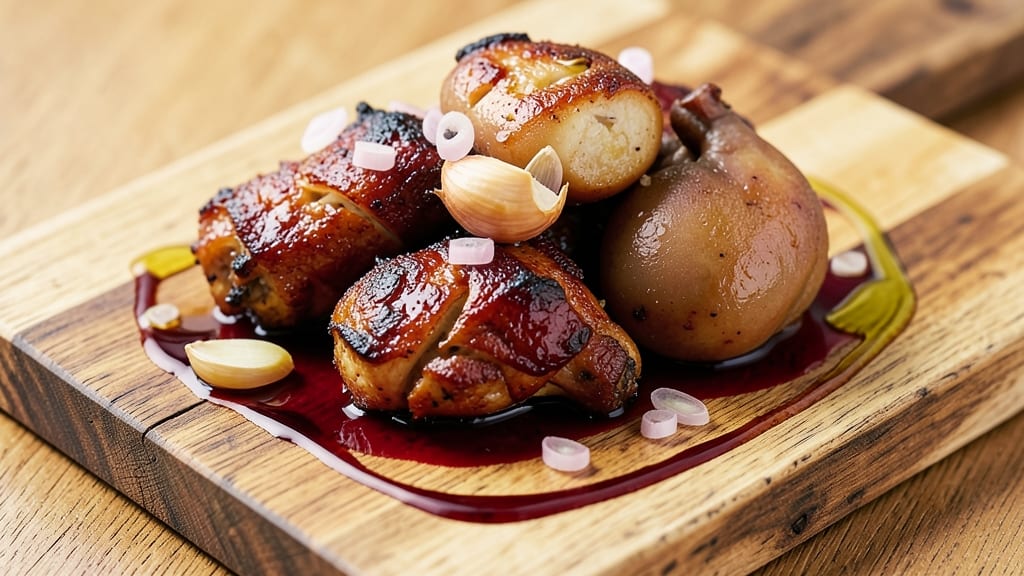
Transforming chicken gizzards and hearts into crispy-skinned, juicy bites requires patience and precision—but the results are worth every step. This recipe combines traditional techniques with modern shortcuts to deliver restaurant-quality texture without the fuss.
I’ve perfected it through years of testing, balancing tender interiors with a satisfying crunch that holds up to every bite.
The secret lies in proper preparation: trimming excess fat, marinating in a blend of acid and aromatics, and cooking them just long enough to render fat while keeping the meat moist.
Whether you braise them slowly or sear them quickly in a hot pan, the key is maintaining control over heat and timing. This method preserves the natural richness of the offal while developing deep, savory flavors.
By the end, you’ll have golden-brown gizzards and hearts with crispy exteriors and juicy interiors, perfect for serving as a main course or appetizer. The technique works equally well for Italian animelle or Spanish callos, adapting to any culinary tradition.
Pair with a bold red wine or crisp herbal tea to complement the dish’s robust flavors.
Ready to elevate these often-overlooked cuts into a showstopper? Let’s get started with the full step-by-step guide, from prep to plating. The process is straightforward once you know the tricks, and the reward is a dish that surprises even the most skeptical eaters.
Ingredients for chicken gizzards and hearts
Crispy-skinned perfection begins with these carefully selected ingredients—each playing a precise role in transforming humble offal into restaurant-worthy bites.
| Ingredient | Amount | Notes |
|---|---|---|
| Chicken Gizzards 🍗 | 1 ½ lb | Trimmed of excess fat and membrane |
| Chicken Hearts 💓 | 1 lb | Whole, cleaned and trimmed |
| Extra-Virgin Olive Oil 🫒 | ½ cup | High-quality, fruity variety |
| Red Wine Vinegar 🍷 | ¼ cup | Dry, bold variety preferred |
| Garlic Cloves 🧄 | 8 cloves | Minced, fresh preferred |
| Shallots 🧅 | 2 whole | Finely chopped, 2 tbsp total |
| Fresh Rosemary 🌿 | ½ oz | Finely chopped, stems removed |
| Fresh Thyme 🌿 | ¼ oz | Leaves only, stems removed |
| Unsalted Butter 🧈 | 4 tbsp | Cold, cubed for browning |
| Diamond Crystal Kosher Salt 🧂 | 1 ½ tsp | For seasoning, adjust to taste |
| Freshly Ground Black Pepper 🌶️ | 1 tsp | Coarsely ground for texture |
| Dry White Wine 🍷 | ½ cup | Substitute with chicken broth if needed |
| Heavy Cream 🥛 | ¼ cup | Full-fat for optimal texture |
| Fresh Parsley 🌿 | ¼ cup | Chopped, for garnish |
The quality of your offal makes all the difference. Chicken gizzards and hearts should be bright red with minimal fat—ask your butcher to trim excess membrane for you. Whole Foods Market or local farms often carry the best cuts, but don't overlook the butcher counter at Costco for bulk options. Fresh herbs like rosemary and thyme should have vibrant color and no wilting—Penzeys Spices sells excellent dried alternatives if fresh isn't available. For the wine components, Cabernet Sauvignon or Merlot work best for both the vinegar and wine in this recipe, though any dry red will suffice.
No red wine vinegar? Apple cider vinegar works in a pinch, though it lacks the depth. Substitute white wine with chicken broth plus 1 tbsp lemon juice for acidity. The butter must be unsalted—Plugrá brand is ideal for its high fat content. For a dairy-free version, replace the heavy cream with full-fat coconut cream, though texture will differ slightly. The shallots can be swapped for red onion (1 tbsp finely chopped), but shallots provide a more delicate sweetness. Always trim the gizzards and hearts thoroughly—excess fat prevents proper browning and can make the dish greasy.
Store trimmed offal in an airtight container in the fridge for up to 3 days or freeze for 3 months. The marinade keeps for 5 days in the refrigerator. For best results, marinate the offal overnight—this ensures maximum tenderness. Once cooked, serve immediately for crispy skins, or reheat gently in the oven at 350°F for 10-15 minutes to restore texture. The dish reheats beautifully but loses crispiness if microwaved.
Why You'll Love This Recipe
- One-Pan Magic: I love that this dish lives in one skillet—no extra dishes, no fuss. The marinade of extra-virgin olive oil and red wine vinegar works its magic while you prep, and the sear happens in the same pan where the sauce finishes. Honestly, the only cleanup is wiping down that one pan, and honestly? That’s a win.
- Crave-Worthy Crisp: The contrast here is chef’s kiss—crispy edges from the sear, juicy centers from the heavy cream finish, and that deep, herby sauce from the rosemary and thyme. The garlic and shallots caramelize just enough to make every bite sing. Trust me, you’ll want seconds.
- Budget’s Best Kept Secret: This isn’t just cheap—it’s smart. Chicken gizzards and hearts are often overlooked, but they’re packed with flavor and protein for a fraction of the cost of other cuts. Plus, the dry white wine and butter elevate it so much, you’ll feel fancy without breaking the bank.
- Leftovers That Shine: The marinade keeps for five days, and the offal? Up to three days in the fridge (or frozen for three months). Double the recipe, and you’ve got a meal for two nights—just reheat gently in the sauce. My kids even ask for seconds, and that’s saying something.
Step-by-step instructions for chicken gizzards and hearts in one pan
Mastering crispy-skinned, juicy chicken gizzards and hearts requires precision in timing and technique.
Prepare and Season the Chicken Offal
Begin by trimming any remaining connective tissue from the 1.5 lb chicken gizzards and 1 lb chicken hearts. Use a sharp knife to make small slits in each piece to ensure even cooking and maximum flavor penetration. This step prevents uneven thickness and promotes crispiness.
In a large bowl, combine the trimmed gizzards and hearts with 0.5 cup extra-virgin olive oil, 0.25 cup red wine vinegar, 1.5 tsp diamond crystal kosher salt, and 1 tsp freshly ground black pepper. Toss gently but thoroughly to coat every surface. The acidity in the red wine vinegar helps tenderize the meat while the olive oil ensures a crisp exterior. Let the mixture marinate at room temperature for 30 minutes—this allows the flavors to meld and the seasoning to adhere properly.
Sear the Chicken Until Deeply Browned
Heat a large oven-safe skillet over medium-high heat until it's smoking hot. Add the marinated gizzards and hearts in a single layer, leaving space between each piece to prevent steaming. Cook undisturbed for 4-5 minutes until the bottoms develop a deep golden-brown crust. This initial sear locks in juices and creates the crispy texture you're after.
Flip the pieces carefully and continue cooking for another 4-5 minutes on the second side. The goal is to achieve a rich mahogany color with crisp edges. If the pan becomes too crowded, work in batches to maintain even heat distribution. Once browned, transfer the chicken to a plate and set aside temporarily.
Build the Aromatic Base and Deglaze
In the same skillet, reduce the heat to medium and add 4 tbsp unsalted butter, allowing it to melt completely. Add the 8 cloves minced garlic cloves, 2 whole finely chopped shallots, 0.5 oz finely chopped fresh rosemary, and 0.25 oz fresh thyme leaves. Sauté for 2-3 minutes until the garlic is fragrant and the shallots soften slightly—this builds a rich, herby foundation for your sauce.
Pour in the 0.5 cup dry white wine and scrape up any browned bits from the bottom of the pan. This deglazing step captures all the flavorful fond that would otherwise be lost. Simmer the wine for 3-4 minutes until reduced by half, allowing its acidity to mellow and deepen the sauce's complexity.
Finish with Cream and Rest
Return the seared gizzards and hearts to the skillet, spooning the reduced wine mixture over them. Add the 0.25 cup heavy cream and stir gently to combine. The cream will create a silky sauce that coats the chicken while keeping it moist. Simmer for 2-3 minutes until the sauce thickens slightly but remains glossy. The chicken should reach an internal temperature of 165°F—use a meat thermometer to check the thickest piece.
Transfer the chicken and sauce to a serving platter, garnish with 0.25 cup chopped fresh parsley, and let rest for 5 minutes before serving. This resting period allows the juices to redistribute, ensuring each bite is both crispy on the outside and juicy within. Serve immediately with crusty bread or over polenta to soak up the rich sauce.
Pro Tips For Making Chicken Gizzards And Hearts
- Slit Like a Pro: Those tiny slits in the gizzards and hearts aren’t just for looks—they let the marinade (that 0.25 cup red wine vinegar and 0.5 cup olive oil combo) work its magic deep inside. Use a sharp knife and go diagonal—about ¼-inch deep. I used to skip this, and the results were always unevenly seasoned and tougher than they needed to be.
- Don’t Rush the Sear: The skillet needs to be smoking hot before the chicken hits the pan. If you’re rushing, you’ll end up with greasy, pale gizzards instead of that mahogany crust. Let the pan preheat for at least 5 minutes on medium-high—no peeking! Once you add the chicken, walk away for those full 4-5 minutes. Trust me, the wait is worth it.
- Deglaze Aggressively: That browned fond stuck to the pan after searing? Don’t just splash in the 0.5 cup white wine—scrape it up with a wooden spoon while you pour. I learned this after tasting a sauce that was missing half its flavor. A little elbow grease here makes a real difference in how rich and complex the final sauce tastes.
- Cold Butter Wins: Adding those 4 tbsp unsalted butter cold and cubed ensures it melts slowly, coating the pan evenly instead of splattering everywhere. If you melt it first, you’ll lose that buttery sheen in the sauce, and the herbs (rosemary and thyme) won’t infuse as well. Sounds weird, but it works—just toss the cubes in while the pan’s still hot.
Serving suggestions for this dish
Plating for Impact
The key to making these gizzards and hearts feel like a restaurant dish is presentation. Arrange the golden-brown pieces on a slate board or white platter, fanning them out slightly to showcase their crispy edges. Drizzle the silky sauce artistically over the top—think zigzag patterns or a simple swirl.
A sprinkle of 0.25 cup chopped parsley adds a pop of color and freshness. For extra elegance, add a few thin lemon wedges or a small sprig of rosemary as a garnish. 💫
Crusty Bread Pairings
No dish pairs better with chicken gizzards and hearts than a rustic loaf. I recommend baguette or sourdough for their ability to absorb the rich sauce. Toast the bread lightly in a 400°F oven for 5-7 minutes until golden and crisp.
Serve it alongside the dish for the ultimate dipping experience. The contrast of textures—crunchy bread versus tender meat—enhances every bite.
Polenta or Mashed Potatoes
For a heartier meal, serve these over creamy polenta or fluffy mashed potatoes. The smooth, buttery base of polenta balances the bold flavors of the gizzards, while mashed potatoes add a comforting element.
I like to season my polenta with a pinch of nutmeg and a splash of chicken broth for extra depth. Both sides soak up the sauce beautifully. ✨
Vegetable Accompaniments
Light, fresh vegetables cut through the richness of the dish. Roasted asparagus or green beans with olive oil and lemon zest add a vibrant touch. For a Mediterranean twist, serve with a simple cucumber-tomato salad tossed in red wine vinegar and oregano.
The acidity and freshness cleanse your palate between bites.
Beverage Pairings
A bold Cabernet Sauvignon or Chianti complements the dish’s richness, while a crisp Sauvignon Blanc balances the flavors. For a non-alcoholic option, try sparkling herbal tea like hibiscus or mint. The effervescence and herbal notes provide a refreshing contrast to the savory meat. 🍷
Nutrition facts
Frequently asked questions
Why do I need to make slits in the chicken gizzards and hearts before cooking?
Making small slits helps ensure even cooking throughout the entire piece. The offal can be thicker in some areas, so these cuts allow heat and marinade to penetrate deeply, preventing dry spots and promoting crispy, juicy results. It's a simple step that makes all the difference in texture!
Can I substitute dry white wine with something else if I don’t have it?
Use chicken broth plus 1 tablespoon lemon juice to mimic the acidity and depth. The broth maintains the savory base, while the lemon juice replaces the wine's brightness—perfect for capturing the same flavor complexity. This swap works seamlessly in the recipe!
What’s the best way to reheat leftover chicken gizzards and hearts?
Reheat gently in the oven at 350°F for 10-15 minutes to restore crispiness. Avoid microwaving, as it can make the skins soggy. This method ensures the exterior stays golden and the interior remains tender—just like fresh from the pan!
How do I know when the chicken is fully cooked?
Use a meat thermometer to check the thickest piece—it should reach 165°F. The exterior will be deeply browned and crispy, while the interior stays juicy. This dual-check guarantees safety and perfect texture every time.