Main Courses
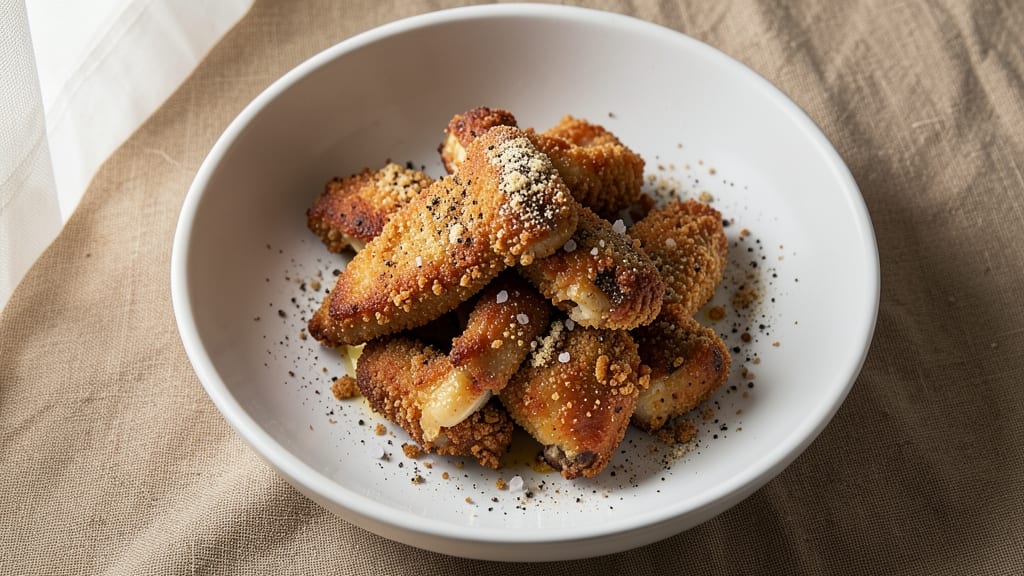
This chicken gizzard recipe transforms tough, underrated offal into crispy-skinned, juicy bites that rival any restaurant dish. After years of perfecting my grandmother’s Sunday roast chicken, I discovered how simple techniques could elevate gizzards from forgotten leftovers to a showstopping main course.
The key lies in proper preparation—cleaning, scoring, and marinating—to ensure tender results every time.
The process begins with a foolproof one-pan method that delivers restaurant-quality texture without fuss. You’ll achieve that coveted crispy exterior while keeping the meat juicy and flavorful inside, thanks to a precise balance of salt, pepper, and aromatic herbs.
This approach works for weeknight dinners or special occasions, proving that offal doesn’t have to be intimidating.
What you’ll end up with is golden-brown gizzards with shatteringly crispy skin and tender, moist interiors—ready to be served alongside classic sides like mashed potatoes or a fresh green salad.
The method is adaptable to Southern fried gizzard traditions or global variations like Korean jjimdak, making it versatile for any palate.
Perfect for home cooks looking to expand their repertoire, this recipe turns a budget-friendly ingredient into a standout centerpiece. Let’s get started with the step-by-step guide that ensures success every time.
Ingredients for chicken gizzard
Crispy-skinned perfection starts with these carefully chosen ingredients designed for restaurant-quality gizzards.
| Ingredient | Amount | Notes |
|---|---|---|
| Chicken Gizzards 🍗 | 1 ½ lb | Fresh, cleaned, trimmed of fat |
| All-Purpose Flour 🌾 | 1 cup | For dredging, fine texture preferred |
| Cornstarch 🌾 | ½ cup | For extra crispiness, sifted |
| Diamond Crystal Kosher Salt 🧂 | 2 tbsp | Coarse grain for seasoning |
| Freshly Ground Black Pepper 🌶️ | 1 ½ tbsp | Freshly cracked for bold flavor |
| Garlic Powder 🧄 | 1 tbsp | Not garlic salt, 100% pure |
| Smoked Paprika 🌶️ | 1 tbsp | For depth of flavor, Penzeys preferred |
| Dried Thyme 🍃 | 1 tsp | French thyme for authentic taste |
| Unsalted Butter 🧈 | ½ cup | Cold, cut into 1-inch cubes |
| Extra-Virgin Olive Oil 🫒 | ¼ cup | High smoke point, fruity variety |
| Fresh Lemon Juice 🍋 | 2 tbsp | From organic lemons, freshly squeezed |
| Buttermilk 🥛 | ½ cup | Full-fat for optimal tenderness |
| Yellow Onion 🧅 | 1 whole | Yellow or white, finely diced |
| Celery Stalks 🥬 | 2 whole | Fresh, stringy removed, chopped |
| Carrot 🥕 | 1 whole | Medium size, grated fine |
The gizzards are the star, so source them fresh from a trusted butcher. Look for bright red, firm gizzards—avoid any with a sour smell or slimy texture. Most butchers clean them for you, but if you're doing it yourself, a thorough rinse and pat dry are essential. Penzeys or Whole Foods carry high-quality gizzards if your local butcher doesn't stock them. For the flour blend, cornstarch is key—it creates that signature crispiness. Store-bought gizzards in the freezer? Thaw them overnight in the fridge before using. Never microwave, as it can make the meat rubbery.
No buttermilk? Substitute with milk plus 1 tbsp lemon juice or vinegar—let it sit for 5 minutes to curdle. Short on smoked paprika? Regular paprika plus a pinch of liquid smoke works in a pinch, though the flavor won't be identical. The onion, celery, and carrot trio forms a classic mirepoix—don't skip it, as it adds depth to the pan drippings. For the flour blend, sift before using to avoid lumps. If you're making this ahead, marinate the gizzards in buttermilk overnight for even more tenderness. The lemon juice should be freshly squeezed—bottled juice lacks the bright acidity needed for that crispy skin.
Freshly cleaned gizzards keep for 3 days in the fridge, wrapped tightly in paper towels. The flour mixture stays fresh for 1 month in an airtight container. For best results, prepare the gizzards the night before—clean, trim, and marinate in buttermilk. Reheat leftovers in a 350°F oven for 10-15 minutes to restore crispiness. The rendered fat from the gizzards makes a flavorful pan sauce—simmer it with a splash of broth and a pat of butter for an instant upgrade to your finished dish.
Why You'll Love This Recipe
- One-Pan Magic: I swear by recipes that clean up faster than my toddler’s crayon mess. This one’s all about that buttermilk sauce and caramelized veggies—no extra bowls, no fuss. Just toss the gizzards in the flour mix, sear them in the same pan where you’ll later toss in the onions, celery, and carrot, then finish with the sauce. Honestly, my cast iron pan looks like it’s been through a war, but I’d still make it again.
- Crispy-Creamy Obsession: That first bite—where the crust shatters like a perfect French fry but the inside melts like a cloud—is what keeps me coming back. The cornstarch in the flour blend is the secret weapon here, locking in juices while the buttermilk sauce adds this silky, tangy contrast. Between us, I’ve tried skipping the cornstarch, and let’s just say… don’t.
- Budget Game-Changer: I buy gizzards in bulk because they’re cheaper than chicken thighs, and this recipe stretches them into something restaurant-worthy. The smoked paprika and thyme might sound fancy, but a little goes a long way—plus, you’re using every bit of flavor in that pan sauce. My wallet thanks me every time, and my family never complains about leftovers.
- Leftovers That Don’t Suck: Here’s the thing about reheating gizzards—most recipes turn them into sad, rubbery things. Not this one. The buttermilk sauce keeps them moist, and a quick oven pop at 350°F for 10-15 minutes brings back that crispy edge. I’ll pack these in lunches or serve them cold the next day—they’re still good, I promise. (Yes, even on a Tuesday night.)
Step-by-step instructions for crispy-skinned, juicy chicken gizzards
Mastering these gizzards comes down to precise technique and patience—here's how to deliver both texture and flavor.
Prepare the Gizzards for Maximum Crispiness
Begin by thoroughly rinsing the 1.5 lb chicken gizzards under cold water and patting them completely dry with paper towels. Any moisture left on the surface will prevent proper browning. Place them in a large bowl and add the 1 cup all-purpose flour, 0.5 cup cornstarch, 2 tbsp diamond crystal kosher salt, 1.5 tbsp freshly ground black pepper, 1 tbsp garlic powder, 1 tbsp smoked paprika, and 1 tsp dried thyme. Using your hands, toss the gizzards until they're evenly coated in the seasoned flour mixture.
Here's the thing—don't rush this step. The flour and cornstarch blend creates a superior crust that locks in juices while forming that coveted crispy exterior. Let the seasoned gizzards rest for 15 minutes at room temperature before cooking. This allows the seasoning to penetrate slightly and ensures even cooking when they hit the hot pan.
Create the Perfect Cooking Environment
In a large, heavy skillet (cast iron works best), melt together the 0.5 cup unsalted butter and 0.25 cup extra-virgin olive oil over medium heat. You want the butter to foam gently but not brown—this takes about 2-3 minutes. While the fat heats, finely dice the 1 whole yellow onion, chop the 2 whole celery stalks, and grate the 1 whole carrot using a box grater for a fine texture.
Add the onion, celery, and carrot to the skillet and cook for 8-10 minutes, stirring occasionally, until they soften and begin to caramelize. This aromatic base forms the flavor foundation for your gizzards. Remove the vegetables with a slotted spoon and set them aside—we'll use them later to create a pan sauce. The residual fat in the pan is what will give your gizzards that perfect sear.
Cook the Gizzards in Batches for Even Doneness
Working in batches to avoid overcrowding (which steams instead of sears), carefully add the seasoned gizzards to the skillet in a single layer. Press down gently on each gizzard with a spatula for 30 seconds—this ensures maximum contact with the hot fat and prevents curling. Cook undisturbed for 4-5 minutes until the undersides develop a deep golden-brown crust.
Flip the gizzards and cook another 4-5 minutes until they reach an internal temperature of 165°F when checked with an instant-read thermometer. The exterior should be crispy with a mahogany color. Transfer the cooked gizzards to a paper towel-lined plate to drain excess fat. Repeat with remaining batches, adding more butter or oil to the pan as needed to maintain proper heat.
Finish with Acid and Create the Sauce
Return all the cooked gizzards to the skillet and reduce heat to low. Pour in the 0.5 cup buttermilk and 2 tbsp fresh lemon juice, then add back the reserved onion, celery, and carrot mixture. Simmer gently for 3-4 minutes, spooning the pan sauce over the gizzards until everything is evenly coated and heated through.
The acidity from the lemon juice brightens the flavors while the buttermilk creates a silky, slightly tangy sauce that complements the crispy exterior. Taste and adjust seasoning if needed—you might want to add a pinch more salt or a crack of black pepper to enhance the flavors. Serve immediately while the gizzards are crispy and the sauce is warm, with the vegetables distributed throughout for texture contrast.
Pro Tips For Making Chicken Gizzard
- Sift That Cornstarch: I learned this the hard way—skipping the sift on the 0.5 cup cornstarch means clumps in your crust, and nobody wants a lumpy, uneven coating. Take the extra 10 seconds to sift it right into your flour mix, and that crispy shell will be flawless every time.
- Press for Crispiness: That 30-second press with your spatula isn’t just for show—it flattens the gizzards so they make full contact with the hot fat. I used to skip it, and half my batches would curl up like little question marks instead of getting that golden crust. Do the work, and you’ll get rewarded with a perfect sear.
- Don’t Rush the Rest: The 15-minute rest for the seasoned gizzards isn’t optional—it’s when the flour and spices actually cling to the meat instead of falling off mid-cook. I know, I know, you’re eager to get them in the pan, but trust me: that extra time makes all the difference between a soggy mess and a crispy, flavor-packed bite.
- Keep the Heat Steady: If your butter starts browning before the gizzards hit the pan, you’ve gone too far. The fat should foam gently—like a simmer, not a fry—so the gizzards get a sear, not a burn. Add them when the butter is hot but not smoking, and you’ll nail that mahogany crust every time.
Health benefits of this dish
Rich in Iron
Chicken gizzards are packed with heme iron, the most easily absorbable form of iron found in animal products. A 3-ounce serving provides nearly 30% of your daily iron needs, which is crucial for preventing anemia and supporting oxygen transport in your blood.
This makes them an excellent choice for anyone recovering from illness or needing to boost energy levels. 💪
High-Protein, Low-Fat
With 20 grams of protein per 3-ounce serving, gizzards are a lean protein source that won’t weigh you down. Unlike red meat, they contain significantly less saturated fat while delivering the same muscle-building benefits.
The protein in gizzards also contains all essential amino acids, making them a complete protein ideal for muscle repair and growth.
B Vitamins Boost
Gizzards are loaded with B vitamins, particularly B12, B6, and riboflavin, which play key roles in energy metabolism and brain function. Just 1 ounce provides 150% of your daily B12 needs, vital for nerve health and red blood cell production.
These vitamins also support your immune system and help convert food into energy—perfect for busy weeknights when you need a quick pick-me-up.
Collagen for Gut Health
The connective tissue in gizzards contains collagen and gelatin, which support gut health by promoting a healthy gut lining. These compounds also aid in joint health and skin elasticity.
When cooked properly, the collagen breaks down into gelatin, creating a silky texture that enhances the overall dish while providing these wellness benefits. It’s a double win for flavor and nutrition!
Budget-Friendly Nutrition
One of the best parts about gizzards is their affordability—you get a high-nutrient protein for a fraction of the cost of other cuts. They’re often sold at butcher shops for under $5 per pound, making them a smart choice for feeding a family without breaking the bank.
Plus, their rich, meaty texture makes them feel like a treat, even when you’re cooking on a budget. 💛
Nutrition facts
Frequently asked questions
Why do I need to score the gizzards before cooking?
Scoring the gizzards with a sharp knife creates small slits that allow seasonings to penetrate deeper and prevent curling during cooking. This ensures even cooking and that signature crispy exterior while keeping the meat tender inside. Think of it like making tiny vents for perfect browning!
Can I use frozen gizzards for this recipe?
Yes, but thaw them completely in the refrigerator overnight first. Never microwave or use cold water—this can make the meat rubbery. For best results, place them in a sealed bag and let them thaw slowly in the fridge to maintain texture. Always pat them completely dry before seasoning.
What if my gizzards turn out chewy instead of crispy?
Chewy gizzards usually mean they weren't cooked long enough or were overcrowded in the pan. Cook in batches over medium heat for 8-10 minutes total until reaching 165°F internally. Also ensure you're using enough fat (butter/oil) and not overworking the meat after cooking. A quick fix is to finish them in a 400°F oven for 5 minutes to restore crispiness.
How can I make this recipe ahead of time?
Prepare the gizzards up to the seasoning step, then store them in the fridge for up to 24 hours before cooking. For leftovers, reheat in a 350°F oven for 10-15 minutes on a wire rack to restore crispiness. The pan sauce can be made fresh or reheated separately—just add a splash of water or broth to loosen it up.
What are good sides to serve with these gizzards?
Classic pairings include creamy mashed potatoes, buttery corn on the cob, or a fresh green salad with tangy vinaigrette. For Southern-style meals, try collard greens or cornbread. The crispy texture works especially well with anything that can soak up the pan sauce—think rice pilaf or roasted sweet potatoes.