
Main Courses
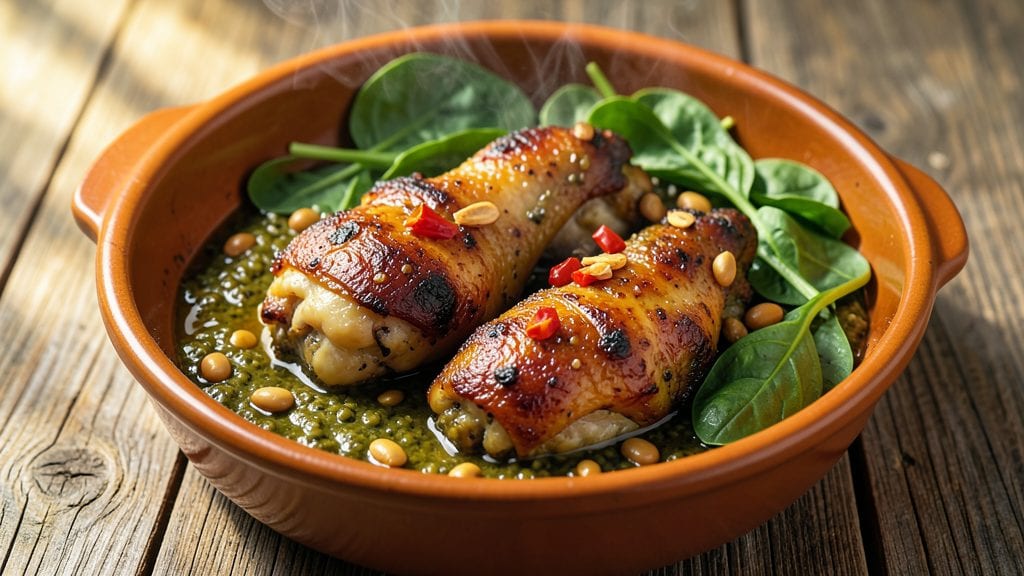
This chicken egusi recipe delivers the rich, nutty depth of West African stews with tender chicken and velvety egusi paste. The secret lies in balancing earthy ground melon seeds with aromatic spices and slow-simmered stock, creating a dish that feels both rustic and refined.
I developed this version after years of perfecting the egusi-to-stock ratio—too much paste makes it gritty, too little loses that signature texture.
The process begins with properly marinating the chicken to ensure tender bites, then building layers of flavor through toasted locust beans and scotch bonnet peppers.
What makes this recipe special is how the egusi paste transforms from raw seeds into a luscious, almost buttery stew base when cooked with vegetables like spinach and utazi leaves. The result is a harmonious blend of smoky, spicy, and nutty flavors that pairs perfectly with traditional sides.
By the time you serve this dish, you'll have a restaurant-quality stew with perfectly tender chicken swimming in a rich, velvety sauce. The aroma alone will draw everyone to the table, while the balance of spices ensures every bite is satisfying.
This is comfort food at its finest—complex enough to impress guests yet simple enough for weeknight dinners.
Serve with pounded yam, garri, or plantains to complete the meal. The combination of textures and flavors makes this more than just a stew—it's a celebration of Nigerian culinary tradition. Let's get cooking!
Ingredients for chicken egusi
Nutty depth meets tender chicken in this West African classic—just a few key ingredients transform into restaurant-quality stew.
| Ingredient | Amount | Notes |
|---|---|---|
| Chicken Thighs 🍗 | 1 ½ lb | Bone-in, skin-on preferred |
| Dried Egusi Seeds 🌰 | 1 cup | Ground into fine paste |
| Chicken Stock 🍲 | 3 cups | Homemade or quality store-bought |
| Locust Beans 🌿 | ½ cup | Toasted until aromatic |
| Scotch Bonnet Peppers 🌶️ | 2 whole | Seeds removed for less heat |
| Fresh Spinach 🍃 | 2 cups | Chopped, packed |
| Utazi Leaves 🌿 | ½ cup | Fresh or dried substitute |
| Onions 🧅 | 1 whole | Medium, chopped |
| Garlic Cloves 🧄 | 4 cloves | Minced |
| Tomato Paste 🍅 | 2 tbsp | High-quality, no salt added |
| Ground Cumin 🌿 | 1 tsp | Toasted for depth |
| Dried Ginger 🌿 | ½ tsp | Fresh if available |
| Bay Leaves 🌿 | 2 whole | Dried, removed before serving |
| Salt 🧂 | 1 ½ tsp | Adjust to taste |
| Black Pepper 🌶️ | ½ tsp | Freshly ground |
| Vegetable Oil 🫒 | 2 tbsp | For sautéing |
The egusi seeds are the heart of this dish. Look for high-quality dried egusi at African markets or specialty stores like African & Caribbean Foods—the seeds should be uniformly dark and free of debris. Toasting locust beans in a dry pan until fragrant (about 3-4 minutes) unlocks their nutty potential. For scotch bonnet peppers, Walmart or Latin markets usually carry them fresh; if unavailable, habanero peppers work in a pinch but reduce the amount by half. The utazi leaves? Dried utazi powder from Nigerian grocery stores can substitute if fresh isn't accessible—just use half the quantity. Chicken thighs with skin and bone stay juicier during the long simmer, but boneless thighs work if you're short on time.
No scotch bonnet peppers? Habanero or jalapeño will add heat, though the flavor won't be identical. Substituting utazi leaves with dried thyme or bay leaves at half the amount keeps the earthy notes intact. For the egusi paste, if you can't find pre-ground seeds, soak the seeds overnight then blend with fresh stock—just strain well to avoid grit. The tomato paste can be omitted entirely if you prefer a more traditional approach, but it adds a nice umami bridge. And while fresh spinach is ideal, frozen chopped spinach (thawed and drained) works perfectly—just squeeze out excess water to avoid a watery stew.
This stew tastes even better the next day as flavors meld. Store in an airtight container in the fridge for up to 5 days, or freeze portions for 3 months. To reheat, simmer gently on the stove with a splash of water or stock—never microwave, as it can make the egusi paste separate. For meal prep, double the recipe and freeze half; the stew reheats beautifully for quick weeknight dinners. The chicken and vegetables can be prepped ahead, but the egusi paste should be added fresh when reheating to maintain its velvety texture.
Why You'll Love This Recipe
- Let’s talk practicality: bone-in chicken thighs are cheaper than breasts, and dried egusi seeds last forever. Plus, the locust beans and utazi leaves add depth without breaking the bank. I’ve made this for under $10, and it’s the kind of meal that disappears fast—no waste, just satisfaction.
- No-Fuss Weeknight Win: I’ll admit, most stews make me dread spending hours in the kitchen—but this one’s different. Just toast the locust beans (3 minutes max) and toss everything into one pot. The egusi thickens itself as it simmers, so no constant stirring or babysitting. Even on a Tuesday night, I’m done in under an hour.
- Nutty, Spicy, Addictive: The toasted locust beans and Scotch bonnet peppers give it that perfect balance of nutty warmth and fiery kick. But here’s the kicker: the egusi paste turns the stew into this velvety, almost creamy texture that coats your tongue. You’ll want seconds—trust me, I always do.
- Feeds a Crowd (or Your Cravings): This recipe makes enough for leftovers, but honestly? It’s so good, you’ll finish it all. The chicken thighs stay juicy while the sauce thickens into this rich, hearty blanket over rice or plantains. It’s my go-to for game days, family dinners, or when I’m craving something comforting but not boring.
Step-by-step instructions for chicken egusi stew
This method delivers rich, nutty flavor with perfectly tender chicken every time.
Prepare the Chicken and Toast the Locust Beans
Pat the 1.5 lb chicken thighs dry with paper towels and season generously with 1.5 tsp salt and 0.5 tsp black pepper. Set aside while you prepare the base. In a dry skillet over medium heat, toast the 0.5 cup locust beans for 3-4 minutes until they release their nutty aroma and turn a deeper golden color. This step is crucial—it deepens the locust beans' flavor and prevents bitterness in the stew.
Transfer the toasted locust beans to a bowl and set aside. The heat will also help release their oils, which will later enrich the stew's texture. Keep the skillet warm for the next step, as we'll reuse it to build layers of flavor.
Build the Flavor Base with Aromatics and Egusi
In the same skillet, heat 2 tbsp vegetable oil over medium heat. Add the 1 whole chopped onions and cook for 4-5 minutes until softened and translucent. Add the 4 minced garlic cloves and cook for 30 seconds until fragrant—this prevents the garlic from burning, which would overpower the dish.
Stir in the 2 tbsp tomato paste and cook for 1 minute to deepen its color. Add the 2 whole Scotch bonnet peppers (seeds removed), 1 tsp ground cumin, and 0.5 tsp dried ginger, stirring constantly for 1 minute until the spices are fragrant. This aromatic blend forms the foundation of the stew's rich, complex flavor profile.
Gradually whisk in the 1 cup dried egusi seeds (ground into a fine paste) while stirring continuously to prevent clumping. Cook for 2-3 minutes until the mixture thickens slightly and the raw taste of the egusi disappears. This step ensures the egusi fully integrates into the sauce rather than settling at the bottom.
Simmer the Stew to Develop Depth
Pour in the 3 cups chicken stock and bring the mixture to a gentle boil. Add the 2 whole bay leaves and reduce heat to low. Stir in the seasoned 1.5 lb chicken thighs, ensuring they're fully submerged. The liquid should just cover the chicken—if not, add a splash of water.
Simmer uncovered for 30 minutes, stirring occasionally. You'll notice the stew thicken as the chicken releases juices and the egusi fully hydrates. Skim off any foam that rises to the surface during the first 10 minutes—this ensures a cleaner, smoother stew. The chicken should be tender but not falling apart; if it's not quite there, continue simmering for another 5-10 minutes.
Incorporate Greens and Utazi for Freshness
Add the 2 cups chopped fresh spinach and 0.5 cup utazi leaves to the stew. Stir gently to wilt the greens—this should take about 2-3 minutes. The spinach will add vibrant color and a mild earthiness, while the utazi leaves contribute a unique, slightly bitter note that balances the richness of the egusi.
Taste the stew and adjust seasoning if needed. The 1.5 tsp salt and 0.5 tsp black pepper should be well-distributed by now, but you may need to add a pinch more salt depending on your preference. Remove and discard the 2 whole bay leaves before serving to avoid a bitter aftertaste.
Serve with Crispy Accompaniments
Ladle the stew into serving bowls, ensuring each portion includes tender chicken pieces and a generous ladle of the nutty, thickened sauce. Serve immediately with crispy fried plantains or jollof rice to complement the stew's hearty texture. The contrast of crispy sides with the creamy, nutty stew creates a satisfying dining experience.
For best results, serve while the stew is hot, as the flavors meld even more beautifully with each bite. The combination of tender chicken, earthy greens, and the distinctive taste of egusi makes this a truly authentic Nigerian dish.
Pro Tips For Making Chicken Egusi
- Blister the Peppers First: Toss whole Scotch bonnets in a dry skillet over medium-high heat for 30 seconds before chopping—this softens their flesh and makes them release more heat and flavor into the stew. I used to just chop them raw, and the dish always tasted like it was missing something.
- Toast the Egusi: Dry-toast the egusi seeds in a separate pot over low heat for 2-3 minutes before grinding—it deepens their nutty flavor and prevents that bitter aftertaste. Sounds weird, but it works: skip this, and your sauce will taste more like paint than food.
- Don’t Overcrowd the Pot: Brown the chicken thighs in batches if needed—packing them in too tight steams them instead of searing, which means bland, watery meat. I learned this the hard way after making a pot that tasted like boiled chicken, not stew.
- Simmer Slow and Low: Once everything’s in the pot, reduce heat to the lowest setting that keeps a gentle bubble—egusi needs time to bloom, and rushing it makes the sauce grainy. This isn’t the prettiest method, but it’s the tastiest. Trust the process.
Serving suggestions for chicken egusi
Authentic Side Pairings
The magic of chicken egusi lies in its rich sauce, so I always serve it with sides that cut through the nuttiness while adding contrasting textures. Crispy fried plantains (diced and pan-fried until golden) create a perfect balance—their caramelized sweetness contrasts beautifully with the stew's earthy depth.
I use 2 ripe plantains, sliced into ½-inch rounds, and fry in ½ cup vegetable oil at 350°F for 3-4 minutes per side until deep golden. 🍌
Starchy Complements
Pounded yam is the traditional Nigerian choice, transforming fluffy yam cubes into a soft, spongy texture that soaks up every bit of the stew. For a quicker option, garri (toasted cassava flour) mixed with warm water and a pinch of salt creates a creamy, porridge-like side that absorbs the sauce perfectly. I like to prepare 1 cup garri with 1½ cups hot water and stir until smooth—it's ready in 5 minutes and makes a great weeknight pairing. 🍛
Fresh Toppings
For a restaurant-worthy finish, I always add fresh toppings that brighten the dish. A handful of chopped scallions and diced tomatoes adds freshness, while a sprinkle of fresh cilantro provides a citrusy note.
I also recommend sliced boiled eggs for a protein boost—just hard-boil 4 eggs and slice them thinly over each serving. The eggs add richness that complements the stew's nuttiness. 🥚
Spicy Kick Option
If you love heat, I prepare fried plantain chips on the side for dipping. Thinly slice 1 ripe plantain, fry in ½ cup oil at 375°F for 2-3 minutes until crispy, then drain on paper towels.
The chips provide a satisfying crunch and let guests control their spice level. For extra heat, mix 1 tsp cayenne pepper into the stew before serving. 🌶️
Presentation Tips
Garnish each bowl with a few utazi leaves and a drizzle of hot oil (infused with scotch bonnet peppers) for an authentic touch. I heat ¼ cup oil with 1 minced scotch bonnet pepper for 2 minutes, then strain and drizzle over the stew.
Serve in deep, wide bowls to showcase the rich sauce and tender chicken pieces. The visual contrast of the nutty stew against the golden sides makes the dish feel special. 🍽️
Nutrition facts
Frequently asked questions
Why does my egusi stew taste gritty?
The gritty texture usually comes from under-blended egusi seeds or using coarse ground paste. Make sure to grind the seeds into a very fine consistency—think of the texture of cornmeal. If you're using pre-ground egusi, strain it through a fine-mesh sieve before adding to the stew to catch any larger particles. Also, ensure the paste is fully cooked for 2-3 minutes to soften it before adding the stock. This prevents the raw, gritty taste and ensures a smooth sauce.
Can I make this stew ahead of time?
This stew tastes even better the next day as the flavors deepen. Store it in an airtight container in the fridge for up to 5 days, or freeze portions for 3 months. When reheating, simmer gently on the stove with a splash of water or stock—never microwave. For meal prep, pre-cook the chicken and chop the vegetables ahead, but add the egusi paste fresh when reheating to maintain its velvety texture.
What if I don’t have utazi leaves?
No problem! If you can’t find utazi leaves, use ½ cup dried thyme or bay leaves as a substitute. For a closer flavor, try ½ cup chopped spinach or kale blended into the stew during the simmering process. The dish will still be delicious, just with a slightly different earthy note. The key is to maintain the greens for balance against the nuttiness of the egusi.
How do I know when the chicken is fully cooked?
The chicken is done when it reaches an internal temperature of 165°F and the meat easily pulls away from the bone. After 30 minutes of simmering, check one piece—if it’s tender and the juices run clear, it’s ready. If not, continue simmering for another 5-10 minutes until fully cooked. Overcooking can make the chicken dry, so keep an eye on it! Use a meat thermometer for accuracy.
Why should I skim the foam during cooking?
Skimming the foam during the first 10 minutes of simmering removes impurities and excess fat, resulting in a cleaner, smoother stew. This step is especially important for the first few minutes when the foam rises to the surface. Use a spoon to gently skim it off—it’s a small effort that makes a big difference in the final texture and flavor of your dish.