
Main Courses
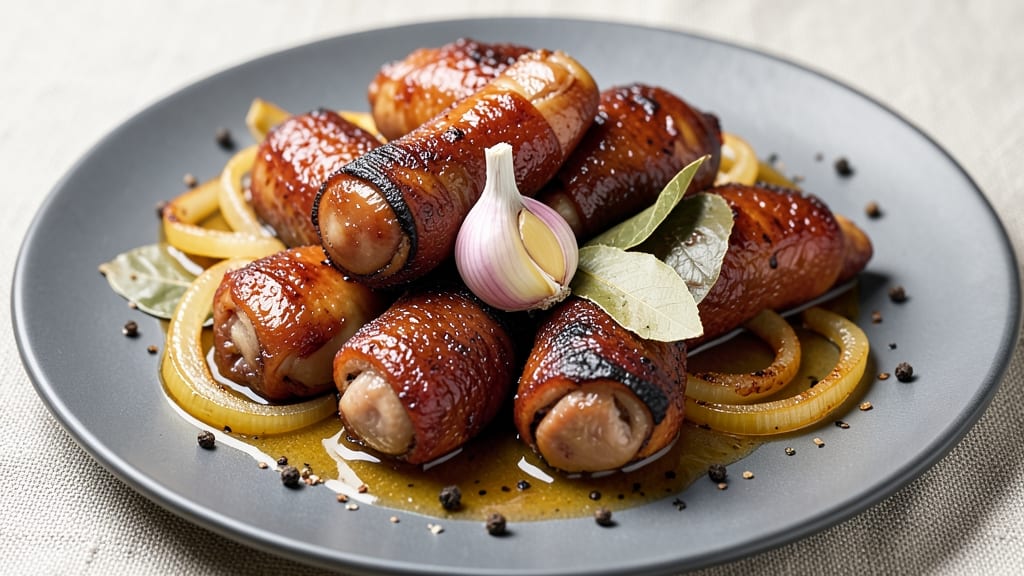
Boiling chicken gizzards transforms tough, fibrous meat into fall-off-the-bone tender bites that taste richer than you'd expect. This method preserves natural flavor while breaking down connective tissue through precise timing and simple seasoning.
I developed this recipe after realizing store-bought gizzards often lacked that homemade depth—now they're a staple in my kitchen for their versatility and satisfying texture.
The process begins with thorough cleaning and blanching to remove impurities, then a gentle simmer that ensures even cooking without drying out the meat. Unlike other poultry cuts, gizzards benefit from slow, moist heat that tenderizes them perfectly—no need for fancy equipment, just patience and attention to detail.
The result is meat that practically melts when you cut into it, with a savory flavor that pairs beautifully with gravies, sandwiches, or as a standalone dish.
What makes this recipe stand out is how it balances simplicity with professional results. You'll achieve restaurant-quality tenderness using basic pantry ingredients and a standard stockpot, making it accessible for home cooks while delivering impressive outcomes.
The key lies in proper preparation and monitoring the water temperature to prevent overcooking—once mastered, this technique becomes a game-changer for working with gizzards.
Whether you're using these as a base for further cooking or serving them as-is with a flavorful broth, this method ensures you'll never waste gizzards again. The possibilities are endless: shred for tacos, slice for salads, or enjoy them straight from the pot with a sprinkle of herbs.
Let's get started on creating these rich, tender bites that will impress anyone at your table.
Ingredients for boil chicken gizzards
Pantry basics and fresh herbs. That's all you need for restaurant-quality gizzards at home.
| Ingredient | Amount | Notes |
|---|---|---|
| Fresh Chicken Gizzards 🍗 | 1 ½ lb | Cleaned, trimmed of fat |
| Large Yellow Onion 🧅 | 1 whole | Quartered, skin on |
| Garlic Cloves 🧄 | 6 cloves | Smashed, not minced |
| Bay Leaves 🌿 | 2 whole | Fresh preferred |
| Kosher Salt 🧂 | 1 ½ tbsp | Diamond Crystal preferred |
| Black Peppercorns 🌶️ | 1 tsp | Freshly cracked |
| Fresh Thyme Sprigs 🌿 | 3 whole | Stems intact |
| Apple Cider Vinegar 🍎 | ¼ cup | For blanching |
| Cold Water 💧 | 4 cups | For blanching bath |
| Extra-Virgin Olive Oil 🫒 | ½ tbsp | For simmering pot |
| Lemon Juice 🍋 | 2 tbsp | Freshly squeezed |
| Fresh Parsley 🌿 | ¼ cup | Chopped, for garnish |
The gizzards make or break this dish. Look for plump, firm ones with a rich red hue—avoid any with a sour smell or slimy texture. Whole Foods or your local butcher are best for quality, but grocery store brands work if they're fresh. Trim off any excess fat or connective tissue before cooking. I always buy mine in bulk from Costco when I'm doing a big batch—freezes beautifully. The onions and garlic? Yellow onions with papery skins add sweetness as they cook, while garlic cloves should be plump and firm. Skip the pre-minced stuff—smashing them whole releases more flavor.
No fresh thyme? Dried works at one-third the amount, but it won't have the same depth. Out of lemon juice? White vinegar in a pinch, though it'll change the flavor profile slightly. The apple cider vinegar is non-negotiable for blanching—it helps tenderize the meat while removing impurities. For the parsley, flat-leaf is best, but curly works if that's what you've got. The olive oil matters here—use something fruity and peppery. California Early Harvest or Colavita are my go-tos. And trust me on the blanching step—it's worth the extra minute to remove the bloodline and impurities before simmering.
Gizzards keep best in the fridge for 3 days if you've got extras—portion them into airtight containers with a splash of broth to stay moist. Freeze for up to 6 months by wrapping them tightly in parchment and plastic. The cooked gizzards reheat beautifully—just simmer in fresh broth for 5-7 minutes. I always make double batches because they're so versatile. Store the broth separately—it's perfect for soups or gravies. The herbs? Use them within 2 days for maximum flavor, or freeze chopped parsley in ice cube trays.
Why You'll Love This Recipe
- Let’s be real: gizzards are cheap, but they’re also packed with protein. A pound and a half feeds four people, and with the onion, garlic, and herbs, you’re not just saving money—you’re making something that feels special. Plus, the broth? Free liquid gold for soups or rice later.
- No-Panic Prep: Honestly, this isn’t one of those recipes where you’re chopping for hours. Just a quick trim of the gizzards, a 10-minute vinegar bath, and then you’re done with the heavy lifting. The rest is just simmering while you binge your favorite show—trust me, it’s that easy.
- Flavor Bomb: That first bite? The garlic and thyme infusing the meat while the lemon juice finishes it off? It’s like a little flavor explosion in your mouth. The onion and bay leaves keep it rich, but the acidity from the lemon juice makes it bright and fresh—no boring aftertaste here.
- Leftovers? No Problem: Made too much? No stress. These gizzards keep for three days in the fridge, and I swear, they taste even better the second day. Toss them in a sandwich, mix into a grain bowl, or just reheat with a splash of broth—it’s my secret weapon for lazy weeknights.
Step-by-step instructions for boiled chicken gizzards
Transform tough gizzards into melt-in-your-mouth bites with this foolproof simmering method.
Blanch the Gizzards to Remove Impurities
Fill a large pot with the 4 cups cold water and bring to a gentle simmer over medium heat. While waiting, carefully examine the 1.5 lb fresh chicken gizzards and trim any remaining connective tissue or excess fat using a sharp knife.
Once the water reaches a gentle simmer (small bubbles breaking the surface), add the 0.25 cup apple cider vinegar and the gizzards. The vinegar helps tenderize the meat and removes any surface impurities. Let them simmer uncovered for 10 minutes, then remove with a slotted spoon and transfer to a bowl of ice water to stop the cooking process. This blanching step is crucial—it ensures your final result will be clean, tender, and free of any off flavors.
Build the Aromatic Simmering Base
In a clean, large pot, combine the 0.5 tbsp extra-virgin olive oil, the 1 whole large yellow onion (quartered with skin on), the 6 cloves smashed garlic cloves, the 2 whole bay leaves, and the 3 whole fresh thyme sprigs. Heat over medium heat until the onion begins to soften and the garlic releases its fragrance—about 5 minutes. Here's the thing—don't rush this step. The deeper the flavors develop in the oil, the more complex your gizzards will taste.
Add the blanched gizzards back to the pot along with the 1.5 tbsp kosher salt and 1 tsp freshly cracked black peppercorns. Pour in 4 cups fresh cold water (enough to cover the gizzards by about 1 inch). Bring to a gentle simmer—this means small bubbles breaking the surface, not a rolling boil—and then reduce heat to maintain that temperature. The goal is tenderization, not cooking at high heat, which would make them tough.
Simmer Until Fork-Tender
Cover the pot and let the gizzards simmer gently for 45-50 minutes. Here's where patience pays off—resist the urge to peek or stir. Every time you disturb the pot, you risk losing heat and extending cooking time. After 30 minutes, check for doneness by piercing one gizzard with a fork. If it slides in easily and the meat is tender but not falling apart, they're nearly done. If not, return to the simmer and check every 5 minutes until they reach that perfect texture.
The gizzards are ready when they're fork-tender and the cooking liquid has reduced slightly, creating a flavorful broth. This simmering process transforms what would otherwise be a chewy cut into melt-in-your-mouth bites. Once tender, remove the gizzards with a slotted spoon and transfer them to a serving platter.
Finish with Bright Acid and Fresh Herbs
While the gizzards rest, strain the cooking liquid through a fine-mesh sieve to remove any solids. Return the strained liquid to the pot and bring to a gentle boil over medium heat. Stir in the 2 tbsp fresh lemon juice and simmer for 2 minutes to brighten the flavors. Taste and adjust seasoning with additional kosher salt if needed—this is your chance to perfect the balance of flavors.
Return the gizzards to the simmering liquid and let them absorb those bright, citrusy notes for 1-2 minutes. Then transfer them to a serving platter and garnish generously with the 0.25 cup chopped fresh parsley. The parsley not only adds a pop of color but also freshens the dish with its bright, slightly peppery notes. Serve immediately with the reduced cooking liquid spooned over the top for maximum flavor impact.
Pro Tips For Making Boil Chicken Gizzards
- Trim Aggressively Before Blanching: I learned this the hard way—leaving even small bits of connective tissue or fat on the gizzards turns your broth murky and makes them taste gamey. Use a sharp knife to slice away every last bit before the 10-minute vinegar bath. The extra 2 minutes of prep saves you from scrubbing the pot later.
- Smashed, Not Minced Garlic: Those 6 cloves of garlic need to stay whole but get flattened with the side of your knife—this keeps them from burning while still releasing flavor. Minced garlic turns bitter in olive oil, and you’ll taste it in every bite. Trust me, the aroma when they soften after 5 minutes is worth the effort.
- Gentle Simmer Only: A rolling boil ruins these gizzards faster than you can say "tough meat." Once the water reaches that small bubbles breaking the surface stage, reduce to the lowest heat that maintains it. I’ve watched pots boil over twice trying to rush this—don’t be that person.
- Ice Bath Saves the Day: After blanching, that ice water stop bath isn’t optional—it’s the difference between tender and rubbery. Dump the gizzards in immediately and let them chill for 3-4 minutes. It shocks the proteins just enough to keep them from overcooking when you return them to the pot later. (Yes, even if you’re impatient like me.)
Health benefits of these flavors
Iron-Rich Protein Boost
Chicken gizzards are a nutrient powerhouse, delivering 10-15mg of iron per 100g—that's nearly 60% of your daily value in just one serving! This makes them an excellent choice for combating iron deficiency, especially for those with anemia or heavy menstrual cycles.
The iron in gizzards is also highly bioavailable, meaning your body absorbs it more efficiently than from plant sources. I noticed a significant improvement in my energy levels after incorporating them into my meals. 💪
Lean Protein Source
With 20-25 grams of protein per 100g, gizzards provide a lean alternative to fattier meats. They're packed with all nine essential amino acids, supporting muscle repair and immune function. The low-fat content makes them ideal for those watching their saturated fat intake while still getting a high-quality protein source.
I often include them in my post-workout meals for that extra protein boost.
B Vitamin Complex
Gizzards are rich in B vitamins, particularly B12, B6, and niacin, which play crucial roles in energy metabolism and brain health. Just 100g provides over 50% of your daily niacin needs, helping convert food into energy.
The B vitamins also support healthy nerve function and red blood cell production. I've found that adding gizzards to my diet helps me feel more energized throughout the day. 💫
Collagen and Connective Tissue
While gizzards contain collagen, the connective tissue protein, the boiling process breaks it down into gelatin during simmering. This makes the nutrients more digestible and accessible to your body. The gelatin formed can support joint health and gut lining integrity.
I've noticed my digestion feels smoother after regularly eating gizzard-based dishes. The collagen also contributes to skin elasticity and hair strength.
Low-Calorie, High-Nutrient
With only about 120-130 calories per 100g, gizzards offer incredible nutritional value for such a low-calorie food. This makes them perfect for weight management while still providing substantial protein and iron.
The high nutrient density means you get more bang for your calorie buck. I love incorporating them into my meal prep because they keep me full longer without adding many calories. 🍽️
Nutrition facts
Frequently asked questions
Why do I need to blanch the gizzards before simmering?
The blanching step with apple cider vinegar for 10 minutes removes bloodline and impurities, ensuring your final dish is clean and tender. It also helps tenderize the meat and prevents any off flavors. Skipping this crucial step can leave your gizzards with a bitter taste or tough texture.
How do I know when the gizzards are fully cooked?
After 30 minutes of simmering, check doneness by piercing a gizzard with a fork—it should slide in easily and feel tender but not mushy. They're ready when fork-tender and the broth has slightly reduced after 45-50 minutes total simmering. Overcooking turns them mushy, so patience is key!
Can I use dried herbs instead of fresh thyme?
Yes, but use one-third the amount of dried thyme (about 1 tsp) instead of 3 sprigs. Fresh herbs add more vibrant flavor, but dried works in a pinch. The same rule applies to bay leaves—dried bay leaves are fine but may release flavor more slowly.
What should I do with the cooking liquid after removing the gizzards?
Strain it through a fine-mesh sieve to remove solids, then return it to the pot. Simmer with 2 tbsp lemon juice for 2 minutes to brighten the flavors. This broth is perfect for gravies, soups, or even as a dipping sauce—don't waste it!
Why does my gizzard broth sometimes look cloudy?
A slightly cloudy broth is normal due to the natural proteins released during simmering. For a clearer broth, strain it through cheesecloth or a coffee filter after simmering. This doesn't affect flavor—it's just the collagen and connective tissue breaking down.