
Main Courses
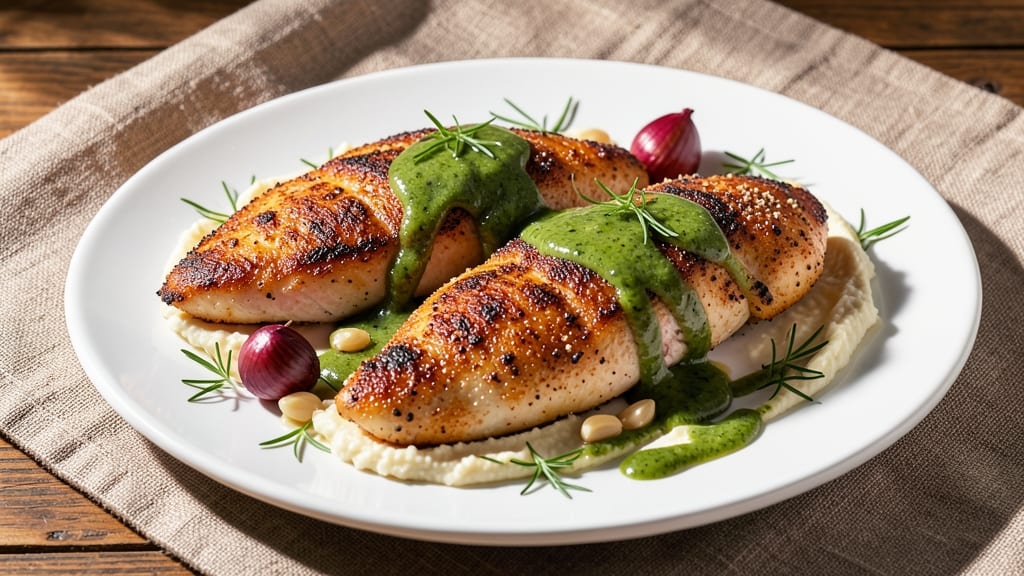
This baked tarragon chicken recipe transforms simple chicken breasts into a fragrant, herb-infused masterpiece with golden, crisp edges and juicy centers—all while keeping prep under 20 minutes. The secret lies in tarragon’s delicate anise-like flavor, balanced by butter and aromatics that infuse the meat during baking.
I’ve perfected this technique to ensure tender results without drying out, making it ideal for weeknight dinners or special occasions.
Fresh tarragon is the star here, but don’t skip the butter—it creates a flavorful crust while keeping the chicken moist. Aromatics like garlic and shallots add depth, while a light coating of flour helps achieve that crispy exterior without frying.
The dish bakes at 400°F for 20-25 minutes, ensuring even cooking and maximum flavor absorption. Resting the chicken for 5 minutes after baking locks in juices, guaranteeing every bite is tender.
Pair this dish with roasted vegetables, mashed potatoes, or a crisp salad to round out the meal. The tarragon’s subtle licorice notes complement the richness of the chicken beautifully, creating a restaurant-quality experience at home.
Whether you’re serving a crowd or treating yourself to a special dinner, this recipe delivers restaurant-quality results with minimal effort.
The beauty of this method is its versatility—use bone-in thighs for extra flavor or swap tarragon for thyme if needed. The technique remains the same, ensuring foolproof success every time. Ready to elevate your weeknight dinners? Let’s get started!
Ingredients for baked tarragon chicken
These eleven ingredients create a restaurant-quality tarragon chicken with crisp edges and juicy centers.
| Ingredient | Amount | Notes |
|---|---|---|
| Boneless, Skinless Chicken Breasts 🍗 | 1 ½ lb | Pounded to even thickness |
| Unsalted Butter 🧈 | ½ cup | Cold, cut into pieces |
| Fresh Tarragon 🌿 | ¼ cup | Finely chopped, stems removed |
| All-Purpose Flour 🌾 | ¼ cup | For coating chicken |
| Garlic Cloves 🧄 | 4 cloves | Minced for aromatics |
| Shallots 🧅 | 2 whole | Finely minced |
| Fresh Lemon Juice 🍋 | 2 tbsp | From 1 small lemon |
| Diamond Crystal Kosher Salt 🧂 | 1 tsp | For seasoning |
| Freshly Ground Black Pepper 🌶️ | ½ tsp | For seasoning |
| Extra-Virgin Olive Oil 🫒 | 1 tbsp | For drizzling |
| Fresh Parsley 🌿 | 2 tbsp | Chopped for garnish |
Fresh tarragon is non-negotiable for this dish—look for vibrant green stems at specialty markets or well-stocked grocery stores like Whole Foods or Trader Joe's. The stems contain more flavor than the leaves, so use them if they're tender enough. For butter, Plugrá or Land O'Lakes unsalted are reliable choices, but any high-quality brand will work. The chicken breasts should be similar in size to cook evenly—pound them to ½-inch thickness with a meat mallet or rolling pin. If you can't find fresh tarragon, dried tarragon at one-third the amount is acceptable, though the flavor won't be as bright.
No fresh tarragon? Dried tarragon or thyme can substitute, though thyme has a slightly different profile. The flour coating is essential for crispiness—King Arthur or Gold Medal brands work best. For extra flavor, mix 1 tsp of lemon zest into the butter before melting. If you're short on time, skip the shallots and double the garlic for a similar aromatic punch. The lemon juice should be freshly squeezed—bottled juice lacks the bright acidity needed to balance the richness. For a dairy-free version, replace butter with olive oil, though the crust won't be as crisp.
This dish reheats beautifully—store leftovers in an airtight container for up to 3 days in the fridge. For longer storage, freeze portions for 2 months. The tarragon's flavor intensifies slightly after baking, so let the chicken rest for 5 minutes before serving. Garnish with fresh parsley just before serving to maintain its vibrant color. If you're serving a crowd, double the recipe—the same technique applies, just increase baking time by 5-7 minutes to ensure even doneness throughout.
Why You'll Love This Recipe
- Here’s what sold me: this chicken reheats like a dream for lunches. Pack it cold or warm, and the flavor doesn’t fade. My kids (who usually refuse anything "healthy") ask for it every week—no complaints, just seconds.
- One-Pan Magic: I swear by this recipe because it’s the kind of meal where you open the oven and boom—everything’s ready. No extra pans, no messy sauces—just that golden crust from the flour and butter, all baked right on the same sheet you used to prep it.
- Herb Bomb Flavor: Between us, fresh tarragon and garlic are a match made in heaven. The butter melts into a rich, herby crust while the chicken stays juicy inside—like a fancy bistro dish, but with ingredients I actually keep in my pantry.
- Lunchbox Hero: Here’s what sold me: this chicken reheats like a dream for lunches. Pack it cold or warm, and the flavor doesn’t fade. My kids (who usually refuse anything "healthy") ask for it every week—no complaints, just seconds.
Step-by-step instructions for herb-infused baked chicken
Here's the precise method for achieving perfectly crisp exterior and tender interior with aromatic tarragon.
Prepare the Chicken for Even Cooking
Begin by pounding the 1.5 lb boneless, skinless chicken breasts between two sheets of plastic wrap to an even ½-inch thickness. This critical step ensures even cooking and prevents dryness in the center. Use a meat mallet for consistent pressure—press firmly but evenly across the entire surface.
Once pounded, season both sides generously with 1 tsp Diamond Crystal kosher salt and 0.5 tsp freshly ground black pepper. The salt should adhere visibly to the surface. Let the seasoned chicken rest at room temperature for 15-20 minutes while you prepare the remaining ingredients. This resting period allows the salt to penetrate slightly and the chicken to cook more evenly.
Create the Tarragon Herb Coating
In a medium bowl, combine 0.25 cup finely chopped fresh tarragon (stems removed), 0.25 cup all-purpose flour, 4 cloves minced garlic, 2 whole finely minced shallots, and 2 tbsp fresh lemon juice. Mix thoroughly with a fork or whisk until the tarragon is evenly distributed throughout the flour mixture. The lemon juice helps brighten the flavors and prevents the flour from becoming gummy.
This herb mixture will create both the coating for the chicken and the aromatic base for the butter sauce. The tarragon's delicate anise notes will infuse beautifully into the chicken while maintaining its distinctive flavor. Keep this mixture at room temperature until ready to use.
Coat and Chill the Chicken
Working with one breast at a time, press the chicken into the tarragon mixture, coating both sides completely. You'll notice the herbs cling to the surface—this ensures maximum flavor transfer during baking. Place the coated chicken on a wire rack set over a baking sheet to allow air circulation on all sides.
Refrigerate the coated chicken for 20-30 minutes. This chilling step is crucial—it helps the coating adhere more firmly and prevents the chicken from overcooking before the butter melts. The cold also allows the tarragon's essential oils to infuse more deeply into the chicken surface.
Bake with Butter for Maximum Flavor
Preheat your oven to 375°F. Remove the chicken from the refrigerator and transfer it to a parchment-lined baking sheet. Cut the 0.5 cup unsalted butter into small pieces and scatter them evenly over the chicken, pressing gently so they adhere to the herb coating.
Bake for 25-30 minutes until the internal temperature reaches 165°F and the chicken is golden brown with crisp edges. The butter will melt and baste the chicken continuously, creating that signature crisp exterior while keeping the interior juicy. For best results, avoid opening the oven door during the cooking process to maintain even heat distribution.
Rest and Garnish for Perfect Presentation
Once the chicken reaches the proper temperature, transfer it to a cutting board and tent loosely with aluminum foil. Let it rest for 10 minutes before slicing. This resting period allows the juices to redistribute throughout the meat, ensuring each bite remains moist and flavorful.
After resting, drizzle the chicken with 1 tbsp extra-virgin olive oil and garnish with 2 tbsp chopped fresh parsley. The parsley adds a fresh contrast to the rich tarragon flavor. Serve immediately with your choice of sides—roasted vegetables or a simple green salad complement this herb-infused dish beautifully.
Pro Tips For Making Baked Tarragon Chicken
- USE COLD BUTTER: Pat the chicken dry, then rub it with cold, unsalted butter before baking—it stays put and melts into a flavorful crust instead of sliding off. (Yes, even if you’re impatient like me, resist the urge to warm it first.)
- CHOP TARRAGON FINE: Pulse fresh tarragon in a knife or food processor until it’s tiny—this releases more flavor into the butter sauce. Whole sprigs just sit there looking pretty while you eat.
- DON’T OVERFILL THE PAN: Crowd the chicken, and the middle pieces steam instead of brown. Leave at least 1 inch between breasts so the flour-butter mix crisps properly. (Trust me, your future self will notice the difference.)
- SEAR FIRST, BAKE SECOND: Hit the oven at 425°F for 10 minutes to brown the chicken, then drop to 375°F to finish. The high start locks in juices, while the lower temp ensures even cooking—no more dry, overdone edges.
Troubleshooting your baked tarragon chicken
Dry Chicken Problem
If your chicken turns out dry, the issue is likely overcooking or improper prep. Pound the breasts to ½-inch thickness to ensure even cooking—thicker pieces dry out faster. Also, avoid opening the oven door during baking, as this causes heat loss and can lead to uneven cooking.
I’ve found that using a meat thermometer (like the ThermoWorks Smoke) to check for 165°F internal temperature prevents overcooking. 🌡️
Pale, Uncooked Centers
Pale centers usually mean the chicken didn’t reach a safe temperature. Use a thermometer to verify 165°F internal temp—never rely on visual cues alone. If your chicken is still pink after 25 minutes, increase the oven temp to 400°F and bake for an additional 5-10 minutes.
Bone-in pieces take longer—plan for 30-35 minutes total. The butter basting helps, but timing is key.
Herbs Not Infusing
If the tarragon flavor is weak, the herbs likely didn’t adhere properly. Chill the coated chicken for 20-30 minutes before baking—this helps the herbs stick. Also, press the butter pieces firmly into the herb coating so they melt and baste the chicken during baking.
For extra flavor, mix 1 tsp lemon zest into the butter before melting it over the chicken. Fresh herbs make all the difference!
Butter Not Browning
For golden-brown butter and crisp edges, use cold butter (cut from the fridge) and bake at 375°F. If your butter isn’t browning, try increasing the temp to 400°F for the last 5 minutes of baking.
Avoid overcrowding the pan—leave ½-inch space between pieces for even airflow. A wire rack over a baking sheet ensures the butter melts and crisps properly. 🔥
Flour Clumping Issue
If your flour-herb coating clumps, it’s likely too humid or the lemon juice wasn’t mixed evenly. Let your flour sit at room temperature for 30 minutes before using to reduce moisture. Stir the lemon juice into the flour mixture thoroughly, then press it into the chicken firmly.
If clumping persists, add ½ tsp of cornstarch to the flour to absorb excess moisture. The coating should be dry but still cling well to the chicken.
Uneven Thickness
Uneven thickness leads to some pieces cooking faster than others. Pound the chicken to exact ½-inch thickness using a meat mallet or rolling pin. If you’re using bone-in thighs, trim excess fat and pat them dry before seasoning.
For extra insurance, place thicker pieces on the top rack and thinner ones on the bottom. Rotate the pan halfway through baking if your oven has hot spots. Consistency is everything! ⚡
Nutrition facts
Frequently asked questions
Can I use chicken thighs instead of breasts for this recipe?
Bone-in, skin-on thighs work beautifully—they stay juicier and develop more flavor. Increase baking time to 35-40 minutes at 375°F (until internal temp reaches 165°F) and remove the skin before serving. For even cooking, trim excess fat and pat thighs dry before seasoning.
What if I don't have fresh tarragon?
Use ½ tsp dried tarragon (one-third the fresh amount) or substitute with 1 tsp fresh thyme for a similar earthy note. For extra depth, add ½ tsp lemon zest to the butter. Avoid dried oregano—it has a stronger, more bitter flavor that doesn't complement chicken as well.
How do I make this recipe ahead of time?
Prep the chicken up to 24 hours ahead by coating and chilling it in the fridge. Bake just before serving—reheating can make the coating soggy. For make-ahead sides, roast vegetables or cook potatoes the day before and reheat in the oven while you bake the chicken.
Can I bake this chicken in the air fryer?
Yes! Preheat the air fryer to 375°F and cook for 12-15 minutes, flipping halfway. Use 1 tbsp olive oil instead of butter and reduce flour to 2 tbsp for a lighter coating. The air fryer creates crisp edges without needing a wire rack.
What sides pair best with tarragon chicken?
Try creamy mashed potatoes, roasted asparagus with lemon, or a simple arugula salad with Dijon vinaigrette. The tarragon's anise notes complement earthy vegetables and creamy textures beautifully. For a lighter option, serve with quinoa and steamed green beans.