
Main Courses
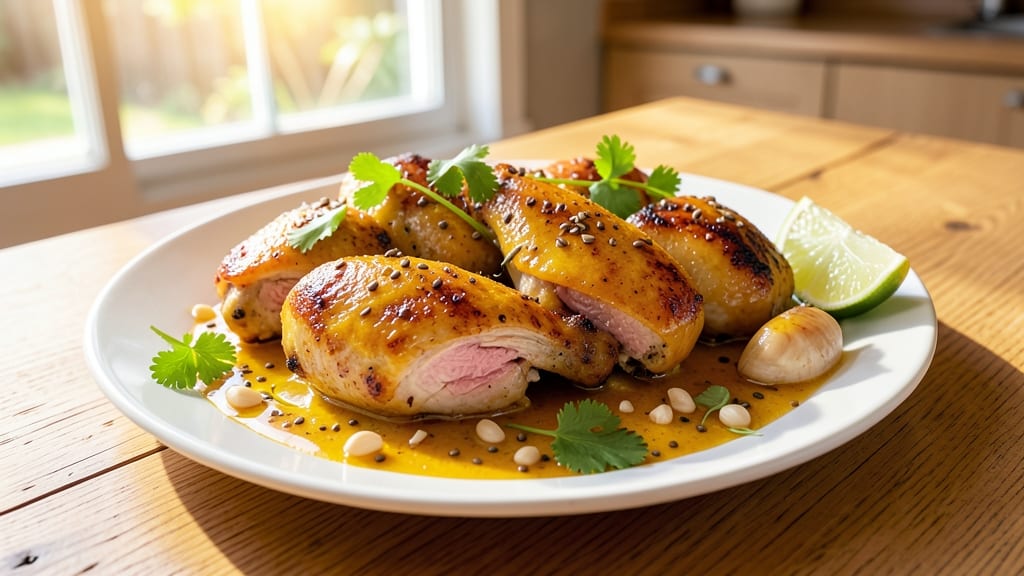
This aji amarillo sauce viva chicken delivers the perfect balance of crispy golden skin and tender meat infused with Peru's signature yellow chili heat.
The secret lies in a marinade that tenderizes while building layers of flavor—aji amarillo paste, garlic, and citrus work together to create a sauce that clings to every bite. I've perfected this technique after countless batches, ensuring the chicken stays juicy even with that intense heat profile.
The process begins with a simple yet effective marinade that transforms ordinary chicken thighs into restaurant-quality bites. You'll sear the pieces to achieve that coveted crispy exterior, then finish them in the oven while basting with the sauce.
This dual-cooking method guarantees both texture and flavor without drying out the meat. The result is a dish that's bold enough to stand alone but works beautifully with traditional sides like rice or roasted potatoes.
What makes this recipe special is how it captures the essence of Peruvian cooking while being approachable for home kitchens. The aji amarillo sauce isn't just a topping—it's the star, with its vibrant yellow color and complex flavor profile that includes notes of citrus and smoky depth.
Each bite delivers that perfect contrast between crispy skin and tender meat, all wrapped in a sauce that's tangy, slightly sweet, and undeniably spicy.
Serve this dish with a side of steamed rice and fresh salad to balance the heat, or offer extra sauce on the table for those who crave more.
The technique is straightforward, but the flavor impact is anything but ordinary—this is the kind of recipe that transforms an everyday meal into a memorable dining experience. Let's get started on creating this Peruvian classic.
Ingredients for aji amarillo sauce viva chicken
This vibrant Peruvian dish combines bold flavors and crispy texture for an unforgettable meal.
| Ingredient | Amount | Notes |
|---|---|---|
| Boneless, Skinless Chicken Thighs 🍗 | 1 ½ lb | Trimmed of excess fat |
| Aji Amarillo Paste 🌶️ | ½ cup | High-quality, vibrant yellow |
| Fresh Garlic Cloves 🧄 | 6 cloves | Minced for marinade |
| Fresh Lime Juice 🍋 | ¼ cup | Freshly squeezed |
| Extra-Virgin Olive Oil 🫒 | ¼ cup | For marinade and searing |
| Fresh Cilantro 🌿 | ¼ cup | Chopped, for garnish |
| Yellow Onion 🧅 | 1 whole | Diced for sauce |
| Fresh Red Chili Peppers 🌶️ | 2 whole | Deseeded, chopped |
| Fresh Cumin Seeds 🌿 | 1 tsp | Toasted for depth |
| Salt 🧂 | 1 ½ tsp | Kosher or sea salt |
| Ground Black Pepper 🌶️ | ½ tsp | Freshly ground |
| Chicken Broth 💧 | ½ cup | Low-sodium preferred |
| Fresh Lime 🍋 | 1 whole | Juiced for sauce |
| Fresh Cilantro Stems 🌿 | 2 tbsp | Chopped for sauce |
The aji amarillo paste is the heart of this recipe—look for vibrant yellow tubes at Latin markets or specialty stores. Penzeys Spices carries it online if local options are limited. Fresh garlic and lime are non-negotiable; frozen won't cut it here. The chicken thighs should be similar in size for even cooking. Trader Joe's often has good quality at reasonable prices. For the cilantro, grab the whole stems—they add great flavor to the sauce when chopped finely.
No aji amarillo paste? Mix 2 tbsp yellow bell pepper paste with 1 tsp smoked paprika for a close substitute. Fresh chili peppers can be swapped for 1 tbsp red pepper flakes, but you'll lose some complexity. The cumin seeds should be toasted in a dry pan for 30 seconds before grinding—this step makes all the difference. For extra richness, add 1 tbsp of vegetable oil to the marinade. The lime juice can be substituted with bottled lime juice, but fresh is always better if you've got it.
Marinated chicken keeps 2 days in the fridge, but the sauce is best made fresh. Store the sauce separately in an airtight container for up to 3 days. The chicken reheats beautifully—just warm in a skillet for 2-3 minutes. For meal prep, portion the sauce into ice cube trays and freeze for easy use later. Double the marinade if you want to marinate extra chicken for quick meals during the week.
Why You'll Love This Recipe
- One-Pan Magic: I swear by this recipe when I’m too tired to scrub pots—just sear the thighs, toss in the aji amarillo paste and garlic, and let it simmer. The sauce clings to the chicken like a second skin, and cleanup? One spatula, one pan. That’s it.
- Umami Bomb: The aji amarillo paste—sweet, fruity, with that slow-building heat—transforms simple chicken into something ridiculously good. Add the lime at the end, and suddenly you’ve got bright, tangy contrast that makes every bite sing. Honestly, I’ll take this over takeout any day.
- Leftovers That Don’t Suck: This dish actually tastes better the next day, especially if you let the flavors meld overnight. I double the batch on Sundays, pack it for lunches, and still crave seconds. (Yes, even when I’m pretending to be healthy.)
- Budget Flex: Chicken thighs are cheap, and a little aji amarillo paste goes a long way—no fancy ingredients, just bold flavor. Between us, this is how I feed my family for under $10 and still feel like I’m serving something special. My wallet and taste buds thank me.
Step-by-step instructions for aji amarillo sauce viva chicken
This method delivers tender chicken thighs with crispy skin and vibrant aji amarillo sauce.
Marinate the Chicken Thighs
In a resealable plastic bag, combine the 1.5 lb boneless, skinless chicken thighs, 0.5 cup aji amarillo paste, 6 cloves minced fresh garlic cloves, 0.25 cup fresh lime juice, 0.25 cup extra-virgin olive oil, 1 tsp toasted fresh cumin seeds, 1.5 tsp salt, and 0.5 tsp ground black pepper. Seal the bag and massage the mixture until the chicken is fully coated. Let it marinate in the refrigerator for at least 2 hours—this ensures deep flavor penetration and tender meat.
Here's the thing—don't skip the marinating time. The aji amarillo paste needs this period to soften and infuse the chicken properly. If you're short on time, marinate for a minimum of 1 hour, but 2 hours is ideal for maximum flavor development.
Sear the Chicken Until Golden
Remove the chicken from the marinade (reserve the marinade for later) and pat the thighs dry with paper towels. Heat a large skillet over medium-high heat and add the chicken, skin-side down. Cook undisturbed for 6-8 minutes until the skin is deep golden brown and crispy. Flip the chicken and cook for another 5-6 minutes until the internal temperature reaches 165°F. Transfer the chicken to a plate and tent loosely with foil to keep warm.
This is the moment that matters: the crispy skin. Don't rush it—you'll know it's ready when the skin releases easily from the pan and looks beautifully browned. If it sticks, don't panic—just let it cook a bit longer without moving it.
Prepare the Aji Amarillo Sauce
In the same skillet, reduce the heat to medium and add 1 whole diced yellow onion, 2 whole deseeded and chopped fresh red chili peppers, and 2 tbsp chopped fresh cilantro stems. Sauté for 5 minutes until the onions are soft and the peppers begin to release their aroma. Pour in the reserved marinade and 0.5 cup chicken broth, scraping up any browned bits from the bottom of the pan.
Bring the mixture to a gentle simmer and cook for 8-10 minutes until it thickens slightly. The sauce should coat the back of a spoon and have a vibrant yellow hue from the aji amarillo. If it's too thick, add a splash of water or broth to reach your desired consistency.
Finish and Serve
Return the chicken to the skillet, spooning the sauce over the top. Simmer for 2-3 minutes to allow the chicken to absorb the sauce flavors. Garnish with 0.25 cup chopped fresh cilantro and serve immediately with the sauce spooned over the top. The chicken should be juicy and tender, with crispy skin that contrasts beautifully against the creamy, slightly spicy sauce.
Real talk: the sauce should have a balance of heat and tanginess. If it's too spicy, add a squeeze of the 1 whole fresh lime to brighten it up. This dish is best served fresh, so don't let it sit too long after cooking—every minute counts for that perfect texture and temperature.
Pro Tips For Making Aji Amarillo Sauce Viva Chicken
- Bloom the Paste First: Heat your aji amarillo paste with a splash of water (about 2 tablespoons) in the pan before adding oil—this softens the raw spice flavor and prevents bitterness. I used to skip this and wondered why my sauce always tasted sharp; it’s the thing that matters most if you want that smooth, balanced heat.
- Salt the Chicken Twice: Season the thighs generously before searing, then hit them with another pinch of salt after they’ve rested under foil. The first layer seasons the surface, but the second ensures the marinade (if using) or sauce penetrates deeper. Yes, even if you’re impatient like me, this makes a real difference.
- Sear Skin-Side Down: Since your chicken is boneless, press the thighs flat slightly and sear them skin-side down (even though they’re skinless) for 3–4 minutes to render fat and build crust. I learned this the hard way—skipping this step means sauce-soaked blandness instead of juicy, caramelized bites.
- Toast the Garlic Low: Add the garlic to the pan after the paste has bloomed, and cook it on the lowest heat setting until just golden—no browning, or it’ll turn acrid. I was skeptical until I tried it: this keeps the garlic sweet and aromatic, not burnt or bitter. (Your future self will thank you.)
Best sauces and condiments for aji amarillo sauce viva chicken
Classic Aji Amarillo Sauce
This vibrant yellow sauce is the soul of Peruvian cuisine, and it works perfectly with your viva chicken.
Start with ½ cup aji amarillo paste (the key ingredient) and simmer it with ½ cup chicken broth, 1 diced yellow onion, and 2 chopped red chili peppers for 10 minutes until thickened.
The sauce should be glossy and coat the back of a spoon—this is what makes the dish shine. 🌶️
Creamy Garlic Lime Sauce
For a milder twist, blend ½ cup sour cream with 2 tbsp aji amarillo paste, 1 tbsp minced garlic, and 2 tbsp fresh lime juice.
Thin with 2 tbsp water if needed, then drizzle over the chicken. This version keeps the Peruvian essence but adds a tangy creaminess that balances the heat beautifully.
Spicy Mojo Sauce
Mix ¼ cup aji amarillo paste with 2 tbsp olive oil, 1 tbsp lime juice, 1 minced garlic clove, and ½ tsp cumin for a bold, aromatic sauce.
Use it as a marinade or finishing drizzle—this version is perfect for those who love a punch of flavor without extra prep. 💛
Cilantro-Lime Crema
Blend ½ cup Greek yogurt with 2 tbsp chopped cilantro, 1 tbsp lime juice, and 1 tsp aji amarillo paste for a refreshing contrast. This creamy sauce cuts through the richness of the chicken and adds a bright, herbaceous finish.
Serve it on the side for dipping or spooning over the dish.
Roasted Red Pepper Sauce
Roast 2 red bell peppers until charred, then blend with 2 tbsp aji amarillo paste and ¼ cup chicken broth. Simmer for 5 minutes until smooth. This smoky, slightly sweet sauce pairs wonderfully with the crispy chicken, adding depth without overpowering the original flavors.
Avocado Lime Dressing
For a lighter option, mash 1 ripe avocado with 2 tbsp lime juice, 1 tbsp aji amarillo paste, and 2 tbsp chopped cilantro.
Thin with water if needed, then drizzle over the chicken and sides. This adds a creamy, fresh element that balances the heat and richness perfectly. ✨
Nutrition facts
Frequently asked questions
Can I use chicken breasts instead of thighs?
Chicken breasts will work, but thighs are ideal for this recipe—they stay juicier with the long cooking time and crispy skin. If using breasts, reduce cooking time to 4-5 minutes per side and avoid overcooking. For best results, pound them to ½-inch thickness to ensure even cooking and tenderness.
How do I adjust the heat level in the aji amarillo sauce?
For milder heat, reduce the aji amarillo paste to ¼ cup and add 1 extra tbsp lime juice to balance. For extra spice, add 1 chopped fresh red chili pepper or ½ tsp cayenne pepper. Always taste as you go—Peruvian sauces should have a bright, tangy finish, not just raw heat.
Can I make this recipe ahead of time?
Marinate the chicken 1-2 days ahead for deeper flavor, but cook it fresh for best texture. The sauce can be prepped 1 day ahead and reheated gently. Store both separately in airtight containers. Reheat chicken in a skillet for 2-3 minutes and warm sauce on low heat, stirring constantly to prevent burning.
What sides pair best with this dish?
Traditional pairings include steamed white rice, roasted potatoes, or Peruvian-style fried plantains. For a lighter option, serve with a mixed green salad and avocado slices. The crispy chicken and rich sauce stand up well to these sides, balancing the meal perfectly.
Why does my chicken skin not get crispy?
Crispy skin requires dry chicken and high heat. Pat thighs thoroughly before cooking and use medium-high heat without moving them for the first 6-8 minutes. If your pan isn't hot enough, the skin will steam instead of brown. A cast-iron skillet works best for even heat distribution.