
Main Courses
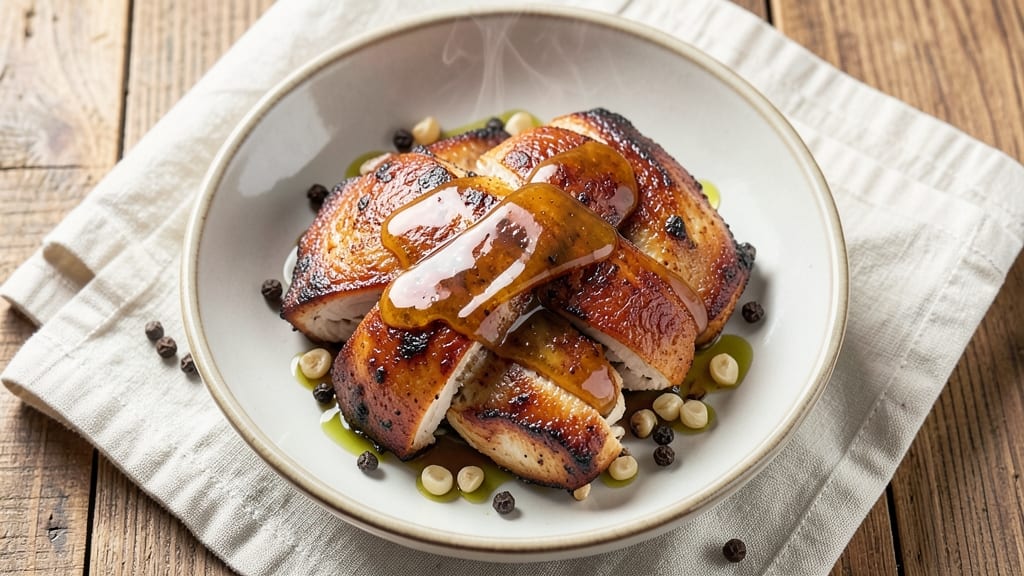
This baked honey Dijon chicken recipe delivers the perfect balance of sweet and tangy flavors in every bite, with a glaze that caramelizes beautifully in the oven. The combination of honey's richness and Dijon's sharpness creates a crust that's both crisp and sticky—ideal for weeknight dinners or special occasions.
I've perfected this method to ensure tender, juicy chicken with a glaze that doesn't overwhelm the natural taste of the meat.
The secret lies in the marinade, where Dijon mustard adds depth while honey creates a natural glaze that caramelizes into a glossy finish. You'll bake the chicken at a moderate temperature to allow the flavors to meld without drying out the meat.
This recipe is designed to be simple yet impressive, requiring just a few key ingredients and about 45 minutes of hands-off time in the oven.
What you'll end up with is golden-brown chicken with a sticky, flavorful crust that's impossible to resist. The glaze clings to every bite, offering a perfect harmony of sweet and tangy notes that complement both rich and light sides.
Pair it with roasted vegetables or mashed potatoes for a complete meal that feels restaurant-worthy without the fuss.
Whether you're feeding a family or hosting dinner guests, this recipe delivers consistent results every time. The glaze can be adjusted to your taste—more honey for extra sweetness or a splash of apple cider vinegar for added tang. Let's get started on this crowd-pleasing dish!
Ingredients for baked honey dijon chicken
Sweet, tangy, and effortless—just these 11 ingredients transform simple chicken into restaurant-quality perfection.
| Ingredient | Amount | Notes |
|---|---|---|
| Boneless, Skinless Chicken Thighs 🍗 | 1 ½ lb | Evenly sized for consistent cooking |
| Honey 🍯 | ½ cup | Raw, unfiltered preferred |
| Dijon Mustard 🍯 | 3 tbsp | High-quality, no additives |
| Extra-Virgin Olive Oil 🫒 | 2 tbsp | For glossy finish and richness |
| Apple Cider Vinegar 🍎 | 1 tbsp | Brightens the glaze |
| Garlic Cloves 🧄 | 3 cloves | Minced for deep flavor |
| Fresh Thyme Leaves 🌿 | ¼ cup | Chopped, or 1 tsp dried |
| Salt 🧂 | 1 ½ tsp | Diamond Crystal preferred |
| Black Pepper 🌶️ | ½ tsp | Freshly ground for best flavor |
| Cornstarch 🌾 | 1 tbsp | For glaze thickening |
| Water 💧 | 1 tbsp | For cornstarch slurry |
The chicken thighs are the foundation—boneless, skinless, and evenly sized for consistent cooking. I always grab Costco's family pack when I'm feeding a crowd, but any grocery store's pre-cut thighs work fine. Look for pieces with good marbling; it keeps the meat juicy during baking. The honey should be raw and unfiltered—the darker varieties like buckwheat add depth, but regular works too. For Dijon, Maille is my go-to, but any high-quality brand without additives will do. Fresh thyme is ideal, but dried works at one-third the amount if you're in a pinch.
No honey? Maple syrup does the trick, though the flavor shifts slightly. Short on Dijon? Whole-grain mustard adds texture but lacks the same tang—reduce to 2 tbsp if using. The cornstarch slurry is optional but worth the extra minute—it gives the glaze that glossy finish. For extra tang, add 1 tsp lemon juice to the marinade. The olive oil matters here; avoid the cheap stuff—you'll taste the difference in the final glaze. If you're prepping ahead, marinate the chicken for up to 4 hours in the fridge for deeper flavor penetration.
This glaze reheats beautifully—toss leftovers in a 350°F oven for 10 minutes to revive the crispness. Keeps 3-4 days in the fridge, though I rarely have any left that long. For meal prep, slice the chicken and store separately from the glaze—reheat the sauce separately and toss it on when serving. The glaze freezes well for up to 3 months, though texture may change slightly. Portion into small containers for easy grab-and-go lunches—trust me, it's a game-changer for busy weekdays.
Why You'll Love This Recipe
- I’ll be real: my old chicken recipes required babysitting. This one? Toss the thighs on a sheet pan, drizzle, bake, and walk away. Twenty minutes later, you’ve got golden, caramelized edges with zero cleanup. That’s my kind of dinner.
- Five-Ingredient Magic: I swear, this recipe is my go-to when I’m staring at a fridge full of random stuff and zero plan. Chicken thighs, honey, Dijon, olive oil, and vinegar—just toss them in a bowl, let the oven do the work, and boom. That sticky-sweet glaze? Zero fuss, all flavor.
- Sticky-Sweet Obsession: Honestly, the combo of honey and Dijon is chef’s kiss—tart meets sweet, crispy meets tender. The apple cider vinegar gives it this bright, tangy kick that cuts through the richness, so it’s never cloying. My kids fight over the last bite.
- Weeknight & Potluck Star: Between us, this feeds a crowd but costs less than takeout. Double the recipe, bake it all, and you’ve got leftovers for lunch or a picnic. My book club’s been begging for the recipe after I brought it to our last meeting—no one expected it to disappear so fast.
Step-by-step instructions for baked honey Dijon chicken
This method delivers perfectly glazed, crispy-edged chicken with a balanced sweet-tangy flavor profile.
Prepare the Chicken and Glaze Base
Preheat your oven to 375°F and position a rack in the center position. Place the 1.5 lb boneless, skinless chicken thighs on a cutting board and pat them completely dry with paper towels. This step is crucial—moisture on the skin prevents proper browning and crisping.
In a small bowl, whisk together the 0.5 cup honey, 3 tbsp Dijon mustard, 2 tbsp extra-virgin olive oil, and 1 tbsp apple cider vinegar until fully combined. The mixture should be smooth with no visible streaks. I like to use a whisk for this to incorporate air and create a glossy finish. Set this glaze aside while you prepare the chicken.
Season and Coat the Chicken
In a separate small bowl, combine 1.5 tsp salt, 0.5 tsp black pepper, and the 3 minced garlic cloves. Rub this mixture all over the chicken thighs, pressing gently to help the seasoning adhere. The garlic will infuse deep flavor into the meat as it bakes.
Transfer the seasoned chicken to a baking dish large enough to hold them in a single layer. Pour the prepared glaze evenly over the chicken, coating all sides. Let the chicken sit for 10 minutes at room temperature—this allows the glaze to penetrate slightly and ensures more even cooking. Meanwhile, finely chop the 0.25 cup fresh thyme leaves and sprinkle them evenly over the chicken.
Bake Until Glazed and Tender
Place the baking dish in the preheated oven and bake for 25 minutes. After this initial baking time, you'll notice the edges beginning to set and the glaze starting to caramelize. This is when the magic happens—resist the urge to open the oven door, as temperature fluctuations can cause the glaze to run instead of crisping.
For the final 10-12 minutes, increase the oven temperature to 400°F to intensify the browning and crisping of the glaze. The chicken is done when the internal temperature reaches 165°F and the edges are deep golden brown with a glossy sheen. The glaze should be thick enough to hold its shape but still slightly sticky to the touch.
Create the Glossy Finish
While the chicken bakes, prepare the cornstarch slurry by whisking together 1 tbsp cornstarch and 1 tbsp water in a small bowl until completely dissolved. This mixture will give your glaze that professional restaurant finish.
Once the chicken is done baking, remove it from the oven and immediately brush each piece with the cornstarch slurry using a pastry brush. Return the chicken to the oven for 2-3 minutes at 400°F to set the glossy finish. You'll see the glaze transform from sticky to beautifully glossy and slightly crisp around the edges. This final step elevates the dish from good to spectacular.
Rest and Serve
Transfer the glazed chicken to a serving platter and let it rest for 5 minutes before serving. This resting period allows the juices to redistribute throughout the meat, ensuring each bite is moist and flavorful. The glaze will continue to set slightly as it cools, creating that perfect balance between sticky and crispy.
Serve the honey Dijon chicken immediately while the glaze is still warm and glossy. The combination of sweet honey, tangy Dijon, and aromatic thyme creates a flavor profile that's both complex and satisfying. Pair it with roasted vegetables or a simple green salad to complete the meal.
Pro Tips For Making Baked Honey Dijon Chicken
- Pat the thighs dry: Chicken thighs stick to the pan when wet, and that’s a recipe for uneven browning. Grab a paper towel and really dry them—especially if they’re fresh from the fridge. I used to skip this, and my sauce would pool instead of caramelizing.
- Start with a hot pan: If you’re searing the thighs before baking, crank the heat to medium-high first. A hot pan gives you that initial crust in 2-3 minutes, which locks in flavor when the honey and mustard come into play. After burning two batches, I finally learned to wait for the oil to shimmer before adding chicken.
- Use real Dijon, not the powdered junk: That powdered mustard in a can? It’s not the same. Real Dijon has seeds and depth, and it’s the backbone of this sauce. If you’re in a pinch, mix 1 tsp whole-grain mustard with 1 tsp water, but your future self will taste the difference.
- Baste midway, don’t drown it: After 15 minutes in the oven, pull the chicken out and spoon that sticky honey-Dijon glaze over the tops. Don’t pour it all at once—just enough to coat. I used to dump the whole sauce and ended up with soggy, saucy chicken instead of caramelized perfection.
Best sauces and condiments for this dish
Classic Honey Dijon Glaze
The star of this dish is the honey Dijon glaze, where the sweetness of honey perfectly balances the tangy depth of Dijon mustard. I recommend using Maille Dijon for its smooth texture and consistent flavor.
For extra richness, add 1 tbsp of extra-virgin olive oil to the glaze before brushing it on the chicken. This creates a glossy finish that caramelizes beautifully in the oven. 🍯
Spicy Honey Mustard
For a kick of heat, stir in 1 tsp of cayenne pepper or ½ tsp of red pepper flakes into the glaze. This works especially well if you're serving the chicken over crispy roasted potatoes or with a cooling cucumber salad.
The heat cuts through the sweetness, adding complexity to each bite. Adjust the amount based on your spice tolerance.
Herb-Infused Glaze
Brighten up the glaze with 1 tbsp of fresh rosemary or thyme (finely chopped) mixed directly into the honey Dijon base. The herbs add an earthy aroma that pairs wonderfully with the chicken.
For a citrus twist, add 1 tsp of lemon zest to the glaze before baking. This variation is perfect for spring or summer meals when fresh herbs are abundant.
Apple Cider Vinegar Boost
The apple cider vinegar in the glaze isn’t just for tang—it also helps tenderize the chicken slightly. If you love a sharper flavor, increase it to 2 tbsp for a more pronounced brightness.
This works especially well when paired with caramelized onions or sautéed apples on the side. The acidity also helps balance the richness of the honey.
Sweet and Smoky
For a smoky depth, add ½ tsp of smoked paprika or 1 tsp of liquid smoke to the glaze. This variation is fantastic when serving the chicken with grilled vegetables or a smoky black bean salad.
The smokiness complements the sweetness of the honey while adding a layer of complexity that’s hard to resist. 🔥
Garnish Ideas
Finish the dish with a sprinkle of toasted sesame seeds or crushed pistachios for added texture. Fresh cilantro or parsley adds a pop of color and freshness.
For a sweet contrast, drizzle with balsamic glaze just before serving. These garnishes elevate the presentation and add another layer of flavor to each bite.
Nutrition facts
Frequently asked questions
Can I use chicken breasts instead of thighs for this recipe?
You can, but thighs work better because they stay juicier during baking. If using breasts, reduce baking time to 20-25 minutes at 375°F and avoid the high-heat finish to prevent drying. Pound them to even thickness for consistent cooking.
How do I adjust the sweetness level in the glaze?
For less sweetness, reduce honey to ¼ cup and add 1 tbsp extra apple cider vinegar for tang. For extra sweetness, increase honey to ⅔ cup and balance with ½ tsp lemon juice. Taste the glaze before applying to the chicken.
Can I make this recipe ahead of time?
Yes! Marinate the chicken for up to 4 hours in the fridge. For make-ahead meals, bake the chicken (without the final cornstarch step), cool completely, then refrigerate for 3-4 days. Reheat in a 350°F oven for 10 minutes and brush with fresh glaze after reheating.
What sides pair best with this honey Dijon chicken?
Try roasted Brussels sprouts with bacon or creamy mashed potatoes for contrast. For lighter options, serve with quinoa pilaf or a mixed greens salad with balsamic vinaigrette. The tangy glaze also complements cornbread or dinner rolls for soaking up extra sauce.
Why did my glaze turn out too runny?
This usually happens from opening the oven door too early or using too much honey. For next time, bake at 375°F without peaking, and reduce honey by 1 tbsp. The cornstarch slurry is key—brush it on just before the final 2-3 minutes at 400°F to thicken the glaze properly.