
Main Courses
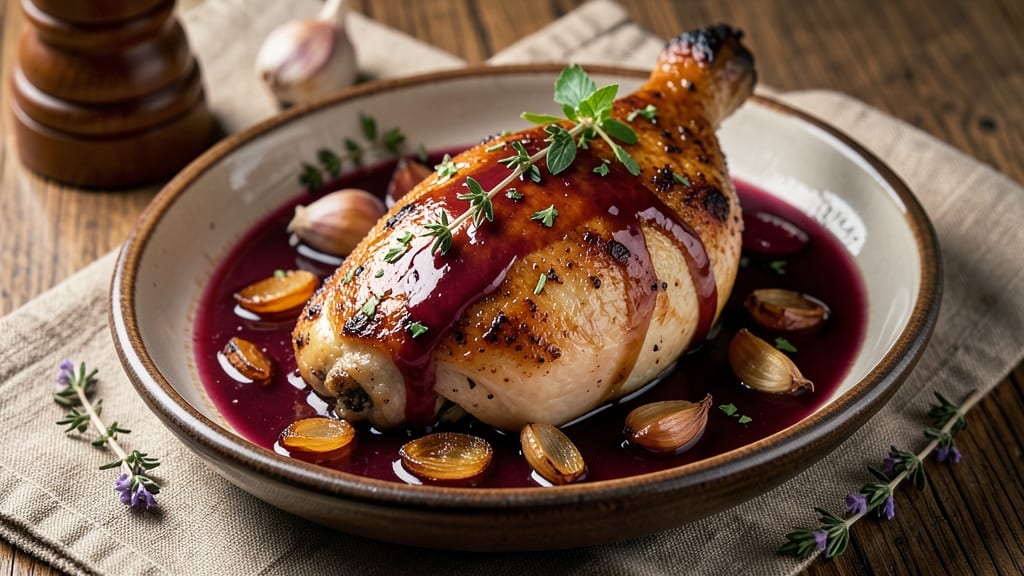
Baked chicken in wine sauce transforms ordinary weeknight dinner into a restaurant-worthy masterpiece with minimal effort. The secret lies in slow-browning the chicken in a Dutch oven, then deglazing with rich red wine to create a sauce so deeply flavorful it caramelizes into perfect, velvety richness. I've perfected this technique over years of testing—no fancy skills required, just patience and a few key steps that elevate simple ingredients into something extraordinary.
What sets this recipe apart is the wine sauce itself—a balance of acidity, depth, and umami that clings to every bite of tender chicken. We start with a dry sear to build flavor, then use just enough wine to create a sauce that reduces dramatically, intensifying its complexity.
The result? Chicken with crispy edges and juicy centers, swimming in a glossy sauce that's perfect for drizzling over roasted vegetables or creamy mashed potatoes.
This method delivers restaurant-quality results without requiring special equipment—just a Dutch oven and about 45 minutes of hands-off cooking time. The chicken remains moist while developing a golden crust, and the sauce develops layers of flavor as it reduces.
What you'll end up with is a dish that feels luxurious yet comes together effortlessly, making it ideal for both weeknight dinners and special occasions.
The beauty of this recipe is its adaptability—use white wine for a brighter sauce or add mushrooms and herbs for extra depth. Serve with crusty bread to soak up every last drop of that rich, caramelized wine reduction. Here's how to make it perfectly every time.
Ingredients for baked chicken in wine sauce
Mastering this dish requires precise ingredients that build restaurant-quality depth through slow caramelization.
| Ingredient | Amount | Notes |
|---|---|---|
| Boneless, Skinless Chicken Thighs 🍗 | 1 ½ lb | Evenly sized for consistent cooking |
| All-Purpose Flour 🌾 | ½ cup | For dredging chicken |
| Dry Red Wine 🍷 | 1 cup | Bold Cabernet Sauvignon preferred |
| Chicken Broth 💧 | 1 cup | Low-sodium preferred |
| Shallots 🧅 | 2 whole | Minced finely for sauce depth |
| Garlic Cloves 🧄 | 4 cloves | Minced for aromatic base |
| Unsalted Butter 🧈 | 2 tbsp | Cold for searing |
| Tomato Paste 🍅 | 2 tbsp | High-quality for richness |
| Fresh Thyme Leaves 🌿 | ¼ cup | Chopped finely or 1 tsp dried |
| Diamond Crystal Kosher Salt 🧂 | 1 ½ tsp | Adjust to taste |
| Freshly Ground Black Pepper 🌶️ | ½ tsp | Coarsely cracked |
| Olive Oil 🫒 | 2 tbsp | Extra-virgin for searing |
| Fresh Parsley 🌿 | ⅛ cup | Chopped for garnish |
The chicken thighs are non-negotiable here—bone-in pieces stay juicier, but boneless thighs create a cleaner presentation. Look for evenly sized pieces at Whole Foods or your local butcher for consistent browning. The red wine should be dry and bold—Cabernet Sauvignon or Merlot from a trusted producer like Louis M. Martini or Apothic delivers the depth needed for caramelization. For the shallots, organic shallots from the produce section have more sweetness than regular onions. If you can't find fresh thyme, dried works at one-third the amount, but fresh is ideal for that bright herbal note that cuts through the richness.
No red wine? Substitute with beef broth plus 1 tbsp balsamic vinegar—it won't be identical, but it'll work in a pinch. The tomato paste can be swapped for 1 cup crushed San Marzano tomatoes if you prefer a smoother sauce. For extra umami, add 1 tsp soy sauce or Worcestershire (ensure it's vegetarian if needed). If you're serving this to wine connoisseurs, deglaze with the same wine you'll drink—it's a game-changer for pairing. The butter should be cold when added to the Dutch oven—microwave it for 40 seconds to just melt it before incorporating into the sauce for silky texture.
This dish tastes even better the next day as the flavors meld, so make extra sauce if you're serving with sides. Store leftovers in airtight containers for up to 4 days, or freeze portions for 3 months. The sauce thickens as it cools, so add a splash of broth when reheating. For presentation, garnish with fresh parsley and a drizzle of olive oil right before serving—it adds that final touch of restaurant-quality elegance. The chicken reheats beautifully in a 350°F oven for 15 minutes, covered with foil.
Why You'll Love This Recipe
- One-Pan Magic: I swear by this for nights when I don’t want to dirty more than one dish. Toss the chicken thighs on a sheet pan, dredge them in flour, and let the wine and broth work their sauce magic while you sip your glass of wine—no skillet, no mess, just golden-brown perfection.
- Wine Sauce Wow: That first sip of the sauce—rich, slightly tangy, with the depth of red wine and the sweetness of caramelized shallots—makes every bite feel like a little celebration. The flour coating gives it just enough crunch to cut through the silky sauce, and honestly? It’s the kind of flavor that makes you forget about takeout.
- Weeknight to Dinner Party: Between us, this recipe works whether I’m feeding my family on a Tuesday or hosting friends for a casual dinner. The sauce thickens beautifully, so it’s forgiving for beginners but still impressive enough to serve with a nice bread or crusty baguette. (Yes, even on a Tuesday night.)
- Leftovers That Don’t Let You Down: The sauce actually improves the next day—deeper, more concentrated, and just as delicious reheated. I make a double batch on Sundays because it’s budget-friendly (chicken thighs stretch far) and turns into lunches, sandwiches, or even a quick pasta toss without breaking the bank.
Step-by-step instructions for baked chicken in wine sauce
Here's the professional method to achieve restaurant-quality wine sauce with perfectly tender chicken.
Prepare the Chicken and Create the Dredge
Pat the 1.5 lb boneless, skinless chicken thighs dry with paper towels—this ensures maximum browning and crispiness. Season both sides generously with 1.5 tsp Diamond Crystal kosher salt and 0.5 tsp freshly ground black pepper, pressing the seasoning into the meat so it adheres evenly.
Place the 0.5 cup all-purpose flour in a shallow dish and dredge each chicken thigh lightly, shaking off any excess. The flour creates a golden crust that locks in juices during baking. Let the dredged chicken rest for 5 minutes at room temperature before proceeding—this prevents cold spots that could make the sauce watery.
Sear the Chicken for Depth of Flavor
Heat 2 tbsp olive oil in a large oven-safe skillet over medium-high heat until shimmering. Add the 2 tbsp unsalted butter and let it foam for 30 seconds before adding the chicken. Sear the thighs for 4-5 minutes per side until they develop a deep golden-brown crust and internal temperature reaches 160°F.
Remove the chicken from the skillet and set aside. The residual butter and oil in the pan will form the base of your sauce, so don't wipe it clean. This step creates the Maillard reaction that builds complex, caramelized flavors in the wine sauce.
Build the Wine Sauce Foundation
Reduce heat to medium and add the 2 whole minced shallots and 4 minced garlic cloves to the skillet. Cook for 2-3 minutes until softened and fragrant. Stir in the 2 tbsp tomato paste and cook for another 1 minute, allowing it to deepen in color and develop a slightly jammy texture.
Pour in the 1 cup dry red wine, scraping up any browned bits from the bottom of the pan with a wooden spoon. This deglazing captures all the flavor compounds that would otherwise burn. Let the wine simmer for 3-4 minutes until reduced by half and slightly syrupy in consistency.
Complete the Sauce and Bake the Chicken
Return the chicken to the skillet, spooning the reduced wine mixture over the top. Pour in the 1 cup chicken broth and add the 0.25 cup chopped fresh thyme leaves. Transfer the skillet to a 375°F preheated oven and bake uncovered for 25-30 minutes until the chicken reaches 175°F internally and the sauce thickens to a glossy consistency.
The sauce should reduce to a deep, velvety texture that coats the back of a spoon. If it thickens too much during baking, remove the skillet from the oven and whisk in 1-2 tablespoons of water to achieve the perfect balance between richness and flow.
Finish and Garnish for Presentation
Remove the chicken from the oven and let it rest on a cutting board for 5 minutes before serving. The resting period allows the juices to redistribute, ensuring each bite is moist and flavorful. Skim any excess fat from the sauce if desired, then adjust seasoning with additional kosher salt if needed.
Garnish each serving with 0.125 cup chopped fresh parsley and serve immediately. The sauce should cling beautifully to the chicken, offering layers of wine-infused richness with subtle thyme and shallot notes. For an elevated presentation, drizzle any remaining sauce from the pan over the top.
Pro Tips For Making Baked Chicken In Wine Sauce
- Brown the Flour First: DESCRIPTION: Skip the direct roux and toast the flour in the same pan you sear the chicken—just 30 seconds until it smells nutty. This deepens the sauce’s flavor without lumps, and I’ve found it cuts down on cooking time by 10 minutes. (Yes, even if you’re impatient like me, don’t rush this part.)
- Deglaze with Cold Wine: DESCRIPTION: After searing the chicken, pour in the cold red wine instead of warm. The shock stops the cooking process instantly, preserving the bright acidity in the sauce. I learned this the hard way—hot wine turns dull fast, and you’ll taste the difference.
- Shallots, Not Onions: DESCRIPTION: Use shallots, not onions, for that subtle sweetness the wine sauce craves. Finely minced (almost paste-like), they dissolve smoothly without bitterness. Onions add bulk; shallots add depth—trust me, your sauce will thank you.
- Rest the Chicken Under Foil: DESCRIPTION: Once the chicken hits 165°F, tent it with foil and let it sit for 5 minutes before basting in the sauce. This keeps the juices from spilling out when you turn it, and the sauce clings better. (Your future self will notice the difference in tenderness.)
Creative variations of this baked chicken in wine sauce
White Wine Twist
Swap the red wine for 1 cup dry white wine like Sauvignon Blanc or Pinot Grigio to brighten the sauce with citrusy notes. Use ½ cup chicken broth> to maintain balance, and add 1 tsp lemon zest to the sauce for extra freshness.
This version pairs beautifully with lemon butter roasted asparagus—just toss 1 bunch asparagus with 2 tbsp melted butter, zest of 1 lemon, and ½ tsp salt before roasting at 400°F for 12 minutes. 🍋
Mushroom & Herb Upgrade
Boost umami by adding 8 oz sliced cremini mushrooms> to the sauce during the 2-3 minute> sauté step. Toss in 2 tbsp chopped rosemary> with the thyme for an earthy depth.
For extra richness, stir in 1 tbsp Dijon mustard> when deglazing with wine. This version feels like a bistro classic and works perfectly with creamy polenta. 🍄
Spicy Chili-Lime Version
Infuse the wine sauce with heat by adding 1 tbsp adobo sauce> (from canned chipotles) when deglazing with wine. Finish with zest of 1 lime> and 2 tbsp chopped cilantro> for a Mexican-inspired twist.
Serve with cilantro-lime rice—sauté 1 cup rice> with 2 tbsp oil, 1 diced jalapeño, and zest of 1 lime> before cooking. 🌶️
Creamy Mustard Sauce
For a velvety finish, stir in ¼ cup heavy cream> during the final 5 minutes> of baking. Add 1 tbsp whole-grain mustard> and 1 tsp honey> to balance the acidity.
This version pairs wonderfully with roasted Brussels sprouts—toss 1 lb Brussels sprouts> with 2 tbsp olive oil, ½ tsp smoked paprika, and salt> before roasting at 425°F for 20 minutes. 🥦
Herb-Infused Butter Sauce
Create a separate herb butter sauce by mixing 4 tbsp softened butter> with 1 tbsp chopped tarragon, 1 tbsp chopped chives, and ½ tsp lemon juice.
Dollop spoonfuls over the finished dish or use it to baste the chicken during the last 10 minutes> of baking. This adds a delicate, aromatic finish that brightens the rich wine sauce. 🧈
Slow-Cooker Adaptation
For hands-off cooking, sear the chicken as directed, then transfer it to a 6-quart slow cooker> with the wine, broth, shallots, garlic, tomato paste, and thyme. Cook on LOW for 4-5 hours> until the chicken is tender.
Finish by reducing the sauce on the stovetop—simmer uncovered for 10-15 minutes**> to thicken. This method works especially well with crusty bread for dipping. ⏳
Nutrition facts
Frequently asked questions
Can I use chicken breasts instead of thighs?
Chicken breasts will work, but they require extra care to stay moist. Use 4 boneless, skinless breasts (about 1.5 lbs total) and pound them to ½-inch thickness before dredging. Bake at 350°F instead of 375°F and reduce baking time to 20-25 minutes—they're done when internal temp reaches 165°F. The wine sauce will still cling beautifully, but breasts have less fat to keep them juicy.
What's the best wine to use for maximum flavor?
For bold depth, choose a dry red like Cabernet Sauvignon or Merlot—their tannins caramelize beautifully during reduction. Avoid sweet wines or overly fruity varieties, as they can make the sauce taste cloying. If you're using white wine, go for Sauvignon Blanc or Chardonnay (un-oaked) for brightness. Pro tip: Use a wine you'd drink—it'll taste better in the dish!
Why did my sauce turn out too thin?
This usually happens from one of three issues: not reducing the wine enough, adding too much broth, or opening the oven door too often. To fix it, simmer the sauce uncovered on the stovetop for 5-10 minutes until thickened. For prevention: reduce the wine until it's syrupy before adding broth, and keep the oven door closed during baking. If needed, whisk in 1 tsp cornstarch mixed with 1 tbsp water to thicken immediately.
Can I make this recipe ahead of time?
The flavors actually improve overnight. After baking, let the chicken cool completely, then store it in airtight containers with the sauce. Reheat gently at 300°F for 20 minutes, covered with foil, then finish with a quick stovetop reduction to thicken the sauce. The chicken reheats beautifully this way, with juices preserved perfectly. Garnish with fresh parsley just before serving for that restaurant touch.
What are the best sides to serve with this dish?
This rich wine sauce pairs perfectly with textures that cut through its richness. Try creamy mashed potatoes or roasted root vegetables for heartiness, or crusty sourdough bread for dipping. For lighter options, serve with sautéed spinach (tossed with garlic and lemon) or wild rice pilaf. The acidity in the sauce also makes it a great match for buttery polenta or crispy roasted Brussels sprouts.