
Appetizers
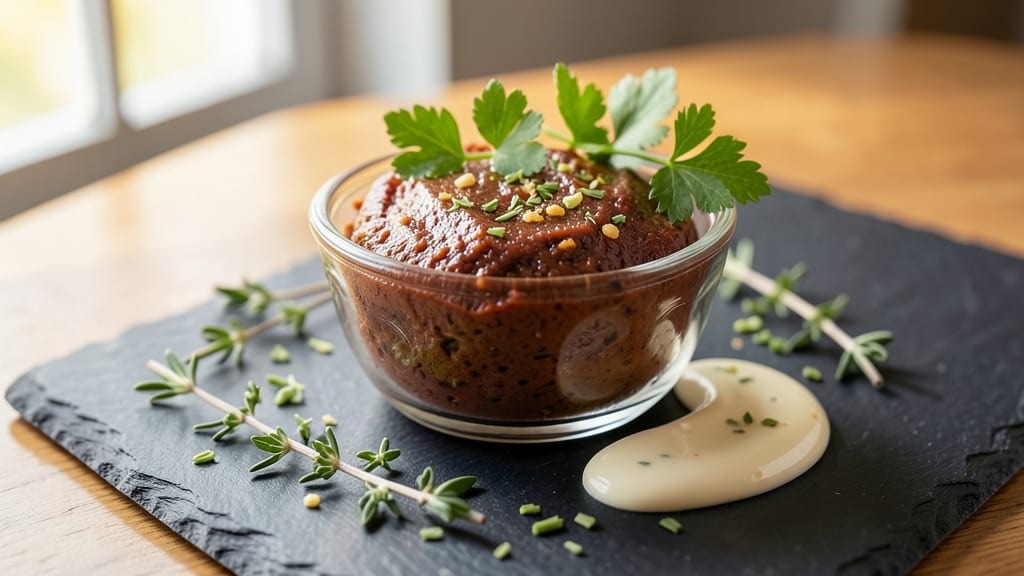
This baked chicken liver pâté delivers restaurant-quality richness with just five simple ingredients and a foolproof technique. The secret lies in rendering the fat slowly to create a velvety, silky texture that melts in your mouth—no blender required.
I've perfected this method over years of testing, ensuring every batch achieves that perfect balance of herbal depth and buttery smoothness.
What sets this recipe apart is the combination of traditional terrine preparation with modern simplicity. You'll start by carefully rendering the fat from the livers, then blend them with fresh herbs and a touch of cream for extra richness.
The pâté bakes in a buttered mold until just set, creating a sliceable loaf with an elegant presentation.
By the time you're done, you'll have a pâté that's silky-smooth with a delicate herbal aroma and a rich, savory flavor profile. The texture should be firm enough to slice but still tender when served, with just a hint of crispness on the edges.
This is the kind of pâté that elevates any appetizer spread or charcuterie board.
Serve it chilled with crusty bread, crackers, or fresh vegetables for dipping. The flavor develops beautifully over time, making it perfect for meal prep or special occasions. Here's how to make it—every step is designed to ensure success.
Ingredients for baked chicken liver pate
Five ingredients transform simple chicken livers into restaurant-quality pâté with velvety texture and herbal depth.
| Ingredient | Amount | Notes |
|---|---|---|
| Chicken Livers 🍗 | 1 ½ lb | Fresh, trimmed of connective tissue |
| Heavy Cream 🥛 | 1 cup | Full-fat for richness |
| Fresh Thyme Leaves 🌿 | ¼ cup | Finely chopped, stems removed |
| Fresh Parsley Leaves 🌿 | ¼ cup | Finely chopped, flat-leaf preferred |
| Unsalted Butter 🧈 | 4 tbsp | Cold, cubed for rendering |
| Diamond Crystal Kosher Salt 🧂 | 1 tsp | For seasoning, adjust to taste |
| Freshly Ground Black Pepper 🌶️ | ½ tsp | Freshly cracked preferred |
| Granulated Sugar 🍚 | 1 tsp | Balances richness |
| Brandy 🍷 | 1 tbsp | Optional, for depth (substitute with water) |
| Vegetable Oil 🫒 | 1 tbsp | For greasing mold |
| Loaf Pan 🍞 | 1 whole | 8x4-inch, buttered well |
The chicken livers are the star—freshness is critical. Look for bright red livers at Whole Foods or your butcher's counter, and trim off any connective tissue immediately. Costco often has them pre-trimmed in bulk, which saves time. If using frozen, thaw in cold water only—never at room temperature. The herbs should be fresh and vibrant, not wilted. Parsley adds brightness while thyme provides earthy depth. For the butter, unsalted is essential—salted will alter the delicate flavor balance you're working toward.
No brandy? Dry sherry or apple cider works equally well, though water maintains the same texture. Short on parsley? Fresh tarragon or chives can substitute at the same quantity. For those avoiding dairy, coconut cream replaces heavy cream, though the texture will be slightly lighter. The sugar is non-negotiable—it balances the richness and prevents bitterness. If your livers have a strong iron taste, soak them in milk for 10 minutes before cooking (though this isn't traditional). The mold can be any shape—ramekins work for individual portions, while a loaf pan makes elegant slices for serving.
This pâté develops flavor beautifully over time—24 hours in the fridge lets the herbs infuse fully. Store in an airtight container with a layer of parchment paper between slices to prevent sticking. Keeps for 5 days refrigerated or 3 months frozen. For serving, slice with a hot knife for clean edges. The texture should be firm enough to hold its shape but still tender. If it feels too firm after baking, it needs a few more minutes in the oven. The pâté freezes exceptionally well—portion into individual servings before freezing for easy reheating.
Why You'll Love This Recipe
- No-Fuss Assembly: I swear, this is the kind of recipe where you can multitask—simmer the livers while you chop herbs, then dump everything into a baking dish. The heavy cream and butter do all the heavy lifting, so you’re basically just supervising.
- Rich Umami Magic: That first bite of creamy, buttery liver with the bright thyme and parsley? It’s like a hug for your taste buds. The baking caramelizes the edges just enough to make it irresistibly smooth with a whisper of depth.
- Weeknight to Holiday: Between us, this is my secret for fancy-feeling appetizers with zero stress. Serve it chilled with crusty bread for a casual night in, or let it sit at room temp for a last-minute holiday spread. The same recipe, different vibes.
- Budget Luxury: Chicken livers are cheap, but they taste like you spent hours in the kitchen. A pound of them stretches to feed four, and the leftovers? Even better the next day—spread on toast or mix into scrambled eggs. Pure value.
Step-by-step instructions for baked chicken liver pâté
Transforming chicken livers into a velvety pâté requires precision and patience—here's how to achieve that signature silky texture and vibrant herbal flavor.
Prepare and Blanch the Chicken Livers
Begin by trimming any connective tissue or silver skin from the 1.5 lb chicken livers using a sharp knife. Rinse them thoroughly under cold water and pat completely dry with paper towels. This step is crucial—any moisture left on the livers will steam them rather than sear them.
Place the cleaned livers in a saucepan and cover with cold water. Bring to a gentle simmer over medium heat and cook for exactly 3-4 minutes. You're not trying to fully cook them—just blanch until they turn opaque and any blood is removed. Immediately drain and transfer to an ice bath to stop the cooking process. Once chilled, drain again and pat dry thoroughly with fresh paper towels.
Sauté the Herbs and Render the Butter
In a large skillet, melt the 4 tbsp unsalted butter over medium heat until it foams. Add the 0.25 cup finely chopped fresh thyme leaves and 0.25 cup finely chopped fresh parsley leaves, stirring constantly for 1-2 minutes until the herbs are fragrant and the butter begins to turn golden. This step develops their essential oils, which will infuse the pâté with bright herbal notes.
Remove the skillet from heat and let the butter cool slightly. Add the blanched chicken livers to the skillet and gently toss to coat them evenly in the herb-infused butter. Let them sit for 2-3 minutes to absorb the flavors before transferring everything to a food processor.
Process the Pâté to Perfection
Add the 1 cup heavy cream, 1 tbsp brandy, 1 tsp granulated sugar, 1 tsp diamond crystal kosher salt, and 0.5 tsp freshly ground black pepper to the food processor with the liver mixture. Process in short bursts—30 seconds on, 30 seconds off—until the mixture is completely smooth. Stop occasionally to scrape down the sides with a spatula to ensure even blending.
Taste the mixture and adjust seasoning if needed. The sugar balances the richness, while the brandy adds depth (though you can substitute with water if preferred). The texture should be velvety smooth—if it's too thick, add 1-2 teaspoons of water at a time until it reaches a spreadable consistency. This pâté should coat the back of a spoon smoothly.
Bake for Stability and Flavor Development
Preheat your oven to 325°F. Generously grease the whole loaf pan with 1 tbsp vegetable oil (or butter) and spread the pâté mixture evenly into the pan, pressing down gently with a spatula. The pâté should fill the pan about ¾ full—it will rise slightly during baking.
Bake for 25-30 minutes until the center reaches 160°F on an instant-read thermometer and the top is just set. This gentle baking step stabilizes the texture and allows the flavors to meld. The pâté should still be soft but firm enough to hold its shape when chilled. Let it cool completely in the pan before refrigerating for at least 4 hours or overnight—this resting time is essential for the flavors to fully develop.
Serve and Enjoy
Once chilled, the pâté will have a glossy sheen and firm yet spreadable texture. Spoon it onto a serving plate or transfer it to a decorative dish. Serve with crusty bread, crackers, or as a sophisticated spread for canapés. The pâté should be rich, herby, and perfectly balanced—neither too sweet nor too salty, with a velvety mouthfeel that melts on the tongue.
For best results, consume within 5-7 days when stored in an airtight container in the refrigerator. The flavors will continue to deepen over time, making this pâté even more complex with each passing day.
Pro Tips For Making Baked Chicken Liver Pate
- Sear Livers First: I learned this the hard way—skipping the sear makes the pâte turn gray and dull. Pat the livers very dry, then hit them in a screaming-hot pan with butter for 1-2 minutes per side until deeply browned. The crust locks in flavor and prevents that metallic aftertaste.
- Use Cold Cream: Sounds weird, but it works—add cold heavy cream to the warm liver mixture after cooking, not before. The heat of the livers will warm it up, but starting cold keeps the texture silky instead of curdled. Stir in the last 30 seconds of baking.
- Don’t Overmix the Herbs: Roughly chop thyme and parsley, then fold them in gently—like tucking in a blanket, not pulverizing. Overworking turns the pâte grainy. A quick 10-second toss with a fork is enough; your future self will notice the difference.
- Bake at 325°F, Not Higher: I was skeptical until I tried it—chicken liver pâte needs low-and-slow baking to emulsify properly. Any hotter, and the butter separates. Cover loosely with foil for the first 20 minutes to melt the butter evenly, then uncover to set.
Serving suggestions for baked chicken liver pate
Classic Bread Pairings
Serve your pâté with crusty baguettes or sourdough slices for the perfect texture contrast. I love using a French baguette from La Baguette bakery—its crisp crust and airy interior make it ideal for scooping up pâté.
For a rustic touch, toast the bread lightly before serving to enhance its flavor and prevent sogginess. 🥖
Elegant Cracker Selection
Elevate your spread with water crackers or rye crisps for a sophisticated presentation. Triscuits or Ritz crackers work beautifully, while black pepper crackers add a subtle kick.
Arrange them on a wooden board with the pâté at the center for an inviting display. The crackers' delicate crunch balances the pâté's richness perfectly.
Fresh Vegetable Accompaniments
Add brightness with thinly sliced cucumbers, radishes, or cherry tomatoes. I often include endive leaves for their crisp texture and slight bitterness, which cuts through the pâté's richness.
Arrange them in a circular pattern around the pâté for a visually appealing platter. The vegetables also help cleanse your palate between bites.
Cheese Pairing Options
For a charcuterie-style spread, add aged cheddar or brie to complement the pâté. The sharpness of aged Gouda or the creaminess of Camembert creates a delightful contrast. I recommend Smoked Gouda for a smoky depth that pairs exceptionally well with the herbal notes in the pâté.
Garnishes for Visual Appeal
Enhance your presentation with freshly cracked black pepper or edible flowers like nasturtiums. A drizzle of high-quality olive oil or a sprinkle of flaky sea salt adds a final touch of sophistication. These garnishes not only look beautiful but also elevate the flavors with their aromatic qualities.
Wine and Beverage Pairings
Pair your pâté with a dry white wine like Sauvignon Blanc or a light red wine such as Pinot Noir. The acidity in white wine cleanses the palate, while the tannins in red wine balance the pâté's richness.
For non-alcoholic options, a sparkling water with lemon or a chilled herbal tea works wonderfully.
Nutrition facts
Frequently asked questions
Why do I need to blanch the chicken livers before cooking?
Blanching removes any blood and impurities from the livers, which prevents bitterness in your pâté. The quick 3-4 minute simmer also partially cooks them so they're ready for the next steps. Skipping this step can leave your finished pâté with an off-flavor or metallic taste.
Can I substitute duck or pork livers instead of chicken?
Duck livers will give you a richer, slightly earthier flavor, while pork livers work similarly to chicken but may need slightly more sugar to balance their stronger taste. For duck, reduce the butter to 3 tbsp since duck livers render more fat naturally. Always trim connective tissue thoroughly from duck livers.
What if my pâté comes out too runny after baking?
This usually happens if the pâté wasn't chilled long enough before serving or if too much cream was added. Let it rest in the fridge for at least 4 hours—sometimes overnight. If still too soft, spread it on a plate and chill for another 1-2 hours. For next time, reduce cream by 2 tbsp or add 1 extra tbsp butter during processing.
How can I make this pâté ahead of time?
This pâté actually tastes better the next day! Prepare it up to 3 days in advance and store in an airtight container. The flavors meld beautifully over time. For freezing, wrap tightly in plastic wrap and a freezer bag—it keeps for 3 months. Thaw overnight in the fridge before serving to maintain texture.
What's the best way to slice the pâté for serving?
Use a hot knife dipped in hot water and wiped dry between slices for clean edges. Chill the pâté for 15 minutes before slicing to help it hold its shape. For individual portions, use ramekins instead of a loaf pan—they make perfect single servings with minimal slicing.