
Main Courses
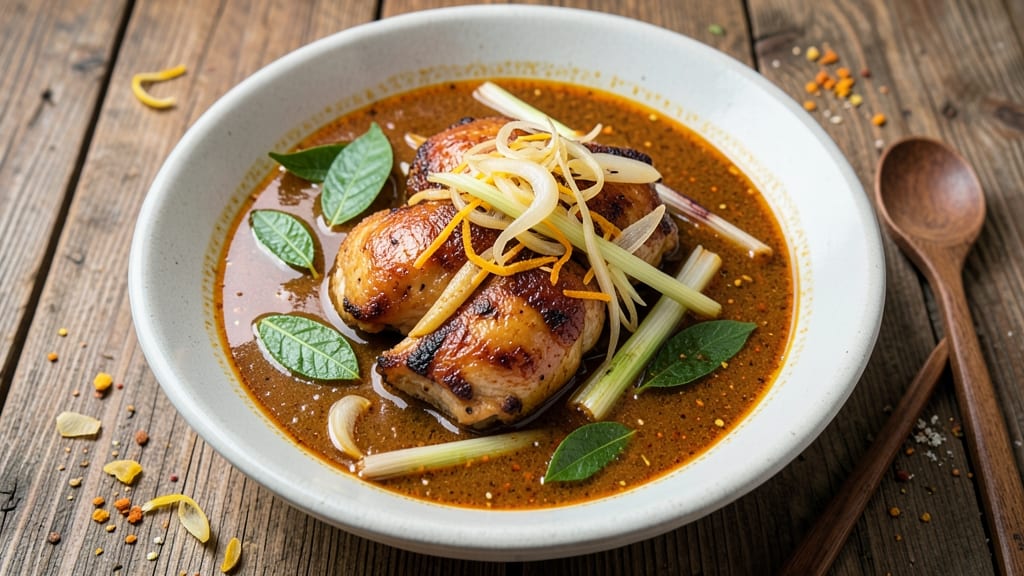
This authentic Malaysian chicken curry recipe brings the bold, aromatic flavors of Southeast Asia to your kitchen with just a few key techniques. The secret lies in the fragrant lemongrass and turmeric base, which infuses the chicken with deep, earthy warmth while keeping the dish balanced between spicy and creamy.
I've perfected this version over years of testing, ensuring every bite delivers the rich, complex taste of traditional Malaysian cooking without sacrificing approachability.
The process starts with a properly marinated chicken, where turmeric, coriander, and cumin work together to create that signature golden hue and aromatic depth.
The curry base is built slowly, allowing the spices to bloom and develop their full flavor before the coconut milk is added for that signature creamy texture. What sets this recipe apart is the careful balance of heat—adjustable to your preference—while maintaining the dish's authentic, fragrant profile.
By the time you serve this curry, you'll have tender chicken swimming in a velvety sauce that's fragrant with lemongrass, bright with turmeric, and just spicy enough to linger. The aroma alone will transport you to a bustling Malaysian street stall, while the flavors deliver restaurant-quality depth at home.
Serve it with steamed jasmine rice or crispy roti canai for the full experience.
This recipe is designed to be both authentic and adaptable, whether you're cooking for a family gathering or a weeknight dinner. The instructions walk you through each step—from marinating to simmering—with tips to ensure perfect results every time.
Let's get started on creating this fragrant, flavorful dish that captures the heart of Malaysian cuisine.
Ingredients for authentic malaysian chicken curry
These aromatic ingredients transform simple chicken into restaurant-quality Malaysian curry.
| Ingredient | Amount | Notes |
|---|---|---|
| Boneless Chicken Thighs 🍗 | 1 ½ lb | Skin-on preferred for flavor |
| Lemongrass Stalks 🌿 | 3 whole | White parts only, finely chopped |
| Fresh Turmeric 🌶️ | 1 tbsp | Grated, or 1 tsp ground turmeric |
| Fresh Galangal 🍋 | 2 tbsp | Grated, or substitute ginger |
| Kaffir Lime Leaves 🍋 | 4 whole | Bruised, or 1 tbsp lime zest |
| Shallots 🧅 | 4 whole | Finely minced, or sub onions |
| Garlic Cloves 🧄 | 6 cloves | Minced, or 1 tsp garlic powder |
| Ground Coriander 🌿 | 1 tbsp | Freshly ground preferred |
| Ground Cumin 🌿 | 1 tbsp | Toasted for deeper flavor |
| Red Curry Paste 🌶️ | 2 tbsp | Store-bought or homemade |
| Medium Tomatoes 🍅 | 2 whole | Blended into sauce |
| Coconut Milk 🥥 | 1 can (13.5 oz) | Full-fat for creaminess |
| Fish Sauce 🍶 | 1 tbsp | Red Boat brand preferred |
| Palm Sugar 🍯 | 1 tbsp | Or brown sugar |
| Fresh Chili Peppers 🌶️ | 2 whole | Bird's eye or Thai chili |
The chicken thighs are non-negotiable here—the skin adds flavor when crisped. Look for bone-in, skin-on thighs at Asian markets or the meat section of Whole Foods. Lemongrass and galangal are the soul of this dish; if you can't find fresh galangal, double the ginger. Kaffir lime leaves? Trader Joe's carries them year-round, or order online. For the curry paste, Maesri or Thai Kitchen brands are reliable. The shallots should be finely minced—almost paste-like for that authentic texture.
No lemongrass? Lime zest plus 1 tsp grated ginger is a decent swap, though it won't be identical. Fresh galangal unavailable? Ginger works, but reduce to 1 tbsp. The fish sauce is crucial—Red Boat is the gold standard, but any good-quality brand works. For heat, adjust chili count based on your tolerance. The tomatoes can be blended with the sauce or left whole if you prefer rustic texture. Coconut milk? Full-fat only—light versions won't give that velvety finish.
Store the curry paste in the fridge for up to 3 months or freeze for 6 months. Fresh lemongrass keeps 1 week wrapped in plastic. The cooked curry reheats beautifully—add 1-2 tbsp water if it thickens too much. Portion into containers for easy lunches; the flavors deepen overnight. For extra authenticity, serve with jasmine rice and a sprinkle of fresh cilantro.
Why You'll Love This Recipe
- No Chopping Chaos: I’ll be real—this curry only asks for three actual chops (lemongrass, galangal, turmeric) and the rest is just smashing or slicing. Those kaffir lime leaves? Tear them like lettuce—no knife skills required. Even my roommate, who once burned toast, nailed it.
- Umami Bomb: That galangal and turmeric combo? It’s like a secret handshake for flavor. The galangal adds this peppery, citrusy kick while the turmeric gives it that golden, earthy depth—no heavy spices to balance. The chicken thighs stay juicy, and the broth? Rich enough to make you forget takeout exists.
- Leftover Goldmine: This curry begs to be made in bulk. The flavors actually get better the next day—honestly, my freezer is always stocked with it. Toss it into rice bowls, wrap it in lettuce for a lazy lunch, or just heat it straight up. It’s the kind of dish that makes you feel like you’re feeding a crowd without the stress.
- Budget-Friendly Luxe: Chicken thighs are cheap, and the aromatics (lemongrass, galangal) stretch far. I’ve made this for $10 and fed four people—plus, the leftovers taste just as good. It’s the rare recipe where you get restaurant-quality depth without breaking the bank or spending hours in the kitchen.
Step-by-step instructions for authentic Malaysian chicken curry
Here's how to create a rich, aromatic curry that captures Malaysia's bold flavors.
Prepare the Aromatic Base
In a large pot over medium heat, add the 3 whole lemongrass stalks (cut into 2-inch pieces), 2 tbsp fresh galangal (grated), and 4 whole kaffir lime leaves (bruised). Let these aromatics sizzle gently for 2-3 minutes until fragrant—this releases their essential oils and forms the foundation of your curry.
Next, add the 4 whole shallots (finely minced) and 6 cloves garlic cloves (minced). Cook for another 3-4 minutes until the shallots soften and turn translucent. The garlic should be golden around the edges but not browned—this prevents bitterness. Here's the thing: don't rush this step. The deeper the aromatics cook, the more complex your curry's flavor profile will become.
Build the Curry Paste Foundation
Reduce the heat to low and stir in the 2 tbsp red curry paste. Let it cook for 1-2 minutes until the raw paste smell disappears and it develops a rich, oily sheen. This step is crucial—it allows the paste's spices to bloom and meld with your aromatic base.
Now add the 1 tbsp ground coriander and 1 tbsp ground cumin, stirring constantly for 30 seconds to distribute them evenly. The spices should smell warm and inviting. If you notice any dark spots forming, immediately remove the pot from heat—burnt spices will make your curry bitter. This is the moment that matters: proper spice integration creates the authentic depth Malaysian curry is known for.
Develop the Sauce with Tomatoes and Coconut
Increase heat to medium-high and add the 2 whole medium tomatoes (blended into a smooth purée). Let the tomato sauce simmer for 5-6 minutes until it thickens slightly and the acidity softens. This step builds the curry's body and balances the richness that will come from the coconut milk.
Pour in the 1 can (13.5 oz) coconut milk, stirring gently to combine. The sauce should immediately lighten in color and become velvety. Add the 1 tbsp fish sauce and 1 tbsp palm sugar, then stir well. Here's where it gets interesting—the fish sauce adds umami depth while the palm sugar creates a subtle sweetness that rounds out the flavors. Let the mixture simmer for 3-4 minutes until the coconut milk begins to thicken slightly.
Cook the Chicken to Perfection
Add the 1.5 lb boneless chicken thighs to the pot, arranging them in a single layer. The skin-side should face up if using skin-on thighs. Bring the heat to medium-high and let the chicken sear gently for 4-5 minutes until the skin is golden and crispy (if using skin-on thighs). This initial searing locks in juices and adds texture.
Reduce heat to low and cover the pot. Let the chicken simmer gently for 25-30 minutes, stirring occasionally, until the meat is fork-tender and the sauce has thickened to a luxurious consistency. You'll know it's ready when the chicken easily separates at the bone and the sauce coats the back of a spoon. If the sauce becomes too thick before the chicken is done, add 2-3 tablespoons of water to maintain the perfect balance.
Finish with Chili Heat and Rest
Remove the pot from heat and carefully add the 2 whole fresh chili peppers (whole, not chopped). Let them steep in the hot curry for 5 minutes—this infuses the sauce with heat without making it too spicy. The chilis will soften and release their capsaicin gradually, creating a subtle, lingering warmth.
Taste and adjust seasoning if needed—you might want to add a touch more fish sauce for saltiness or palm sugar for sweetness. Let the curry rest for 10 minutes before serving. This resting period allows all the flavors to meld together perfectly. The result should be a rich, aromatic curry with tender chicken swimming in a velvety sauce that balances heat, sweetness, and umami in every bite.
Pro Tips For Making Authentic Malaysian Chicken Curry
- BLEND THE STALKS, NOT THE LEAVES: I learned this the hard way—chopping lemongrass stalks into tiny pieces turns your curry into a mouthful of fibrous sawdust. Instead, slice them into 2-inch chunks and pound them lightly with the flat side of your knife (or a mortar) to release oils. The leaves? Tear them roughly—no need to chop, just toss them in whole for aroma.
- COOK THE AROMATICS LOW AND SLOW: After burning three batches of galangal and turmeric, I finally figured out: start with a cold pan. Add 1 tablespoon of oil, then the sliced galangal and turmeric (peeled, of course). Cook on low heat for 5 minutes until fragrant but not browned—this builds flavor without bitterness. My grandmother swore by this, and she was right: rushing this step makes the curry taste like medicine.
- SALT THE CHICKEN BEFORE SEARING: I skip this when I'm lazy, but the dish is noticeably better when I don’t. Pat the chicken thighs dry and season them generously with salt (about 1 teaspoon per pound) 30 minutes before cooking. This ensures they brown properly and absorb the spiced coconut milk later—no more bland, watery chicken in your curry.
- USE FROZEN GALANGAL IF NEEDED: Sounds weird, but it works: if fresh galangal is unavailable, use frozen slices (thawed) or even jarred galangal paste—just reduce the amount by half. The texture won’t be perfect, but the citrusy punch stays intact. For extra depth, add a splash of lime juice at the end to mimic the fresh version’s brightness.
Best sauces and condiments for this recipe
Coconut Milk Variations
For a richer texture, use full-fat coconut milk—brands like Thai Kitchen or Goya work perfectly. If you prefer lighter versions, light coconut milk still delivers flavor but with less creaminess.
For an ultra-authentic touch, blend 1 cup fresh coconut meat with 1 cup water and strain for homemade coconut milk. 🥥
Spice Level Control
Adjust heat with fresh chili peppers—remove seeds for milder heat or keep them for intensity. For extra depth, add 1 tsp chili flakes or ½ tsp cayenne pepper while simmering. If you love tang, stir in 1 tbsp tamarind paste at the end for brightness.
Umami Boosters
Enhance the sauce with 1 tbsp soy sauce or 1 tsp shrimp paste (like belacan) for deeper umami. A splash of fish sauce (up to 1 tbsp) balances flavors beautifully. For a smoky twist, add ½ tsp smoked paprika when building the paste foundation.
Sweetness Adjustments
Palm sugar is traditional, but brown sugar or honey works in a pinch. For caramelized depth, cook 1 tbsp sugar in the pot until melted before adding coconut milk. A pinch of white pepper at the end adds warmth without altering color.
Herb Finishes
Garnish with cilantro or Thai basil for freshness. For a floral note, add 2 tbsp chopped mint at the end. Toasted coconut flakes sprinkled on top add crunch and visual appeal.
Sauce Thickness Tips
If the sauce is too thin, simmer uncovered for 5-10 minutes to reduce. For extra creaminess, stir in 1 tbsp cornstarch mixed with 2 tbsp water at the end. For a rustic texture, leave it slightly chunky with whole tomatoes and lemongrass pieces.
Nutrition facts
Frequently asked questions
Can I substitute bone-in chicken for this recipe?
Bone-in chicken thighs work beautifully—they stay juicier and add extra flavor to the sauce. Just increase cooking time by 5-10 minutes to ensure the meat is fully tender. For best results, remove the chicken from the pot when it reaches 165°F internally, then let it rest before returning it to the sauce to finish warming through.
What makes this curry authentically Malaysian?
The magic lies in the aromatic blend of lemongrass, galangal, kaffir lime leaves, and red curry paste—these are the signature ingredients that define Malaysian curries. The balance of sweet (palm sugar), salty (fish sauce), and spicy (chili peppers) flavors, along with the slow simmering technique, creates that unmistakable depth and complexity you'd find in a street-side stall.
How do I make this curry less spicy?
Remove the seeds and membranes from the chili peppers before adding them to the curry, or use milder peppers like jalapeños instead of bird's eye chilies. For an extra mild version, reduce the chili count to just 1 pepper and add it for only 3 minutes before removing. Taste as you go—you can always add more chili later if needed.
Can I make this curry in an Instant Pot?
Yes! Sauté the aromatics (lemongrass, galangal, shallots, garlic) in the Instant Pot for 3 minutes on sauté mode, then add the curry paste and cook another 1 minute. Add the tomatoes, coconut milk, fish sauce, and sugar, then pressure cook for 12 minutes on high. Release pressure naturally before adding the chicken and finishing with the chili peppers. The texture will be slightly different but still delicious!
What's the best way to store leftovers?
Let the curry cool completely, then transfer to an airtight container. It keeps in the fridge for 4-5 days or freezes beautifully for up to 3 months. To reheat, warm gently on the stove with 1-2 tbsp water to restore creaminess. The flavors actually deepen overnight, making it perfect for meal prep!