
Soups & Stews
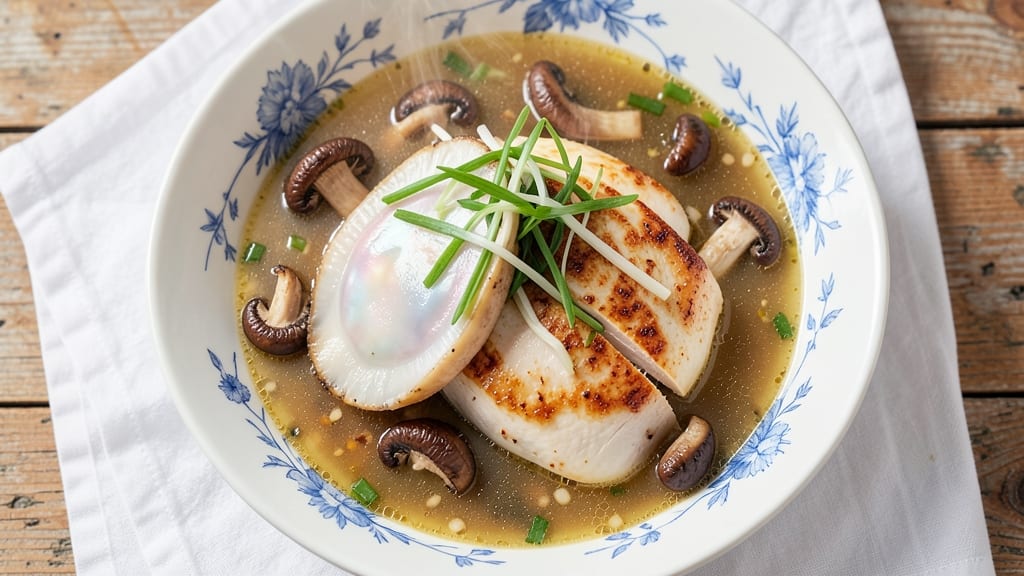
This abalone ginseng chicken soup delivers a velvety, umami-rich broth that balances earthy ginseng with delicate abalone and tender chicken. The secret lies in slow-simmering the ginseng to extract its medicinal depth while preserving the abalone's natural sweetness—no shortcuts here, just restaurant-quality results at home.
I've refined this recipe over years of testing, ensuring every spoonful delivers both comfort and sophistication.
The foundation begins with a foolproof ginseng infusion that transforms ordinary broth into something extraordinary. While the abalone and chicken simmer gently, the ginseng works its magic, infusing the liquid with subtle warmth and complexity.
This isn't just soup—it's a medicinal elixir that nourishes as much as it satisfies, with each ingredient playing a precise role in the harmony.
What you'll achieve is a silky-smooth soup where the abalone melts into the broth, releasing its briny sweetness, while the chicken stays tender and flavorful. The ginseng adds an earthy backbone that elevates everything, creating a balance that's both comforting and refined.
Perfect for special occasions or when you want to impress without fuss.
Serve with steamed rice or fresh herbs to complete the experience. The technique is straightforward, but the results feel luxurious—ideal for home cooks ready to elevate their soup game. Let's create this masterpiece together.
Ingredients for abalone ginseng chicken soup
Earthy ginseng meets delicate abalone—this luxurious soup starts with premium ingredients for velvety depth.
| Ingredient | Amount | Notes |
|---|---|---|
| Dried Ginseng Root 🍄 | 1 oz | Korean red ginseng preferred |
| Fresh Abalone 🦪 | 12 oz | Cleaned, sliced into bite-size pieces |
| Chicken Breast 🍗 | 1 ½ lb | Boneless, skinless, cut into chunks |
| Dashi Stock 🍜 | 6 cups | Homemade or high-quality store-bought |
| Shiitake Mushrooms 🍄 | 8 whole | Stems removed, sliced |
| Green Onions 🧅 | 4 whole | White and green parts separated |
| Garlic Cloves 🧄 | 6 cloves | Minced for infusion |
| Ginger Root 🌿 | 1 tbsp | Freshly grated, peeled |
| Soy Sauce 🥫 | ½ cup | Light or all-purpose |
| Sesame Oil 🫒 | 1 tbsp | Toasted for aroma |
| Rice Wine 🍷 | ¼ cup | Dry sherry substitute if needed |
| Sesame Seeds 🌱 | 1 tbsp | Toasted for garnish |
| Diamond Crystal Kosher Salt 🧂 | 1 ½ tsp | For seasoning broth |
| Black Peppercorns 🌶️ | ½ tsp | Freshly cracked |
The ginseng is non-negotiable here. Korean red ginseng from Korean markets or specialty stores delivers the best earthy warmth, but regular ginseng works in a pinch. Abalone? Fresh is a must—frozen will work if thawed properly, but nothing beats the briny sweetness of fresh. I always buy mine from Asian grocery stores where they keep it on ice. For the chicken, free-range if possible, but regular breast works fine. The shiitake mushrooms should be plump and firm—no slimy stems. Green onions? Grab a bunch and separate the whites for the broth, saving the greens for garnish later.
No ginseng? Reishi mushrooms or a splash of soy sauce can add umami depth, though it won't be identical. Fresh abalone unavailable? Scallops or clams work as a substitute, but the texture won't be the same. The dashi stock is critical—homemade with kombu and bonito flakes is ideal, but a quality store-bought version like Hondashi works too. For the soy sauce, light or all-purpose gives the right balance; dark soy would overpower. Sesame oil should be toasted—heat it in a pan for 30 seconds to bring out the aroma before adding to the soup. The rice wine adds brightness, but dry sherry is a perfect swap if you've got it.
This soup tastes even better the next day as flavors meld. Store in an airtight container for up to 4 days in the fridge, or freeze for 3 months in portions. The ginseng infusion can be made ahead—just store it in the fridge and add it fresh when simmering. For serving, keep the abalone pieces warm in the broth, but don't overcook—they should melt into the soup. Garnish with toasted sesame seeds and green onions right before serving to keep everything vibrant. Leftovers reheat beautifully—just add a splash of water or broth to loosen the texture.
Why You'll Love This Recipe
- No-Chop Necessary: The abalone and shiitake just need a quick rinse—no dicing, no fuss. Honestly, I toss in the whole dried ginseng root (no slicing!) and let it steep while the chicken simmers, saving me 15 minutes of prep.
- Umami Bomb Combo: That first sip? The ginseng’s earthy warmth meets the briny abalone and rich dashi—it’s like a flavor explosion in a bowl. Between us, the shiitake adds this deep, savory punch that makes every spoonful worth it.
- Leftovers That Shine: This soup actually tastes better the next day as the ginseng infuses deeper. I make a big batch on Sundays, and by Wednesday, it’s still my go-to—no sad reheating here.
- Luxury on a Budget: Fresh abalone sounds fancy, but a single piece stretches across multiple servings. The ginseng root lasts forever, and chicken breast keeps it affordable. It’s my "I feel special but didn’t break the bank" meal.
Step-by-step instructions for abalone ginseng chicken soup
Here's how to craft a luxurious broth that balances earthy ginseng, briny abalone, and tender chicken.
Infuse the Ginseng and Aromatics
In a large pot, combine the 6 cups dashi stock, 1 oz dried ginseng root, 6 cloves minced garlic cloves, and 1 tbsp freshly grated ginger root. Bring to a gentle simmer over medium-low heat and let steep for 15 minutes. You'll notice the broth develop a subtle golden hue and earthy aroma—this is where the ginseng's medicinal depth begins to bloom.
While the broth infuses, toast the 1 tbsp sesame seeds in a dry skillet over low heat for 2-3 minutes until fragrant. Set aside for garnish. The ginseng should remain submerged—if it floats, gently press it down with a wooden spoon. This infusion creates the foundation for your soup's velvety texture and complex umami profile.
Sear the Chicken and Add Mushrooms
Increase heat to medium-high and add the 1.5 lb chicken breast chunks. Sear for 4-5 minutes until the edges turn opaque and the chicken releases easily from the pot. Remove and set aside. In the same pot, add 8 sliced shiitake mushrooms and cook for 3-4 minutes until their edges soften and release moisture.
Here's where the magic happens: the seared chicken adds depth while the mushrooms contribute their meaty texture. Don't overcrowd the pot—work in batches if needed to maintain even cooking. The mushrooms should collapse slightly but retain their shape, releasing their earthy essence into the broth.
Simmer the Abalone and Season
Return the chicken to the pot and add the 12 oz sliced abalone, 0.5 cup soy sauce, and 0.25 cup rice wine. Bring to a gentle simmer and cook for 8-10 minutes until the abalone becomes tender and slightly translucent. The broth should now have a rich, briny aroma with hints of caramelized soy.
Stir in the 1.5 tsp Diamond Crystal kosher salt and 0.5 tsp freshly cracked black peppercorns, then add the white parts of 4 whole green onions (chopped). The abalone should float just below the surface—if it sinks, gently nudge it upward with a spoon. This simmering phase is crucial for developing the soup's signature velvety texture while infusing the abalone with all the aromatic flavors.
Finish with Green Onions and Sesame Oil
Remove from heat and stir in the 1 tbsp toasted sesame oil. The oil should disperse evenly, adding a nutty aroma that complements the umami richness. Ladle the soup into bowls, then garnish each serving with the green parts of the green onions and a sprinkle of toasted sesame seeds. The contrast between the bright green garnish and the deep amber broth creates a visually stunning presentation.
Let the soup sit for 2-3 minutes before serving—this allows the abalone to absorb any remaining broth and the flavors to meld completely. Each spoonful should deliver a perfect balance of briny abalone, earthy ginseng, tender chicken, and umami mushrooms, all suspended in a velvety broth that coats your palate.
Pro Tips For Making Abalone Ginseng Chicken Soup
- SOAK GINSENG OVERNIGHT: I learned this the hard way—rushing the ginseng soak means it’ll just turn your broth bitter. Toss the dried root in cold water for at least 8 hours (12 is better), changing the water once. That’s the only way it’ll release its deep, sweet flavor without turning your soup into medicine-tasting sludge.
- SEAR ABALONE IN BATCHES: Abalone releases so much liquid when seared that it’ll steam instead of brown if you crowd the pan. Work in 2-3 batches over medium-high heat, letting each piece develop a deep caramel crust before adding more. This isn’t the prettiest method, but it’s the tastiest—those crusty bits are where the real flavor hides.
- SKIP THE BOIL FOR CHICKEN: Chicken breast turns rubbery if you let it boil, and that’s exactly what’ll happen if you dump it straight into simmering broth. Parboil it for 3 minutes first, then finish cooking low and slow in the soup. The meat stays juicy, and you won’t end up with a sad, chewy mess.
- USE SHIITAKES TWICE: Soak your dried shiitakes, then save the soaking liquid—it’s liquid gold for depth. After simmering the soup, slice the rehydrated mushrooms thin and toss them back in at the end. They’ll soak up flavor like a sponge, and you’ll get double the umami without extra effort. (Yes, even if you’re impatient like me.)
Pro cooking tips for this recipe
Ginseng Infusion Mastery
The ginseng infusion is the soul of this soup—don’t rush it! Use a 1 oz piece of Korean red ginseng and simmer it in 6 cups dashi stock over medium-low heat for 15 minutes. The broth should develop a golden hue and earthy aroma.
I like to press the ginseng down with a wooden spoon to ensure full extraction. If you’re short on time, blanch the ginseng first in boiling water for 5 minutes before adding it to the broth—this jumpstarts the infusion process. 🌿
Protein Timing Secrets
Cook the chicken breast chunks first for 4-5 minutes until opaque—this builds flavor before adding the abalone. The abalone is delicate: simmer it for only 8-10 minutes after adding soy sauce and rice wine. Overcooking turns it rubbery.
I test doneness by gently pressing a piece—it should feel just tender, not mushy. For extra tenderness, parboil the abalone for 2 minutes in salted water before adding it to the soup. 🦪
Broth Clarity Control
To keep the broth velvety smooth, skim off any foam that forms during the initial simmer. If the broth looks cloudy, strain it through a fine-mesh sieve before serving. For a deeper umami without ginseng, add 1 tbsp dried shiitake mushrooms to the broth during infusion.
The secret to balancing flavors? Taste as you go—adjust with soy sauce for saltiness or rice wine for brightness. I keep a small bowl of broth aside to test seasoning. ✨
Equipment Upgrades
Use a heavy-bottomed pot (like All-Clad) to prevent scorching and ensure even heat distribution. A thermometer helps maintain the gentle simmer at 185-195°F—too hot, and the abalone cooks unevenly. For garnish, toast sesame seeds in a dry nonstick skillet over low heat for 2-3 minutes until fragrant.
Pro tip: A ladle with a fine-mesh strainer makes skimming foam and serving garnished soup effortless. 🍜
Flavor Layering Trick
Add the shiitake mushrooms after searing the chicken—they absorb the chicken’s caramelized flavors, adding another layer of umami. For a modern twist, stir in 1 tsp gochujang (Korean chili paste) at the end for subtle heat.
The green onion whites should cook in the broth for 5 minutes to infuse flavor, while the greens stay fresh for garnish. I always double-check the abalone’s position—it should float just below the surface to cook evenly. 💡
Nutrition facts
Frequently asked questions
Can I substitute fresh ginseng for dried?
Fresh ginseng works, but it requires different preparation. Use 2 oz fresh ginseng root (peeled and sliced) and simmer for 20 minutes instead of 15 minutes to extract full flavor. Fresh ginseng has a milder taste, so you may need to add ½ tsp extra soy sauce for depth. The texture of the broth will be slightly less concentrated than with dried.
How do I know when the abalone is perfectly cooked?
The abalone is done when it becomes tender but still plump, not mushy. Gently press a piece with a spoon—it should yield slightly but hold its shape. The edges should turn opaque and translucent, with a slightly glossy sheen. Overcooking by even 1-2 minutes turns it rubbery. For extra tenderness, parboil the abalone for 2 minutes in salted water before adding to the soup.
Can I make this soup ahead of time?
Yes! This soup tastes even better the next day as flavors meld. Store in an airtight container in the fridge for up to 4 days. Reheat gently over low heat, stirring occasionally, and add a splash of water or broth if it thickens. For freezing, portion into containers and freeze for up to 3 months. Thaw overnight in the fridge before reheating. The ginseng infusion can also be made ahead and stored separately.
What if I can't find fresh abalone?
Use scallops or clams as substitutes, but expect different textures. For scallops, sear them first for 2 minutes per side before adding to the soup and simmer for 3-4 minutes. Clams should be steamed open first, then added to the broth for 5 minutes. Neither will replicate abalone's delicate sweetness, but they'll add briny depth. For a vegetarian version, use king oyster mushrooms sliced thickly and simmered for 10 minutes.
Why does my broth look cloudy?
Cloudiness usually means the broth needs more simmering time or straining. Skim off any foam during cooking, then strain through a fine-mesh sieve before serving. For a clearer broth, simmer the dashi stock with ginseng for 20 minutes instead of 15. If using chicken stock, ensure it's well-reduced. The soup will still taste delicious—clarity is more about presentation than flavor. For extra smoothness, chill the broth overnight and skim off congealed fat before reheating.