
Main Courses
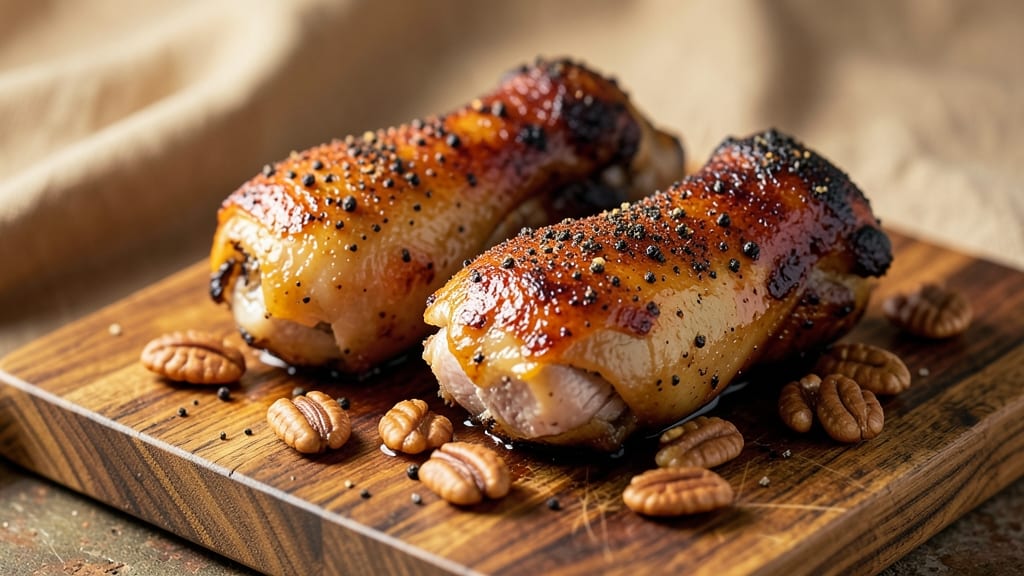
Transforming simple chicken legs into smoky, crispy-skinned perfection on your Traeger is easier than you think. The key lies in precise temperature control and strategic pellet choice to develop that signature wood-fired flavor without drying out the meat.
After years of testing different wood blends and cooking times, I’ve perfected a method that delivers crispy skin and juicy meat every time—no guesswork required.
This recipe works best with a two-zone approach: starting with indirect heat to cook the meat through, then finishing under direct heat to crisp the skin. I recommend using hickory or applewood pellets for a balanced smoky flavor, but avoid overly strong woods like mesquite that can overpower the chicken.
The secret to that perfect texture? A simple dry rub and patience—let the Traeger do the work while you monitor the internal temperature.
By the time you pull those legs off the grill, you’ll have golden, crackling skin that gives way to tender, succulent meat with every bite.
The aroma alone will have your kitchen smelling like a Southern BBQ joint, and the combination of smoky depth and crispy exterior makes these legs ideal for game day or a weekend feast. Resting them for just 5 minutes ensures juices stay locked in before serving.
Pair with classic sides like roasted potatoes or creamy coleslaw to complete the meal, or serve over a bed of greens for a lighter option. The versatility of these chicken legs means they adapt to any occasion while delivering restaurant-quality results at home.
Ingredients for traeger chicken legs
Just a handful of pantry staples and fresh herbs. That's all you need for smoky, crispy Traeger perfection.
| Ingredient | Amount | Notes |
|---|---|---|
| Chicken Legs 🍗 | 4 whole | Bone-in, skin-on, similar size |
| Hickory Wood Pellets 🌳 | 2 cups | For balanced smoky flavor |
| Applewood Wood Pellets 🌳 | 1 cup | Optional for milder smoke |
| Kosher Salt 🧂 | 1 ½ tbsp | Coarse grain preferred |
| Black Peppercorns 🌶️ | 1 tbsp | Freshly cracked preferred |
| Smoked Paprika 🌶️ | 1 tbsp | For extra smoky depth |
| Garlic Powder 🧄 | 1 tsp | Not garlic salt |
| Onion Powder 🧅 | 1 tsp | For subtle sweetness |
| Brown Sugar 🍚 | 1 tbsp | Helps crisp skin |
| Olive Oil 🫒 | 1 tbsp | Extra-virgin for richness |
| Lemon Juice 🍋 | 1 tbsp | Freshly squeezed |
| Fresh Rosemary 🌿 | 1 sprig | Chopped, for aroma |
| Fresh Thyme 🌿 | 1 sprig | Chopped, for brightness |
The chicken legs are the star—look for similar-sized pieces so they cook evenly. Trader Joe's and Costco often have great deals on bone-in, skin-on legs, and they're worth the splurge for this recipe. Fresh herbs make all the difference here, so grab them the same day you cook. If you're short on time, dried thyme at one-third the amount works, but fresh is ideal. The wood pellets? Hickory gives that classic BBQ flavor, while applewood adds a touch of sweetness—mix them up for balance. Avoid mesquite, though; it can overpower the chicken's natural flavor.
No smoked paprika? Regular paprika plus a pinch of liquid smoke gets you close. Short on fresh herbs? Dried rosemary and thyme work, but use half the amount. The brown sugar helps crisp the skin, but if you're watching sugar, substitute with a pinch of cayenne for heat instead. Olive oil matters here—use extra-virgin for richness, not that cheap canola oil. And trust me on the lemon juice—it brightens everything up and keeps the skin from getting too bitter. If you're making these ahead, prep the dry rub in advance and store it in a jar for up to 2 weeks.
These legs reheat beautifully—just 10 minutes at 350°F in the oven with a splash of water keeps them juicy. Store leftovers in the fridge for 4 days, or freeze for 3 months (they actually taste better after a few days, honestly). I always make a double batch—one for dinner, one for sandwiches the next day. The skin gets extra crispy when reheated, so it's worth it. And if you've got extra pellets, toss a few on the grill while reheating for that smoky aroma boost.
Why You'll Love This Recipe
- Reheating these is a breeze: 10 minutes at 350°F with a splash of water, and they’re just as good as day one. Perfect for meal prep or packing lunches—no sad, dry chicken here.
- No-Fuss Seasoning: Honestly, this dry rub takes all of five minutes to mix—just toss everything in a bowl, slap it on the chicken, and you’re done. No measuring madness, no fancy prep. The brown sugar and smoked paprika work together to give that perfect caramelized crust without any extra effort.
- Smoky-Sweet Perfection: The hickory and applewood pellets create this chef’s kiss balance—bold smoke meets a touch of sweetness from the wood, and the lemon juice cuts through the richness just right. That crispy skin? Pure satisfaction.
- Leftovers That Shine: Reheating these is a breeze: 10 minutes at 350°F with a splash of water, and they’re just as good as day one. Perfect for meal prep or packing lunches—no sad, dry chicken here.
Step-by-step instructions for smoky crispy chicken legs
Here's how to transform simple chicken legs into restaurant-quality smoked perfection.
Prepare the Chicken for Maximum Flavor
Remove the chicken legs from the refrigerator and let them sit at room temperature for 30 minutes. This ensures even cooking. Pat the skin completely dry with paper towels—this is crucial for crispy skin. Any moisture left behind will steam the skin instead of crisping it.
In a small bowl, combine 1.5 tablespoons kosher salt, 1 tablespoon black peppercorns, 1 tablespoon smoked paprika, 1 teaspoon garlic powder, 1 teaspoon onion powder, and 1 tablespoon brown sugar. Mix well to create a balanced seasoning blend. The brown sugar helps caramelize the skin for extra crispiness.
Rub this mixture all over the chicken legs, pressing it into the skin and into any crevices. Then, in a separate small bowl, mix 1 tablespoon olive oil and 1 tablespoon lemon juice. Brush this mixture evenly over the seasoned chicken legs. The acid in the lemon juice will help tenderize the meat slightly while adding brightness.
Set Up the Traeger for Perfect Smoke
Fill your Traeger with 2 cups hickory wood pellets and 1 cup applewood wood pellets. The hickory provides bold, classic smoke flavor while the applewood adds a subtle sweetness that balances the richness of the chicken. I like to use a mix because it creates a more complex flavor profile than hickory alone.
Set the Traeger to 225°F and allow it to preheat for 15-20 minutes until you see clean, blue smoke. This temperature is ideal for low-and-slow cooking that develops deep flavor without drying out the meat. Place a water pan in the smoker to help maintain moisture in the air during the cook.
Once the Traeger reaches temperature, place the seasoned chicken legs skin-side up on the grill grates. The skin-side up position allows the fat to render slowly and baste the meat as it cooks, contributing to both flavor and moisture.
Smoke the Chicken Low and Slow
Smoke the chicken legs for 2 hours, maintaining the 225°F temperature. During this time, resist the urge to open the lid—every time you peek, you lose heat and extend the cooking time. The chicken will develop a beautiful smoke ring and begin to pull away slightly from the bone as it cooks.
After 2 hours, check the internal temperature using a meat thermometer. Insert the probe into the thickest part of the meat, avoiding the bone. The chicken is ready when it reaches 165°F internally. The skin should be golden brown and crispy, with a slight sheen from the rendered fat.
If the skin isn't as crispy as you'd like, you can increase the temperature to 275°F for the last 30 minutes of cooking. This higher heat will help crisp up the skin without overcooking the meat. Just keep an eye on it to ensure it doesn't burn.
Finish with Fresh Herbs for Brightness
Once the chicken reaches 165°F, remove it from the Traeger and transfer it to a cutting board. Chop 1 sprig fresh rosemary and 1 sprig fresh thyme finely. Sprinkle these chopped herbs evenly over the chicken legs and let them rest for 5 minutes. This final step adds a bright, aromatic finish that complements the smoky flavors.
During the resting period, the juices redistribute throughout the meat, ensuring each bite is moist and flavorful. The herbs will also infuse the chicken with their essential oils, enhancing the overall aroma and taste.
Serve the chicken legs immediately, cutting through the skin to showcase the crispy exterior and juicy interior. The combination of smoky, sweet, and herby flavors makes this dish truly special.
Pro Tips For Making Traeger Chicken Legs
- Avoid the 225°F Trap: I used to leave the chicken at 225°F all the way through, and the skin always came out soft instead of crispy. After 2 hours, bump it to 275°F for the last 30 minutes—just enough time to render that fat and lock in the crust without drying the meat out. (Yes, even if you’re impatient like me.)
- Crack Those Peppercorns: Whole black peppercorns? Skip it. Freshly cracked pepper makes a real difference in this recipe—they release more aroma and bite. A quick pulse in a mortar or spice grinder does the trick, and it’s worth the effort for that restaurant-quality finish.
- Don’t Skip the Water Pan: That water pan isn’t just for show. It keeps the air moist enough to prevent the chicken from drying out, especially when you’re cooking low and slow. If you forget it, the meat will fight you—trust me, I’ve learned this the hard way.
- Prep the Rub Ahead: Mix the dry rub (salt, pepper, smoked paprika, garlic powder, onion powder, brown sugar) up to 2 weeks early and store it in a jar. It’ll save you time on cook day, and the flavors meld even better when prepped in advance. (Bonus: It’s ready the second you pull the chicken from the fridge.)
Perfect pairings for this recipe
Classic BBQ Sides
Nothing complements smoky Traeger chicken legs like creamy coleslaw—its tangy crunch balances the richness perfectly.
Toss 1 head green cabbage and 2 carrots shredded with ½ cup mayo, 2 tbsp apple cider vinegar, 1 tbsp honey, 1 tsp celery seeds, and ½ tsp smoked paprika. For a Southern twist, add ¼ cup buttermilk and 2 tbsp chopped red onion.
Serve chilled for that refreshing contrast. 🥬
Roasted baby potatoes are another crowd-pleaser. Toss 2 lbs baby potatoes with 2 tbsp olive oil, 1 tsp garlic powder, ½ tsp smoked paprika, and ½ tsp salt. Roast at 425°F for 30 minutes until crispy. The caramelized edges add texture that pairs beautifully with the crispy chicken skin.
Fresh Garden Pairings
A simple arugula salad with 1 tbsp lemon vinaigrette (mix 3 tbsp olive oil, 1 tbsp lemon juice, ½ tsp Dijon mustard, and salt) adds brightness.
Toss with ½ cup cherry tomatoes and ¼ cup toasted walnuts for crunch. The peppery greens cut through the smoky fat, cleansing the palate between bites. 🌿
For a heartier option, serve with grilled zucchini and bell peppers. Brush 2 medium zucchini and 1 bell pepper with 1 tbsp olive oil, sprinkle with ½ tsp smoked paprika, and grill for 8-10 minutes until tender.
The smoky char on the veggies mirrors the chicken’s flavor profile.
Sauce Elevations
Drizzle the chicken with homemade honey mustard sauce for a sweet-spicy kick. Mix ¼ cup Dijon mustard, 2 tbsp honey, 1 tbsp apple cider vinegar, and 1 tsp smoked paprika. The tangy heat enhances the smoky depth without overpowering it. 🍯
For a creamy option, whip up smoky ranch dressing by blending ½ cup mayo, ¼ cup buttermilk, 1 tbsp chopped fresh dill, 1 tsp garlic powder, and ½ tsp smoked paprika.
Serve it as a dip or drizzle over the chicken for extra moisture and flavor.
Beverage Harmony
A crisp Southern-style sweet tea (brew 4 tea bags in 4 cups hot water, sweeten with ½ cup sugar, and chill) complements the smoky richness. The sweetness balances the salt and heat, making every sip refreshing. ☕
For beer lovers, a light lager like Leinenkugel’s Summer Shandy or Model City Brewing’s Pale Ale pairs perfectly. The subtle maltiness won’t compete with the chicken’s bold flavors but enhances the overall meal. 🍺
Nutrition facts
Frequently asked questions
Why does the recipe specify smoking chicken legs at 225°F
instead of higher heat?
Smoking at 225°F creates that perfect balance of crispy skin and juicy meat by cooking the chicken slowly. This low-and-slow method allows the fat to render gradually, basting the meat while developing deep, smoky flavors without drying it out. Higher heat would crisp the skin too quickly, leaving the inside undercooked or dry.
What if my Traeger doesn't have a water pan? Can I still use this recipe?
While a water pan helps maintain moisture in the air, you can still achieve great results without it. Just keep an eye on the chicken and add a splash of water to the grill grates if the skin looks dry. The key is to avoid opening the lid too often to prevent heat loss. Your chicken will still turn out flavorful and crispy!
Can I use bone-in, skinless chicken legs instead of bone-in, skin-on?
Skin-on legs are ideal for crispy results, but if you have skinless legs, you’ll need to adjust your approach. Skip the olive oil and lemon juice brush—just focus on the dry rub and cook them at 275°F for 45-60 minutes, flipping halfway. The skinless version won’t get as crispy, but the meat will still be juicy and smoky.
How do I tell when the chicken is fully cooked without cutting into it?
Use a meat thermometer to check the thickest part of the meat, avoiding the bone. The chicken is done when it reaches an internal temperature of 165°F. You’ll also notice the skin is golden brown and crispy, and the meat pulls away slightly from the bone. No guessing needed!
Why is resting the chicken important after smoking?
Resting for 5 minutes allows the juices to redistribute throughout the meat, ensuring every bite is moist and flavorful. If you cut into the chicken too soon, the juices will spill out, leaving you with dry meat. Plus, it gives you time to sprinkle those fresh herbs for that final aromatic boost!