
Main Courses
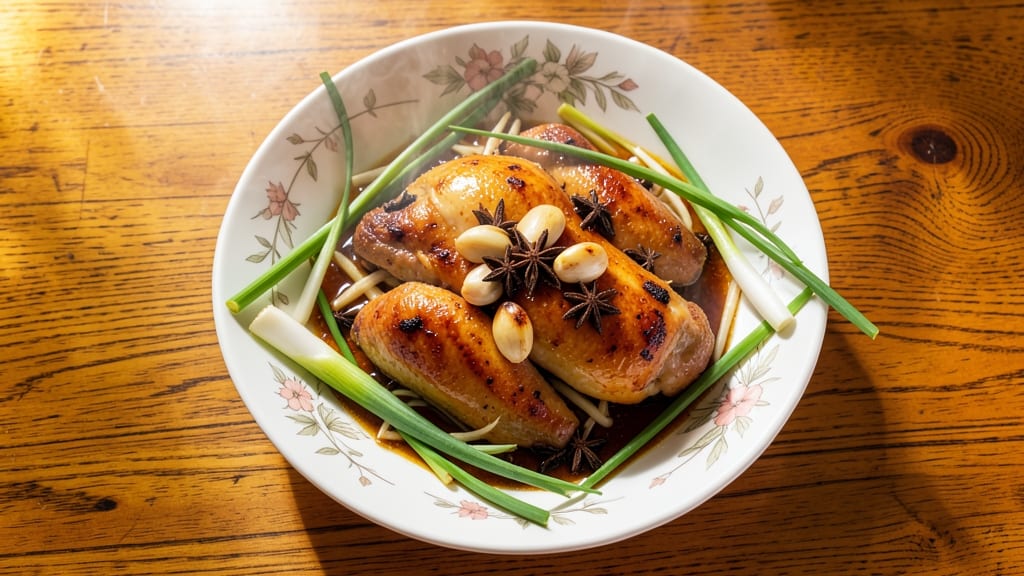
This steamed chicken recipe transforms simple ingredients into a light, flavorful main course that requires no oil and minimal cleanup. After years of perfecting my grandmother’s Sunday roast chicken, I developed this method to retain moisture while building deep flavor through marinades and aromatics.
The result is tender, juicy chicken that feels indulgent without the guilt.
The secret lies in a two-step marinade—first with citrus and herbs to tenderize, then with soy and spices to develop umami depth. Steaming at 212°F ensures even cooking without drying, while the bamboo basket method distributes heat perfectly.
Unlike fried or roasted chicken, this stays moist and tender from edge to edge.
What you’ll end up with is restaurant-quality chicken that’s naturally flavorful, served with bright sides like ginger scallions or sesame greens. The aroma alone will have your kitchen smelling like a dim sum cart, and the clean cooking method makes it ideal for weeknights or family dinners.
This recipe scales beautifully—double the marinade for a crowd, or halve it for leftovers that reheat perfectly. The technique works with thighs, breasts, or even whole chicken, proving that healthy cooking doesn’t mean sacrificing taste. Let’s get started with a method that’s as foolproof as it is delicious.
Ingredients for steamed chicken
Bright aromatics and umami-rich marinades transform simple chicken into a restaurant-worthy steamed dish.
| Ingredient | Amount | Notes |
|---|---|---|
| Boneless, Skinless Chicken Thighs 🍗 | 1 ½ lb | Trimmed of excess fat |
| Fresh Lemongrass 🌿 | 3 whole | Bottom stalks only, bruised |
| Fresh Ginger Root 🧅 | ½ cup | Julienned, peeled |
| Green Onions 🧅 | ¼ cup | White and green parts separated |
| Garlic Cloves 🧄 | 6 cloves | Smashed, not minced |
| Low-Sodium Soy Sauce 🍶 | ⅓ cup | Kikkoman preferred |
| Sesame Oil 🫒 | 1 tbsp | Toasted, not flavored |
| Honey 🍯 | 2 tbsp | Wildflower preferred |
| Rice Vinegar 🍶 | 2 tbsp | White or seasoned |
| Star Anise Pods 🌟 | 2 whole | Lightly crushed |
| White Peppercorns 🌶️ | ½ tsp | Freshly cracked |
| Diamond Crystal Kosher Salt 🧂 | 1 tsp | For seasoning only |
| Coconut Water 🥥 | ½ cup | Unsweetened, chilled |
| Bamboo Steaming Basket 🌿 | 1 whole | Fits 13x9-inch pan |
The star anise and lemongrass create that signature dim sum aroma—look for plump, pale stalks with tight leaves. Whole Foods or Asian markets carry the best quality, but the frozen section at Trader Joe's works in a pinch. Fresh ginger should be firm and free of soft spots; Costco sells giant roots perfect for this. The soy sauce matters here—Kikkoman is the gold standard, but low-sodium versions prevent over-salting. For the lemongrass, use the bottom 3 inches of the stalk where the flavor is most concentrated—discard the fibrous top.
No lemongrass? Substitute 1 tbsp lime zest plus 1 tbsp lime juice, though it won't replicate the depth. Star anise unavailable? 1/2 tsp ground anise seed works, but the whole pods add complexity. The ginger can be substituted with 1 tbsp ginger paste if you're in a hurry, though fresh is ideal. For the green onions, scallions are interchangeable, but the white parts add more subtle sweetness. The coconut water keeps the chicken moist—unsweetened almond milk is a neutral substitute, though it lacks the mineral balance. Always measure the soy sauce precisely; Diamond Crystal kosher salt is essential for balancing flavors.
Marinade keeps for 3 days in the fridge, though the chicken should be cooked within 24 hours for best texture. The bamboo basket can be washed and reused indefinitely—just soak in warm water after each use. Leftover chicken reheats beautifully in the steamer for 2-3 minutes or in a skillet with a splash of water. Store cooked chicken airtight for 4 days or freeze for 3 months. The marinade aromatics intensify when refrigerated, so make extra for future uses.
Why You'll Love This Recipe
- No Mess, Just Magic: I love that this recipe turns a simple pot of water into a flavor powerhouse with just a bamboo basket and a few aromatics. The fresh lemongrass and ginger bruised right into the marinade? No chopping frenzy—just smash, pour, and forget about prep stress.
- Flavor Bomb in 15 Minutes: The smashed garlic and star anise steaming directly on top of the chicken? That’s how you get that restaurant-worthy aroma without overpowering. The honey and rice vinegar in the marinade keep it bright and balanced—no bland chicken here.
- Leftover Hero: Honestly, this is my secret weapon for Tuesday nights. The chicken reheats so well—just a quick steam or splash of water in a pan—and tastes just as good the next day. My kids even ask for seconds (which, yes, even on a Tuesday night).
- Budget-Friendly Luxury: You’re using boneless, skinless thighs—cheaper than breasts, but just as juicy—plus pantry staples like soy sauce and coconut water. The green onions add freshness without costing an arm and a leg. Flavor like you splurged, but your wallet won’t complain.
Step-by-step instructions for steamed chicken with fragrant aromatics
Master this technique for perfectly tender chicken infused with bright, aromatic flavors—no heavy grease needed.
Prepare the Aromatic Base
In a small bowl, combine the 0.5 cup fresh ginger root (julienned), 6 cloves garlic cloves (smashed), 2 whole star anise pods (lightly crushed), and 0.5 tsp white peppercorns. This aromatic blend forms the flavor foundation for your steamed chicken. The ginger and garlic should release their oils as they steam, while the star anise and peppercorns add subtle depth without overpowering.
In a separate small bowl, whisk together the 0.33 cup low-sodium soy sauce, 2 tbsp honey, 2 tbsp rice vinegar, and 1 tbsp sesame oil. This marinade will tenderize the chicken while adding sweetness and acidity. The honey balances the saltiness of the soy sauce, and the rice vinegar ensures brightness. Let this marinade sit while you prepare the remaining ingredients.
Marinate and Assemble the Chicken
Pat the 1.5 lb boneless, skinless chicken thighs dry with paper towels—this ensures even steaming and prevents a watery texture. Place the chicken in a shallow dish and pour the marinade over it, coating all sides evenly. Let it marinate for at least 15 minutes at room temperature, or up to 30 minutes in the refrigerator if prepping ahead. This step guarantees the chicken absorbs maximum flavor and remains juicy.
While the chicken marinates, prepare the bamboo steaming basket by placing it in a large pot with a tight-fitting lid. Add 0.5 cup coconut water to the bottom of the pot—this creates steam without overpowering the chicken’s flavor. The coconut water also adds a subtle sweetness that complements the marinade. Bring the water to a gentle simmer over medium heat and let it steam for 2 minutes to preheat the basket.
Steam the Chicken to Perfection
Using a slotted spoon, carefully transfer the marinated chicken to the preheated bamboo steaming basket. Arrange the thighs in a single layer, ensuring they don’t overlap—this allows even heat distribution. Place the prepared aromatic base (ginger, garlic, star anise, and peppercorns) directly on top of the chicken. The steam will infuse the aromatics into the meat, creating layers of flavor.
Cover the pot with the lid and steam the chicken over medium heat for 12-15 minutes. The chicken is done when it reaches an internal temperature of 165°F and the juices run clear when pierced with a fork. Avoid lifting the lid during cooking—this disrupts the steam and prolongs the process. If the water in the pot begins to evaporate before the chicken is finished, add 2-3 tablespoons of hot coconut water to maintain steady steaming.
Rest and Garnish for Serving
Once the chicken reaches 165°F, remove it from the steamer and transfer it to a cutting board. Tent loosely with aluminum foil and let it rest for 5 minutes. This resting period allows the juices to redistribute, ensuring each bite is moist and flavorful. While the chicken rests, finely chop the 0.25 cup green onions (white and green parts separated) for garnish.
Slice the chicken against the grain into ½-inch thick pieces and arrange on a platter. Drizzle any remaining marinade or steaming juices over the top, then sprinkle with the chopped green onions. The result is tender, aromatic chicken with a delicate balance of sweet, savory, and herbal notes—all achieved without excess grease.
Pro Tips For Making Steamed Chicken
- Bruise That Ginger: DESCRIPTION: I learned this the hard way—julienned ginger alone won’t release its oils properly. Lightly smash the 0.5 cup peeled ginger with the flat side of your knife before julienning, or wrap it in plastic and hit it with a rolling pin. The broken cells = more flavor in the steam, and your chicken will taste like it’s been simmering in a ginger bath.
- Don’t Crowd the Basket: DESCRIPTION: Chicken thighs need space to steam, not a sardine can. If yours overlap, they’ll turn out uneven—some overcooked on the edges, others still raw inside. Arrange them in a single layer, even if it means steaming in batches. Your future self will thank you when every bite is perfectly tender.
- Preheat the Steamer: DESCRIPTION: Skipping the 2-minute preheat with 0.5 cup coconut water simmering is the fastest way to end up with bland chicken. The hot steam infuses the aromatics into the meat right from the start—like a flavor jumpstart. Trust me, that extra minute makes a real difference.
- Save the Green Onions: DESCRIPTION: Chop the white and green parts of the 0.25 cup green onions separately—yes, even if it feels like extra work. The whites add a sharp bite when sprinkled over the chicken, while the greens stay bright for garnish. Separating them keeps the texture and flavor balanced, and it takes less than a minute.
Storing and reheating this recipe
Refrigerator Storage
Let your steamed chicken cool to room temperature for 10 minutes before transferring it to an airtight container—I use Pyrex glass containers with snap-on lids. Store at 40°F or below for up to 4 days, as the flavors actually deepen overnight.
The coconut water and soy sauce marinade create a protective layer that keeps the chicken moist. 💡
Freezer Storage
For longer storage, freeze your steamed chicken in quart-sized freezer bags (remove as much air as possible). It keeps well for 3 months without losing texture. I label each bag with the date—this method prevents freezer burn and keeps the aromatics intact. Thaw overnight in the fridge for best results.
Steamer Reheating
My preferred method is to return the chicken to the steamer for 2-3 minutes over simmering water. This maintains the delicate texture and infuses any remaining marinade flavors. Just add ¼ cup coconut water to the pot to create steam again. This technique works perfectly for leftovers.
Skillet Reheating
For a quick alternative, heat a nonstick skillet over medium-low heat and add 1 tablespoon sesame oil. Place the chicken in a single layer and cover with a lid for 3-4 minutes, turning once. This method adds a slight crisp to the edges while keeping the inside tender.
Microwave Safety
If you're short on time, microwave individual portions covered with a damp paper towel on 50% power for 1-2 minutes. Stir halfway and check for 165°F internal temperature. Add a splash of water if it appears dry—this prevents the chicken from drying out.
Nutrition facts
Frequently asked questions
Why use chicken thighs instead of breasts for steaming?
Chicken thighs stay moist and tender through steaming better than breasts, which can dry out. Their higher fat content keeps them juicy even without added oil. The marinade penetrates deeply, ensuring every bite is flavorful. Plus, thighs are more forgiving if you accidentally overcook them slightly.
Can I skip the rest period after steaming?
While tempting, skipping the 5-minute rest means juices escape, leaving you with dry chicken. This step is critical for redistributing moisture. I promise the extra time makes all the difference—your first bite will be so much better!
What if I don't have a bamboo steaming basket?
Use a heatproof plate or wire rack placed over a pot with simmering water. Just ensure the chicken isn't touching the water. The key is maintaining even steam circulation—your homemade setup will work perfectly!
How do I prevent the coconut water from making the chicken taste too watery?
The 0.5 cup coconut water creates steam without diluting flavor. It's just enough to infuse aromatics while keeping the chicken tender. If concerned, reduce to ¼ cup—the steam will still work, just with slightly less moisture.