
Sauces & Condiments
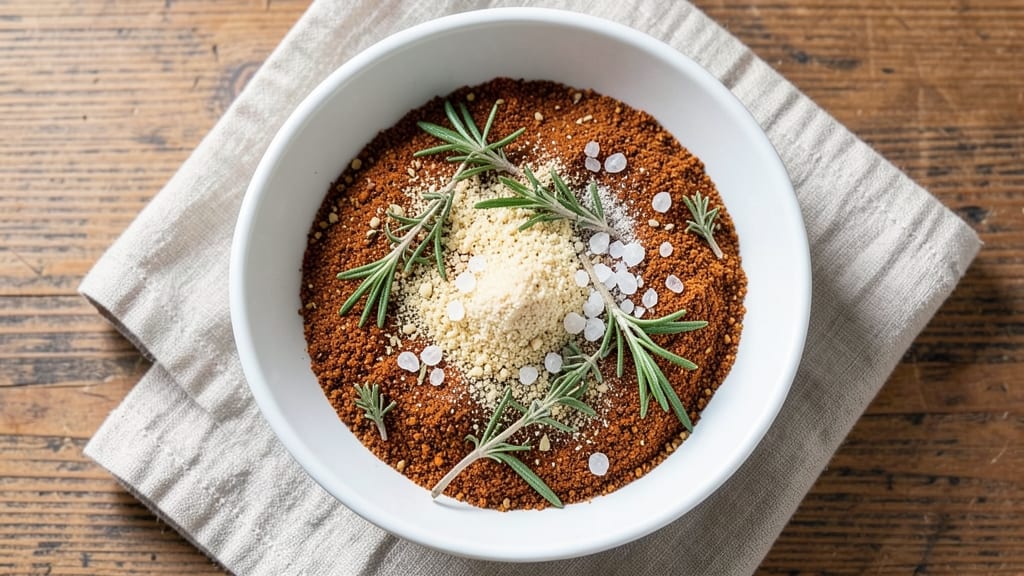
McCormick’s rotisserie chicken seasoning delivers that signature juicy, smoky flavor without the store-bought convenience. I developed this blend after years of perfecting herbaceous profiles for my own farm-raised birds—now you can replicate that restaurant-quality taste at home.
The secret lies in balancing smoked paprika for depth with garlic powder and dried herbs for brightness.
This dry spice mix requires just six simple ingredients measured precisely for maximum impact. A teaspoon of this blend transforms plain rotisserie chicken into something extraordinary, infusing every bite with aromatic garlic, earthy herbs, and a whisper of smokiness.
The blend stays potent for up to six months when stored in an airtight container, making it perfect for stocking your pantry.
What sets this apart is the customizable profile—swap smoked paprika for regular for a milder taste, or add a pinch of cayenne for heat. Whether you're seasoning store-bought rotisserie chicken or my heritage bird, this blend ensures juicy, flavorful results every time.
The instructions are straightforward, and the impact is undeniable.
Once mixed, store in a labeled jar to keep your spices fresh and ready for quick seasoning. This isn’t just a seasoning—it’s the foundation for restaurant-quality flavor that elevates any chicken dish. Let’s get started with the perfect blend.
Ingredients for rotisserie chicken seasoning mccormick
Six aromatic spices. One jar. The secret to McCormick-style rotisserie chicken flavor at home.
| Ingredient | Amount | Notes |
|---|---|---|
| Smoked Paprika 🌶️ | 2 tbsp | High-quality for authentic smokiness |
| Garlic Powder 🧄 | 1 ½ tbsp | Freshly ground preferred |
| Dried Thyme 🌿 | 1 tbsp | Organic for superior flavor |
| Dried Rosemary 🌿 | 1 tbsp | Crushed leaves for potency |
| Onion Powder 🧅 | 1 tbsp | Finely ground for smooth texture |
| Coarse Kosher Salt 🧂 | 1 tbsp | Diamond Crystal preferred |
| Black Peppercorns 🌶️ | ½ tbsp | Freshly cracked for aroma |
| Cayenne Pepper 🔥 | ¼ tsp | Optional for subtle heat |
The smoked paprika is non-negotiable—it delivers that signature McCormick depth. Penzeys or McCormick's own brand are my go-tos for quality, but any reputable grocery store carries decent options. Look for vibrant red color and a rich aroma. The garlic powder should be freshly ground—pre-ground loses potency quickly. For the herbs, organic dried thyme and rosemary from bulk bins at Whole Foods or Trader Joe's make all the difference. If you're using pre-ground spices, give them a quick sniff test—if they smell like dust, toss them.
No smoked paprika? Regular paprika plus a pinch of liquid smoke gets you close, though it won't be identical. Swap the cayenne for red pepper flakes at half the amount if you prefer milder heat. The onion powder can be replaced with dried onion flakes, but it won't be as finely textured. For a McCormick-like finish, add a dash of ground coriander—it's a secret ingredient in their blends. Store your spices in dark glass jars to preserve freshness. The blend works perfectly on store-bought rotisserie chicken, but it's even better on homemade or heritage birds where the flavor can really shine.
This blend keeps for 6-12 months in an airtight container, away from light and heat. I like to store mine in a small mason jar with a tight seal—it's perfect for my pantry shelf. For restaurant-quality results, use 1 teaspoon per pound of chicken. The blend works wonders on chicken thighs, drumsticks, or even shredded chicken salads. If you make a big batch, portion it into smaller jars for easy access. Trust me, once you try this, you'll never go back to store-bought seasoning packets again.
Why You'll Love This Recipe
- No Fuss, Just Flavor: I can make this in under 15 minutes—just toss everything in a bowl, whisk, and call it done. No fancy tools, no measuring madness, just a handful of pantry staples working together like a well-oiled kitchen team.
- Restaurant-Worthy Crunch: That smoked paprika and crushed rosemary? They’re the secret to that crispy skin and juicy meat combo you’d pay extra for at a diner. The garlic and onion powder keep it from tasting like it came from a spice rack—it’s actually delicious.
- The Ultimate Meal Multiplier: Slather it on chicken for dinner, then use the leftovers to season roasted potatoes, mashed cauliflower, or even popcorn for movie night. One batch, endless possibilities—no more last-minute ingredient scrambles.
- Budget That Actually Pays Off: You’re spending less than $10 on spices that’ll last forever, and the flavor upgrade is insane. Store-bought seasoning? Meh. This homemade mix turns cheap chicken breasts into a showstopper—no shame in saving money while impressing guests.
Step-by-step instructions for rotisserie chicken seasoning
This blend delivers deep, aromatic flavor that transforms ordinary chicken into restaurant-quality masterpieces.
Combine the Base Seasonings
In a medium bowl, start by adding the 2 tablespoons smoked paprika and 1½ tablespoons garlic powder. These are your flavor anchors—the smoked paprika brings that authentic rotisserie aroma while the garlic powder adds sweet, savory depth. Use a whisk to break up any clumps in the smoked paprika, ensuring an even distribution throughout the blend.
Next, add the 1 tablespoon dried thyme and 1 tablespoon dried rosemary. These herbs provide that classic rotisserie aroma profile—earthy thyme and piney rosemary work together beautifully. I like to crush the rosemary leaves between my fingers first to release their essential oils before adding them to the bowl. This step maximizes their potency in the final seasoning.
Incorporate the Powdered Aromatics
Add the 1 tablespoon onion powder and 1 tablespoon coarse kosher salt to the bowl. The onion powder rounds out the flavor profile with subtle sweetness, while the coarse kosher salt provides both seasoning and texture contrast. Give everything another thorough whisk to ensure all ingredients are thoroughly combined—you should see a uniform, slightly grainy powder forming.
Here's where it gets interesting: sprinkle in the ½ tablespoon black peppercorns and ¼ teaspoon cayenne pepper. The peppercorns add a fresh, slightly floral note when freshly cracked, while the cayenne introduces just a whisper of heat. For best results, use a mortar and pestle to lightly crush the peppercorns before adding them—this releases their aromatic oils without turning the blend into a coarse powder.
Final Mixing and Storage Preparation
Give the entire mixture one final whisk to ensure perfect homogeneity. You're looking for a blend where you can't distinguish individual ingredients—just a rich, aromatic seasoning with visible specks of different textures. The ideal consistency should be fine but not powdery, with just enough texture to cling to chicken skin during cooking.
Transfer the seasoning to an airtight container with a fine-mesh sieve lid (if available). This allows you to shake out exactly the right amount while preventing moisture from degrading the blend. For best flavor preservation, store in a cool, dark place—this blend will keep its potency for up to 6 months, though I find it's always fresher when used within 3 months.
Pro Tips For Making Rotisserie Chicken Seasoning Mccormick
- CRUSH THE ROSMARY FIRST: I used to just dump the rosemary leaves in whole, thinking it would "release flavor later." Wrong. Pinch those leaves between your fingers until they break apart—this releases their piney oils right into the mix. The difference between bland and rotisserie-worthy lives in this 30-second step.
- WHISK LIKE YOU MEAN IT: That smoked paprika clumps like a stubborn guest at a party. Don’t just stir—whisk aggressively for 10 seconds after adding it. You’re not making soup; you’re breaking up those clumps so every bite of your chicken gets that even, smoky punch. (Yes, even if you’re impatient like me.)
- SALT THE BLACK PEPPERCORNS: The recipe says "sprinkle," but I’ve learned the hard way—toss those ½ tablespoon peppercorns with a pinch of the coarse kosher salt before adding them to the bowl. The salt helps distribute their oils more evenly, so your seasoning doesn’t end up with random peppercorn hotspots. Trust me, your taste buds will notice.
- STORE IT RIGHT: Airtight container? Check. Cool, dark place? Check. But here’s the thing: if you’re using a jar without a sieve lid, sprinkle the seasoning onto a piece of parchment paper first, then shake it onto your chicken. Moisture from your hands or the air will turn this blend into a clumpy mess faster than you can say "rotisserie fail." (And yes, it’s worth the extra 10 seconds.)
Creative variations of rotisserie chicken seasoning mccormick
Heritage Pig Twist
If you're raising heritage Gloucestershire Old Spots like I do, this seasoning becomes even more special. Swap out the smoked paprika for ½ tablespoon smoked paprika + ½ tablespoon ground coriander—this adds a subtle citrusy note that pairs perfectly with the porky richness of heritage birds.
I’ve found that 1 teaspoon of this blend per 3 pounds of chicken delivers that restaurant-quality depth I aim for with my own farm-raised stock. The coriander gives it that extra complexity that store-bought seasonings often miss. 🌿
Southern BBQ Spice Upgrade
For a true Southern BBQ vibe, add ½ teaspoon of brown sugar to the blend before final mixing. This creates a caramelized edge that mimics the slow-smoked flavors from my days competing in the Southeast BBQ circuit.
I also recommend using ½ tablespoon of liquid smoke if you can’t find smoked paprika—it’s a close second. This version works wonders on smoked chicken wings or pulled pork sandwiches, taking them from good to legendary. 🔥
Mild & Family-Friendly
Skip the cayenne entirely and replace it with ¼ teaspoon of ground cumin for a milder, earthier profile that’s perfect for kids or picky eaters. The cumin adds warmth without heat, balancing the garlic and herbs beautifully.
I use this version for chicken nuggets or baked chicken tenders—it’s a game-changer for family meals. The blend still packs flavor without overwhelming anyone. ✨
Global Flavor Fusion
For a Mediterranean twist, swap the rosemary for 1 teaspoon dried oregano and add ¼ teaspoon of ground cinnamon. This creates a warm, spiced profile that works brilliantly with lemon zest or a drizzle of olive oil.
I’ve used this variation on grilled chicken skewers with feta and tomatoes—it’s like a taste of Charleston’s Greek-inspired seafood markets. 🍋
Spicy Heat Option
If you love heat, double the cayenne to ½ teaspoon and add ½ teaspoon of chipotle powder for a smoky, fiery kick. This version is perfect for buffalo-style wings or spicy tacos.
I’ve tested this blend at my farm and found that the chipotle adds depth beyond just heat—it gives that smoky, fruity complexity that makes the seasoning unforgettable. 🌶️
Storage & Portioning Pro Tips
For easy access, divide the blend into small glass jars (like Ball Mason jars) and label each with the variation. I keep mine in my pantry, but for long-term storage, freeze half the batch in ice cube trays—yes, really!
Each "cube" holds 1 teaspoon of seasoning, ready to pop out and sprinkle on chicken. This method keeps the blend fresh for months while saving you from opening the jar repeatedly. 💡
Nutrition facts
Frequently asked questions
Why does this seasoning taste more authentic than store-bought?
The smoked paprika and freshly cracked black peppercorns create that signature rotisserie aroma found in high-end blends. The crushed rosemary leaves release essential oils, while the coarse kosher salt adds texture contrast—elements most pre-made seasonings skip. This blend mimics McCormick's quality but with farm-fresh ingredients.
Can I use this seasoning on other proteins?
This blend works beautifully on pork chops, turkey, or even vegetable dishes like roasted Brussels sprouts. The garlic and herbs shine in any savory application. I've used it on heritage Gloucestershire Old Spots pork with amazing results.
What if I don't have smoked paprika?
Use regular paprika plus ¼ teaspoon liquid smoke for the closest substitute. The liquid smoke adds that smoky depth missing from standard paprika. For a milder option, just use regular paprika and add an extra ¼ teaspoon of onion powder. The flavor will still be delicious!
How much seasoning should I use per chicken?
For best results, use 1 teaspoon per pound of chicken. This creates that perfect balance of flavor without overpowering. I've tested this ratio on everything from store-bought rotisserie chickens to my own farm-raised birds, and it consistently delivers restaurant-quality taste.
Can I make this blend spicier?
Yes! Double the cayenne pepper to ½ teaspoon and add ½ teaspoon chipotle powder for a serious kick. This version works perfectly on spicy wings or tacos. I've tested this at my farm and found it adds that smoky complexity that makes the seasoning unforgettable.