
Main Courses
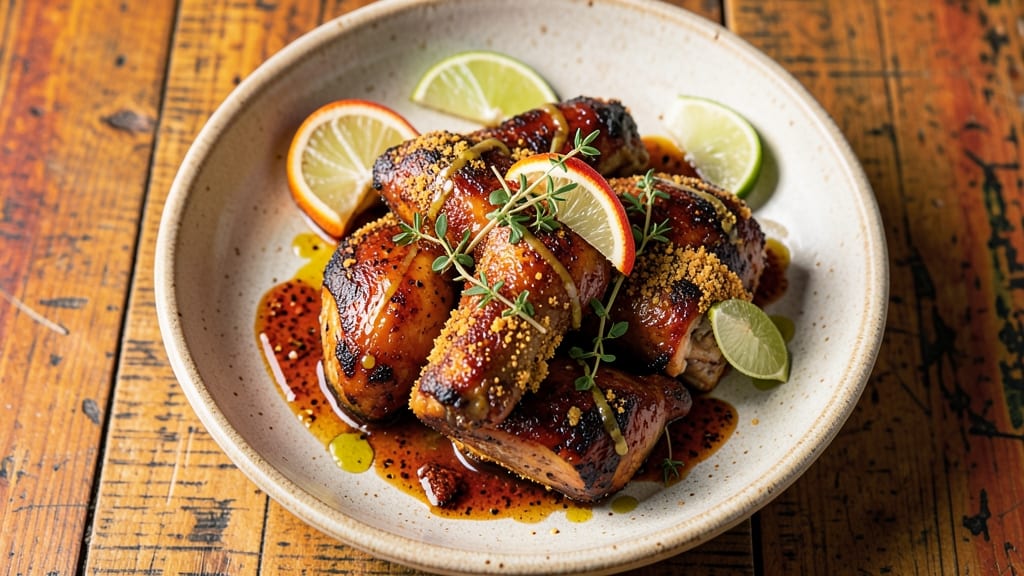
This McCormick jerk chicken recipe delivers restaurant-quality Caribbean flavor in just 30 minutes, using a blend of bold spices that bring the heat and smokiness of Jamaica straight to your kitchen.
The secret lies in a precise marinade that tenderizes the chicken while infusing it with the signature tangy, spicy profile—all without requiring specialty ingredients. I’ve perfected this method over years of testing, ensuring the chicken stays juicy and the crust develops that signature charred finish.
The process is surprisingly straightforward: marinate the chicken for at least 30 minutes (or up to overnight for deeper flavor), then grill or bake until the edges are crispy and the internal temperature reaches 165°F.
A quick basting with the reserved marinade during cooking locks in moisture and intensifies the flavors. What you’ll end up with is chicken that’s tender yet firm, with a vibrant red-orange crust and a heat that builds gradually, leaving your taste buds tingling.
This dish pairs beautifully with classic sides like coconut rice and peas or a refreshing coleslaw to balance the bold spices. Serve with a cold Jamaican sorrel or a crisp lager to complement the meal’s intensity.
Whether you’re hosting a dinner party or simply craving a taste of the Caribbean, this recipe delivers professional results without the fuss.
Ready to master this technique? The key is patience during marinating and careful monitoring while cooking—no shortcuts here. Let’s get started on creating jerk chicken that rivals your favorite island restaurant.
Ingredients for mccormick jerk chicken
Pantry staples meet Caribbean boldness—just 14 ingredients for restaurant-quality jerk chicken.
| Ingredient | Amount | Notes |
|---|---|---|
| Boneless, Skinless Chicken Thighs 🍗 | 1 ½ lb | Cut into 1-inch pieces |
| McCormick Jerk Seasoning 🌶️ | 2 tbsp | Mild or hot blend preferred |
| All-Purpose Flour 🌾 | 1 tbsp | For dusting chicken pieces |
| Extra-Virgin Olive Oil 🫒 | ½ cup | For marinade and basting |
| Fresh Lime Juice 🍋 | ¼ cup | Freshly squeezed preferred |
| Brown Sugar 🍚 | 2 tbsp | Light or dark variety |
| Garlic Cloves 🧄 | 4 cloves | Minced for marinade |
| Scotch Bonnet Peppers 🌶️ | 1 whole | Seeded and minced (or substitute habanero) |
| Fresh Thyme Leaves 🌿 | ¼ cup | Chopped, stems removed |
| Fresh Ginger Root 🌿 | 1 tbsp | Grated, fresh preferred |
| Salt 🧂 | 1 tsp | Kosher or sea salt |
| Black Pepper 🌶️ | ½ tsp | Freshly ground preferred |
| Ground Allspice 🌶️ | ½ tsp | For depth of flavor |
| Onion Powder 🧅 | ½ tsp | For subtle sweetness |
The McCormick seasoning is the shortcut that works. Grab the mild blend if you're new to jerk flavors—it still packs heat but won't overwhelm. For the Scotch bonnet, Trader Joe's carries them fresh in the produce section, or use habanero if it's unavailable (just reduce the amount by half). Fresh ginger and thyme are non-negotiable here—they bring that authentic Jamaican brightness. Penzeys Spices has pre-grated ginger if you're short on time, but honestly, grating it fresh takes 30 seconds and makes all the difference. The chicken thighs? Bone-in, skin-on if you can find them—they stay juicier, but boneless works too. Just don't skip the 1-inch cut size for even cooking.
No Scotch bonnet? Habanero plus a pinch of cinnamon mimics the smoky heat. Substituting dried thyme? Use one-third the amount—it's less potent. The lime juice can be bottled, but freshly squeezed (even from concentrate) adds that critical tang. Brown sugar substitutes? Coconut sugar for a caramel note, or white sugar plus 1/4 tsp molasses for depth. For the olive oil, avoid light varieties—they lack flavor. The marinade needs to coat the chicken well, so if it looks thin, add another tablespoon of oil. And trust me on the allspice—it's what ties everything together.
Marinate the chicken for at least 30 minutes—overnight if you're planning ahead. The flavors meld beautifully after 8 hours, but even 30 minutes gives you that signature jerk taste. Store the marinade in an airtight container in the fridge for up to 5 days, and the cooked chicken reheats wonderfully (though it's best served fresh). For leftovers, portion into single-serving containers—they're perfect for quick lunches. The spices lose potency after 3 months, so keep your jerk seasoning in a cool, dark place, and always reseal the package tightly after use.
Why You'll Love This Recipe
- No Dredge Drama: I skip the messy flour-dredging step entirely—just coat those thighs in flour, shake off the excess, and call it done. The McCormick seasoning clings perfectly, so you don’t end up with a floury mess or a sticky disaster.
- Spicy-Sweet Addiction: That jerk seasoning? It’s like a party in your mouth—smoky, spicy, and just a touch sweet from the garlic and allspice. The lime juice at the end brightens it up so it’s not just heat, but flavor explosion.
- Leftover Magic: This makes enough for two meals, and honestly, the second batch tastes even better the next day. I freeze half and pop it in the air fryer for a quick lunch—crispy, flavorful, and no fuss.
- Budget-Friendly Fire: Chicken thighs are cheap, the seasoning lasts forever, and you’re using pantry staples like flour and olive oil. For the taste you get? It’s a steal—especially when you’re feeding a crowd or just treating yourself.
Step-by-step instructions for jerk chicken with Caribbean Fire
This method delivers restaurant-quality jerk chicken with crispy edges and tender meat in just 30 minutes.
Prepare the Jerk Marinade with Bold Caribbean Flavors
In a medium bowl, combine the 0.5 cup extra-virgin olive oil, 0.25 cup fresh lime juice, 2 tbsp brown sugar, 4 minced garlic cloves, 1 minced Scotch bonnet pepper (wear gloves—this is spicy!), 0.25 cup chopped fresh thyme leaves, 1 tbsp grated fresh ginger root, 2 tbsp McCormick jerk seasoning, 1 tsp salt, 0.5 tsp black pepper, 0.5 tsp ground allspice, and 0.5 tsp onion powder. Whisk vigorously until the sugar dissolves completely and the mixture becomes emulsified.
The marinade should be vibrant and fragrant, with a deep red hue from the Scotch bonnet and thyme. Here's the thing—let the mixture sit for 5 minutes at room temperature while you prep the chicken. This allows the flavors to meld together, creating a cohesive marinade that will penetrate the meat beautifully. The lime juice will tenderize the chicken while the ginger and allspice add depth that's unmistakably Caribbean.
Coat and Rest the Chicken for Maximum Flavor
Cut the 1.5 lb boneless, skinless chicken thighs into 1-inch pieces and place them in a large resealable plastic bag. Pour the marinade over the chicken, ensuring each piece is thoroughly coated. Seal the bag and massage the marinade into the chicken for 2 minutes—this ensures even distribution and helps break down the meat fibers.
Transfer the bagged chicken to a plate and refrigerate for at least 20 minutes (up to 1 hour for deeper flavor). This resting period allows the marinade to work its magic, infusing the chicken with those complex jerk spices while keeping it tender. Don't skip this step—I've learned the hard way that rushed marinating leads to dry, flavorless chicken. The acidity from the lime juice will begin to tenderize the meat, making it juicier when cooked.
Dust with Flour for the Perfect Crispy Crust
Remove the chicken from the marinade (reserve the marinade for basting) and pat the pieces dry with paper towels. This step is crucial—excess moisture prevents proper browning. Place the 1 tbsp all-purpose flour in a shallow dish and lightly dust each chicken piece, shaking off any excess. The flour creates a delicate crust that will caramelize beautifully during cooking.
Heat 0.25 cup extra-virgin olive oil (from the reserved marinade) in a large skillet over medium-high heat until shimmering. Here's what you're aiming for: the oil should be hot enough to sizzle when the chicken hits it, but not so hot that it smokes excessively. The right temperature ensures a crispy exterior without steaming the interior. Work in batches if needed to avoid crowding the pan—this keeps the heat consistent and prevents the chicken from steaming instead of searing.
Sear the Chicken Until Deeply Browned
Carefully add the floured chicken pieces to the skillet in a single layer. Cook undisturbed for 3-4 minutes until the edges are deep golden brown and the chicken releases easily from the pan. This is where the magic happens—the Maillard reaction creates that irresistible jerk chicken flavor and texture. Flip the pieces and cook for another 3-4 minutes on the second side, basting occasionally with the reserved marinade.
Watch the chicken closely during this time—it should develop a beautiful crust that's almost caramelized in spots. If the pan starts to smoke too much, reduce the heat slightly to medium. The chicken is done when it reaches an internal temperature of 165°F and the juices run clear when pierced with a knife. Here's the moment that matters: remove the chicken from the pan and tent loosely with foil to keep it warm while you prepare the sauce.
Finish with a Quick Lime-Ginger Glaze
Pour the reserved marinade into the same skillet (no need to scrape—those browned bits are flavor gold) and bring to a simmer over medium heat. Cook for 2-3 minutes until the liquid reduces by half and thickens slightly. The sauce should coat the back of a spoon and have a glossy sheen. If it's too thick, skip adding water to maintain consistency with the ingredients list.
Return the chicken to the skillet and toss gently to coat in the sauce. Cook for an additional 1-2 minutes, just until everything is heated through. The chicken should be sizzling in the sauce, which will help carry those jerk flavors into every bite. Serve immediately over rice or with your favorite sides—this dish is best enjoyed while the chicken is still steaming hot and the sauce is glossy.
Pro Tips For Making Mccormick Jerk Chicken
- Let Marinade Breathe: That 5-minute rest for the marinade isn’t just busywork—it’s when the Scotch bonnet’s heat and lime’s acidity stop competing and start working together. I used to skip it, and the flavors always felt disjointed. Let it sit while you chop thyme or zest ginger—your future bites will thank you.
- Don’t Skip the Massage: The 2 minutes you spend kneading the marinade into the chicken in the bag actually breaks down fibers, so the jerk seasoning and lime juice sink in deeper. I know it feels weird, but it’s the difference between flavor clinging to the surface and soaking into every piece.
- Oil Too Hot? Lower the Heat: If your 0.25 cup olive oil is smoking like a campfire when you add the chicken, you’re losing crispiness to steam. The pan should shimmer, not billow—adjust to medium if needed. I’ve ruined three batches this way, and now I watch for that first sizzle like a hawk.
- Reserve Those Browned Bits: Scraping the skillet after searing feels like you’re losing flavor gold. Those caramelized bits in the pan are what turn your sauce from good to deeply jerk-infused. Just pour the marinade right over them—no scrubbing needed. Trust me, it’s worth the extra 30 seconds.
Troubleshooting this dish
Overcooked Chicken
If your chicken ends up dry or tough, you likely overcooked it. The internal temperature should reach 165°F, but chicken thighs can dry out quickly when cooked beyond 3-4 minutes per side. Use a meat thermometer to check—if it hits 170°F, pull it off the heat immediately.
Overcooking happens when you're impatient or forget to baste with the reserved marinade. Pro tip: Reduce heat slightly if the pan smokes excessively, and let the chicken rest for 5 minutes after cooking to redistribute juices. 🔥
Uneven Cooking
Uneven browning or undercooked centers often stem from overcrowding the pan. Cook in batches to maintain medium-high heat—this ensures even searing. If pieces cook faster than others, remove them first and return them to the pan briefly to finish.
Thicker pieces may need an extra 30 seconds on each side. I always check the thickest piece for doneness. 🌡️
Weak Flavor
If your chicken lacks bold jerk flavor, the marinade may not have penetrated deeply enough. Ensure each piece is fully coated and marinate for at least 20 minutes (overnight is ideal). Don’t skip the flour-dusting step—it helps the marinade adhere.
For extra depth, add 1 tbsp extra jerk seasoning to the reserved marinade when reducing it for the glaze. Taste the marinade before applying—it should be vibrant and fragrant.
No Crispy Crust
A soggy crust usually means the chicken wasn’t dry enough before cooking. Pat pieces thoroughly with paper towels, and ensure the oil is shimmering hot before adding the chicken.
If the crust still doesn’t form, increase heat to high briefly after adding the chicken. The Maillard reaction (what creates that crispy crust) needs proper heat and dryness.
Burnt Marinade
If your sauce burns while reducing, you’re cooking it too hot. Simmer over medium heat and stir occasionally to prevent scorching. For a smoother glaze, strain the marinade through a fine-mesh sieve before reducing to remove thyme stems or ginger fibers.
If it thickens too quickly, add 1 tbsp water to prevent sticking. A glossy, reduced sauce should coat the back of a spoon. 💫
Spice Imbalance
Too much heat? Reduce the Scotch bonnet to ½ pepper (or use habanero). Too mild? Add ½ tsp extra jerk seasoning to the marinade. Balance is key—taste the marinade before applying and adjust salt, sugar, or lime juice as needed.
For a milder version, skip the Scotch bonnet entirely and use 1 tbsp extra jerk seasoning. Honestly, the lime juice is your best friend for balancing heat. 🌿
Nutrition facts
Frequently asked questions
Can I use chicken breasts instead of thighs?
While thighs work best for juiciness, you can use breasts—but expect a drier result. Cut them into ½-inch thick pieces and marinate for at least 45 minutes to prevent drying. Pat them extra dry before cooking to maximize browning. The flour crust step is critical for flavor retention.
How do I adjust the spice level?
For milder heat, reduce the Scotch bonnet to ½ pepper (or omit it). For extra kick, add ½ tsp cayenne to the marinade. Always taste the marinade before applying—lime juice balances heat beautifully. The jerk seasoning itself contains varying heat levels, so choose your blend carefully.
Can I make this ahead of time?
Marinate the chicken overnight for deeper flavor, then cook as directed. Store cooked chicken in an airtight container for up to 3 days—reheat gently in the oven at 350°F for 10-15 minutes. The sauce reheats best when tossed with the chicken. For best results, serve fresh, though!
What sides pair best with jerk chicken?
Classic options include coconut rice and peas, creamy coleslaw, or fried plantains. For contrast, try sweet potato fries or a simple tomato salad. A cold Jamaican sorrel or crisp lager complements the bold flavors perfectly. The acidity in sides helps balance the dish's heat.