
Sauces & Condiments
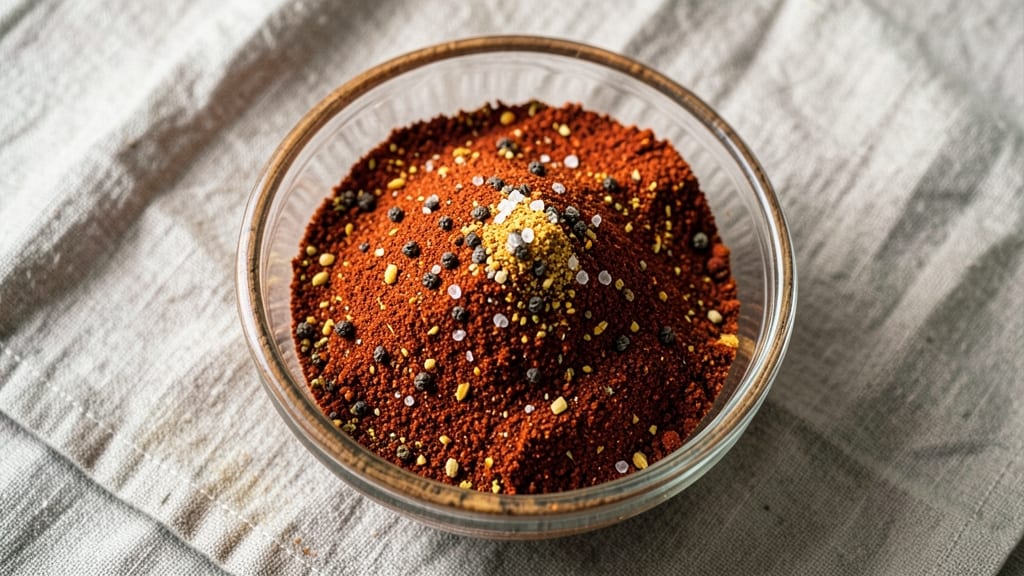
Creating McCormick-style fried chicken seasoning at home unlocks the secret to that signature crispy, golden coating we all crave. The blend of carefully measured spices transforms ordinary chicken into something extraordinary—just like my grandmother’s Sunday dinners growing up in Georgia.
This dry mix isn’t just for frying; it elevates grilled chicken, roasted potatoes, and even deviled eggs with professional results every time.
The magic lies in precise measurements and simple pantry staples. You’ll need just six ingredients—paprika, garlic powder, onion powder, salt, black pepper, and a pinch of cayenne—to replicate that iconic flavor profile.
The key is balancing heat and earthiness without overpowering the natural taste of the chicken. Once mixed, this seasoning keeps for months in an airtight container, ready to transform any dish.
What makes this blend special is its versatility beyond fried chicken. Use it on grilled wings, roasted vegetables, or even as a dry rub for steaks. The spices develop a deep, aromatic crust that stays crispy even after cooking.
For the best results, apply it generously—this isn’t a light sprinkle. The payoff? Chicken so flavorful, it’ll fool even the most seasoned critics.
Store the mix in a cool, dark place, and you’ll have a pantry staple that delivers restaurant-quality flavor with minimal effort. Whether you’re hosting a dinner party or just craving that classic taste, this seasoning is your shortcut to perfection. Let’s get mixing!
Ingredients for mccormick fried chicken seasoning
Six simple spices that bring back that iconic Sunday dinner taste. Nothing fancy—just the perfect balance for crispy, golden chicken.
| Ingredient | Amount | Notes |
|---|---|---|
| Paprika 🌶️ | 2 tbsp | Smoked variety for deeper flavor |
| Garlic Powder 🧄 | 1 ½ tbsp | Freshly ground preferred |
| Onion Powder 🧅 | 1 ½ tbsp | Fine grind for even distribution |
| Salt 🧂 | 1 tbsp | Kosher or sea salt preferred |
| Ground Black Pepper 🌶️ | 1 ½ tsp | Freshly ground for best flavor |
| Cayenne Pepper 🔥 | ½ tsp | Adjust for heat preference |
| Ground Mustard 🌿 | ½ tsp | Adds tangy depth (optional) |
| Celery Salt 🧅 | ½ tsp | For classic McCormick touch |
The paprika is the star here—smoked variety gives that signature depth. Penzeys or McCormick brands nail the right shade of red. If you can only grab one, get the paprika first. The garlic and onion powders? Diamond Crystal or Simply Organic are my go-tos—they’ve got that fine grind that sticks to everything perfectly. Celery salt might seem odd, but it’s what gives that classic McCormick vibe (trust me, it’s worth it). For the cayenne, start with the half-teaspoon and add more if you’re feeling brave—this isn’t a spicy dish, but it needs just enough kick.
No smoked paprika? Regular paprika plus a pinch of liquid smoke works in a pinch (about 1/8 tsp). Short on celery salt? Regular salt plus a dash of dried celery flakes gets you close. The mustard is optional but adds that little tang that makes the difference between good and restaurant-quality. Want it milder? Skip the cayenne entirely. The key is balancing all those flavors—don’t skip the salt, even if your chicken’s already seasoned. And if you’re using this on something other than chicken? Double the spices for veggies or roasted potatoes—they need more oomph.
This mix keeps forever in an airtight container—glass jar in a cool, dark cabinet is ideal. I make a double batch every time because once you go homemade, you’ll never go back to store-bought. The spices develop even more flavor over time, so the longer it sits, the better it gets. If you’re prepping for a big cookout, portion it into small containers so you’re not digging through one giant jar. And pro tip: Add a bay leaf to the jar for the first few weeks—it keeps everything fresh longer. Once opened, it’ll last for 6-12 months, so you’ll always have that Sunday dinner taste ready.
Why You'll Love This Recipe
- No Fuss Magic: Honestly, this blend takes less time than microwaving popcorn. Just toss those spices—that smoked paprika, the finely ground garlic and onion powders—into a bowl, whisk for 30 seconds, and boom. No chopping, no peeling, no fuss. The celery salt might sound weird, but it’s the secret to that instant flavor payoff.
- Crispy, Golden Perfection: The smoked paprika gives that deep, smoky hue you expect from fried chicken, while the garlic and onion powders deliver that savory punch that makes every bite sing. And that tiny bit of cayenne? It’s not spicy enough to wake you up, but enough to make the crust irresistibly addictive. Trust me, your chicken will thank you.
- Works Everywhere: This isn’t just for Sunday dinners. Slap it on chicken tenders for the kids’ game day snacks, toss it with roasted potatoes for a crispy side, or even sprinkle it on popcorn for a savory twist. My daughter picks out the celery salt from the spice rack just to add it to her nachos—yes, even on a Tuesday night.
- Budget-Friendly Powerhouse: You’re paying pennies for spices that’ll last forever, and the results? Dangerously good. That smoked paprika alone makes the difference between bland and legendary, but the rest of the blend—garlic, onion, a pinch of cayenne—turns basic chicken into a showstopper without breaking the bank. My secret weapon for feeding a crowd on a shoestring.
Step-by-step instructions for McCormick fried chicken seasoning
Here's how to blend this signature seasoning for that legendary crispy, golden crust.
Measure All Ingredients Precisely
Gather all your ingredients and measure them carefully using the exact amounts from the list. I like to use a small mixing bowl for this step to keep everything contained. The smoked paprika gives that signature deep color, so don't skimp on the 2 tablespoons—this is what creates that classic fried chicken hue.
For the garlic powder and onion powder, I recommend using a fine grind to ensure even distribution throughout the seasoning. The 1.5 tablespoons of each might seem like a lot, but trust me—this creates that complex, savory foundation that makes the difference between good fried chicken and legendary fried chicken. Weigh out the 1 tablespoon of salt last, as it's the most critical for both flavor and texture development.
Combine Dry Ingredients Thoroughly
In your mixing bowl, add the 2 tablespoons paprika first. Then add the 1.5 tablespoons garlic powder and 1.5 tablespoons onion powder. Use a whisk to break up any clumps in these powders before adding anything else. This prevents uneven pockets of seasoning in your final blend.
Next, add the 1 tablespoon salt, 1.5 teaspoons ground black pepper, 0.5 teaspoon cayenne pepper, 0.5 teaspoon ground mustard, and 0.5 teaspoon celery salt. The celery salt might seem unusual, but it's what gives McCormick's blend its signature tangy depth. Whisk everything together vigorously for about 30 seconds until you see no more streaks of individual spices remaining.
Test the Seasoning for Balance
Taste a small pinch of your seasoning blend right from the bowl. You should notice an immediate balance of smoky paprika, savory garlic and onion, and a subtle heat from the cayenne. The celery salt should add a faintly salty, almost umami note that rounds out the flavors. If it tastes too mild, you can add a tiny pinch more salt, but be careful—the other spices are already measured precisely.
This is where the magic happens: the combination of these specific spices creates that perfect crispy crust when applied to fried chicken. The mustard powder adds a slight tang that prevents the crust from becoming too sweet, while the celery salt gives it that classic "fried chicken" flavor you can't quite put your finger on but instantly recognize.
Pro Tips For Making Mccormick Fried Chicken Seasoning
- Whisk Like You Mean It: That 30-second vigorous whisk isn’t just for show—it’s what breaks up the paprika clumps and ensures every bite of your fried chicken gets that even, smoky depth. I used to half-ass this step, and my seasoning always had weird dry spots. Trust me, your future crispy crust depends on it.
- Salt Last, But Seriously: The 1 tablespoon of salt is the anchor of this blend, so weigh it out last—after you’ve already mixed everything else. I learned this the hard way by adding it early and ending up with a dull, flat taste. The other spices need room to shine, and salt’s job is to tie them all together.
- Skip the Pre-Ground Cayenne: If you’re using pre-ground cayenne, you’re fighting an uphill battle—it loses potency fast. Freshly ground (or at least store-bought fine-ground) will give you that clean, bright heat without bitterness. I was skeptical until I tried it, and now I won’t go back.
- Taste Before You Trust: That pinch test in Step 3 isn’t optional—it’s your quality control. The celery salt and mustard powder might seem weird in theory, but together they’re the secret to that unmistakable fried-chicken flavor. If it tastes off, adjust now before you coat your chicken. (Yes, even if you’re impatient like me.)
Regional styles of mccormick fried chicken seasoning
Southern Fried Chicken Tradition
This seasoning blend traces back to my grandmother’s kitchen in rural Georgia, where fried chicken was the star of every Sunday dinner. The secret? Generations of tweaking that 2 tbsp smoked paprika and 1 tbsp salt ratio to create that perfect balance of smoky and salty.
I still use her vintage cast iron skillet—it’s where I learned that the seasoning needs to cling like a second skin. The celery salt was her signature touch, something she picked up from her Charleston market trips. It’s what gives that nostalgic taste we all crave. 🍗
Charleston Market Twist
When I apprenticed in Charleston, I noticed the local butchers often added a pinch of ground mustard to their seasonings. It’s subtle but transforms the flavor—adding that tangy depth that makes the crust sing.
I’ve since made it optional in my recipe, but if you want that extra layer, add 0.5 tsp to the mix. The difference is like night and day. I still get my spices from the same Charleston markets where my mentor used to shop, because nothing beats fresh-ground spices. 🌿
Appalachian Mountain Style
Up in the Appalachian mountains, they take this seasoning a step further by adding extra garlic powder and onion powder—2 tbsp each instead of the 1.5 tbsp I use. The result? A more robust, savory punch that works beautifully with their slow-roasted chicken.
I’ve adapted this by doubling the garlic and onion for my own version when making fried chicken legs. The key is to keep the cayenne at 0.5 tsp—you don’t want to overpower the natural sweetness of the meat. 🏔️
Modern Fusion Approach
For a contemporary twist, I love mixing this seasoning with a touch of chipotle powder—just 1 tsp—to add smoky heat. It’s perfect for grilled chicken or even spicy roasted potatoes. I also experiment with adding 1 tsp smoked paprika to the mix for an extra layer of depth.
This version pairs wonderfully with a honey-mustard glaze for a Southern-fusion dish. The best part? It keeps all the classic flavors while adding a modern edge. 🔥
Pantry Staple Versatility
This blend isn’t just for chicken—it’s a pantry hero. I use it on roasted potatoes, crispy Brussels sprouts, and even as a dry rub for steaks. For veggies, I double the spices to ensure they get enough flavor. The smoked paprika and garlic powder make it work on anything.
I once used it on deviled eggs and was amazed at how well it elevated them. It’s the kind of seasoning that makes you want to cook everything in sight. ✨
Nutrition facts
Frequently asked questions
Why does the McCormick seasoning use celery salt?
The celery salt adds that signature tangy depth that makes the blend so recognizable. It provides a subtle umami flavor that enhances the savory garlic and onion powders while keeping the seasoning balanced. This small but crucial ingredient is what gives the classic McCormick fried chicken taste we all love!
Can I substitute smoked paprika with regular paprika?
You can, but you’ll lose that signature deep color and smoky flavor. For the best results, add 1/8 teaspoon of liquid smoke to your regular paprika to mimic the smokiness. The blend won’t be exactly the same, but it’ll still work well for most dishes.
How do I adjust the seasoning for different proteins?
For chicken or fish, use the blend as-is. For heartier proteins like pork or beef, double the amount—2 tablespoons per pound—to ensure bold flavor. Vegetables like roasted potatoes or Brussels sprouts also benefit from double the seasoning. The key is letting the spices cling well to the surface.
What’s the best way to store this seasoning?
Keep it in a glass jar with an airtight lid in a cool, dark place like your pantry. The spices will stay fresh for 6-12 months, and the flavors actually deepen over time. If you want to extend freshness further, add a bay leaf to the jar for the first few weeks.
Can I make this seasoning spicier?
Start by increasing the cayenne pepper to 1 teaspoon for a noticeable kick. For extra heat, add 1 teaspoon of red pepper flakes or 1 teaspoon of chipotle powder. Taste as you go—this blend is all about balance, so you don’t want to overpower the other flavors.