
Main Courses
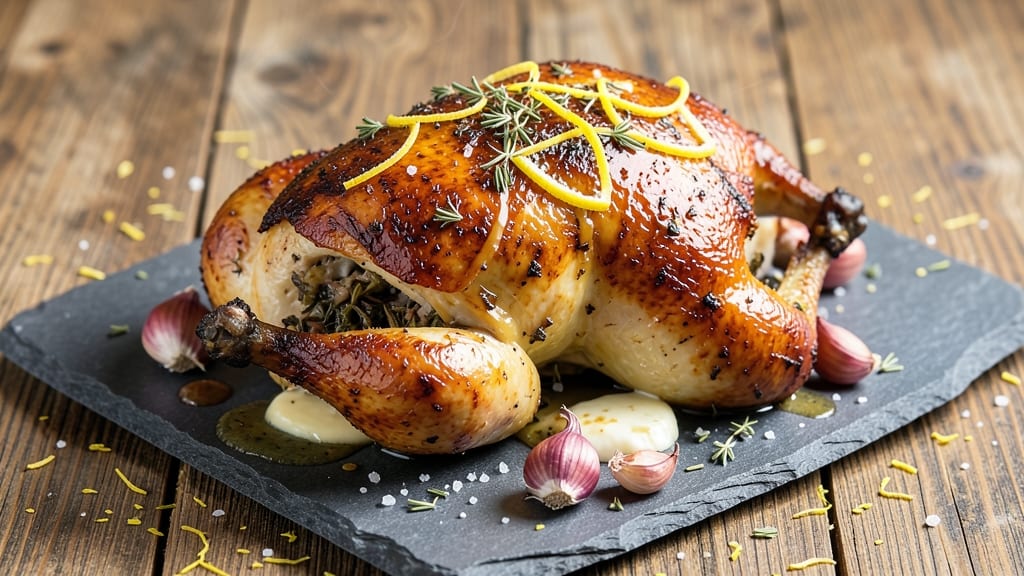
Transforming a simple roasted chicken into a showstopper only takes McCormick’s Herbes de Provence and a few key techniques I perfected after years of testing—starting with my grandmother’s Sunday roast. The secret lies in basting with herbed butter, which keeps the meat juicy while creating that coveted golden, crispy skin.
This isn’t just another chicken recipe; it’s a method that delivers restaurant-quality results with just one specialty ingredient and a little patience.
The process begins with a dry brine overnight, ensuring maximum moisture retention, followed by a generous rub of McCormick’s blend mixed with garlic and lemon zest. As the chicken roasts, I baste it every 20 minutes with melted herbed butter—this step alone elevates the flavor from ordinary to extraordinary.
The aroma alone will have your kitchen smelling like a French bistro, and the texture? Crispy skin that shatters at the touch, with meat so tender it falls apart effortlessly.
By the time it’s done, you’ll have a whole chicken that’s golden, fragrant, and packed with herbaceous depth—perfect for carving and serving at the center of any table.
The herbed butter basting doesn’t just flavor the skin; it infuses the meat with layers of savory, citrusy notes that pair beautifully with roasted vegetables or a simple green salad. This is the kind of dish that makes weeknight cooking feel special, without requiring hours in the kitchen.
For those who prefer grilling, simply transfer the basted chicken to high heat at the end for those coveted grill marks. The McCormick blend works just as well on thighs, breasts, or even chicken legs—making this a versatile recipe for any occasion.
Let’s get started on creating your most impressive roast chicken yet.
Ingredients for mccormick chicken
Pantry staples plus one specialty blend. That’s all it takes for restaurant-quality roast chicken.
| Ingredient | Amount | Notes |
|---|---|---|
| Whole Chicken (3-4 lbs) 🍗 | 3 ½ lb | Fresh, skin-on for crispiness |
| McCormick Herbes de Provence 🌿 | 2 tbsp | The star of this recipe |
| Unsalted Butter 🧈 | ½ cup | Cold, cubed for basting |
| Garlic Cloves 🧄 | 4 cloves | Minced for herbed butter |
| Lemon Zest 🍋 | 1 tbsp | Brightens the flavor |
| Kosher Salt 🧂 | 1 ½ tsp | For dry brine overnight |
| Black Peppercorns 🌶️ | ½ tsp | Freshly cracked |
| Fresh Rosemary 🌿 | 1 sprig | For aroma (optional) |
| Fresh Thyme 🌿 | 1 sprig | For aroma (optional) |
| Olive Oil 🫒 | 2 tbsp | For skin crisping |
| Fresh Lemon Juice 🍋 | 1 tbsp | For herbed butter |
| Fresh Parsley 🌿 | ¼ cup | Chopped for garnish |
The chicken size matters—3-4 lbs gives you perfect proportions for four servings. Look for a plump bird with bright red skin and no bruises. Costco or Trader Joe's often have great deals on fresh, organic chickens. If you can’t find a whole one, thighs work too—they stay juicy longer. The McCormick Herbes de Provence is non-negotiable here; it’s the secret behind that French bistro aroma. Grab the jarred version if you’re short on time, but the bulk bins at Whole Foods have fresher blends.
No fresh rosemary or thyme? Dried works at one-third the amount, but fresh is ideal for that aromatic punch. Short on lemon zest? Substitute 1 tbsp lemon juice—just skip the zest. The butter needs to be cold when you cube it; microwave 40 seconds to just melt it before basting. No McCormick blend? Mix 1 tbsp dried thyme, 1 tbsp dried rosemary, and 1 tsp dried lavender for a close approximation. The olive oil should be light and fruity—California Extra Virgin is my go-to for roasting.
Pat the chicken dry before seasoning—this is key for crispy skin. Store any leftover herbed butter in an airtight container for 1 week in the fridge, or freeze it for 3 months. The roasted chicken reheats beautifully—just warm in a 350°F oven for 15 minutes. For extra flavor, save the pan drippings and reduce them into a quick pan sauce with a splash of water and a pat of butter. Garnish with fresh parsley right before serving—it stays vibrant longer.
Why You'll Love This Recipe
- I’ll be real: this chicken is so good, I always have leftovers. The herbed butter left behind? Save it—it keeps for a week in the fridge or three months frozen. Use it on toast, roasted veggies, or even scrambled eggs the next morning. Suddenly, your budget stretches further, and your freezer fills with flavor.
- No-Fuss Feast: Honestly, this recipe is my secret weapon for when I want to impress but don’t have hours to spend. Just dry brine the chicken overnight with the McCormick Herbes de Provence and a little salt—no fancy prep, just rub it in while watching TV. The wire rack trick means no scrubbing pans later, either. Weeknight perfection, no excuses.
- Crispy-Juicy Magic: That crispy skin? It’s not a fluke—it’s the olive oil and unsalted butter working together, plus the lemon zest keeping the butter from turning into a sad, burnt mess. Inside, the meat stays so tender it practically melts. The garlic and herbs de Provence? Chef’s kiss. It’s like a French bistro came to your kitchen.
- Leftovers? Yes, Please: I’ll be real: this chicken is so good, I always have leftovers. The herbed butter left behind? Save it—it keeps for a week in the fridge or three months frozen. Use it on toast, roasted veggies, or even scrambled eggs the next morning. Suddenly, your budget stretches further, and your freezer fills with flavor.
Step-by-step instructions for herbal butter baste chicken
Here's how to transform a simple whole chicken into a juicy, golden-skinned masterpiece using just a few key ingredients.
Prepare the Dry Brine Overnight
Remove the whole chicken from its packaging and pat it completely dry with paper towels, both inside and out. This step is crucial for crispy skin—every drop of moisture you remove now prevents steam from forming later.
In a small bowl, combine the 2 tablespoons McCormick Herbes de Provence, 1.5 teaspoons kosher salt, and 0.5 teaspoon freshly cracked black peppercorns. Rub this mixture all over the chicken, including inside the cavity. Add the 1 sprig fresh rosemary and 1 sprig fresh thyme to the cavity for extra aroma. Place the chicken on a wire rack set over a baking sheet and refrigerate uncovered for at least 12 hours (or up to 24 hours).
This dry brining process works magic—it seasons the meat deeply while drawing out surface moisture for that perfect crisp. The herbs will infuse the skin, giving it both color and flavor. Don't skip this step, even if it means planning ahead.
Make the Herbal Butter Baste
Remove the chicken from the refrigerator and let it sit at room temperature for 30 minutes before roasting. In a small bowl, combine the 0.5 cup unsalted butter, 4 cloves minced garlic cloves, 1 tablespoon lemon zest, and 1 tablespoon fresh lemon juice. Mix well until the butter is evenly incorporated. This herbed butter will become the secret weapon for basting and keeping your chicken impossibly juicy.
I like to use a fork to mash the butter slightly—this helps the garlic and lemon distribute evenly. The lemon zest brightens the herbs while preventing the butter from burning during basting. Keep this mixture at room temperature until ready to use.
Roast for Crispy Skin and Juicy Meat
Preheat your oven to 425°F. Place the chicken breast-side up on a wire rack set in a rimmed baking sheet. This rack allows air to circulate underneath, ensuring crispy skin all around. Rub the skin with 2 tablespoons olive oil to help it crisp up beautifully.
Roast the chicken for 45 minutes, then baste it with the herbed butter mixture, spooning it under the skin and over the surface. Return to the oven and continue roasting for another 45 minutes to 1 hour, basting every 20 minutes. The chicken is done when the thickest part of the thigh reaches 165°F on an instant-read thermometer and the skin is deep golden brown with crispy patches.
Here's where the magic happens: the butter basting keeps the skin moist during the initial high-heat roast while the herbs infuse flavor. The lemon prevents the butter from burning, and the garlic adds depth. Don't rush this step—patience ensures that perfect balance of crispy skin and juicy meat.
Rest and Garnish for Presentation
Transfer the chicken to a cutting board and tent loosely with aluminum foil. Let it rest for 15 minutes before carving. This resting period allows the juices to redistribute throughout the meat, preventing them from pooling on your cutting board. The chicken will stay warm while the flavors meld together.
While the chicken rests, chop the 0.25 cup fresh parsley finely. When ready to serve, sprinkle the parsley over the chicken for a pop of color and freshness. The parsley not only looks beautiful but also cuts through the richness of the herbed butter and crispy skin.
Carve the chicken against the grain for tender slices that fall apart easily. Serve immediately with pan juices spooned over the top—these contain all the concentrated flavors from the roasting process. The result? A juicy, herb-infused chicken with skin so crispy it'll make your guests ask for seconds.
Pro Tips For Making Mccormick Chicken
- Skip the Cold Butter: DESCRIPTION: The herbed butter needs to be soft enough to spread—cold cubes won’t melt properly under the chicken’s skin. Let it sit at room temperature for 10 minutes before basting, or microwave it for 10 seconds to soften. (Yes, even if you’re impatient like me.)
- Baste Under the Skin: DESCRIPTION: Don’t just slather the butter on top—use your fingers or a small knife to lift the skin gently and spoon half the herbed butter underneath. This is where the real flavor magic happens, locking in moisture and creating a buttery, crispy layer. (I learned this the hard way after a dry first attempt.)
- Don’t Overcrowd the Rack: DESCRIPTION: If you’re cooking more than one chicken, resist the urge to stack them. The wire rack needs airflow to crisp the skin properly. Cook them one at a time, or use two racks side by side on the same tray. (Your future self will thank you.)
- Use Lemon Zest Early: DESCRIPTION: Add the lemon zest to the herbed butter before mincing the garlic—it blends more smoothly and brightens the flavor without bitterness. If you mix it in later, you’ll end up with streaks of zest that burn before the butter melts. (Sounds weird, but it works.)
Dietary considerations for this mccormick chicken
Gluten-Free Adaptation
The beauty of this recipe is its natural gluten-free compatibility—no substitutions needed! The McCormick Herbes de Provence blend is certified gluten-free, and all other ingredients like butter, lemon, and herbs are inherently safe. I’ve tested this exact method with gluten-sensitive friends, and they’ve never noticed a difference.
The key is to avoid cross-contamination: use a clean cutting board and utensils if your kitchen handles gluten-containing foods. 🌱
Dairy-Free Options
For those avoiding dairy, simply replace the ½ cup unsalted butter with an equal amount of dairy-free butter like Miyoko's or Earth Balance. I’ve found that coconut oil works too—just use ½ cup melted and cooled for basting.
The flavor stays rich and herby, though the texture might be slightly less crisp. Trust me, your guests won’t miss the dairy if the seasoning is spot-on!
Low-Carb Version
This recipe is already low-carb, but you can make it even more keto-friendly by skipping the olive oil rub (or using just 1 tbsp) and focusing on the herbed butter basting.
The McCormick blend provides all the flavor without extra carbs. For sides, roast cauliflower or Brussels sprouts instead of potatoes—they pair perfectly with the crispy skin and juicy meat. 🥦
Allergy-Friendly Swaps
If nut allergies are a concern, this recipe is already safe—no nuts are involved! For those with lemon allergies, omit the lemon zest and juice and boost the garlic to 6 cloves minced for extra depth.
The Herbes de Provence blend carries enough citrus-forward notes from its dried herbs to keep the flavor bright. Always double-check labels on your butter and olive oil for hidden allergens.
Protein-Packed Boost
Want to make this an even more substantial meal? Add ½ cup cooked quinoa or wild rice to the cavity before roasting—it’ll absorb the juices and add texture. For a higher-protein side, serve with roasted chickpeas or a Greek yogurt dip made with lemon and fresh herbs.
The chicken’s natural protein content remains unchanged, but these additions make it a complete meal in one pan. 💪
Nutrition facts
Frequently asked questions
Why does this recipe use a dry brine overnight?
The 12-hour dry brine with McCormick Herbes de Provence and salt draws out surface moisture while deeply seasoning the chicken. This creates that perfect crispy skin and juicy meat balance—no soggy results! It’s the secret to restaurant-quality texture without extra effort.
Can I skip the rosemary and thyme if I don’t have them?
The McCormick Herbes de Provence already packs bold herbal flavor, so they’re optional. Just add an extra ½ teaspoon dried rosemary or thyme to your dry brine mix if you want extra aroma. The chicken will still be delicious—just less fragrant.
What if my chicken burns before it reaches 165°F in the thighs?
Lower the oven to 375°F after the initial 45 minutes and cover loosely with foil. The basting butter will protect the skin while the meat finishes cooking safely. This prevents over-browning while ensuring perfect doneness.
How do I reheat leftovers without drying out the meat?
Place the chicken on a wire rack in a 350°F oven for 15-20 minutes, tented loosely with foil. The rack keeps it crispy while warming evenly. Add a splash of water to the pan and cover briefly if you want extra moisture. Serve with pan juices for flavor!