
Main Courses
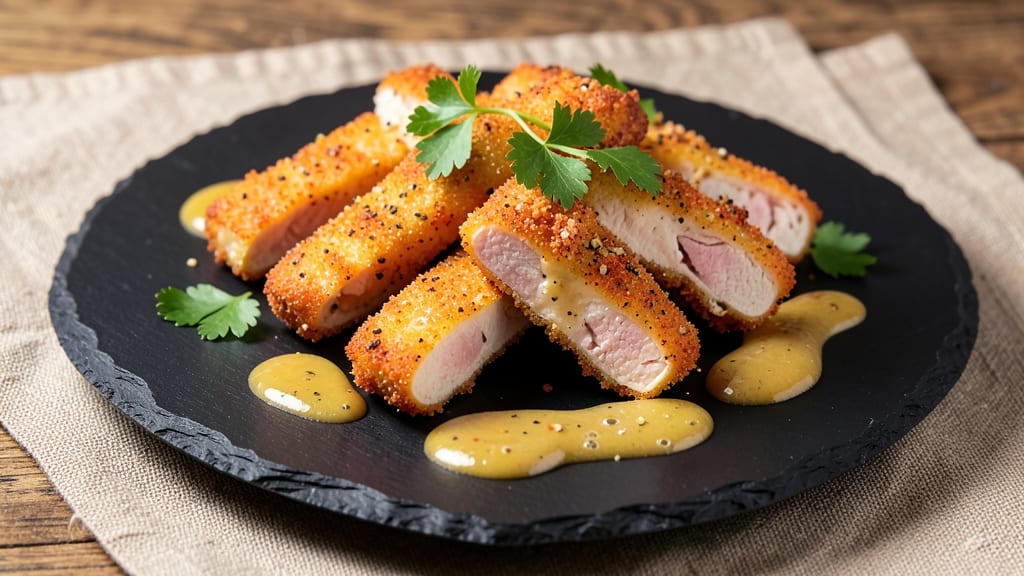
KFC-style chicken fingers deliver that signature crispy, golden crust and juicy, flavorful bite that’s hard to resist—just like the Colonel’s famous recipe. The secret lies in a buttermilk marinade and a precise breading technique that creates that iconic crunch. I’ve replicated the process at home, ensuring every finger is perfectly seasoned and cooked to order. This method delivers restaurant-quality results in just 30 minutes, making it ideal for busy weeknights or game day gatherings.
The key to achieving that signature KFC texture is a combination of pickling spice in the buttermilk marinade and a double-dredge in seasoned flour before frying or baking.
The marinade tenderizes the chicken while infusing it with subtle tangy notes, and the breading locks in moisture while creating that satisfying crunch. Whether you prefer deep-frying for maximum crispiness or air-frying for a lighter version, the technique remains the same—just adjust the cooking time accordingly.
What you’ll end up with are golden, crispy chicken fingers that are juicy on the inside and perfectly seasoned throughout. The pickling spice blend adds a hint of tang and warmth, while the buttermilk marinade ensures the chicken stays tender.
Serve them with your favorite dipping sauces—think honey mustard, ranch, or even the Colonel’s original recipe sauce—for a meal that’s sure to please both kids and adults alike.
This recipe is designed to be approachable for home cooks while delivering professional-level results. With a few simple ingredients and a methodical approach, you can recreate that classic KFC flavor in your own kitchen. Let’s get started on making these crispy, saucy, and kid-approved chicken fingers!
Ingredients for kfc chicken fingers
The secret to KFC-style crispiness lies in buttermilk, pickling spice, and a double-dredge technique—just 14 ingredients for restaurant-quality results.
| Ingredient | Amount | Notes |
|---|---|---|
| Boneless, Skinless Chicken Breast 🍗 | 1 ½ lb | Cut into 1-inch strips |
| Buttermilk 🥛 | 1 cup | Full-fat preferred |
| All-Purpose Flour 🌾 | 2 cups | For breading |
| Pickling Spice 🌶️ | 1 tbsp | For marinade depth |
| Granulated Garlic Powder 🧄 | 1 tsp | Freshly ground preferred |
| Ground Black Pepper 🌶️ | ½ tsp | Freshly cracked |
| Diamond Crystal Kosher Salt 🧂 | ½ tsp | For seasoning |
| Paprika 🌶️ | ½ tsp | Smoked for color |
| Vegetable Oil 🫒 | 2 cups | For frying (or air fryer) |
| Unsalted Butter 🧈 | 2 tbsp | For basting (optional) |
| Fresh Lemon Juice 🍋 | 1 tbsp | Brightens marinade |
| Cornstarch 🌾 | 1 tbsp | For extra crispiness |
| Yellow Mustard 🍯 | 1 tbsp | For dipping sauce base |
| Honey 🍯 | 2 tbsp | For honey mustard |
The chicken breast cut matters—look for uniform thickness to ensure even cooking. Whole Foods or Trader Joe’s carry pre-cut strips, but cutting your own guarantees freshness. For the pickling spice, McCormick or Penzeys blends work best—avoid pre-mixed packets with low-quality spices. The buttermilk should be full-fat (the good stuff, not the light version) to maximize flavor and tenderness. If you’re short on time, substitute 1 cup plain yogurt + 1 tbsp lemon juice for a similar tang.
No pickling spice? Combine 1 tsp mustard powder, ½ tsp celery salt, and ¼ tsp dill weed for a close approximation. The cornstarch in the breading is non-negotiable—it’s what creates that signature KFC crunch. For the honey mustard dip, Dijon mustard can replace yellow mustard, but the flavor will differ slightly. If frying, maintain oil at 350°F—too hot burns the exterior before the inside cooks. For air frying, 375°F for 12-15 minutes works perfectly (shake the basket halfway through). The butter basting step (optional but recommended) adds an extra layer of richness—just toss in a few pats while frying.
Store leftover chicken fingers in an airtight container for up to 3 days—they reheat beautifully in the oven at 375°F for 5-7 minutes. For longer storage, freeze them uncooked on a tray first (to prevent sticking), then transfer to a bag for up to 3 months. The honey mustard sauce keeps for 1 week in the fridge, but the cornstarch-heavy breading loses crispiness after 2 days. To revive stale fingers, air fry at 400°F for 3-4 minutes—works like magic. Portion the marinade and breading separately for easy cleanup.
Why You'll Love This Recipe
- No-Fuss Crunch: Honestly, the buttermilk marinade does all the heavy lifting—just dump the chicken in, let it soak, and you’ve already saved half the work. No chopping herbs or mincing garlic; the pickling spice and granulated garlic powder handle the flavor magic while you prep the rest.
- Chef’s-Kiss Crisp: That cornstarch in the flour? Game-changer. The breading doesn’t just stick—it shatters like KFC’s, revealing juicy chicken underneath. The smoked paprika gives it that perfect golden hue, and the lemon juice in the marinade keeps it from drying out. Trust me, the texture hits every time.
- Weeknight Hero: Between work and errands, I’m done with complicated meals. These fingers take 30 minutes max—marinate while you watch TV, fry in batches, and boom, dinner’s ready. Serve with honey mustard for picky eaters or extra butter for the grown-ups. It’s the only recipe that feels like a treat but won’t derail my schedule.
- Budget-Friendly Feast: For under $10, you’re getting crispy, saucy perfection that’ll feed four (or two very happy kids). The buttermilk and flour stretch farther than takeout, and leftovers reheat like they were just fried. Plus, freezing uncooked strips means you can batch-cook for lazy days—no excuses.
Step-by-step instructions for KFC-style chicken fingers
Master the art of achieving that signature KFC-level crunch with these precise techniques.
Prepare the Chicken and Marinade
Cut the 1.5 lb boneless, skinless chicken breast into 1-inch strips, ensuring each piece is uniform for even cooking. Place the chicken strips in a resealable plastic bag and set aside.
In a small bowl, combine 1 cup buttermilk, 1 tbsp pickling spice, 1 tsp granulated garlic powder, 0.5 tsp ground black pepper, 0.5 tsp diamond crystal kosher salt, and 1 tbsp fresh lemon juice. Pour this marinade over the chicken strips in the bag, seal tightly, and refrigerate for at least 30 minutes—up to 4 hours for maximum flavor penetration. The buttermilk will tenderize the meat while the spices infuse deeply.
This marinade step is non-negotiable. The acidity in the buttermilk and lemon juice breaks down proteins, ensuring the chicken stays juicy even after frying. Don't skip it—this is what separates homemade from fast-food texture.
Create the Breading Station
In a shallow dish, combine 2 cups all-purpose flour, 0.5 tsp paprika, 1 tbsp cornstarch, and 0.5 tsp diamond crystal kosher salt. The cornstarch is critical here—it creates an ultra-crispy crust that mimics KFC's signature texture. Mix well to eliminate any lumps.
Set up a second shallow dish with 2 cups vegetable oil for frying. Use a deep, heavy-bottomed skillet or Dutch oven—this prevents oil splatter and maintains a consistent 350°F temperature. A deep-fry thermometer is essential; oil that's too hot burns the outside before the inside cooks, while oil that's too cool results in greasy fingers.
This is where the magic happens. The paprika adds that signature golden hue, while the cornstarch ensures the breading doesn't just stick—it shatters into crispy shards with every bite.
Fry to Golden Perfection
Remove the chicken from the marinade, letting any excess drip off, then dredge each strip thoroughly in the flour mixture, pressing gently to adhere. Shake off any excess but don't worry about perfection—some flour will fall off during frying, which actually enhances crispiness.
Working in batches to avoid crowding, carefully lower the breaded chicken strips into the 350°F vegetable oil. Fry for 3-4 minutes per side until they reach a deep golden brown color. The oil should bubble steadily but not violently—if it smokes excessively, reduce the heat slightly. Use a slotted spoon to turn the chicken gently.
This is the moment that matters: the chicken must reach an internal temperature of 165°F while maintaining that crispy exterior. If the outside browns too quickly but the inside remains pale, your oil temperature is too high. Conversely, if the chicken comes out pale, increase the heat by 10°F and try again.
Prepare the Honey Mustard Sauce
While the chicken fries, prepare the signature dipping sauce by combining 1 tbsp yellow mustard, 2 tbsp honey, and 2 tbsp unsalted butter in a small saucepan. Warm over low heat for 2-3 minutes, stirring constantly until the butter melts and the mixture becomes smooth. The heat should be gentle enough to prevent the honey from burning—you're looking for a glossy, ribbon-like consistency.
This sauce balances the crispy, savory chicken with a touch of sweetness and tang. The honey mustard should coat the back of a spoon but remain pourable. If it thickens too much, add 1 teaspoon of hot water to loosen it. Taste and adjust seasoning if needed, though the original ingredients should be perfectly balanced.
Rest and Serve
Transfer the fried chicken strips to a wire rack set over a paper towel-lined plate. This allows air to circulate underneath, preventing sogginess as steam escapes. Let them rest for 5 minutes—this crucial step ensures the breading sets completely and any residual moisture redistributes, locking in juiciness.
Serve the chicken fingers immediately with the warm honey mustard sauce on the side. The contrast of the shatteringly crisp exterior with the tender, juicy interior is what makes this recipe a standout. For extra indulgence, melt 2 tbsp unsalted butter in the skillet after frying and brush it lightly over the hot chicken fingers—this adds a luxurious sheen and depth of flavor.
Each bite should deliver that perfect balance: a crispy, golden crust that shatters with the first bite, followed by juicy, flavorful chicken underneath. The honey mustard sauce ties it all together, cutting through the richness with its perfect sweet-tangy profile.
Pro Tips For Making Kfc Chicken Fingers
- Shake Off the Excess: DESCRIPTION:
- Test the Oil, Don’t Guess: DESCRIPTION:
- Salt the Flour Like It’s 1987: DESCRIPTION:
- Marinate Overnight (If You’re Brave): DESCRIPTION:
Troubleshooting perfect results
Oil Temperature Woes
The most common issue is inconsistent oil temperature—either too hot or too cool. If your oil is 350°F but smokes excessively, reduce the heat immediately to prevent burning the outside before the chicken cooks through. Conversely, if the chicken comes out pale and greasy, your oil is too cool.
Use a deep-fry thermometer to monitor temperature constantly—this is non-negotiable for that signature KFC crunch. I learned this the hard way when my first batch ended up rubbery! 🔥
Overcrowding the Pan
Frying in batches is critical—overcrowding the pan lowers the oil temperature dramatically, leading to soggy, greasy chicken. Work in groups of 4-6 pieces at a time, and avoid touching the chicken with tongs while it cooks.
If you must check, use a slotted spoon to minimize oil displacement. I once tried to fry all the strips at once and ended up with a greasy mess. Trust me, patience pays off! ⏰
Skipping the Resting Time
Never skip the 5-minute resting period after frying. This allows the breading to set and prevents steam from making the crust soggy. Transfer the chicken to a wire rack instead of a plate to let air circulate underneath—this is what keeps the exterior crispy.
I’ve made this mistake multiple times, and the difference is night and day! 💡
Breading Too Thick or Thin
The breading should be even but not excessive. Press gently when dredging to ensure full coverage, but don’t smother the chicken—this leads to a thick, dense crust that doesn’t crisp properly.
For extra crispiness, shake off any excess flour before frying, as it can create a barrier that traps moisture. A light, even layer is key! 🌾
Undercooked Chicken Inside
Use a meat thermometer to check for 165°F internal temperature. If the chicken is pale or rubbery, it’s undercooked. The cornstarch in the breading helps, but the chicken itself must reach this temp for safety and tenderness.
If your thermometer isn’t handy, cut into the thickest piece—it should be opaque and juicy, not translucent. No shortcuts here! 🍗
Sauce Separation Issues
The honey mustard sauce can separate if heated too aggressively. Keep the heat on low and stir constantly until smooth. If it thickens, add 1 teaspoon hot water to loosen it.
Overheating burns the honey, ruining the flavor balance. I once let it simmer too long and ended up with a bitter, clumpy mess—don’t let that happen to you! 🍯
Nutrition facts
Frequently asked questions
Why does the buttermilk marinade matter so much?
The buttermilk marinade is the secret to juicy, tender chicken that doesn't dry out during frying. The acidity in buttermilk and lemon juice tenderizes the meat by breaking down proteins, while the pickling spice adds depth of flavor. This step ensures your chicken stays moist and flavorful—just like the Colonel's recipe!
Can I use an air fryer instead of frying?
For air frying, cook the breaded chicken strips at 375°F for 12-15 minutes, shaking the basket halfway through. This method delivers a crispy exterior with less oil—just adjust the time slightly based on your air fryer model. The cornstarch in the breading still creates that signature crunch!
What if my chicken comes out greasy instead of crispy?
Greasy chicken usually means your oil was too cool (350°F is ideal). Use a thermometer to monitor temperature, and avoid overcrowding the pan—work in batches of 4-6 pieces at a time. If the chicken is pale inside, increase the oil temperature by 10°F next time. Patience pays off for that perfect crunch!
How do I revive stale chicken fingers?
If your leftover chicken loses crispiness, air fry at 400°F for 3-4 minutes until golden again. This works better than the oven because it restores the texture without overcooking. For extra crispiness, lightly brush with melted butter after air frying. A little magic goes a long way!
Can I make the honey mustard sauce ahead of time?
Yes, but store it in an airtight container in the fridge for up to 1 week. If it thickens, stir in 1 teaspoon hot water to loosen it. Avoid reheating too aggressively—just warm gently on the stove to restore its glossy texture. It keeps its sweet-tangy balance perfectly!