
Main Courses
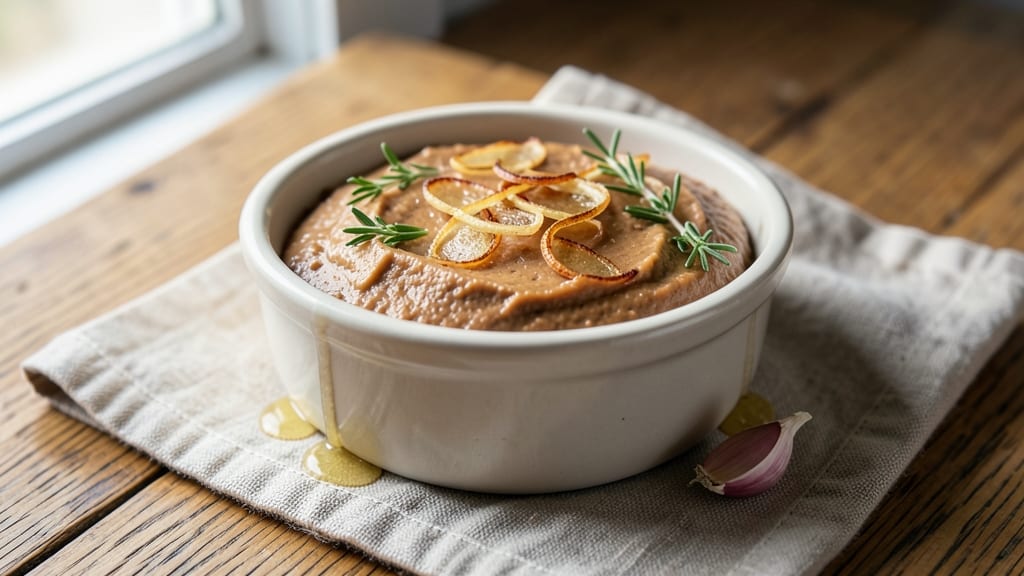
The joy of cooking chicken liver pâté comes alive when you transform humble ingredients into a silky, herb-infused masterpiece that feels like a Parisian bistro experience. This recipe reveals how simple techniques—like slow-cooking livers with shallots and thyme—create depth without complexity.
I developed it during a particularly busy week when I needed something elegant yet quick, and it became an instant favorite for entertaining.
What makes this pâté special is its versatile texture—creamy yet refined, with a delicate balance of liver richness and herbal brightness. The secret lies in proper emulsification with butter and cream, ensuring every bite has that luxurious mouthfeel without being heavy.
Beginners often worry about bloodiness, but a quick rinse and proper cooking time solve that entirely.
By the time you serve it on toasted baguette slices or crackers, you’ll have a dish that feels restaurant-worthy yet comes together in under an hour. The aroma alone—warm herbs, subtle wine notes, and caramelized shallots—transforms any gathering. Here’s how to achieve that perfect harmony of flavors and textures.
This recipe also works beautifully as a spread for bruschetta or stuffed into endive leaves for an elegant appetizer. Whether you’re hosting a dinner party or simply craving something sophisticated, this pâté delivers effortless elegance. Let’s get started with the step-by-step guide.
Ingredients for joy of cooking chicken liver pate
Simple ingredients, refined techniques—this pâté transforms humble livers into bistro-worthy elegance.
| Ingredient | Amount | Notes |
|---|---|---|
| Chicken Livers 🍗 | 1 lb | Fresh, rinsed thoroughly |
| Unsalted Butter 🧈 | ¾ cup | Cold, cubed for emulsification |
| Heavy Cream 🥛 | ½ cup | Full-fat for richness |
| Shallots 🧅 | ½ cup | Finely minced, vibrant color |
| Fresh Thyme Leaves 🌿 | ¼ cup | Stems removed, packed |
| Garlic Cloves 🧄 | 3 cloves | Peeled, minced finely |
| Dry White Wine 🍷 | ¼ cup | Sauvignon Blanc preferred |
| Chicken Stock 💧 | ½ cup | Homemade or quality store-bought |
| Diamond Crystal Kosher Salt 🧂 | ½ tsp | Fine grain preferred |
| Freshly Ground Black Pepper 🌶️ | ¼ tsp | Cracked peppercorns |
| Baguette Slices 🥖 | 8 pieces | Toasted until golden |
| Extra-Virgin Olive Oil 🫒 | 1 tbsp | For drizzling on toast |
| Fresh Parsley Leaves 🌿 | ⅛ cup | Chopped, for garnish |
The chicken livers are the star, so pick the freshest from the meat counter—they should be bright red with no grayish tinge. Rinse them thoroughly under cold water to remove any blood (trust me, this makes all the difference). Whole Foods or your local butcher often carry the best quality, but even the supermarket variety works if you rinse them well. For the butter, Plugrá or Land O'Lakes unsalted are my go-tos—they emulsify beautifully. The shallots? Buy them fresh—they should feel firm and smell sweet, not pungent. If they're wilting, skip to the next batch. Fresh thyme and parsley are non-negotiable here—they bring that herbal brightness that makes this pâté sing.
No white wine? Substitute chicken stock with a splash of lemon juice—it won’t be identical, but it’ll work in a pinch. The cream can be swapped for Greek yogurt (full-fat) at half the amount if you’re avoiding dairy, but the texture will be slightly tangier. For the shallots, if you’ve got red onion or leek, they’ll add a different but delicious depth. The kosher salt is key—Diamond Crystal is my favorite because it dissolves cleanly. If you’re using table salt, cut the amount to one-third. And if you’re worried about the livers being too rich, add an extra 1/4 cup of chicken stock to balance it out.
This pâté keeps beautifully—3-4 days in the fridge, sealed tightly with plastic wrap pressed directly on the surface. For longer storage, freeze it in 1-tablespoon portions for easy use later. The toasted baguette slices can be prepped ahead and stored in a paper bag at room temperature for up to 2 days. When reheating, warm gently in a saucepan over low heat, stirring constantly to prevent separation. If it does break, just whisk in a little more cold butter until it comes back together—it’s foolproof once you know the trick.
Why You'll Love This Recipe
- One-Pan Magic: Honestly, I love how this recipe turns one skillet into your whole kitchen’s hero. You sear the livers, build the flavor base, and emulsify everything right there—no extra pots, no stress. The wine reduction alone makes the cleanup feel like a victory lap.
- Rich Yet Balanced: That combo of unsalted butter and heavy cream gives it a luxurious mouthfeel, but the dry white wine and fresh thyme leaves keep it from tasting heavy. It’s like a hug from a gourmet chef—warm, comforting, but not cloying.
- Crowd-Pleasing Flexibility: I serve this on baguette slices for a quick lunch, but it’s also perfect for a dinner party (just add a side salad). My kids even sneak bites off my plate—they don’t even know it’s chicken liver—so it’s a win for picky eaters and adventurous foodies alike.
- Budget-Friendly Luxury: A pound of chicken livers is cheaper than a steak, and the shallots and fresh herbs stretch far. You’ll have leftovers for days, and the 3-4 days in the fridge means you can meal prep without guilt. Plus, freezing it in tiny portions? Game-changer for lazy weeknights.
Step-by-step instructions for chicken liver pâté
Here's the method I've perfected for a velvety, herb-infused pâté that balances richness with bright acidity.
Prepare and Sear the Chicken Livers
Rinse the 1 lb chicken livers thoroughly under cold water and pat them completely dry with paper towels. Remove any connective tissue or membranes you find. Trim off any large fat deposits—you want clean, lean livers for the smoothest texture.
Heat a large skillet over medium-high heat and add 1 tbsp extra-virgin olive oil. Once the oil shimmers, add the livers in a single layer, being careful not to overcrowd the pan. Cook for 3-4 minutes per side until they develop a deep golden-brown crust and reach an internal temperature of 145°F. The livers should be just cooked through but not dry—overcooking will make the pâté tough. Transfer them to a plate and set aside.
Build the Flavor Base with Shallots and Aromatics
In the same skillet (no need to clean it—the fond is flavor gold), reduce the heat to medium-low and add 0.5 cup finely minced shallots. Cook for 5-6 minutes, stirring occasionally, until they soften and become translucent. Add the 3 minced garlic cloves and cook for another 30 seconds until fragrant—don't let them brown or they'll turn bitter.
Deglaze the pan with 0.25 cup dry white wine, scraping up all those delicious browned bits from the bottom. Let it simmer for 2-3 minutes until reduced by half. Add 0.5 cup chicken stock and bring to a gentle simmer, letting it reduce by half again until you have about 0.25 cup of concentrated shallot-garlic-wine stock. This forms the aromatic backbone of your pâté.
Create the Silky Texture with Butter and Cream
Remove the skillet from heat and let it cool slightly. Add 0.75 cup cold cubed unsalted butter and let it melt slowly, whisking constantly to emulsify. The butter should incorporate smoothly into the shallot mixture, creating a glossy compound butter. Return the skillet to low heat and whisk in 0.5 cup heavy cream, stirring gently until it begins to thicken.
Add the cooked chicken livers to the skillet and use a wooden spoon or immersion blender to break them down completely. If using a regular blender, work in batches—hot liver mixtures can splatter. The texture should become velvety smooth as you blend. Season with 0.5 tsp diamond crystal kosher salt and 0.25 tsp freshly ground black pepper, then stir in 0.25 cup fresh thyme leaves. The thyme will infuse its earthy aroma throughout the pâté.
Finish and Serve with Toasted Baguette
Transfer the pâté to a heatproof bowl and let it cool slightly—this allows the flavors to meld. If you prefer an ultra-smooth texture, strain it through a fine-mesh sieve into a clean bowl. The pâté should be luxuriously thick but still spreadable. If it's too thick, whisk in 1-2 tablespoons of the reserved cooking liquid.
Toast the 8 pieces baguette slices until they're golden and crisp, then transfer them to a serving platter. Spoon the pâté generously onto the toasted baguette, creating attractive swirls with the back of a spoon. Garnish with 0.125 cup chopped fresh parsley leaves for a pop of color and freshness. Serve immediately while the baguette is still warm and crispy—this pâté tastes best fresh from the oven.
Pro Tips For Making Joy Of Cooking Chicken Liver Pate
- Trim the Livers First: I learned this the hard way—skipping the fat trimming makes your pâté greasy and uneven in texture. Use a sharp knife to slice off any visible fat before rinsing, and pat them bone-dry afterward. Wet livers splatter like crazy when they hit the hot pan.
- Whisk Butter Cold: That 0.75 cup cold cubed butter isn’t just for show—it’s what gives pâté its silky emulsion. Melt it off low heat while whisking like your life depends on it, or you’ll end up with butter blobs instead of velvety richness. (Yes, even if you’re impatient like me.)
- Reduce Wine Fully: The 0.25 cup white wine should evaporate down to half its volume—that’s about 2 tablespoons—before adding stock. Skimp here, and your pâté tastes like you’re drinking, not eating. Use a smaller pan if needed; patience here makes all the difference.
- Toast Baguette Last: Toast the slices right before serving—golden crust meets warm pâté is magic. If you toast too early, they’ll go soggy under the rich spread. Keep them covered loosely with a towel while you finish the pâté, then blast them fresh in the toaster or oven.
Perfect pairings for this joy of cooking chicken liver pate
Toasted Bread Magic
This pâté is made for crispy, golden baguette slices—the perfect canvas for its velvety richness. I toast my 8 pieces baguette until they’re deep golden and crisp, then drizzle lightly with extra-virgin olive oil before serving.
The contrast between the pâté’s silky texture and the bread’s crunch is what makes this dish so satisfying. For a twist, try herb-focaccia or even crusty sourdough—just make sure it’s fresh out of the oven. 🥖
Wine Pairings
A crisp Sauvignon Blanc, like a New Zealand Pinot Noir, cuts through the pâté’s richness beautifully. The citrus notes in the wine balance the dish’s earthy thyme and caramelized shallots.
If you prefer reds, a light Pinot Noir from Oregon works too—its red fruit notes complement the liver’s natural richness. Avoid heavy whites or tannic reds that might overpower the delicate flavors. 🍷
Herbal Garnishes
Fresh parsley isn’t just for garnish—it’s a flavor booster. I always finish with chopped parsley because it adds a bright, fresh contrast to the pâté’s richness. For extra depth, sprinkle thyme leaves or even tarragon right before serving.
A drizzle of truffle oil (if you’re feeling fancy) elevates it to restaurant-quality. Confession: I sometimes add a pinch of cayenne for a subtle kick—it’s my little secret. 🌿
Cheese Pairings
Pairing this pâté with the right cheese transforms it into a full appetizer experience. I love aged Gouda or brie because their creamy, nutty flavors complement the pâté’s herbal notes.
For a sharper contrast, try blue cheese—the tang cuts through the richness perfectly. Serve them on the same platter for an easy, crowd-pleasing spread. 🧀
Beverage Alternatives
No wine? No problem. A sparkling apple cider adds a refreshing acidity that cleanses the palate, while chilled rosé offers a fruity, elegant alternative. For beer lovers, a crisp Belgian witbier with its citrusy notes pairs surprisingly well.
Even a sparkling water with lemon works in a pinch—it’s all about balancing the dish’s richness. 🍺
Nutrition facts
Frequently asked questions
Why does my pâté turn grainy or separate?
This usually happens if the butter isn’t cold enough when emulsifying or if you overmix after adding the cream. Start by ensuring your 0.75 cup cold cubed unsalted butter is truly chilled before melting. Whisk gently until smooth, then add the cream slowly over low heat—never let it boil. If it separates, whisk in a splash of the reserved cooking liquid or a spoonful of cold butter to re-emulsify.
Can I skip the white wine in this recipe?
If you don’t have dry white wine, substitute with 0.25 cup chicken stock plus 1 tablespoon lemon juice—it’ll add brightness without the alcohol. The key is maintaining the same 2 tablespoons of liquid reduction for the aromatic base. Just adjust the seasoning slightly afterward if needed.
How do I prevent the pâté from being too rich?
Balance is everything! The 0.5 cup heavy cream and 0.5 cup chicken stock help lighten the richness, but you can further reduce it by straining the pâté through a fine-mesh sieve before serving. For extra freshness, stir in an extra 1 tablespoon chopped parsley or a splash of dry sherry—both cut through the fat beautifully.
What’s the best way to reheat leftover pâté?
Gentle heat is key! Transfer the pâté to a small saucepan and warm it over low heat, stirring constantly to prevent separation. If it thickens too much, whisk in 1-2 teaspoons of warm water or chicken stock. Never microwave—it can create uneven textures. Serve immediately on fresh toasted baguette slices for the best experience.