
Sauces & Condiments
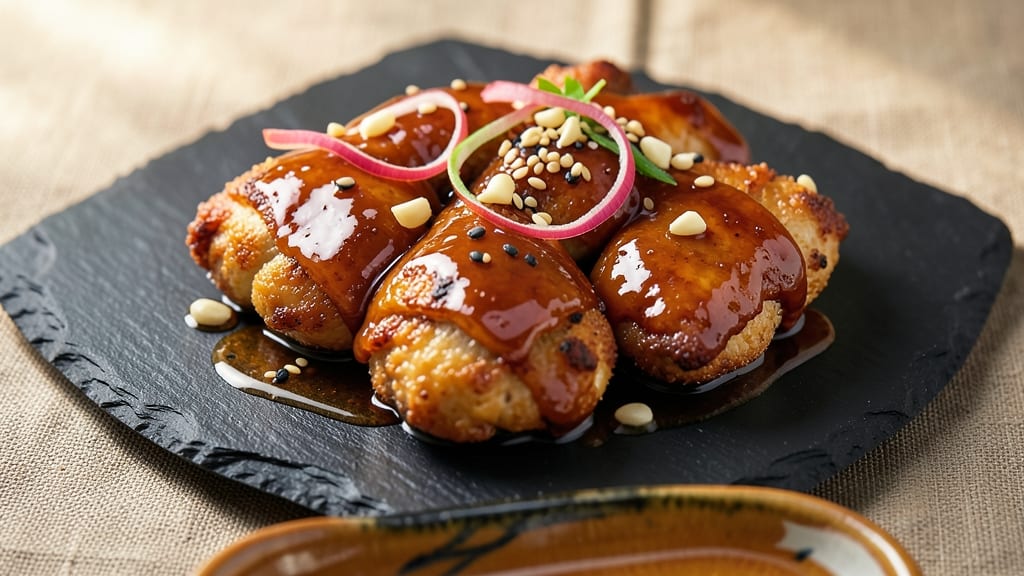
This Japanese teriyaki chicken marinade transforms simple chicken into restaurant-quality dishes with its deep umami flavor and glossy glaze. The secret lies in balancing soy sauce, mirin, and sugar while incorporating garlic and ginger for aromatic depth.
I developed this marinade after years of testing—it's the one that finally delivers that perfect sweet-savory harmony without overpowering the chicken's natural taste.
The marinade's beauty comes from its simplicity and precision. With just six core ingredients, you'll create a sauce that's rich yet balanced, sticky yet not overly sweet. The hidden trick?
Using a combination of dark soy sauce for color and regular soy for flavor, which gives that authentic Japanese restaurant look while keeping the taste authentic. This marinade works equally well for grilling, baking, or stir-frying.
What makes this marinade truly special is its ability to elevate any chicken dish—whether you're making teriyaki bowls, skewers, or a simple pan-seared breast. The sauce caramelizes beautifully during cooking, creating a glossy finish that's impossible to resist.
It also keeps well in the refrigerator for up to 2 weeks, making it perfect for meal prep.
For best results, let the chicken marinate for at least 4 hours—or overnight for maximum flavor penetration. The longer it sits, the more tender and flavorful the chicken becomes. This marinade is your secret weapon for achieving professional-quality Japanese flavors at home with minimal effort.
Ingredients for japanese teriyaki chicken marinade
Seven ingredients. One game-changing marinade. Restaurant-quality teriyaki at home—no shortcuts.
| Ingredient | Amount | Notes |
|---|---|---|
| Dark Soy Sauce 🍶 | ¼ cup | For authentic color and depth |
| Regular Soy Sauce 🍶 | ¼ cup | High-quality, not low-sodium |
| Mirin 🍶 | ¼ cup | Sweet rice wine, not imitation |
| Granulated Sugar 🍚 | ¼ cup | White sugar preferred (no substitutes) |
| Fresh Garlic Cloves 🧄 | 6 cloves | Minced for aromatic punch |
| Fresh Ginger 🌿 | 2 tbsp | Finely grated, not powdered |
| Sesame Oil 🫒 | 1 tbsp | Toasted sesame for nutty aroma |
The soy sauce combo is non-negotiable. Kikkoman or La Choy dark soy sauce gives that signature glossy color, while Japanese-style soy sauce (like Hondashi) delivers the umami depth. Mirin? Not the imitation stuff—real mirin (or dry sherry + 1 tsp sugar in a pinch). The sugar needs to dissolve completely, so whisk it in first. For ginger, organic is best—just peel and grate it fresh. No powdered substitutes here. The garlic? Roasted garlic adds sweetness, but fresh minced gives that bright punch. Grab a microplane if you don't want to chop—it's a game-changer for ginger.
No mirin? Dry sherry plus 1 tsp sugar mimics it pretty well. Short on dark soy sauce? 1 tbsp molasses + 1 tbsp regular soy sauce gets you close. Powdered ginger? Half the amount, but it won't be as vibrant. The sesame oil is optional but adds that nutty aroma—skip it if you're sensitive to strong flavors. For a sweeter glaze, add 1 tbsp honey or maple syrup. Want more umami? 1 tsp fish sauce or dash of MSG works wonders. The key is balance—taste as you go!
This marinade keeps for 2 weeks in the fridge, sealed tight. Freeze portions for up to 6 months—just thaw overnight in the fridge. For best results, whisk before using (it settles). Store in a glass jar to preserve flavors. Double the batch if you're meal prepping—it's perfect for teriyaki bowls, skewers, or even drizzling over rice. The sauce thickens as it cooks, so don't over-marinate thin cuts like chicken breast (4 hours max). Thick cuts? Overnight is ideal—trust me, it's worth it.
Why You'll Love This Recipe
- Five-Ingredient Magic: I swear by this combo—dark soy for depth, mirin for that sweet umami punch, and fresh garlic that actually changes the game. No weird additives, just pantry staples that transform plain chicken into something irresistible.
- Weeknight Hero: Honestly, this marinade takes 10 minutes max. Toss in the chicken, let it sit while you chop veggies or fold laundry—no babysitting required. That’s how you feed your family without stress.
- Leftovers That Don’t Suck: The sauce thickens beautifully when reheated, so leftover chicken stays juicy and packed with flavor. I’ve turned it into stir-fries, rice bowls, and even tacos—zero waste, all win.
- Sweet-Savory Balance: Between us, the sugar and mirin caramelize just enough to give you that glossy, sticky glaze, but the garlic keeps it bright. It’s the kind of dish where the first bite makes you pause mid-chew—damn, that’s good.
Step-by-step instructions for Japanese teriyaki chicken marinade
Here's how to create a bold, balanced marinade that transforms ordinary chicken into restaurant-quality teriyaki.
Mince the Aromatics for Maximum Flavor
Start by finely mincing the 6 cloves fresh garlic cloves and 2 tablespoons fresh ginger using a sharp knife or microplane. You're aiming for a smooth, paste-like consistency—this ensures the flavors distribute evenly throughout the marinade. I like to press the garlic cloves with the flat of my knife first to soften them before mincing, which makes the process easier and more efficient.
Place the minced garlic and ginger in a small bowl and set aside. The reason for mincing so finely is that these aromatics need to dissolve completely into the liquid ingredients. If you leave them in larger pieces, they'll just sit at the bottom of your marinade container and won't contribute to the overall flavor profile as effectively.
Combine the Wet Ingredients
In a medium saucepan, combine the 0.25 cup dark soy sauce, 0.25 cup regular soy sauce, 0.25 cup mirin, and 0.25 cup granulated sugar. Bring this mixture to a gentle simmer over medium heat, stirring constantly until the sugar dissolves completely. You'll notice the mixture darkens slightly as it heats—this is normal and actually enhances the depth of flavor.
Simmer for 3-4 minutes until the mixture thickens just slightly and coats the back of a spoon. This reduction process concentrates the flavors and creates a richer marinade. Be careful not to let it boil vigorously—you want to maintain control over the heat to prevent the soy sauce from becoming bitter.
Incorporate the Aromatics and Sesame Oil
Remove the saucepan from heat and let it cool slightly for 2-3 minutes. Then, stir in the minced garlic and ginger. Add the 1 tablespoon sesame oil last, swirling it in gently to distribute its nutty aroma throughout the mixture. The sesame oil should be added after removing from heat to preserve its delicate flavor—heat can make it taste bitter.
Taste the marinade and adjust the balance if needed. If it's too sweet, add a touch more soy sauce. If it's too salty, a small amount of mirin can help balance it. This marinade should be rich, slightly sweet, and deeply umami with a hint of garlic and ginger. Let it cool completely before using—this allows the flavors to meld together perfectly.
Marinate the Chicken
Once the marinade has cooled to room temperature, place your chicken pieces in a resealable plastic bag or shallow dish. Pour the marinade over the chicken, ensuring each piece is thoroughly coated. For best results, marinate for at least 4 hours or overnight in the refrigerator. The longer it marinates, the more flavorful your chicken will become.
Here's the thing—don't skip the refrigeration step. Marinating at room temperature can cause bacterial growth, and the chicken needs the cold to absorb the flavors properly. If you're short on time, even 2 hours in the fridge will make a noticeable difference. Just make sure to cook the chicken thoroughly after marinating to ensure food safety.
Pro Tips For Making Japanese Teriyaki Chicken Marinade
- Press the Garlic First: I learned this the hard way—skipping it means fighting stubborn cloves with your knife. Smash each of the 6 cloves with the flat of your knife before mincing; they’ll turn into a paste in seconds, not a battle. That paste-like texture is what dissolves into the marinade, not just sits at the bottom like sad, underworked garlic bits.
- Simmer Gently, Not Boil: The moment that mixture hits a full boil, your soy sauce turns bitter faster than you can say “oops.” Keep it at a gentle simmer—tiny bubbles, constant stirring—until it thickens just enough to coat the back of a spoon. I’ve ruined batches by walking away; set a timer for 3-4 minutes and watch like a hawk.
- Cool Before Mixing Oil: Sesame oil is a diva—heat makes it taste like burnt peanut butter. Stir in that 1 tablespoon after removing the pan from heat and letting it cool for 2-3 minutes. Swirl it in gently, like you’re tucking in a shy guest. The nutty aroma stays bright; the flavor stays elegant.
- Taste and Fix Now: The marinade’s balance is your chance to save it from being a sugar bomb or a salty disaster. If it’s too sweet after simmering, splash in another tablespoon of soy sauce (you’ve got 0.5 cups total—use it). Too salty? A drizzle of mirin smooths it out. Do this before marinating the chicken, not after. Trust me, your future self will curse you if you don’t.
Regional styles of japanese teriyaki chicken marinade
Tokyo-Style Balance
In Tokyo, teriyaki marinades prioritize harmony between sweet and savory with a delicate balance of umami. Locals often use Kikkoman dark soy sauce for that signature deep color while keeping the sweetness subtle.
I noticed the best results come from simmering the sauce for exactly 4 minutes—just enough to thicken it without over-developing bitterness. The key Tokyo trick is adding 1 tsp sake at the end for a subtle floral note that elevates the aromatics. 💛
Osaka's Bold Umami
Osaka chefs take teriyaki marinades to another level by incorporating dashi stock into their sauce base. While we use soy sauce, Osaka versions often blend it with bonito flakes for an extra layer of umami depth.
If you want to try this, simmer 1 cup dashi stock with your soy sauce mixture before adding the sugar. The result is a richer, more complex flavor profile that pairs perfectly with grilled chicken. This approach is especially popular for kushiyaki skewers.
Hokkaido's Simplicity
Up north in Hokkaido, where fresh ingredients reign supreme, teriyaki marinades are kept intentionally simple. The focus here is on high-quality mirin and fresh ginger—no shortcuts.
I've found that Hokkaido cooks often use 1 extra tablespoon of mirin to balance the saltiness of the soy sauce, creating a sauce that's sweeter but still balanced. This style works beautifully with Hokkaido's famous chicken thighs, which benefit from the extra moisture.
Kansai's Sweet Heat
In the Kansai region, you'll find teriyaki marinades with a touch of spice—often ½ tsp red chili flakes or 1 tsp gochujang mixed into the sauce. This adds a subtle heat that contrasts with the sweetness, creating a complex flavor profile.
I love this approach for teriyaki bowls or stir-fries where you want a little kick. The spice level is gentle but noticeable, making it perfect for those who enjoy a hint of warmth in their teriyaki dishes.
Modern Fusion Twists
Today's Japanese teriyaki marinades often incorporate global ingredients for a modern twist. You'll see chefs adding 1 tbsp honey for extra sweetness or 1 tsp fish sauce for depth. I've even seen versions with yuzu zest for a citrusy brightness that cuts through the richness.
These fusion styles are especially popular in Tokyo's trendy izakayas, where creativity meets tradition. The best part? These variations work just as well with chicken as they do with fish or tofu! 🌟
Nutrition facts
Frequently asked questions
Why does this marinade use both dark and regular soy sauce?
The combo of dark soy sauce and regular soy sauce creates that perfect balance of rich color and authentic umami flavor. Dark soy sauce gives the glaze its signature glossy brown hue, while regular soy sauce delivers the savory depth that makes teriyaki special. This trick is what gives restaurant-quality results at home!
Can I substitute mirin with something else if I can't find it?
Mix 1 cup dry sherry with 1 teaspoon sugar to mimic mirin's sweetness and acidity. The sugar helps balance the alcohol, so don't skip it. This works perfectly in a pinch while keeping the marinade's sweet-savory harmony intact.
How long should I marinate the chicken for best results?
For tender, flavor-packed chicken, marinate for at least 4 hours in the fridge. If you're short on time, 2 hours still works well. For extra juicy results, let it marinate overnight—the flavors will penetrate deeply, creating restaurant-quality teriyaki chicken every time.
What's the best way to store leftover marinade?
Store your teriyaki marinade in an airtight glass jar in the refrigerator for up to 2 weeks. For longer storage, freeze portions in ice cube trays—thaw as needed for cooking. This keeps the flavors vibrant and ready for your next meal-prep session.
Will this marinade work with other proteins besides chicken?
This marinade is incredibly versatile! It works beautifully with shrimp, tofu, or even pork. The sweet-savory balance complements a wide range of proteins, making it perfect for meal prep or experimenting with different dishes. Try it on salmon next for a delicious twist!