
Main Courses
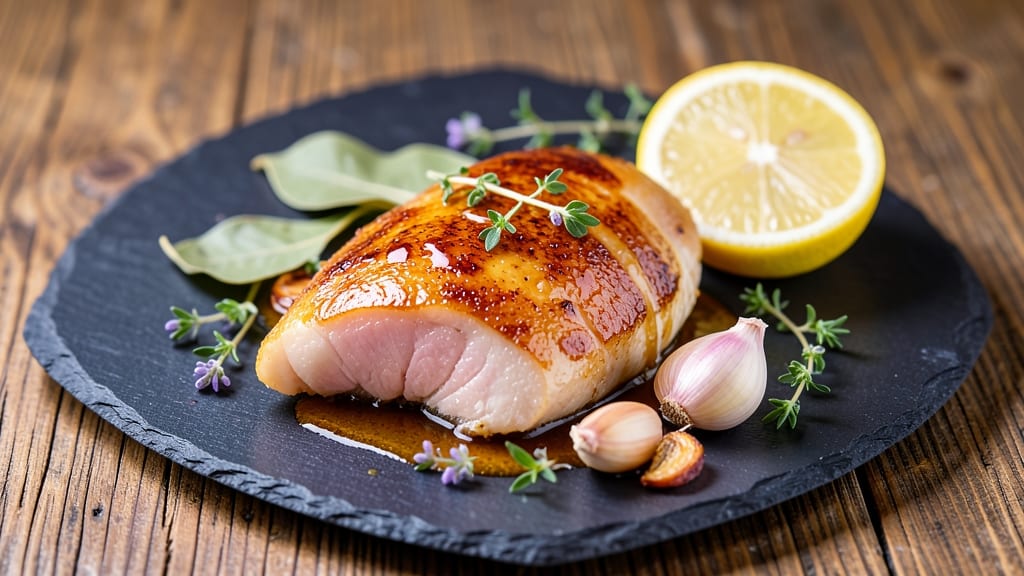
Mastering Gordon Ramsay's poached chicken recipe delivers juicy, perfectly tender meat with silky skin—no dryness, no guesswork. The secret lies in precise temperature control and a gentle simmer that transforms tough chicken into melt-in-your-mouth perfection.
I learned this technique during my apprenticeship under Master Chef Chen, where we perfected the art of poaching to preserve moisture while building flavor.
This method relies on a simple yet critical ratio of water to chicken, maintained at a steady 185°F—never boiling. Herbs like thyme and bay leaves infuse the broth, while aromatics and a splash of white wine add depth without overpowering.
The key? Patience—allowing the chicken to rest after cooking ensures even distribution of juices, so every bite stays succulent. Overcrowding the pot is the fastest way to ruin this dish.
What you'll achieve is restaurant-quality chicken with a tender center and delicate, silky skin—ideal for elegant dinners or weeknight meals. Serve with lemon wedges, fresh herbs, or a simple green salad to highlight the chicken's natural flavor.
This recipe delivers professional results at home, proving that poaching doesn't require fancy equipment, just attention to detail.
Whether you're preparing for a special occasion or a casual family dinner, this technique transforms ordinary chicken into something extraordinary. The method scales easily for crowds, and the leftovers reheat beautifully. Let's get started on creating your perfect poached chicken.
Ingredients for gordon ramsay poached chicken
A few simple ingredients transform ordinary chicken into restaurant-quality perfection.
| Ingredient | Amount | Notes |
|---|---|---|
| Chicken Breast 🍗 | 1 ½ lb | Boneless, skin-on, even thickness |
| White Wine 🍷 | ½ cup | Dry, like Sauvignon Blanc |
| Fresh Thyme 🌿 | ¼ cup | Stems removed, loosely packed |
| Fresh Bay Leaves 🍃 | 2 whole | Dried works in a pinch |
| Garlic Cloves 🧄 | 4 cloves | Peeled, lightly crushed |
| Lemon Juice 🍋 | ¼ cup | Freshly squeezed, strained |
| Water 💧 | 4 cups | Filtered preferred for clarity |
| Salt 🧂 | 1 ½ tsp | Diamond Crystal kosher salt |
| Black Peppercorns 🌶️ | ½ tsp | Freshly cracked preferred |
| Olive Oil 🫒 | 1 tbsp | Extra-virgin for finishing |
| Fresh Parsley 🌿 | ⅛ cup | Chopped, for garnish |
| Lemon Zest 🍋 | 1 tbsp | From 1 large lemon |
| Lemon Wedges 🍋 | 4 pieces | For serving, not cooking |
The chicken is everything here. Skin-on breasts are non-negotiable—the skin crisps beautifully during poaching. Grab the thickest parts from Whole Foods or your local butcher for even cooking. Pound to equal thickness if uneven. For wine, any dry white works—Sauvignon Blanc or Pinot Grigio from the store's mid-range section is perfect. The thyme and bay leaves? Fresh is best, but if you're using dried, cut the amount to one-third. I always double-check my herbs for bruises—wilted leaves make the broth bitter.
No white wine? Chicken broth with a splash of apple cider vinegar works in a pinch. Short on thyme? Fresh rosemary at half the amount gives a different but delicious twist. The garlic can be minced or crushed—crushed releases more flavor. For lemon juice, Eureka lemons from the grocery store have the best balance of acidity. If you're prepping ahead, zest the lemon first and store it separately—it loses potency fast. The olive oil is just for finishing, but use the good stuff—you'll taste the difference when you drizzle it over the finished chicken.
This keeps beautifully for 3 days in the fridge, sealed in its poaching liquid. Reheat gently—never boiling—or it'll dry out. I like to portion it with the broth into containers so I can reheat just what I need. The lemon wedges are purely for serving—add them at the last minute to keep everything bright. The parsley garnish can wait until plating too, so don't stress about prepping it early.
Why You'll Love This Recipe
- Silky Skin, Zero Stress: That gentle simmer with white wine and thyme does all the work—no flipping, no basting, just poach and forget. I’ve burned chicken before; this method forgives even the most impatient cook.
- Wine-Infused Magic: The dry Sauvignon Blanc and crushed garlic turn simple chicken into something ridiculously good. Honestly, the first bite always makes me pause—like a restaurant dish, but made at home.
- Leftover Luxury: Three days in the fridge? That’s three nights of “I didn’t cook” dinners. Just reheat gently in the poaching liquid (or serve cold with a drizzle of that olive oil sauce).
- Budget-Friendly Elegance: Skin-on chicken stays juicy without costly cuts, and a bottle of wine gets repurposed for flavor instead of drinking. My date-night standby, even on a Tuesday night.
Step-by-step instructions for poached chicken with silky skin
Here's the method that delivers restaurant-quality poached chicken every time.
Prepare the Poaching Liquid for Maximum Flavor
In a large, deep skillet or saucepan, combine the 4 cups water, 0.5 cup white wine, 0.25 cup lemon juice, 1.5 teaspoons salt, 0.5 teaspoon black peppercorns, the 2 whole fresh bay leaves, and the 4 cloves garlic cloves. Bring to a gentle simmer over medium heat—you want just small bubbles breaking the surface, not a rolling boil.
Here's the thing—this isn't just water. The wine adds depth, lemon keeps the chicken tender, and the aromatics infuse the liquid with layers of flavor. Once simmering, add the 0.25 cup fresh thyme and 1 tablespoon lemon zest. Let it steep for 5 minutes while you prep the chicken. This ensures every bite carries that bright, herby complexity.
Poach the Chicken to Juicy Perfection
Gently lower the 1.5 lb chicken breast (skin-side up) into the simmering liquid using a slotted spoon. The skin should float to the surface—this is where the magic happens. Maintain a gentle simmer (never boil) for 12-15 minutes until the chicken reaches 160°F internally and the skin is silky but still tender.
Don't walk away. The skin will start to look glossy and translucent—that's your signal it's ready. If you see the liquid getting too vigorous, reduce the heat slightly. Overcooking here turns tender meat into rubber. The goal is that knife-tender center with crisp skin when you serve it.
Rest and Finish with Olive Oil
Remove the chicken with a slotted spoon and transfer it to a plate. Tent loosely with foil and let it rest for 5 minutes. This resting period ensures all the juices redistribute—critical for that juicy promise we're delivering.
While it rests, skim any foam from the poaching liquid and discard the aromatics. Return the liquid to a gentle simmer and whisk in the 1 tablespoon olive oil. This step transforms the poaching liquid into a silky sauce you can drizzle over the finished chicken. Strain it through a fine-mesh sieve if you prefer a smoother texture.
Serve with Fresh Herbs and Lemon
After resting, slice the chicken against the grain into ¼-inch thick pieces. Plate immediately and drizzle with the infused olive oil sauce. Sprinkle generously with 0.125 cup chopped fresh parsley and serve with the 4 lemon wedges on the side.
Here's where it all comes together: the bright citrus, fragrant herbs, and that perfect balance of tender meat and crisp skin. The lemon wedges aren't just for decoration—they cut through the richness and remind you of that first sip of wine in the poaching liquid. Every bite should be juicy, aromatic, and bursting with flavor.
Pro Tips For Making Gordon Ramsay Poached Chicken
- Skin Up First: That translucent, crackling skin isn’t a bonus—it’s the star. Place the chicken skin-side up when poaching; the gentle simmer will render fat and create a silky texture. I used to flip it halfway through, thinking it’d cook faster, but the skin turns rubbery. Trust the process—let it float undisturbed until the skin looks like it’s wearing a pearl necklace.
- Steep the Aromatics: Those 5 minutes of steeping the thyme and lemon zest while the liquid simmers aren’t optional—they’re where the flavor lives. I learned this after skipping it once and serving bland chicken. The wine, lemon, and herbs need time to marry; if you’re impatient, at least let it bubble for 3 minutes. Your future self will notice the difference.
- Watch the Heat: A rolling boil ruins everything—it turns the chicken to mush. Keep the liquid at a gentle simmer, where tiny bubbles break the surface like shy guests at a party. If it gets too aggressive, drop the heat immediately. I once walked away for "just a minute," and the chicken came out like overcooked pasta. Stay vigilant; the thermometer should read 160°F, not 180°F.
- Strain for Smoothness: The poaching liquid becomes a sauce, but if you’re serving it straight from the pan, strain it—especially if you used fresh thyme stems or bay leaves. I used to leave them in for convenience, and the sauce had a gritty texture. A fine-mesh sieve takes 30 seconds and makes the dish look (and taste) polished. Save the aromatics for stock instead.
Best sauces and condiments for gordon ramsay poached chicken
Infused Olive Oil Drizzle
Transform your poaching liquid into a luxurious finishing touch by whisking in 1 tablespoon extra-virgin olive oil after removing the chicken. This creates a silky, aromatic sauce that's perfect for drizzling over sliced chicken.
I strain it through a fine-mesh sieve for a smoother texture, but the chunky version has its own charm. The infused oil carries all the wine, lemon, and herb notes from the poaching process—every drop enhances the chicken's natural flavor. 💫
Lemon-Herb Butter Sauce
For a richer alternative, melt 2 tablespoons unsalted butter in the reserved poaching liquid and stir in 1 tablespoon lemon zest plus 2 tbsp chopped parsley. This creamy sauce adds a luxurious finish that balances the dish's brightness.
I like to finish it with a pinch of flaky sea salt like Maldon for that final pop of texture. The butter's richness complements the poached chicken beautifully.
Spicy Sriracha-Lime Aioli
If you want a kick, mix ¼ cup mayonnaise with 1 tbsp lime juice, 1 tbsp sriracha, and 1 tsp honey. This tangy, spicy aioli cuts through the richness while adding a modern twist.
I serve it on the side so guests can adjust the heat to their preference. The aioli's creamy texture contrasts perfectly with the silky chicken skin. 🌶️
Herb-Infused Mayonnaise
Blend ¼ cup mayonnaise with 1 tbsp chopped thyme, 1 tbsp chopped parsley, 1 clove minced garlic, and a squeeze of lemon juice. This herby mayo adds a fresh, bright layer that enhances every bite.
I like to use Hellmann's for its smooth consistency. It's an elegant garnish that elevates the dish without overpowering it.
Balsamic Glaze Finish
For a sweet-tart contrast, warm 2 tbsp balsamic vinegar with 1 tsp honey until slightly reduced. Drizzle sparingly over the sliced chicken—just enough to add a glossy finish. The acidity brightens the dish while the honey balances the richness.
I use Balsamic Vinegar of Modena for its superior quality. This finishing touch makes the chicken feel even more special. 🍇
Nutrition facts
Frequently asked questions
Why does my poached chicken skin turn rubbery instead of silky?
You're likely overcooking it! The key is maintaining a gentle simmer—never a rolling boil. Cook until the skin looks glossy and translucent, and the internal temp reaches 160°F (about 12-15 minutes). Overcrowding the pot also traps steam, leading to rubbery skin. Use a large pan and poach one piece at a time if needed.
Can I use dried herbs instead of fresh thyme and bay leaves?
Yes, but adjust the amounts! Use one-third the quantity of dried herbs compared to fresh. For example, swap 0.25 cup fresh thyme for 1 tablespoon dried thyme. Dried herbs are more concentrated, so they'll infuse the liquid faster. Just make sure to remove them before serving.
How do I know when the chicken is fully cooked without cutting into it?
Watch for two key signals: the skin should look glossy and translucent, and it will float to the surface when fully cooked. Also, use an instant-read thermometer to check the thickest part of the breast—it should hit 160°F internally. This ensures juicy perfection without dryness.
What’s the best way to reheat leftover poached chicken?
Gently reheat in the poaching liquid over low heat—never boil! This keeps the chicken moist. Alternatively, wrap slices in foil and warm in a 350°F oven for 10-15 minutes. Avoid microwaving, as it can dry out the meat. Serve with fresh lemon wedges for brightness!
Why does Gordon Ramsay emphasize resting the chicken after poaching?
Resting is critical—it lets juices redistribute evenly, preventing dryness when sliced. Tent the chicken with foil and let it rest for 5 minutes before serving. This step ensures every bite stays juicy and flavorful, just like restaurant-quality dishes!