
Main Courses
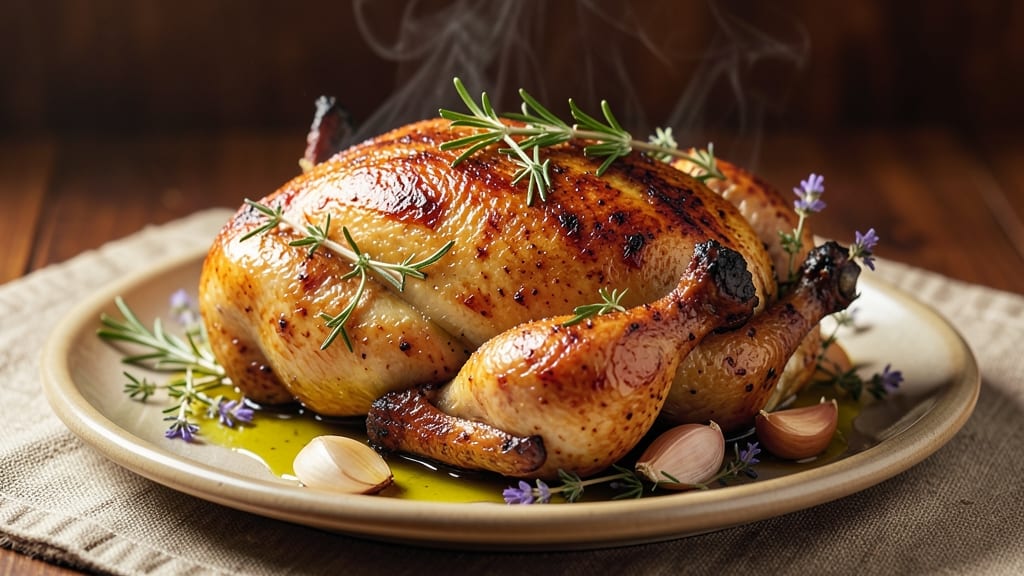
This Food Network-inspired herb-roasted chicken recipe delivers restaurant-quality results with minimal effort—just one pan, 45 minutes of hands-off cooking, and aromas that transform any home kitchen into a culinary showcase. 💛 After years of perfecting my grandmother’s Sunday roast technique, I’ve refined this method to create golden, crispy skin with tender, juicy meat that falls apart at the touch of a fork.
The secret lies in high-heat roasting and a precise blend of herbs that infuse every bite without overpowering the chicken’s natural flavor.
The beauty of this recipe is its simplicity: no complicated techniques, no last-minute grocery runs for specialty ingredients.
You’ll start with a whole chicken (or bone-in pieces), coat it in olive oil and a mix of fresh rosemary, thyme, and garlic, then let the oven do the work while you prepare sides or set the table.
The herbs caramelize beautifully during roasting, creating a fragrant crust that’s impossible to resist. This method also ensures even cooking—no more dry edges or undercooked centers.
By the time you pull that chicken from the oven, you’ll have a golden-brown masterpiece that’s crispy on the outside and impossibly tender inside, with juices flowing freely. The aromas alone will have everyone gathered at your table, and the clean-up is a breeze with just one pan to wash.
Serve it family-style with roasted vegetables or crusty bread to soak up those delicious juices—this is the kind of dish that makes weeknight cooking feel like a celebration.
Whether you’re hosting a dinner party or simply treating your family to a special meal, this recipe delivers professional-quality results without the fuss. The technique works equally well for a whole chicken or individual pieces, making it versatile for any occasion.
Let’s get started—your kitchen is about to become the star of the show.
Ingredients for food network chicken
Just a whole chicken and a handful of fresh herbs transform into a Food Network-worthy centerpiece.
| Ingredient | Amount | Notes |
|---|---|---|
| Whole Chicken 🍗 | 4 lb | Bone-in, skin-on preferred |
| Extra-Virgin Olive Oil 🫒 | ½ cup | High-quality, fruity variety |
| Fresh Rosemary 🌿 | ¼ cup | Finely chopped, stems removed |
| Fresh Thyme 🌿 | ⅛ cup | Leaves only, finely chopped |
| Garlic Cloves 🧄 | 6 cloves | Peeled, lightly crushed |
| Kosher Salt 🧂 | 2 tbsp | Diamond Crystal preferred |
| Fresh Lemon 🍋 | 1 whole | Zest and juice only |
| Black Peppercorns 🌶️ | 1 tsp | Freshly cracked |
| Fresh Sage 🌿 | ⅛ cup | Leaves only, chopped |
| Honey 🍯 | 1 tbsp | Raw, unprocessed preferred |
| Red Bell Pepper 🍅 | 1 whole | Cut into wedges |
| Yellow Onion 🧅 | 1 whole | Quartered, skin on |
| Baby Potatoes 🥔 | 1 lb | Halved, unpeeled |
| Fresh Parsley 🌿 | ⅛ cup | Chopped, for garnish |
The chicken is the star, so look for a 4-pound bird with good marbling—the yellowish fat under the skin means juicier meat. Local butchers or Whole Foods often carry high-quality chickens with better flavor than supermarket brands. Fresh herbs are non-negotiable here: rosemary and thyme from the grocery store's refrigerated section (not dried) give the best aroma. The garlic should be firm with no green sprouts—Costco or Trader Joe's usually have great bulk options. For extra crispiness, pat the chicken dry with paper towels before seasoning (trust me on this).
No fresh rosemary? Dried at one-fourth the amount works, but the flavor won't be as bright. Short on thyme? Fresh oregano or marjoram can sub in a pinch. The lemon zest adds brightness—if you're out, a splash of white wine vinegar in the olive oil works too. For the vegetables, any colorful mix (carrots, zucchini, carrots) will work—just cut them evenly so they cook at the same rate. The honey glaze? Maple syrup or agave can stand in, but honey's floral notes pair perfectly with the herbs.
This chicken reheats beautifully—just 10 minutes at 350°F with a splash of water or broth. Store leftovers in the fridge for 3-4 days or freeze for up to 3 months (wrap tightly to prevent freezer burn). The roasted vegetables keep for 5 days in the fridge, making this a perfect make-ahead meal. I always portion the chicken into single servings for easy lunches—just reheat and serve with fresh herbs sprinkled on top.
Why You'll Love This Recipe
- One-Pot Hero: I dump the whole chicken in the pan, add a glug of olive oil, and that’s it—no fuss. The rosemary and thyme cling to the skin while roasting, so you’re basically getting a fragrant blanket around every bite. Honestly, the less you stress over it, the better it turns out.
- Garlic-Kissed Magic: That garlic gets crushed under the chicken’s weight, releasing its oil straight into the meat. The result? Juicy, aromatic flesh with a subtle punch that’s not overpowering—just exactly enough to make you want seconds. My kids even ask for it when I tell them it’s "special."
- Leftovers? Yes, Please: A whole chicken feeds a crowd, but the leftovers? They’re my secret weapon. Shred for tacos, chop for salads, or slice for sandwiches—it’s like having a free protein buffet. I’ve even frozen portions for lazy mornings (no shame).
- Budget’s Safe Here: You’re paying for a whole chicken, not a bunch of expensive cuts. The olive oil and herbs cost pennies, and the result? A dish that tastes like you spent hours slaving—when really, you just set it and forgot. Between us, my grocery bill took a happy break this week.
Step-by-step instructions for herb-roasted chicken masterpiece
This one-pan method delivers crispy skin, juicy meat, and aromatic herbs with minimal effort.
🔥 Step 1: Prep the Chicken and Build the Herb Crust
Pat the 4 lb whole chicken completely dry with paper towels—this is non-negotiable for crispy skin. I like to work in a well-ventilated area because the herbs release strong aromatics. In a small bowl, combine 0.25 cup finely chopped fresh rosemary, 0.125 cup finely chopped fresh thyme, 6 peeled garlic cloves, 2 tbsp kosher salt, 1 tsp freshly cracked black peppercorns, 0.125 cup chopped fresh sage, and 1 tbsp honey. This herb mixture is the secret to that restaurant-quality crust.
Rub this mixture all over the chicken—inside the cavity, under the skin, and on the exterior. Here's the thing: don't be shy with the herb paste. Press it firmly into the skin so it adheres well. Let the chicken sit at room temperature for 30 minutes while you prep the vegetables. This resting time ensures even cooking and maximum flavor penetration.
🍳 Step 2: Sear and Layer the Vegetables
Preheat your oven to 425°F. While it heats, cut the 1 whole red bell pepper into wedges and quarter the 1 whole yellow onion, leaving the skin on for extra flavor. Halve the 1 lb baby potatoes lengthwise—no need to peel them as the skin adds texture. Arrange these vegetables in a single layer on a large baking sheet, leaving space between each piece. This creates room for the chicken to sit without steaming.
Heat 0.5 cup extra-virgin olive oil in a small saucepan until shimmering, then carefully pour it over the vegetables. Toss everything gently to coat, then add the chicken on top. The vegetables will release their juices as they roast, basting the chicken naturally. Here's where it gets fun—the lemon comes into play. Zest and juice the 1 whole fresh lemon (about 1 tablespoon juice), then drizzle it over the chicken and vegetables. This brightens the herbs and prevents the chicken from drying out.
🔥 Step 3: Roast Until Golden and Juicy
Slide the baking sheet into the preheated oven and roast for 50-60 minutes. After 30 minutes, flip the chicken over and spoon any accumulated juices from the pan over the top. You'll notice the vegetables start to caramelize around the edges—that's your signal that everything is cooking perfectly. The chicken skin should turn a beautiful golden brown, and the internal temperature should reach 165°F when measured in the thickest part of the thigh.
I know it's tempting to open the oven door to check, but resist the urge. Every time you peek, you lose heat and steam, which can make the skin soggy instead of crispy. If your oven runs hot, start checking at the 45-minute mark—some ovens hit 425°F faster than others. The potatoes should be tender when pierced with a fork, and the vegetables should be blistered and caramelized.
🥘 Step 4: Rest and Garnish for Maximum Flavor
Remove the chicken from the oven and let it rest on a cutting board for 15-20 minutes. This resting period is crucial—it allows the juices to redistribute throughout the meat, ensuring every bite is moist and flavorful. While it rests, sprinkle the roasted vegetables with 0.125 cup chopped fresh parsley for a pop of color and freshness. The parsley not only looks beautiful but also adds a bright, herbal note that cuts through the richness of the roasted chicken.
Slice the chicken into serving pieces and arrange it alongside the vegetables on the baking sheet. The combination of crispy skin, tender meat, and caramelized vegetables makes this dish a showstopper. Serve immediately with the pan juices spooned over the top—these are packed with flavor from the herbs and vegetables. This one-pan method means less cleanup, but the results are anything but basic.
Pro Tips For Making Food Network Chicken
- Preheat Like a Pro: Your oven needs to hit 425°F before the chicken goes in—no exceptions. I’ve learned this the hard way: cold pans drop the temperature fast, and suddenly you’re staring at pale, sad chicken instead of golden perfection. Give it 15-20 minutes to fully preheat, even if you’re eager to start.
- Crush That Garlic: Those 6 garlic cloves aren’t just for show—they need to be lightly crushed (not minced) so their oils infuse the herb paste without turning bitter. I used to skip this, and the flavor was always just… there, but not there. A quick press with the flat side of your knife does the trick.
- Flip Mid-Roast: At the 30-minute mark, flip the chicken and baste it with pan juices—this isn’t optional. The skin on the underside will crisp up beautifully, and the juices keep the meat from drying out. I know it’s hot, but use tongs and work fast. Your future self will notice the difference.
- Lemon Zest First: Drizzle the lemon juice after tossing the veggies with oil—otherwise, it’ll just evaporate into the air. But here’s the real move: rub that zest directly onto the chicken skin before roasting. It’s the acid boost that makes the herbs sing, and it’s the one step I never skip anymore.
Make-ahead tips for this dish
Prep Ahead for Stress-Free Cooking
I always prep the chicken and herb mixture the night before—just rub it all over the bird, cover it loosely with plastic wrap, and refrigerate. This way, the flavors meld overnight while you sleep.
In the morning, let it sit at room temperature for 30 minutes before roasting, which is exactly what the recipe calls for. Trust me, this extra step makes a noticeable difference in flavor penetration. 💛
Vegetable Prep Timeline
Chop the red bell pepper, yellow onion, and baby potatoes the day before and store them in separate airtight containers in the fridge. When you're ready to cook, just toss them with olive oil and let them sit on the counter for 15 minutes to come to room temperature.
This prevents uneven cooking when you roast. I keep the vegetables separate until roasting day to maintain their crispness.
Herb Blend Make-Ahead
The herb mixture—rosemary, thyme, sage, garlic, salt, pepper, and honey—can be prepped up to 3 days ahead and stored in a jar in the fridge. Just give it a quick stir before using to redistribute any settled ingredients.
I like to double-check the freshness of the herbs right before applying them to the chicken, as dried herbs won't work as well. This saves time on busy weeknights!
Portion Chicken in Advance
After roasting, let the chicken rest for 15-20 minutes as the recipe suggests, then slice it into serving pieces. Portion these into single-serving containers and freeze them with the pan juices.
When you're ready to eat, simply reheat in the oven at 350°F for 10 minutes with a splash of water or broth. This keeps the chicken juicy and avoids that dry, rubbery texture. I always label the containers with the date!
Vegetable Storage Strategy
Roasted vegetables keep beautifully for 5 days in the fridge if stored in an airtight container. I like to reheat them in the oven at 375°F for 10-12 minutes to revive their crispness. For extra flavor, add a drizzle of olive oil and a sprinkle of salt before reheating.
This method works great for meal prep—just grab and go for lunch or dinner. The vegetables taste even better the next day!
Make-Ahead Sauce Boost
Save the pan juices from the roasted chicken and vegetables in a small container. These juices make an incredible quick sauce—just heat them up with a splash of lemon juice or white wine and drizzle over the chicken before serving.
I keep these juices on hand for up to 4 days in the fridge. It's like having a restaurant-quality sauce without the effort. 💫
Nutrition facts
Frequently asked questions
Why is it important to pat the chicken completely dry before seasoning?
Dry skin is essential for crispy results! When you pat the 4 lb whole chicken dry, it creates a perfect foundation for the herbs to adhere and crisp up beautifully during roasting. Any moisture trapped under the skin will steam instead of crisp, so this step ensures that golden, crackling texture everyone loves.
Can I use dried herbs instead of fresh for this recipe?
You can, but the flavor won't be as vibrant. Fresh herbs like rosemary, thyme, and sage provide a brighter, more aromatic experience. If you must use dried herbs, reduce the amount to one-fourth of the fresh quantity—just remember they'll be more concentrated in flavor.
What should I do if my oven runs hotter than 425°F?
Start checking the chicken at 45 minutes instead of 50-60 minutes. If your oven tends to run hot, the chicken may finish earlier than expected. Use a meat thermometer to check for 165°F in the thickest part of the thigh—this ensures perfect doneness without overcooking.
How do I prevent the chicken skin from getting soggy?
Avoid opening the oven door too often! Every time you peek, you release heat and steam, which can make the skin soft instead of crispy. Let the chicken cook undisturbed until the internal temperature reaches 165°F—that’s when you know it’s done perfectly.
Can I make this recipe ahead of time for a busy weeknight?
Rub the chicken with the herb mixture the night before and refrigerate it. Then, let it sit at room temperature for 30 minutes before roasting. The flavors will meld beautifully overnight, making your weeknight dinner prep a breeze.