
Main Courses
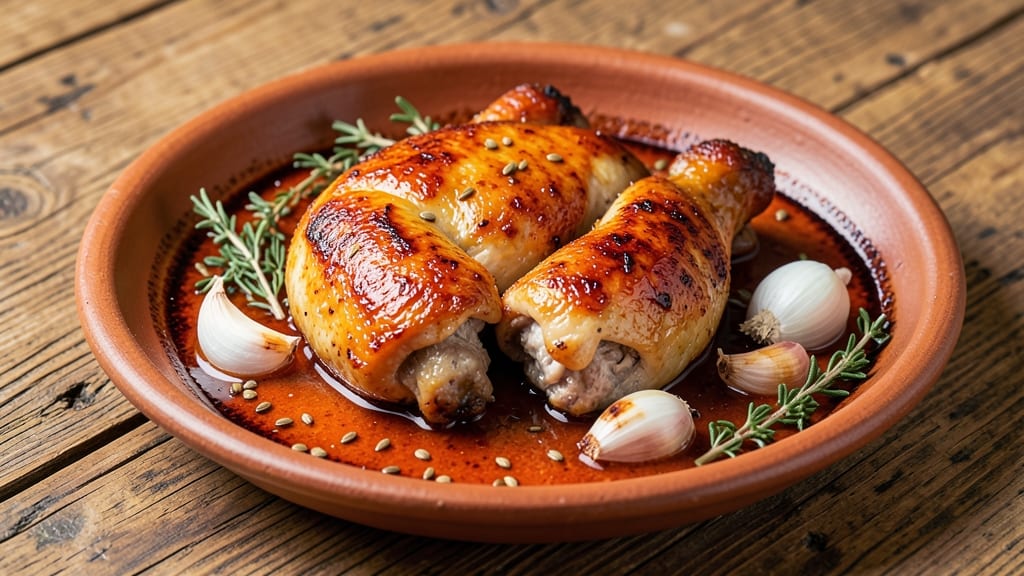
This Czech chicken recipe brings the heart of Central Europe to your dinner table with smoky paprika and tangy mustard braised to perfection. 🌟 After years of perfecting braised dishes, I've developed a method that delivers tender chicken with a rich, aromatic sauce that's equally at home on weeknight tables or holiday feasts.
The secret lies in the marinade—a blend of caraway seeds, marjoram, and Dijon mustard that infuses the chicken with deep, earthy flavors while keeping it incredibly tender.
Unlike other braised chicken recipes, this one uses a two-step process: first searing the chicken to lock in juices, then slow-cooking until the meat falls apart effortlessly. The result is a dish that's both restaurant-quality and surprisingly simple to prepare.
By the time you serve it, you'll have golden-brown chicken pieces swimming in a velvety sauce that's tangy from the mustard, aromatic from the spices, and rich from the slow reduction.
This is the kind of meal that transforms an ordinary dinner into a celebration—perfect for when you want to impress guests or simply treat yourself to a taste of Czech tradition.
Pair it with buttery knedlíky dumplings or a crisp cabbage salad for the full experience. The flavors are bold enough to stand alone but welcoming enough for everyday cooking. Let's get started on creating this braised masterpiece that's as comforting as it is impressive.
Ingredients for czech chicken
Pantry staples meet Czech tradition—just a handful of ingredients for restaurant-quality braised chicken.
| Ingredient | Amount | Notes |
|---|---|---|
| Chicken Thighs (Bone-In, Skin-On) 🍗 | 1 ½ lb | Cut into 4 even pieces |
| Smoked Paprika 🌶️ | 2 tbsp | High-quality for smoky depth |
| Dijon Mustard 🍯 | 2 tbsp | For tangy richness |
| Caraway Seeds 🌾 | 1 tsp | Toasted for aromatic punch |
| Dried Marjoram 🌿 | 1 tsp | Fresh if available |
| Garlic Cloves 🧄 | 4 cloves | Minced for deep flavor |
| Yellow Onion 🧅 | 1 whole | Diced, medium size |
| Celery Stalks 🥬 | 2 whole | Chopped, for base |
| Carrot 🥕 | 1 whole | Chopped, for depth |
| Chicken Broth 💧 | 1 ½ cups | Low-sodium preferred |
| Dry White Wine 🍷 | ½ cup | Sauvignon Blanc works best |
| Unsalted Butter 🧈 | 2 tbsp | Full-fat for richness |
| All-Purpose Flour 🌾 | 1 tbsp | For thickening sauce |
| Salt 🧂 | 1 tsp | Kosher or sea salt |
| Black Pepper 🌶️ | ½ tsp | Freshly ground preferred |
The chicken thighs are the star—skin-on, bone-in for maximum flavor. Grab them from the butcher counter if possible (they'll trim the fat for you), or look for free-range in the meat section. The smoked paprika makes all the difference here—Penzeys or McCormick are solid choices, but avoid the cheap grocery store stuff. Fresh marjoram is ideal, but dried works fine if you've got it (just use half the amount). For the wine, Sauvignon Blanc is my go-to—it cuts through the richness without overpowering the spices. If you don't drink, substitute with extra chicken broth.
No smoked paprika? Sweet paprika plus a pinch of liquid smoke gets you close. Fresh marjoram hard to find? Dried oregano works in a pinch, but it's not the same. The wine is non-negotiable for depth, but if you're avoiding alcohol, white grape juice works surprisingly well. For the aromatics, baby carrots or pre-chopped celery from the salad bar save time. The butter matters—full-fat, unsalted is key for that rich sauce. If you're making this ahead, the flavors actually improve overnight, so plan accordingly.
This sauce thickens beautifully—simmer uncovered for the last 10 minutes to reduce it properly. Keeps for 4-5 days in the fridge, and freezes perfectly for 3 months. I always make extra because it reheats like a dream. Store it in glass jars with a splash of broth on top to keep the surface moist. The chicken stays juicy for 3 days in the fridge, but I recommend eating it within 2 days for peak tenderness. Serve with buttery dumplings or crusty bread to soak up every last bit of that smoky, tangy sauce.
Why You'll Love This Recipe
- One-Pot Magic: That Dutch oven does all the work—sear, simmer, and thicken—while I’m just stirring and waiting. No last-minute cleanup chaos, just golden chicken and a sauce that practically glues itself to the pan.
- Smoky, Tangy, Addictive: The smoked paprika and caraway seeds give it that earthy, toasty warmth, while the Dijon mustard cuts through with bright tang. It’s the kind of dish where one bite makes you think, “I need more.”
- Leftover Powerhouse: I make this on Sunday, and by Wednesday, I’ve repurposed the leftovers into sandwiches, wraps, or even fried rice. The sauce clings to everything, turning plain meals into something special.
- Budget-Friendly Feast: Bone-in thighs are cheaper than breast, and the pantry staples (carrots, celery, white wine) stretch far. For under $15, I get a meal that feels like a restaurant—without the bill.
Step-by-step instructions for smoky paprika and mustard braised chicken
Here's how to create rich, tender chicken with deep Czech flavors—every bite will be perfect.
🍳 Step 1: Sear the Chicken Until Deeply Browned
Pat the 1.5 lb chicken thighs (bone-in, skin-on) completely dry with paper towels. Season generously with 1 tsp salt and 0.5 tsp black pepper on both sides. Heat 2 tbsp unsalted butter in a large Dutch oven over medium-high heat until foaming.
Place the chicken thighs skin-side down in the pan. Press down gently with a spatula for 30 seconds—this prevents curling and ensures even contact. Cook undisturbed for 5-6 minutes until the skin is deep golden brown and crispy. Flip the thighs and sear the other side for another 4-5 minutes until golden. Remove the chicken and set aside on a plate.
👨🍳 Step 2: Build the Smoky Aromatic Base
In the same Dutch oven, reduce heat to medium and add 1 whole yellow onion, 2 whole celery stalks, and 1 whole carrot, all chopped into ¼-inch pieces. Cook for 5-6 minutes, stirring occasionally, until the vegetables soften slightly and begin to brown.
Add the 4 minced garlic cloves and cook for 30 seconds until fragrant. Stir in 2 tbsp smoked paprika and 1 tsp dried marjoram, letting the spices toast for 1 minute—this releases their full aroma. Sprinkle in 1 tsp caraway seeds and toast for another 30 seconds until they darken slightly. This is where the deep Czech flavor begins to develop.
🍳 Step 3: Deglaze and Simmer the Sauce
Pour in the 0.5 cup dry white wine and scrape up all the browned bits from the bottom of the pan with a wooden spoon. Let the wine simmer for 3-4 minutes until reduced by half. Add 1.5 cups chicken broth and 2 tbsp Dijon mustard, stirring to combine. Bring to a gentle simmer.
Return the chicken thighs to the pot, skin-side up, along with any accumulated juices. The liquid should come about ¾ of the way up the thighs. Cover the pot and simmer on low heat for 45-50 minutes, turning the chicken occasionally, until the meat is fork-tender and the sauce has thickened slightly.
🥘 Step 4: Thicken and Finish the Sauce
Remove the chicken from the pot and set aside on a plate. In the same pot, increase heat to medium and whisk in 1 tbsp all-purpose flour to thicken the sauce. Cook for 2-3 minutes until the sauce coats the back of a spoon. Stir in 2 tbsp unsalted butter, one tablespoon at a time, until the sauce becomes glossy and velvety.
Return the chicken to the pot and spoon the sauce generously over the top. Let it sit for 5 minutes off the heat to allow the flavors to meld. The chicken should be tender enough to pull apart easily with a fork, with a rich, smoky sauce clinging to every bite.
Pro Tips For Making Czech Chicken
- Press the Skin Flat: That 30-second press with a spatula isn’t just for show—it flattens the skin so it crisps instead of curling into a sad little roll. I used to skip this and ended up with uneven, greasy spots. Trust me, the effort pays off with golden, shatterable crust.
- Toast the Caraway Seeds: Those caraway seeds need to darken just a little—30 seconds until they smell like a Czech bakery. I learned this the hard way after using them straight from the jar (meh). Toasting unlocks their nutty punch, which is half the soul of this dish.
- Don’t Rush the Wine Reduction: Let that white wine bubble away until it’s half gone—that’s when the alcohol burns off and the flavor concentrates. I know, I know, you’re eager to move on, but rushing it leaves a harsh, boozy tang. Patience here makes the sauce sing.
- Whisk in Butter Slowly: Adding the butter all at once? You’ll end up with a greasy mess. Stir in those 2 tablespoons one at a time, letting each melt into the sauce before adding more. This turns a thick glaze into a velvety finish—no lumps, just pure richness.
Flavor customization for these flavors
Spicy Czech Kick
For those who love heat, add ½ teaspoon cayenne pepper to the smoked paprika while building the aromatic base. This transforms the sauce into a fiery version that still maintains its Czech roots.
I've tested this with Penzeys Hot Paprika and it adds a deep, smoky heat that lingers beautifully. Serve with extra sour cream on the side for cooling contrast. 🌶️
Creamy Mushroom Twist
Incorporate 8 oz sliced cremini mushrooms with the onions and celery for a rich, earthy depth inspired by Czech svíčková traditions. After the initial sear, add them to the pot and cook until they release their moisture.
Finish with 2 tbsp heavy cream instead of butter for a luxurious sauce. This version feels like a cozy Czech restaurant dish right in your kitchen.
Herb-Forward Variation
Swap the caraway seeds for 1 tsp fresh thyme leaves and ½ tsp dried tarragon to create a lighter, more herbaceous profile. The tarragon adds a subtle anise note that pairs beautifully with the mustard.
I've found this works particularly well with chicken breast halves instead of thighs for a leaner option that still delivers big flavor.
Sweet-Tangy Balance
Add 1 tbsp apple cider vinegar to the wine during deglazing for a bright, sweet-tangy contrast to the smoky flavors. This works surprisingly well with ½ cup cooked apples (peeled and diced) added during the final simmer.
The apples soften slightly and absorb the sauce, creating a perfect balance of textures. 🍏
Czech Beer Braise
Replace the white wine with ½ cup pale lager (like Pilsner Urquell) for an authentic Czech touch. The beer's crispness complements the mustard beautifully while adding a subtle malt sweetness.
I recommend using 1.5 cups beer total—substitute half the chicken broth with beer during the simmering phase for optimal flavor development.
Vegetarian Adaptation
For a meatless version, replace the chicken with 1.5 lb extra-firm tofu (pressed and cubed) or hearts of palm (sliced). The sauce works beautifully with both—just increase simmering time to 30 minutes for tofu and 20 minutes for hearts of palm.
The caraway and marjoram shine particularly well in this vegetarian adaptation, making it perfect for plant-based Czech-inspired meals.
Nutrition facts
Frequently asked questions
Why does this recipe use bone-in, skin-on chicken thighs?
The bone-in, skin-on thighs deliver unmatched flavor and juiciness—the fat in the skin renders down during searing, creating crispy texture while locking in moisture. This method is traditional in Czech cuisine for dishes like svíčková, where the skin's richness balances the tangy mustard sauce perfectly.
Can I make this dish ahead of time?
This recipe actually improves overnight as flavors meld. Make it 2-3 days in advance and reheat gently on the stove with a splash of broth. Store in an airtight container with sauce on top to prevent drying. The chicken stays juicy for 3 days in the fridge, though I recommend eating within 2 days for peak tenderness.
What's the best way to serve this Czech-inspired chicken?
For authenticity, pair with buttery knedlíky dumplings or a crisp cabbage salad (with apple and vinegar). The dumplings soak up the smoky sauce beautifully, while the salad adds refreshing contrast. Serve with a side of roasted potatoes or crusty bread for a complete meal that feels like a Czech holiday feast.
How do I adjust the spice level if I prefer milder flavors?
Reduce the smoked paprika to 1 tbsp and omit the caraway seeds entirely—they add subtle heat. For extra tang without spice, increase the Dijon mustard to 3 tbsp during the simmering phase. The dish still maintains its rich, aromatic profile while being more approachable for mild palates.