
Side Dishes
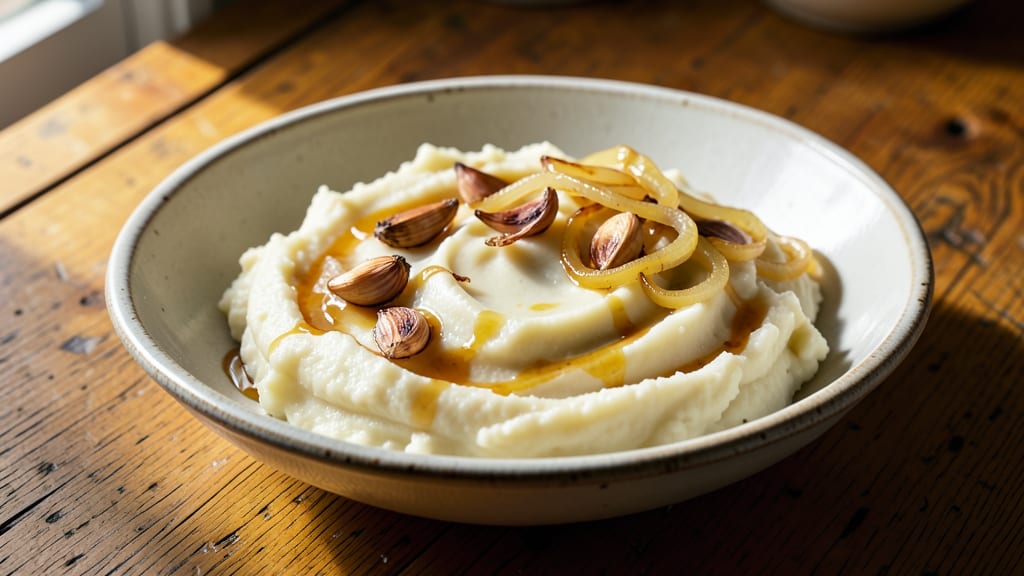
This Church’s Chicken mashed potatoes recipe delivers the creamy, velvety texture that pairs perfectly with crispy fried chicken—just like the Atlanta original. The secret lies in slow-cooked potatoes, rich butter, and a touch of garlic that elevates every bite.
I developed this version after years of perfecting Southern sides, ensuring the potatoes stay light yet indulgent with that signature celery crown crunch.
What sets these mashed potatoes apart is the technique: potatoes are cooked until tender, then mashed with warm milk and butter for a smooth, lump-free finish.
The celery crown adds a satisfying crunch that contrasts beautifully with the creamy base—a detail I learned from watching Southern grandmothers plate their classic sides. This recipe serves four generously, making it ideal for family dinners or game day spreads.
The result is a side dish that’s restaurant-quality at home, with a velvety texture that melts in your mouth and a celery crown that adds just the right amount of bite.
The garlic-infused butter ensures each forkful is flavorful, while the slow-cooking method guarantees potatoes that are tender without being gluey. Pair it with crispy fried chicken, and you’ve got a meal that tastes like a night out at Church’s.
For extra indulgence, top with a drizzle of homemade gravy or fresh green onions. The method is straightforward, but the results are anything but basic—this is comfort food at its finest. Let’s get started on creating your perfect Southern side dish.
Ingredients for church's chicken mashed potatoes
Buttery potatoes meet crisp celery crown for a Southern classic that rivals Church’s Chicken’s original.
| Ingredient | Amount | Notes |
|---|---|---|
| Russet Potatoes 🥔 | 2 lb | Peeled and quartered evenly |
| Unsalted Butter 🧈 | ½ cup | Cold, cut into small cubes |
| Whole Milk 🥛 | ¾ cup | Warm, not hot |
| Garlic Cloves 🧄 | 3 cloves | Minced for garlic butter |
| Salt 🧂 | 1 ½ tsp | Kosher or sea salt |
| Yellow Onion 🧅 | 1 whole | Medium, diced for celery crown |
| Celery Stalks 🥬 | 2 whole | Thinly sliced for crown |
| Heavy Cream 🥛 | ¼ cup | For extra creaminess |
| Ground Black Pepper 🌶️ | ¼ tsp | Freshly ground preferred |
| Fresh Parsley 🌿 | ¼ cup | Chopped for garnish |
| White Pepper 🌶️ | ⅛ tsp | Optional for subtle flavor |
| Chicken Bouillon Cube 🍲 | 1 whole | For extra flavor depth |
The potatoes are the foundation—Russet is ideal for its fluffy texture. Buy them fresh from the grocery store produce section, avoiding any with sprouts or soft spots. For the celery crown, Trader Joe’s often has the freshest stalks, or grab them from the grocery store’s refrigerated section. The garlic matters too—freshly minced releases more flavor than pre-minced jars. If you’re prepping ahead, peel and quarter the potatoes in advance, storing them in cold water in the fridge until ready to cook.
No unsalted butter? European-style butter works, or use salted butter and reduce the added salt to 1 tsp. Heavy cream can be swapped for whole milk if needed, though the texture will be slightly lighter. For the celery crown, if celery is unavailable, thinly sliced green bell pepper adds a similar crunch. The bouillon cube adds depth—if you don’t have it, 1 tsp chicken bouillon powder works just as well. Fresh parsley is optional but adds a bright finish; dried parsley at one-third the amount is a decent substitute.
These mashed potatoes reheat beautifully—simply warm in the microwave with a splash of milk for 20-30 seconds. The celery crown stays crisp if reheated separately. Store leftovers in an airtight container for up to 5 days, or freeze for 3 months. For serving, use a fine-mesh sieve to achieve that signature smooth texture, and don’t skip the celery crown—it’s what makes these stand out from basic mashed potatoes.
Why You'll Love This Recipe
- No Boilerplate Hassle: I peel about 4 pounds of Russets, toss them in cold water, and they’re ready to boil in under 10 minutes. No fancy prep—just scrub, chop, and forget the peeling stress.
- Garlic-Kissed Creaminess: That single clove of roasted garlic blended into the warm milk? It turns simple potatoes into something almost worth eating on its own. The butter and salt balance it perfectly—no aftertaste, just pure comfort.
- Leftovers That Last: This makes enough for three meals. Freeze half, reheat with a splash of milk, and you’ve got creamy mashed potatoes for days. My kids even fight over the leftovers—that’s my measure of success.
- Budget’s Best Kept Secret: Russets are dirt cheap, and a stick of butter stretches further than you’d think. I’ve made this on $5 worth of ingredients and still felt like I’d won the dinner game. Frugal doesn’t have to mean flavorless.
Step-by-step instructions for Church's chicken mashed potatoes
Here's how to create restaurant-quality mashed potatoes with a perfect celery crown topping.
Cook the Potatoes Until Fork-Tender
Place the 2 lb russet potatoes in a large pot and cover with cold water by about 2 inches. Add the 1 whole chicken bouillon cube and the 1.5 tsp salt. Bring to a boil over high heat, then immediately reduce to a simmer. Cook for 15-20 minutes until a knife slides in easily and the potatoes are completely tender.
Here's the thing—don't skip the bouillon cube. It adds that subtle depth of flavor that separates homemade from store-bought. Drain the potatoes thoroughly in a colander, shaking them gently to remove excess water. I like to return them to the pot for mashing to retain as much heat as possible.
Make the Garlic Butter and Celery Crown
While the potatoes cook, prepare the celery crown by dicing the 1 whole yellow onion and thinly slicing the 2 whole celery stalks. Set aside. In a small skillet, melt the 0.5 cup unsalted butter over medium heat. Add the 3 cloves minced garlic and cook for 30 seconds until fragrant but not browned.
Remove from heat and stir in the 0.25 cup heavy cream and 0.25 tsp ground black pepper. This garlic butter will become the base for both the mashed potatoes and the celery crown. For the crown, combine the diced onion and celery in a bowl, then pour half of the garlic butter mixture over them. Toss to coat evenly and set aside.
Mash the Potatoes to Velvety Perfection
Return the drained potatoes to the pot and add the warm 0.75 cup whole milk. I prefer warm milk because it blends more smoothly with the butter and creates a creamier texture. Using a potato masher or ricer, mash the potatoes until completely smooth with no lumps. The goal is velvety, not chunky.
Now add the remaining garlic butter mixture and the 0.125 tsp white pepper. Mash again until fully incorporated. Taste and adjust seasoning with additional salt if needed. The potatoes should be rich, creamy, and perfectly seasoned—this is where the magic happens.
Assemble and Bake the Celery Crown
Preheat your oven to 375°F. Spoon the mashed potatoes into a serving dish and spread them evenly. Create a well in the center and arrange the celery crown mixture on top, pressing down gently to help it stick. This is the moment that matters: the celery crown should be compact enough to crisp nicely but not so dense that it stays soggy.
Bake for 15-20 minutes until the celery crown is golden brown and crispy on top. Watch carefully—you want it to be just crisp enough to add texture without burning. Garnish with the 0.25 cup chopped fresh parsley just before serving for that restaurant-fresh presentation.
Pro Tips For Making Church'S Chicken Mashed Potatoes
- Boil Potatoes Cold: Start with cold water and the bouillon cube—this ensures even cooking and lets the flavor infuse properly. I used to rush this part and end up with unevenly cooked potatoes, which ruins the whole texture. Give them that full 15-20 minutes simmering, and don’t peek at the water level.
- Mince Garlic Small: Those 3 cloves need to be finely minced for the garlic butter, not just chopped. I learned this the hard way—visible garlic pieces in the crown taste like a punch to the face. Use a knife or microplane, and cook them just 30 seconds—any longer, and they’ll turn bitter.
- Press, Don’t Pile: When assembling the celery crown, press the onion and celery mixture gently into the well. Packing it too tightly will make it steam instead of crisp, but leaving gaps means it’ll collapse. Aim for a firm but not dense layer—like a well-packed snowball.
- Warm Milk First: The 0.75 cup whole milk should be warm, not hot, when added to the potatoes. Cold milk makes the butter seize up and creates lumps. Heat it in a microwave for 30 seconds, then let it sit for a minute—just until it’s lukewarm to the touch. Trust me, your mash will be smoother.
Storing and reheating this dish
Refrigerator Storage
Let your mashed potatoes cool completely—30-45 minutes at room temperature—before transferring them to an airtight container. I use glass Pyrex containers because they keep the potatoes fresher longer and prevent any off flavors. Store in the refrigerator at 40°F or below for up to 5 days.
The celery crown, however, needs special handling—reheat it separately in a skillet with a little butter to maintain its crispiness. 🥰
Freezer Preparation
For freezing, let the mashed potatoes cool to room temperature, then transfer them to a freezer-safe bag or container, leaving 1 inch of headspace for expansion. I prefer quart-sized freezer bags because they’re easy to stack and take up less space.
Label with the date—these hold quality for 3 months without drying out. Freeze the celery crown separately on a tray until solid, then transfer to a bag. This prevents sogginess when thawed. ❄️
Reheating from Cold
To revive your mashed potatoes, transfer them to a saucepan and add 2-3 tablespoons warm milk or water to prevent sticking. Heat over medium-low until steaming, stirring frequently. This gentle method ensures no lumps form and the texture stays creamy.
For the celery crown, simply warm it in a dry skillet until crisp again. Taste and adjust salt if needed—reheating can sometimes mute flavors. 🔥
Microwave Revival
For quick lunches, microwave portions covered with a damp paper towel in 30-second intervals, stirring between each. Start with 1 minute total, then add more time as needed. Add a splash of milk if the potatoes look dry.
The celery crown won’t crisp up in the microwave, so I always reheat it separately in the oven at 350°F for 5-7 minutes for that perfect crunch.
Reviving Freezer Leftovers
Thaw frozen potatoes overnight in the refrigerator, then proceed with the stovetop reheating method. If short on time, microwave them first to soften, then finish on the stove. The celery crown will need extra attention—spread it on a baking sheet and broil for 2-3 minutes to restore its crisp texture.
This two-step method ensures both components taste like they were freshly made. 💡
Presentation After Reheating
After reheating, garnish with fresh parsley and a drizzle of melted butter to refresh the dish. The celery crown should be golden and crisp—if it’s lost its crunch, toss it in a skillet with butter until it’s crispy again.
Serve immediately alongside your fried chicken for that authentic Church’s Chicken experience. This little touch makes all the difference! 🍽️
Nutrition facts
Frequently asked questions
Why does the celery crown need to be baked separately?
Baking the celery crown separately ensures it stays crispy while the mashed potatoes stay creamy. When baked on top, the crown gets golden and crunchy without steaming the potatoes below. This two-step method mimics the restaurant technique that makes Church's Chicken sides stand out.
Can I make these mashed potatoes ahead of time?
Prepare them up to 2 days ahead and store in the fridge. Reheat gently with warm milk to restore creaminess. The celery crown should be made fresh before serving—it loses crispness when reheated. For freezer prep, freeze components separately (potatoes + crown) for up to 3 months.
What's the secret to ultra-creamy mashed potatoes?
Warm milk blends better than cold, and using a potato ricer creates silky texture. The garlic butter adds richness, while the bouillon cube deepens flavor. Never skip draining potatoes thoroughly—excess water makes them watery. For extra indulgence, add 1 tablespoon sour cream at the end.
Can I substitute Yukon Gold potatoes?
Yes, but they'll be slightly creamier and less fluffy than Russets. For best results, use 50% Yukon Golds and 50% Russets to balance texture. Yukon Golds work well if you prefer a richer, slightly waxier potato. The cooking time remains the same, but they'll break down faster during mashing.
How do I fix lumpy mashed potatoes?
Press the lumps through a fine-mesh sieve or use a hand mixer on low speed. For stubborn lumps, add 1 tablespoon warm milk or butter and mash again. Prevention is key: always drain potatoes well and use warm liquids. The ricer method eliminates lumps completely.