
Sauces & Condiments
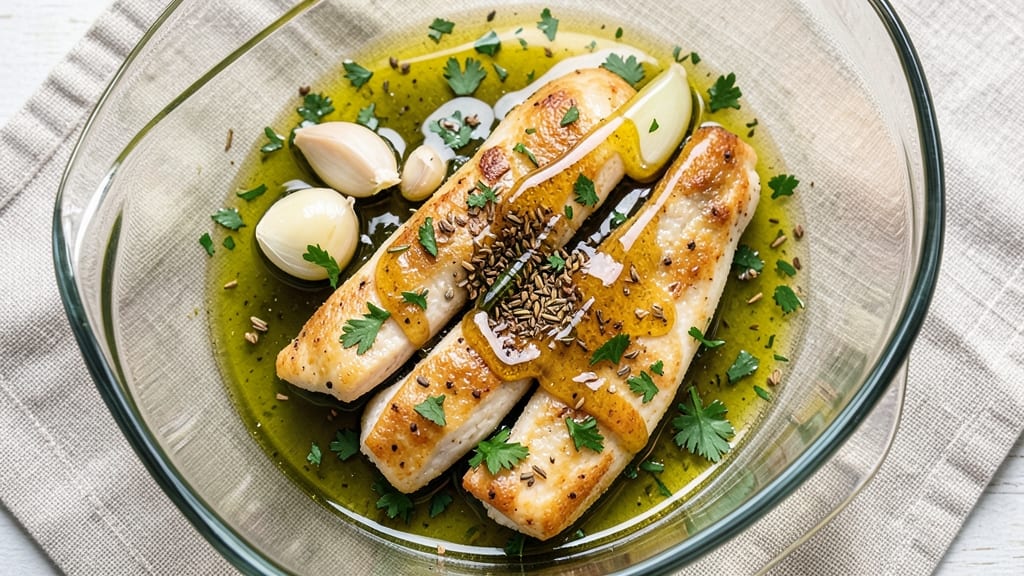
A zesty garlic-herb chicken strip marinade transforms ordinary chicken into crispy, flavorful bites that taste like they came from a restaurant. This blend of bright citrus, aromatic herbs, and bold spices infuses the chicken in just 30 minutes, ensuring every bite is packed with flavor and texture.
I developed this marinade after years of testing different combinations, and it consistently delivers that perfect balance of tangy, savory, and herby notes.
The secret to this marinade lies in the acidity from lemon juice and the richness of olive oil, which work together to tenderize the chicken while building a flavorful crust.
Fresh garlic, parsley, and oregano add depth, while a touch of honey or brown sugar enhances the caramelization for extra crispiness. This marinade is versatile—use it for grilling, baking, or frying, and you’ll never settle for bland chicken strips again.
What makes this marinade truly special is how it elevates the natural flavors of the chicken without overpowering them. The herbs and garlic create an aromatic profile that lingers long after the first bite, while the acidity ensures the chicken stays juicy and tender.
It’s a foolproof way to guarantee crispy, flavorful results every time, whether you’re feeding a crowd or just treating yourself.
Store leftovers in the refrigerator for up to 5 days, making this marinade a go-to for quick weeknight meals. The ingredients are simple—just pantry staples and fresh herbs—but the impact is undeniable. Let’s get started on creating the perfect marinade for your next batch of chicken strips.
Ingredients for chicken strip marinade
Bright citrus, aromatic herbs, and bold spices. That's all it takes for restaurant-quality chicken strips.
| Ingredient | Amount | Notes |
|---|---|---|
| Extra-Virgin Olive Oil 🫒 | ½ cup | High quality, fruity |
| Fresh Lemon Juice 🍋 | ¼ cup | Freshly squeezed |
| Garlic Cloves 🧄 | 6 cloves | Peeled, minced finely |
| Fresh Parsley 🌿 | ¼ cup | Chopped finely |
| Dried Oregano 🍃 | 1 tbsp | Mexican oregano preferred |
| Honey 🍯 | 2 tbsp | Or light brown sugar |
| Kosher Salt 🧂 | 1 tsp | Fine grain preferred |
| Ground Black Pepper 🌶️ | ½ tsp | Freshly ground |
| Red Pepper Flakes 🔥 | ½ tsp | Optional for heat |
| Dijon Mustard 🍯 | 1 tbsp | For extra tang |
The olive oil is the base—look for extra-virgin that's fruity and peppery, not bitter. Trader Joe's and Whole Foods carry great options, but any high-quality brand works. Fresh lemon juice is non-negotiable here—bottled won't give you that same bright punch. For the garlic, peel and mince it finely—you want it to disappear into the marinade, not sit as chunks. I usually grab a big bunch of parsley and chop half of it for this marinade, saving the rest for garnishes. The oregano? Mexican oregano has a deeper, earthier flavor than Italian—worth tracking down if you can.
No fresh parsley? Dried parsley at half the amount works in a pinch, but it won't have the same freshness. Out of Dijon mustard? Yellow mustard in a pinch, though it's less refined. The honey can be swapped for brown sugar—just dissolve it in the lemon juice first. For heat, red pepper flakes are key, but if you want something smokier, swap for smoked paprika. The marinade keeps its balance well, so don't stress about exact measurements—eyeball it if you're comfortable. Just make sure the garlic and herbs are finely chopped so they distribute evenly.
This marinade stays potent for 5 days in the fridge, sealed in an airtight container. I like to make a double batch—one for immediate use, one to keep on hand for lazy weeknights. The acidity from the lemon means it won't last forever, but it's perfect for 3-4 days without losing its zing. For extra crispiness, let the chicken strips sit in the marinade for at least 30 minutes before cooking. The longer they marinate, the more flavor they'll absorb, but don't go over 4 hours or the chicken might get too tender.
Why You'll Love This Recipe
- Here’s what sold me: I make a double batch, marinate extra chicken, and freeze it for later. When I’m in a rush, I pull out pre-marinated strips, sear them, and boom—dinner’s ready. Plus, the leftover marinade? I use it as a quick sauce or dressing. Zero waste, all flavor.
- Five-Ingredient Magic: Honestly, I swear by this marinade because it’s that simple—just oil, lemon, garlic, parsley, and oregano. No measuring cups, no fancy techniques, just toss everything in a bowl and let the chicken soak while you handle the rest of dinner.
- Crispy Lemon-Garlic Bliss: That bright lemon juice cuts through the richness of the olive oil, while the garlic and oregano add a savory punch. The result? Chicken strips with a golden crust and juicy interior that taste like they’ve been slow-cooked—even though you’re probably air-frying or pan-searing them in 15 minutes.
- Game for Any Meal: Between us, this marinade works for everything—weeknight dinners, game-day snacks, or even a quick lunch. Use it on strips, toss it with chopped chicken for salads, or even drizzle the leftover marinade over roasted veggies. (Yes, even on a Tuesday night.)
Step-by-step instructions for chicken strip marinade
Here's how to blend these ingredients into a marinade that guarantees crispy, flavorful chicken strips.
Combine Wet Ingredients in a Bowl
In a medium bowl, whisk together the 0.5 cup extra-virgin olive oil and 0.25 cup fresh lemon juice until fully emulsified. The mixture should look smooth and slightly thickened—this ensures even coating on the chicken. I like to use a fork for this step because it creates small air pockets that help tenderize the meat.
Next, add the 2 tablespoons honey and 1 tablespoon Dijon mustard. Whisk vigorously for about 30 seconds until the honey dissolves completely. The honey will sweeten the marinade while helping create that perfect caramelized crust when the chicken cooks. Here's the thing—don't rush this part. You want everything fully incorporated so the flavors distribute evenly.
Add Aromatics and Seasonings
In a small bowl, finely mince the 6 cloves garlic using a knife or garlic press. I prefer mincing because it releases more flavor during the marinating process. Add the minced garlic to the wet mixture along with the 0.25 cup chopped fresh parsley, 1 tablespoon dried oregano, 1 teaspoon kosher salt, 0.5 teaspoon ground black pepper, and 0.5 teaspoon red pepper flakes (if using).
Stir everything together with a spoon until the parsley and oregano are evenly distributed. The marinade should have a vibrant green color from the parsley and a rich, aromatic scent. Taste a small amount—it should be bright, slightly tangy from the lemon, and just spicy enough from the red pepper flakes. If it needs more salt or acid, adjust now while you can still taste it clearly.
Marinate the Chicken Strips
Place the chicken strips in a resealable plastic bag or shallow dish. Pour the marinade over the chicken, ensuring each piece is fully coated. Seal the bag or cover the dish and refrigerate for at least 2 hours—overnight is even better if you have time. The acid in the lemon juice and the enzymes in the mustard will work together to break down the chicken's surface proteins, creating those crispy edges we're after.
Here's what I do: I turn the bag occasionally during marinating to ensure even exposure to the marinade. If you're using a shallow dish, I recommend flipping the strips halfway through the marinating time. Don't skip this step—the longer the chicken sits in the marinade, the more flavor it absorbs, and the crispier it becomes when cooked.
Cook for Maximum Crispiness
When ready to cook, remove the chicken from the marinade (don't drain it—those flavorful juices are too good to waste). Heat a skillet over medium-high heat and add the chicken strips in a single layer. Let them cook undisturbed for 2-3 minutes until the edges turn golden brown and crispy. This initial sear locks in the juices and builds that perfect crust.
Flip the strips and cook for another 2-3 minutes until they reach an internal temperature of 165°F. The marinade will bubble and sizzle in the pan—this is your signal that the flavors are caramelizing. For extra crispiness, I like to finish the cooking by broiling the strips for 1-2 minutes under a preheated broiler, watching closely to avoid burning. Serve immediately while the crust is still crisp.
Pro Tips For Making Chicken Strip Marinade
- Mince That Garlic: I learned this the hard way—using a garlic press gives you mushy, watery garlic that weakens the marinade. Knife-mincing those 6 cloves until you can barely see the flecks releases way more flavor and keeps the texture smooth. Trust me, your chicken will taste brighter for it.
- Whisk Until It Thickens: The olive oil and lemon juice need to emulsify properly, or you’ll end up with a greasy mess instead of a silky marinade. Use that fork and whisk until it looks slightly thicker—about 30 seconds of vigorous mixing. This isn’t just about looks; it’s what makes the coating cling to the chicken.
- Don’t Skip the Mustard: That 1 tablespoon of Dijon isn’t just for tang—it’s the secret to tenderizing the chicken. The enzymes in mustard break down the proteins faster than lemon alone, giving you those crispy edges without overcooking. I know it’s easy to overlook, but skip it, and your strips will feel tougher.
- Broil Fast, Watch Close: The broiler is your friend for that final crisp, but it’s also a one-minute window. Preheat it, then keep your eye on those strips—1-2 minutes max, or you’ll torch the honey and turn your marinade’s caramelized magic into burnt bits. A timer helps, but so does standing there like a hawk.
Common mistakes when making your chicken strip marinade
Skipping the Acid Balance
One of the most common mistakes I see is underestimating the importance of acid in marinades. The lemon juice in this marinade isn't just for flavor—it tenderizes the chicken by breaking down proteins.
If you skip it or replace it with something less acidic like apple cider vinegar, you'll lose that perfect balance of tang and tenderness. The marinade will taste flat, and the chicken may come out tougher than expected. 🍋
Over-Marinating the Chicken
While marinating for 2 hours is ideal, many people leave the chicken in too long—sometimes overnight. After 4 hours, the acid in the marinade can start breaking down the meat fibers too much, making the chicken mushy.
I've learned this the hard way! Stick to the 2-4 hour window for best results, and always turn the bag or dish halfway through for even exposure.
Neglecting the Mustard
The Dijon mustard in this marinade serves a crucial purpose—it emulsifies the ingredients and adds tang. Skipping it or using a weaker mustard like yellow mustard means you'll lose that bright, complex flavor profile.
The mustard also helps the marinade cling better to the chicken, creating that crispy crust. Don't overlook this tiny but mighty ingredient!
Skipping the Resting Time
After marinating, many people rush straight to cooking without letting the chicken rest. This is a mistake! Let the chicken strips sit at room temperature for 10-15 minutes before cooking. This ensures even cooking and prevents the outside from drying out before the inside reaches 165°F.
I always make this step non-negotiable—it's the difference between juicy perfection and dry disappointment.
Using Low-Quality Oil
Not all olive oils are created equal. Using a cheap, bitter-tasting olive oil instead of high-quality extra-virgin olive oil will ruin the flavor of your marinade. The fruity, peppery notes from premium olive oil elevate the entire dish.
I always reach for brands like California Olive Ranch or Pompeian—they make a world of difference. Trust me, your taste buds (and your guests) will thank you.
Nutrition facts
Frequently asked questions
How long should I marinate chicken strips for best results?
The ideal marinating time is 2 hours, though overnight works perfectly if you're planning ahead. The acid in the lemon juice and enzymes in the Dijon mustard tenderize the chicken while infusing flavor. Just remember to turn the bag or dish halfway through for even exposure!
Can I use bottled lemon juice instead of fresh?
While it works in a pinch, fresh lemon juice delivers the brightest, most vibrant flavor that bottled can't match. The acidity is more consistent too, which helps tenderize the chicken properly. If fresh isn't available, opt for high-quality bottled juice—just taste it first and adjust salt if needed.
What if I don't have fresh parsley?
Use dried parsley at half the amount—about 2 tablespoons instead of 0.25 cup. While it won't have the same freshness, it still adds depth. For a stronger herbal punch, swap in 1 tablespoon dried thyme or oregano instead. The marinade will still be flavorful!
How do I store leftover marinade?
Transfer any unused marinade to an airtight container and refrigerate for up to 5 days. It's perfect for tossing with pasta, drizzling over salads, or even using as a sauce for roasted veggies. Just avoid reheating the marinade that touched raw chicken—use it cold for best results.
Can I make this marinade spicier?
Increase the red pepper flakes to 1 teaspoon for more heat, or add ½ teaspoon cayenne pepper for a smoky kick. For a different flavor profile, swap the red pepper flakes for ½ teaspoon smoked paprika—it adds depth without the same level of spice. Adjust to your taste!