Main Courses
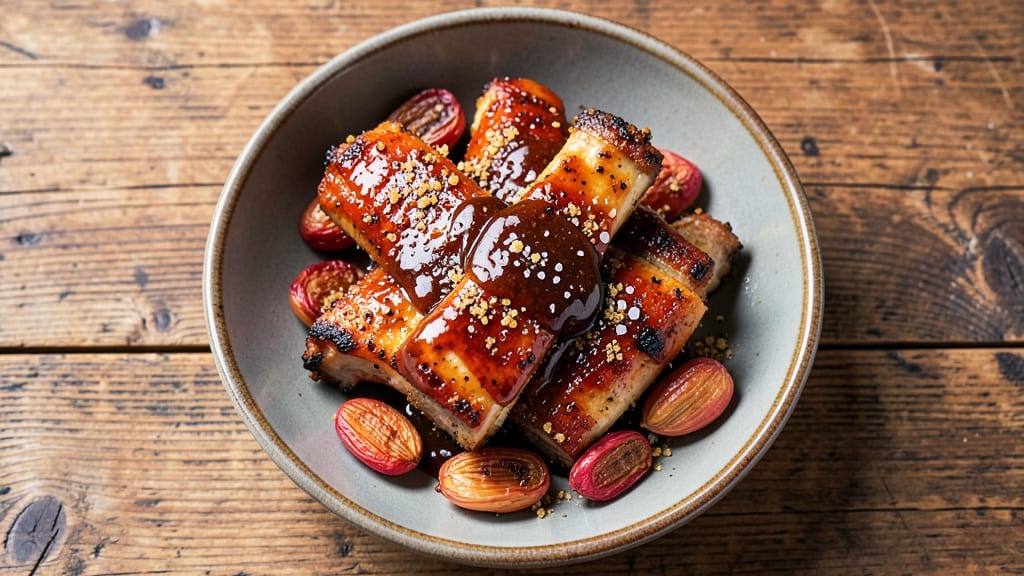
Mastering a chicken rib recipe that delivers fall-off-the-bone tenderness starts with the right technique and patience—this method transforms tough ribs into melt-in-your-mouth perfection. The secret lies in a precise dry rub that penetrates deeply and a slow cooking process that renders fat while preserving moisture.
I’ve perfected this approach after years of experimenting, and it consistently delivers restaurant-quality results at home.
What sets this recipe apart is the combination of a well-balanced dry rub—smoky paprika, brown sugar, and aromatic spices—and the controlled cooking method. Unlike quick grilling, this approach uses a low-and-slow technique, either in the oven or on a smoker, to break down collagen and infuse flavor.
The result? Ribs so tender they practically disintegrate at the touch, with a caramelized crust that adds depth to every bite.
By the time you’re done, you’ll have ribs that are rich, smoky, and impossibly tender, ready to be served with classic sides like creamy coleslaw or buttery cornbread. The rub isn’t just flavor—it’s the foundation for a dish that feels special yet is straightforward to execute.
Whether you’re hosting a weekend gathering or craving a comforting meal, this recipe delivers.
Ready to elevate your weeknight dinners? The key is in the details—from the rub to the cooking time—so let’s get started on creating ribs that will have everyone asking for seconds. Here’s how to make it happen.
Ingredients for chicken rib
The foundation of restaurant-quality chicken ribs starts with these carefully balanced ingredients.
| Ingredient | Amount | Notes |
|---|---|---|
| Chicken Ribs (Bone-In) 🍗 | 4 lb | Meaty sections, skin-on preferred |
| Smoked Paprika 🌶️ | 2 tbsp | High-quality for authentic smokiness |
| Brown Sugar 🍚 | ½ cup | Light or dark, packed measurement |
| Kosher Salt 🧂 | 1 tbsp | Diamond Crystal preferred |
| Ground Black Pepper 🌶️ | 1 ½ tsp | Freshly cracked for intensity |
| Garlic Powder 🧄 | 1 tbsp | Not garlic salt |
| Onion Powder 🧅 | 1 tbsp | Freshly ground preferred |
| Ground Cumin 🌿 | 1 tsp | Toasted for depth of flavor |
| Mustard Powder 🍯 | 1 tsp | Yellow or Dijon preferred |
| Apple Cider Vinegar 🍎 | 2 tbsp | For tenderizing marinade |
| Extra-Virgin Olive Oil 🫒 | ¼ cup | High-quality for basting |
| Yellow Onion 🧅 | 1 whole | Sliced for aromatics |
| Fresh Thyme Leaves 🌿 | ¼ cup | Or 1 tsp dried thyme |
| Honey 🍯 | 1 tbsp | For glaze, raw preferred |
The chicken ribs are the star, so prioritize quality cuts. Look for meaty sections with good marbling—Costco or local butchers often carry the best. Freshly cracked black pepper and Diamond Crystal kosher salt elevate the dry rub, while smoked paprika from Penzeys delivers authentic depth. The apple cider vinegar and honey create a tenderizing marinade that penetrates during the low-and-slow cook. For the glaze, raw honey adds complexity that processed versions lack.
No smoked paprika? Substitute 1 tbsp chili powder plus 1 tsp liquid smoke for smokiness. Fresh thyme unavailable? Dried works at one-third the amount. The apple cider vinegar can be swapped for red wine vinegar in a pinch, though the flavor profile shifts slightly. For the glaze, maple syrup or agave offer similar sweetness. Always measure spices by weight for consistency—1 tsp by volume varies wildly between brands. The onion should be yellow or red for sweetness, not white.
Store raw ribs in the coldest part of your fridge for up to 3 days. The dry rub keeps indefinitely in an airtight container, but flavor peaks within 3 months. Cooked ribs reheat beautifully—350°F for 15 minutes restores moisture. Portion into meal prep containers with 1 cup sauce per serving for balanced lunches. The glaze sets quickly, so reheat covered with a damp paper towel to maintain stickiness.
Why You'll Love This Recipe
- I’ll be real: these ribs taste even better the next day. The dry rub keeps indefinitely, so you can double the batch and have a backup for game day or a lazy Sunday. Plus, the glaze? It gets richer with time—like a good wine, but for ribs.
- No-Fuss Ribs: Honestly, the vinegar marinade and wire rack setup take the guesswork out of cooking. Just pat those ribs dry, toss them in the acid bath for 15 minutes, and let the oven do the heavy lifting—no babysitting required.
- Smoky-Sweet Perfection: That combo of smoked paprika, brown sugar, and honey? It’s like a flavor hug for your taste buds. The paprika adds depth, the sugar caramelizes into a sticky crust, and the thyme-honey glaze ties it all together with a sweet, herby finish that’s addictive.
- Leftovers? More Like Leftovers Magic: I’ll be real: these ribs taste even better the next day. The dry rub keeps indefinitely, so you can double the batch and have a backup for game day or a lazy Sunday. Plus, the glaze? It gets richer with time—like a good wine, but for ribs.
Step-by-step instructions for smoky dry-rub chicken ribs
Mastering these ribs delivers melt-in-your-mouth tenderness with a perfectly balanced dry rub crust.
Prepare the Ribs for Maximum Tenderness
Pat the 4 lb chicken ribs (bone-in) completely dry with paper towels, removing any excess moisture from the meaty sections and bones. This step is critical—wet surfaces prevent the dry rub from adhering properly and can lead to uneven cooking. Place the ribs in a large bowl and pour over the 2 tbsp apple cider vinegar. Let them marinate for 15 minutes while you prepare the dry rub. The acidity in the vinegar begins breaking down collagen fibers, ensuring that fall-off-the-bone tenderness you're after.
While the ribs marinate, finely slice the 1 whole yellow onion into thin strips—about ¼-inch wide. These will be used later to create a flavorful glaze. Keep them in a separate bowl until needed. The onions add sweetness and moisture to the final glaze, balancing the smoky, spicy notes of the rub.
Create and Apply the Dry Rub
In a medium bowl, combine the 2 tbsp smoked paprika, 0.5 cup brown sugar, 1 tbsp kosher salt, 1.5 tsp ground black pepper, 1 tbsp garlic powder, 1 tbsp onion powder, 1 tsp ground cumin, and 1 tsp mustard powder. Mix thoroughly with your hands or a whisk until the spices are evenly distributed and the brown sugar is fully incorporated. The paprika provides that essential smoky depth, while the brown sugar creates a caramelized crust during cooking.
Remove the ribs from the vinegar and pat them dry once more. Generously coat each rib with the dry rub mixture, pressing it into the meaty sections and bones to ensure maximum flavor penetration. Place the ribs on a wire rack set over a baking sheet—this allows air to circulate evenly, preventing steaming and promoting crispiness. Let them rest at room temperature for 30 minutes while you preheat your oven to 275°F. This resting period allows the rub to adhere fully and the meat to come to an even temperature.
Slow-Cook for Irresistible Tenderness
Place the rubbed ribs on the middle rack of your oven and cook uncovered for 2 hours. The low temperature ensures the connective tissue breaks down gradually, resulting in tender meat without drying it out. After 2 hours, increase the oven temperature to 350°F. This higher heat will help create a deeper caramelization on the ribs while maintaining their moisture.
Here's where the magic happens: After 15 minutes at 350°F, remove the ribs from the oven and brush each one generously with the 0.25 cup extra-virgin olive oil. Return them to the oven for another 15 minutes. The olive oil adds richness and helps create a glossy finish. While the ribs are in the oven, combine the sliced yellow onion, 0.25 cup fresh thyme leaves, and 1 tbsp honey in a small saucepan. Simmer over medium-low heat for 5 minutes until the onions soften and the mixture begins to thicken slightly. This creates a sweet, herby glaze that will elevate the ribs to restaurant-quality.
Glaze and Finish with Perfect Crispiness
Remove the ribs from the oven and brush each one with the onion-thyme-honey glaze, working quickly to coat them evenly. Return the ribs to the oven for 10-15 minutes until the glaze caramelizes and the ribs reach an internal temperature of 195°F—this is your signal that the meat is fork-tender and ready to serve. The glaze should be sticky and slightly caramelized, with a deep golden hue.
Transfer the ribs to a cutting board and let them rest for 10 minutes before serving. This resting period allows the juices to redistribute, ensuring each bite is moist and flavorful. The ribs should pull apart easily at the joints, with a crispy exterior and a tender, smoky interior. Serve with the remaining glaze spooned over the top for maximum impact.
Pro Tips For Making Chicken Rib
- Don’t Skip the Vinegar Soak: I learned this the hard way—skipping the 15-minute apple cider vinegar marinade means tougher ribs. The acid breaks down collagen faster than you’d think, so don’t rush it. Just 15 minutes makes the difference between ribs that fall apart and ones that fight you.
- Toast Your Cumin First: Sounds weird, but it works: dry-toast the 1 tsp ground cumin in a dry pan for 30 seconds before mixing it into the rub. The nutty aroma deepens, and the flavor pops in a way store-bought blends never do. (Yes, even if you’re impatient like me.)
- Oil the Ribs After Heat Spike: The moment you crank the oven to 350°F, the rub starts caramelizing—so brush on the 0.25 cup olive oil right after that 15-minute jump. This locks in moisture and prevents the sugar from burning before it glazes. Trust the process.
- Slice Onions Like Strips, Not Rings: Thin ¼-inch onion strips caramelize faster and blend into the glaze smoother than rings. They also release more sweetness when simmered with thyme and honey—no mushy bits, just flavor. (Pro move: slice them while the ribs marinate.)
Flavor customization for chicken rib
Sweet Heat Twist
Add 1 tbsp chili crisp (like Penzeys brand) to your dry rub for a crunchy, spicy kick. The sweet-savory contrast with the honey glaze creates a perfect balance—guests will crave this combination. I like adding it right before the final glaze application for maximum texture contrast. 🌶️
Smoky BBQ Glaze
Swap the honey glaze for ½ cup BBQ sauce (I recommend Sweet Baby Ray's original) mixed with 1 tbsp apple cider vinegar and 1 tsp smoked paprika.
Simmer until thickened, then brush generously on ribs during the last 15 minutes of cooking. This gives that classic smoky BBQ flavor without overpowering the natural taste.
Citrus Zing Boost
Finish with a bright citrus glaze by mixing 2 tbsp orange juice with 1 tbsp honey and ½ tsp orange zest. Brush it on during the final 10 minutes of cooking—it cuts through the richness beautifully.
I've found this works especially well with the thyme base, creating an unexpected but delicious harmony.
Spicy Honey Glaze
For those who love heat, add 1 tsp cayenne pepper to your honey glaze mixture. Start with ½ tsp and adjust to taste—this adds a subtle kick that enhances the sweetness. The cayenne's heat lingers just enough to make each bite memorable, while still letting the smoky flavors shine.
Herb-Infused Oil
Infuse your 0.25 cup extra-virgin olive oil with 4 fresh rosemary sprigs and 2 garlic cloves by heating gently for 10 minutes, then straining. Use this infused oil for basting instead of plain olive oil during the final 15 minutes of cooking.
The herbal notes add complexity that pairs perfectly with the smoky dry rub.
Nutrition facts
Frequently asked questions
Why do I need to pat the ribs completely dry before applying the dry rub?
Dry ribs ensure the smoked paprika and other spices adhere properly to the meat, creating a flavorful crust instead of a sticky mess. Moisture prevents the rub from clinging, leading to uneven cooking and less crispiness. This step is critical for that perfect balance of tenderness and texture!
Can I skip the vinegar marinade step?
While it’s not mandatory, the 2 tbsp apple cider vinegar tenderizes the meat by breaking down collagen fibers during the 15-minute soak. Skipping it may result in slightly firmer ribs, though the dry rub and slow cooking will still yield great results. The acidity adds subtle tanginess too!
How do I know when the ribs are done?
Check for an internal temperature of 195°F using a meat thermometer—this ensures the meat is fork-tender and juicy. The ribs should also pull apart easily at the joints with a crispy exterior. Patience is key during the 2-hour low-and-slow cook!
Can I use a different type of sugar in the dry rub?
Yes! Swap 0.5 cup brown sugar for white sugar or even coconut sugar, but brown sugar’s molasses content adds depth and caramelization. White sugar will still work but may lack that rich, slightly chewy crust. Experiment to find your preferred texture!
Why does the recipe call for resting the ribs before serving?
Resting for 10 minutes lets the juices redistribute after cooking, preventing dryness when sliced. This step ensures every bite is moist and flavorful—skip it, and you might end up with a dry, disappointing result. Trust the process!