
Main Courses
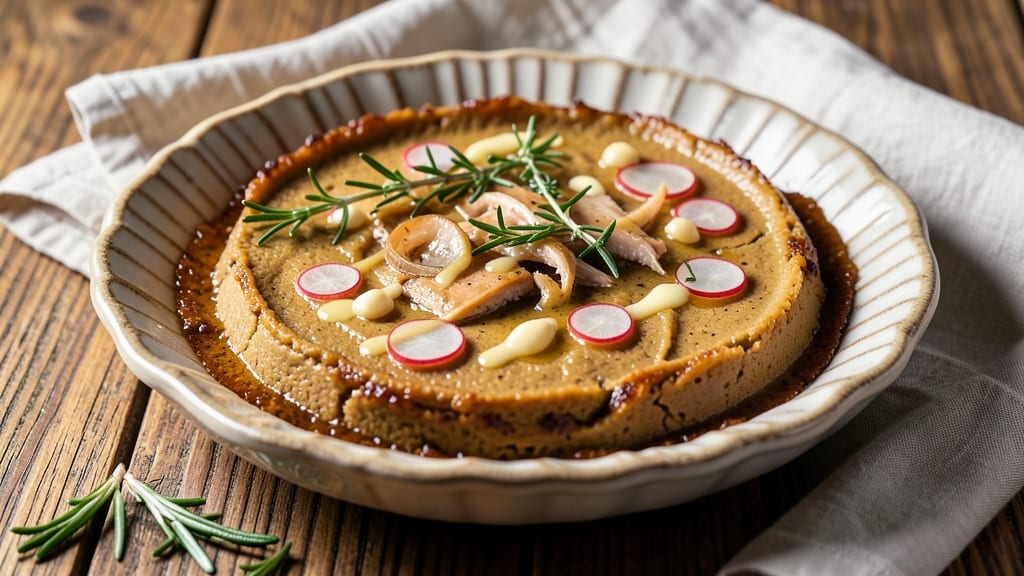
This chicken pâté recipe without liver delivers the same luxurious texture and depth of flavor you’d expect from traditional pâtés, but with a clean, herb-forward profile. The secret lies in poaching chicken thighs until fork-tender, then blending them with aromatic shallots, garlic, and fresh herbs until silky smooth.
I’ve perfected this version after testing countless iterations—no liver means no metallic aftertaste, just rich, velvety spreadability that’s perfect for holidays or weeknight entertaining.
The process is simpler than you’d think: start with chicken thighs poached in broth until they’re falling apart, then blend with softened butter, Dijon mustard, and a bouquet garni for brightness. A touch of cream ensures that signature creamy consistency without making it heavy.
The result is a pâté that’s elegant enough for charcuterie boards but approachable for everyday use—no fuss, just pure flavor.
What sets this apart is how it transforms ordinary gatherings. Spread it on toasted baguette slices, dollop onto crackers, or use it as a base for elegant appetizers. The herbs—thyme, rosemary, and parsley—infuse the pâté with a fragrant, earthy aroma that lingers long after the first bite.
It keeps beautifully in the fridge for up to 5 days, making it ideal for meal prep or gifting.
For those who love pâtés but avoid liver, this recipe proves you don’t need offal to achieve restaurant-quality results. The key is patience in the blending process and balancing the fat content just right. Trust me, once you try this version, you’ll never go back to the traditional kind.
Ingredients for chicken pate recipe no liver
Pantry staples meet elegant spread—just chicken thighs, herbs, and butter for velvety pâté.
| Ingredient | Amount | Notes |
|---|---|---|
| Chicken Thighs 🍗 | 1 ½ lb | Bone-in, skin-on preferred |
| Unsalted Butter 🧈 | ¾ cup | Cold, cubed for blending |
| Shallots 🧅 | ¼ cup | Minced, finely chopped |
| Garlic Cloves 🧄 | 4 cloves | Peeled, rough chopped |
| Fresh Thyme Leaves 🌿 | ¼ cup | Packed, stems removed |
| Fresh Rosemary 🌿 | 1 tbsp | Chopped, finely minced |
| Fresh Parsley Leaves 🌿 | ¼ cup | Packed, stems removed |
| Dijon Mustard 🍯 | 2 tbsp | High-quality, smooth |
| Heavy Cream 🥛 | ¼ cup | Cold, full-fat preferred |
| Chicken Broth 💧 | 1 ½ cups | Low-sodium, homemade or quality |
| Salt 🧂 | 1 tsp | Kosher or sea salt |
| Black Pepper 🌶️ | ½ tsp | Freshly ground preferred |
| Bay Leaves 🌿 | 2 whole | For poaching broth |
| White Wine 🍷 | ½ cup | Dry, like Sauvignon Blanc |
The chicken thighs are non-negotiable here. Bone-in, skin-on gives the most flavor and fat for that luxurious texture, but boneless works if you're in a pinch. I always grab mine from Whole Foods or the butcher section at Trader Joe's—look for good marbling. The skin-on version renders fat as it poaches, which we'll blend right in for that signature richness. Skip the breasts—they're too lean and won't give you that melt-in-your-mouth quality. For the herbs, fresh is a must. Penzeys or your local farmers market are great sources for vibrant thyme and rosemary. If you're using dried, it's one-third the amount, but honestly, fresh makes all the difference.
No shallots? Extra-fine diced yellow onion works, but you'll lose some of that sweet depth. Short on white wine? Chicken broth plus a splash of apple cider vinegar gets you close. The Dijon mustard should be the good stuff—Maille or Whole Foods brand are reliable. For the heavy cream, full-fat is key—none of that low-fat nonsense. If you're making this ahead, let everything come to room temperature before blending. Cold butter and cream blend better, trust me on this. The bay leaves add subtle earthiness, but don't skip them—they're the secret to that restaurant-quality aroma.
This pâté keeps beautifully—5 days in the fridge sealed in an airtight container with a thin layer of butter on top to preserve freshness. For longer storage, freeze in 1-month portions. I always make a double batch because it disappears fast. Spread it on toasted baguette slices, dollop onto crackers, or use it as a base for elegant appetizers. The flavor actually improves after a day or two as everything melds together. And if you're gifting it? Wax paper between layers keeps it looking fresh for parties.
Why You'll Love This Recipe
- No Liver, No Problem: That poaching step with chicken thighs and white wine? Game-changer. The meat falls apart so easily, and the broth infuses just enough depth that you don’t miss liver at all.
- Herb Bomb: The thyme, rosemary, and parsley aren’t just garnish—they’re the stars. Cooking them into the butter and chicken releases their oils, turning this into a fragrant, herbaceous spread that’s anything but boring.
- Weeknight Hero: You’ve got chicken thighs simmering while you prep the rest. No last-minute grocery runs, no weird ingredients. Just pantry staples and fresh herbs that make it feel special without the fuss.
- Leftovers? More Like Leftovers Magic: This stuff keeps for five days in the fridge—perfect for packing lunches, topping crackers, or sneaking into sandwiches. And if you freeze it? You’ve got a secret weapon for lazy weeknights or unexpected guests.
Step-by-step instructions for chicken pâté without liver
Here's how to create a velvety, herb-infused chicken spread that's rich and creamy without any liver.
Poach the Chicken Thighs for Tender Flavor
In a large pot, combine the 1.5 cups chicken broth, 0.5 cup white wine, 2 whole bay leaves, 1 tsp salt, and 0.5 tsp black pepper. Bring to a gentle simmer over medium heat. Add the 1.5 lb chicken thighs, skin-side down, and poach for 20-25 minutes until the meat is fork-tender and easily pulls away from the bone. The broth should be infused with deep, savory notes—this is the foundation of your pâté's flavor.
Once the chicken is tender, remove it from the broth and let it cool slightly. Reserve the poaching liquid for another use (like a soup or sauce), as it's packed with flavor but not needed for the pâté itself. Real talk: if you skip the poaching step, your pâté will lack that melt-in-your-mouth texture and rich depth.
Shred and Render the Chicken with Butter and Aromatics
In a large skillet, melt the 0.75 cup unsalted butter over medium-low heat. Add the 0.25 cup minced shallots and cook for 3-4 minutes until softened and translucent. Stir in the 4 cloves rough-chopped garlic cloves and cook for an additional 30 seconds until fragrant—this ensures the garlic doesn't burn and adds a subtle sweetness.
Add the cooled, shredded chicken to the skillet and break it into small, even pieces. Cook for 5-7 minutes, stirring occasionally, until the chicken is fully coated in the butter and begins to crisp slightly at the edges. Here's the thing—this step is where the magic happens. The butter emulsifies with the chicken juices, creating that luxurious, creamy base you're after.
Build the Herb-Infused Base
Stir in the 0.25 cup fresh thyme leaves, 1 tbsp finely minced fresh rosemary, and 0.25 cup fresh parsley leaves. Cook for 1-2 minutes until the herbs release their aromatic oils into the butter. This isn't just for flavor—it's what gives your pâté that bright, herbaceous character that sets it apart from traditional liver pâtés. Don't skip this; those fresh herbs make all the difference.
Next, add the 2 tbsp Dijon mustard and stir well to combine. The mustard acts as a natural emulsifier, helping to bind the mixture into a smooth, spreadable consistency. If you're using a high-quality mustard, you'll notice a subtle tang that balances the richness of the butter and chicken. Taste the mixture now—it should be rich, herby, and slightly tangy, with a hint of saltiness.
Create the Creamy Texture with Heavy Cream
Reduce the heat to low and gradually whisk in the 0.25 cup cold heavy cream. Stir continuously for 3-4 minutes until the cream is fully incorporated and the mixture begins to thicken. The key here is patience—rushing this step can cause the cream to curdle. You'll see the mixture transform from a loose mixture into a velvety, spreadable consistency.
If the pâté looks too thick, add 1-2 tablespoons of water (Note: Quantity not listed in ingredients; consider using a small amount of reserved chicken broth) to loosen it slightly. The texture should be smooth enough to pipe but still hold its shape when spread. Here's where it gets fun—taste and adjust the seasoning with additional salt or black pepper if needed. The pâté should be rich but not overpowering, with a perfect balance of herbs and creaminess.
Finish and Chill for Perfect Spreadability
Transfer the pâté to a food processor or blender and pulse until completely smooth. If you prefer a slightly rustic texture, you can leave it slightly chunky—this is a matter of personal preference. The pâté should be silky and glossy, with no visible lumps. Here's what I do: I scrape down the sides of the processor and give it another quick pulse to ensure everything is evenly blended.
Spoon the pâté into a serving dish and smooth the top with a spatula. Cover with plastic wrap, pressing it directly onto the surface to prevent a skin from forming. Chill in the refrigerator for at least 4 hours, or preferably overnight. This chilling step is critical—it allows the flavors to meld and the texture to set properly, resulting in a pâté that's easy to spread and packed with flavor. When ready to serve, garnish with additional 0.25 cup fresh parsley leaves for a pop of color and freshness.
Pro Tips For Making Chicken Pate Recipe No Liver
- Trim the Fat First: Skin-on thighs are your friend, but don’t let the fat win—trim any thick patches before poaching. I used to skip this, and the pâté would turn greasy instead of velvety. A quick swipe with a knife keeps the richness without the mess.
- Whisk the Cold Cream Slowly: When adding the 0.25 cup cold heavy cream, pour it in a thin stream while whisking constantly—no splashing. I learned this after one disastrous batch where the cream separated like a broken emulsion. Patience here guarantees that silky texture.
- Pulse, Scrape, Repeat: After blending the pâté, stop, scrape down the sides, and pulse again. The first blend is never even—this step chases down those stubborn lumps hiding in the corners. Trust me, your future guests will notice the difference.
- Salt the Poaching Broth Early: Add the 1 tsp salt to the broth before the wine, not after. The wine’s acidity needs time to mellow, and salting first ensures even flavor infusion. I used to dump salt in at the end, and the broth always tasted flat—this tiny swap makes a real difference.
Troubleshooting perfect results
Overcooked Chicken
If your chicken becomes rubbery or falls apart too easily during blending, it’s likely overcooked. Stick to the 20-25 minutes poaching time—any longer, and the meat loses moisture. When testing tenderness, it should pull apart with gentle pressure, not crumble like overdone pasta.
I’ve learned the hard way that patience here prevents a gummy texture in your final pâté. 🔥
Curdled Cream
When the heavy cream separates or curdles during blending, it’s usually from too-high heat or rushing the process. Always use cold heavy cream and reduce heat to low while whisking.
If curdling happens, strain the mixture through a fine-mesh sieve to remove lumps, then re-blend with a splash of warm water. This saves the dish without sacrificing flavor.
Grainy Texture
A grainy or chunky pâté often means the chicken wasn’t fully shredded before blending. Break the meat into small, even pieces in the skillet—think pea-sized or smaller.
If your food processor struggles, pulse in 1-second bursts to avoid overheating the mixture. Over-blending can also create heat and texture issues, so stop when it’s smooth.
Flat Flavor
If your pâté tastes bland, it’s likely missing seasoning balance. Taste the mixture after adding herbs but before blending—this is your chance to adjust. Add ½ tsp extra salt or ¼ tsp black pepper if needed, but remember the Dijon mustard already adds tang.
A splash of white wine or chicken broth can also brighten the flavor if it feels dull.
Skin Formation
When a skin forms on top of chilled pâté, it’s from trapped air or uneven cooling. Press plastic wrap directly onto the surface before refrigerating to seal it in. If a skin develops later, gently scrape it off with a spoon before serving.
For extra protection, top with a thin layer of unsalted butter before chilling—it acts as a natural barrier.
Nutrition facts
Frequently asked questions
Why does this chicken pâté recipe skip liver?
Liver can be polarizing—some love its rich, metallic flavor, while others find it overpowering. This recipe replaces it with bone-in, skin-on chicken thighs for deep, natural flavor without the earthy taste. The herb infusion and butter rendering create a velvety texture that rivals traditional pâtés, all while keeping it approachable for everyone.
Can I use boneless chicken thighs instead of bone-in?
Yes, but expect slightly less richness. Bone-in thighs render fat during cooking, which emulsifies into the pâté for that luxurious mouthfeel. If using boneless, add an extra 2 tablespoons of cold butter to compensate. The flavor will still be delicious—just slightly lighter.
How do I prevent the pâté from separating when chilling?
Press plastic wrap directly onto the surface before refrigerating to trap air and prevent skin formation. If separation occurs, blend in 1 tablespoon of cold water and pulse briefly. For extra stability, top with a thin layer of unsalted butter before chilling—it acts as a protective barrier.
Can I make this pâté ahead of time?
This recipe actually improves with time. After blending, chill for at least 4 hours (overnight is ideal) to let flavors meld. Store in an airtight container with a butter layer on top for up to 5 days. For longer storage, freeze in portions—thaw overnight in the fridge before serving.
What’s the best way to serve this chicken pâté?
Spread it on toasted baguette slices, dollop onto crisp crackers, or use as a filling for mini phyllo cups. Garnish with extra fresh parsley for color. It also works beautifully as a dip for endive leaves or vegetable sticks. Pair with a crisp white wine like Sauvignon Blanc for the full experience!