
Side Dishes
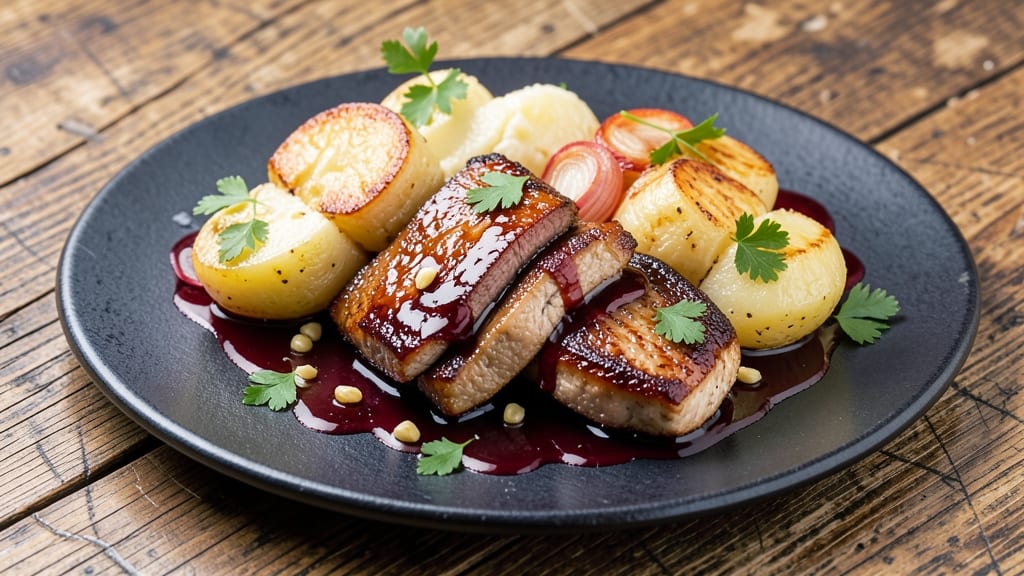
This chicken liver with potato recipe transforms humble ingredients into a restaurant-worthy dish with a rich pan sauce that elevates every bite. After years of perfecting this technique—especially during my nose-to-tail cooking workshops—I’ve found the secret lies in proper searing and sauce reduction.
The result? Tender livers paired with crispy potatoes, all bathed in a velvety sauce that turns leftovers into a showstopper.
The key to success starts with high-heat searing—just 2-3 minutes per side—until the livers develop a deep brown crust. Meanwhile, the potatoes (I prefer Yukon Golds) roast until golden and crispy, their edges caramelizing for maximum flavor.
This dual-cooking method ensures both components shine without competing for attention in the pan.
What you’ll end up with is a dish that’s bold in flavor yet balanced in texture: tender livers cut cleanly, potatoes with a satisfying crunch, and a sauce so rich it clings to every bite.
The pan sauce, made from the livers’ rendered fat and a splash of broth, adds depth that makes this meal feel special—even on a weeknight. Trust me, this is the kind of recipe that turns simple ingredients into something extraordinary.
Serve with a squeeze of lemon and fresh parsley for brightness, or drizzle with a touch of cream for extra indulgence. The leftovers? Even better the next day, as the flavors meld into something truly unforgettable. Let’s get cooking—this dish is worth every minute of effort.
Ingredients for chicken liver with potato
These restaurant-quality ingredients transform humble chicken livers into a dish worthy of any special occasion.
| Ingredient | Amount | Notes |
|---|---|---|
| Chicken Livers 🍗 | 1 ½ lb | Fresh, trimmed of connective tissue |
| Yukon Gold Potatoes 🥔 | 2 lbs | Cut into 1-inch chunks, unpeeled |
| Unsalted Butter 🧈 | ½ cup | Cold, cut into 1-inch cubes |
| Shallots 🧅 | 4 whole | Minced, for sauce base |
| Garlic Cloves 🧄 | 6 cloves | Minced, for depth of flavor |
| Dry Red Wine 🍷 | ½ cup | Bold, like Cabernet Sauvignon |
| Chicken Broth 🥄 | ½ cup | Homemade or high-quality store-bought |
| Fresh Thyme Leaves 🌿 | ¼ cup | Chopped, for aromatic brightness |
| Fresh Parsley Leaves 🌿 | ¼ cup | Chopped, for garnish and freshness |
| Heavy Cream 🥛 | ¼ cup | Full-fat for velvety sauce |
| Diamond Crystal Kosher Salt 🧂 | 1 ½ tsp | For seasoning and sauce balance |
| Freshly Ground Black Pepper 🌶️ | 1 tsp | Cracked over livers and potatoes |
| Lemon Juice 🍋 | 1 tbsp | Freshly squeezed, for acidity |
| Olive Oil 🫒 | 2 tbsp | For searing potatoes |
The chicken livers are the star, so prioritize freshness and quality. Look for livers that are deep red in color with a slight sheen—this indicates freshness. Whole Foods Market and local butcher shops often carry the best cuts, but even your grocery store's meat counter can provide suitable options if you ask for the freshest available. Trim away any visible connective tissue or silver skin before cooking, as these can make the livers tough. For the potatoes, Yukon Golds are ideal due to their buttery texture and crispy edges when roasted, but any starchy variety will work in a pinch. The key is to cut them evenly so they cook at the same rate—aim for 1-inch chunks for perfect doneness.
No red wine on hand? Substitute with beef broth and a splash of balsamic vinegar—it adds a similar depth of flavor without the alcohol. Fresh herbs are ideal, but dried thyme at one-third the amount will suffice if needed. For the potatoes, if you're short on time, parboiling them for 5 minutes before roasting ensures they finish cooking evenly. The heavy cream can be swapped for half-and-half or whole milk, though the sauce will be slightly lighter. If you're avoiding dairy entirely, coconut cream works surprisingly well for a rich, velvety texture. Always taste the sauce as you reduce it—adjust seasoning with kosher salt and freshly ground black pepper to balance the richness.
This dish reheats beautifully—simply warm the livers and sauce in a skillet over medium heat for 2-3 minutes, adding a splash of broth if needed. The potatoes can be reheated in the oven at 375°F for 10-15 minutes to restore their crispiness. Store the livers and sauce separately in airtight containers in the refrigerator for up to 3 days, while the potatoes will keep for 4-5 days. For longer storage, freeze the sauce in ice cube trays for easy portioning—just thaw and reheat as needed. The leftovers, if properly stored, often taste even better the next day as the flavors meld together, making this a perfect make-ahead dish for busy weeknights.
Why You'll Love This Recipe
- I’ll be real: chicken livers aren’t exactly a grocery store staple, but when you buy them in bulk, they’re cheaper than chicken breasts—and this recipe stretches them into something so good. Pair them with Yukon Golds (which are affordable and starchy enough to soak up that sauce), and suddenly you’ve got a restaurant-worthy meal for less than $10. My secret weapon for feeding a crowd without breaking the bank.
- Here’s what sold me: the sauce and livers keep for up to three days, and the potatoes last even longer. I’ll toss the leftovers into a breakfast scramble the next morning or reheat them with a fried egg on top. The potatoes? Crispy enough to hold their own in a hash the day after. Zero waste, zero stress—just deliciousness waiting to happen.
Step-by-step instructions for chicken livers with potatoes
This method transforms humble ingredients into a luxurious dish with rich, velvety sauce.
Sear the Chicken Livers for Maximum Flavor
Pat the 1.5 lb chicken livers completely dry with paper towels—this ensures a perfect sear. Heat 2 tbsp olive oil in a large skillet over medium-high heat until shimmering. Arrange the livers in a single layer and cook undisturbed for 2-3 minutes per side until they develop a deep golden-brown crust and reach 145°F internally.
Here's the thing—don't overcrowd the pan. If you need to work in batches, maintain the same heat level between batches. The reason we sear first is that this step builds the foundation for the sauce by caramelizing the natural proteins on the surface. Once cooked, transfer the livers to a warm plate and tent loosely with foil to keep them warm.
Roast the Potatoes Until Golden and Tender
While the livers cook, preheat your oven to 400°F. Toss the 2 lbs yukon gold potatoes (cut into 1-inch chunks) with 1.5 tsp diamond crystal kosher salt, 1 tsp freshly ground black pepper, and 1 tbsp lemon juice. Spread them evenly on a rimmed baking sheet in a single layer.
Roast for 30-35 minutes, stirring halfway through, until the edges are crisp and the potatoes yield slightly when pressed with a fork. The lemon juice brightens the potatoes and balances their natural earthiness. You want them tender but still holding their shape—this ensures they absorb the sauce beautifully without turning mushy.
Build the Rich Pan Sauce
Return the skillet with rendered liver fat to medium heat. Add the 4 whole shallots (minced) and cook for 5 minutes until softened and translucent. Stir in the 6 cloves garlic cloves (minced) and cook for 30 seconds until fragrant—don't let them brown or they'll turn bitter.
Deglaze the pan with the 0.5 cup dry red wine, scraping up all the browned bits from the bottom. Let it simmer for 3-4 minutes until reduced by half. This step extracts maximum flavor from the pan—those browned bits are pure umami.
Finish the Sauce with Cream and Herbs
Pour in the 0.5 cup chicken broth and bring to a gentle simmer. Add the 0.5 cup unsalted butter (cut into cubes) and whisk until melted and incorporated. Stir in the 0.25 cup heavy cream and simmer for 2 minutes until the sauce thickens slightly but remains silky.
Remove from heat and fold in the 0.25 cup fresh thyme leaves and 0.25 cup fresh parsley leaves. The herbs should wilt slightly but remain vibrant. Season with an additional 1.5 tsp diamond crystal kosher salt if needed—this sauce should be rich but balanced, not overpowering.
Combine and Serve
Return the seared chicken livers to the skillet and gently toss to coat in the sauce. Let them warm through for 1-2 minutes, then transfer everything to serving plates. Spoon the roasted potatoes alongside and garnish with additional 0.25 cup fresh parsley leaves for brightness.
Serve immediately while the sauce is still warm and glossy. Each bite should deliver tender livers with crisp edges, creamy sauce, and perfectly seasoned potatoes. The acidity from the lemon juice cuts through the richness, while the herbs add freshness to balance the deep flavors.
Pro Tips For Making Chicken Liver With Potato
- Trim the Livers Thoroughly: I learned this the hard way—leaving even a little connective tissue in your 1.5 lb chicken livers turns them rubbery. Use a sharp knife to slice off any silverskin or gristle before cooking. Trust me, your fork will thank you later.
- Don’t Rush the Potato Roast: Those 2 lbs of Yukon Gold potatoes need the full 30-35 minutes at 400°F, even if they look done earlier. Stirring halfway guarantees even browning, and the lemon juice keeps them from drying out—skip the rush, or you’ll end up with sad, mushy spuds.
- Whisk the Butter Aggressively: When you add the 0.5 cup cold unsalted butter to the sauce, stop stirring and whisk like you’re trying to win an egg-beater contest. This emulsifies the sauce instantly, giving it that velvety finish instead of a greasy separation—yes, even if it looks weird at first.
- Deglaze Hot, Not Cold: After searing the livers, keep that skillet piping hot when you deglaze with the 0.5 cup red wine. Cold wine slows the reaction, and you’ll miss out on lifting all those flavorful browned bits. Scrape like your life depends on it—those bits are the soul of the sauce.
Serving suggestions for leftovers
Plating Like a Pro
I always start by arranging the roasted potatoes in a fan shape on the plate—their crisp edges create a beautiful contrast against the creamy sauce. Use a slotted spoon to lift the potatoes gently, leaving excess oil behind.
The golden chunks should be the star, so position them first, then spoon the liver-sauce mixture around them. This creates visual balance and makes the dish look as good as it tastes. 💛
Sauce Drizzle Technique
For that restaurant-quality finish, strain the sauce through a fine-mesh sieve to remove any herb stems or butter chunks. Use a small spoon or squeeze bottle to create delicate swirls of sauce around the plate.
I like to drizzle a thin line along the edge, then a few drops over the potatoes—this adds visual interest and ensures every bite gets that velvety coating. A little goes a long way!
Herb Garnish Matters
Fresh parsley isn't just for looks—it adds a bright, peppery contrast to the rich flavors. Tear the leaves by hand rather than chopping for a more elegant presentation. Scatter them artfully over the potatoes and liver, focusing on the center of the plate where the eye naturally lands.
A sprinkle of flaky sea salt (like Maldon) right before serving enhances the dish's complexity.
Lemon Zest Elevation
Instead of just squeezing lemon juice, I always zest the peel over the dish right before serving. The bright, citrusy aroma wakes up your palate and cuts through the richness beautifully.
Use a microplane to get fine, even strips—just a few seconds of effort makes a world of difference. The aroma alone will have guests asking for seconds. 🍋
Bread Pairing Pro Tip
This dish calls for something sturdy enough to soak up the sauce without getting soggy. I recommend a crusty baguette or sourdough loaf—either toasted lightly and cut into thick slices. The contrast of textures makes each bite more satisfying, and the bread helps balance the dish's richness.
I keep mine warm in a cast iron skillet in the oven while I plate the main dish.
Nutrition facts
Frequently asked questions
Why does the recipe call for dry red wine?
The dry red wine adds depth and umami to the pan sauce by deglazing the skillet after searing the livers. It helps dissolve the browned bits (fond) that create rich flavor—this step is what transforms simple ingredients into something luxurious. If you don't have wine, substitute with beef broth and a splash of balsamic vinegar for similar complexity.
Can I use regular potatoes instead of Yukon Golds?
While Yukon Golds are ideal for their buttery texture and crisp edges, any starchy potato works! Russets or even fingerlings will still absorb the sauce beautifully. Just cut them evenly to ensure they cook through uniformly. The key is 1-inch chunks for perfect roasting.
What if my chicken livers smell fishy?
A fresh, high-quality liver should smell slightly metallic but not foul. If yours smells strongly fishy, it's likely spoiled—discard it immediately. For best results, buy from reputable butchers and use within 1-2 days of purchase. Always pat them completely dry before cooking to avoid steaming instead of searing.
How do I prevent the sauce from being too heavy?
Balance the richness by adding lemon juice (already in the recipe) and fresh herbs like parsley. Simmer the sauce only 2 minutes after adding cream to avoid over-thickening. If it's still too heavy, thin it slightly with a splash of chicken broth while cooking. The acidity cuts through the fat beautifully!
Can I make this dish ahead of time?
Cook the potatoes and sauce ahead, then reheat the livers in the sauce for 1-2 minutes before serving. Store components separately in airtight containers—the potatoes keep for 4-5 days and the sauce/livers for 3 days. The flavors actually improve the next day as they meld together.