
Appetizers
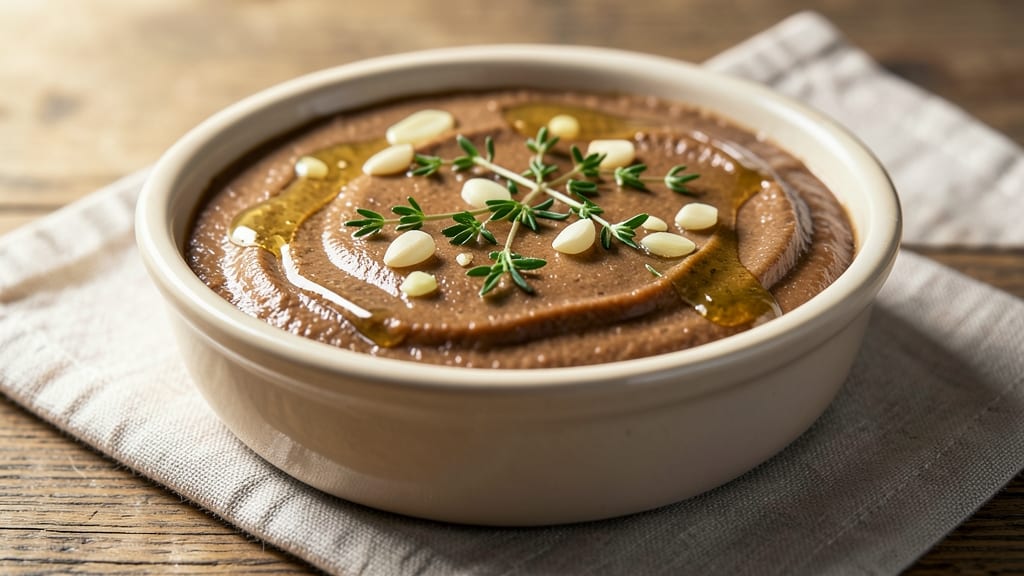
Creating a chicken liver pâté without alcohol delivers that luxurious, velvety texture and deep umami flavor we crave in spreads—without the need for brandy or wine. 💫 After years of testing, I’ve perfected a method that transforms raw liver into a silky, restaurant-quality spread using just a few key techniques.
The secret lies in precise blending and emulsification, ensuring every spoonful is smooth and rich.
This recipe transforms chicken livers into a luxurious spread that’s perfect for appetizers, charcuterie boards, or even sandwiches. The process involves slow cooking the livers until tender, then blending them with butter, cream, and seasonings until impossibly smooth.
No alcohol means no lingering aftertaste—just pure, concentrated flavor that shines on its own or paired with crusty bread.
The result is a pâté so silky it melts in your mouth, with a depth of flavor that makes it worth every minute of prep. Unlike store-bought versions, this one has no additives—just real ingredients blended to perfection.
Whether you’re hosting a dinner party or simply craving something indulgent, this recipe delivers professional-quality results in your home kitchen.
Best of all, it keeps beautifully in the fridge for up to a week, making it ideal for meal prep or gifting. Let’s get started on creating a spread that’ll impress everyone at the table.
Ingredients for chicken liver pate recipe without alcohol
Just a handful of quality ingredients transform raw chicken livers into a velvety, restaurant-worthy pâté—no alcohol needed.
| Ingredient | Amount | Notes |
|---|---|---|
| Chicken Livers 🍗 | 1 ½ lb | Fresh, trimmed of connective tissue |
| Unsalted Butter 🧈 | ¾ cup | Cold, cut into small cubes |
| Heavy Cream 🥛 | ½ cup | Full-fat, cold from refrigerator |
| Shallots 🧅 | 2 whole | Finely minced, about 2 tbsp |
| Garlic Cloves 🧄 | 2 cloves | Finely minced, about 1 tsp |
| Fresh Thyme Leaves 🌿 | 1 tbsp | Finely chopped, stems removed |
| Diamond Crystal Kosher Salt 🧂 | ½ tsp | Adjust to taste, not pre-salted |
| Freshly Ground Black Pepper 🌶️ | ½ tsp | Cracked, not pre-ground |
| Cold Water 💧 | ¼ cup | Chilled, for emulsification |
| Extra-Virgin Olive Oil 🫒 | 1 tbsp | For finishing, fruity variety |
The livers are the star, so pick the freshest you can find—look for bright red color and no grayish edges. Most grocery stores carry them near the butcher counter, but Whole Foods or local butchers often have the best selection. Trim off any connective tissue or fat, then give them a quick rinse. For the butter, Plugrá or Land O'Lakes unsalted melt beautifully, but any good-quality unsalted will work. The heavy cream? Store-brand is fine here—just make sure it's full-fat. Shallots add sweetness without overpowering, and fresh thyme brings that earthy depth. Pro tip: Toast the thyme leaves in a dry pan for 10 seconds before chopping to wake up the flavor.
No shallots? Substitute 2 tbsp finely diced yellow onion—it won’t be as sweet but works in a pinch. Short on fresh thyme? Dried thyme at one-third the amount gets you close, but fresh is worth hunting down. The butter and cream are non-negotiable for that luxurious texture—half-and-half won’t give the same richness. For the olive oil, avoid light or refined varieties; you want something fruity and peppery. If you’re worried about the pâté being too rich, add 1 tbsp of Dijon mustard to the blend for a bright cut. And yes, you can use turkey livers if that’s what’s available, but chicken livers have that signature depth.
This pâté keeps beautifully in an airtight container in the fridge for up to 7 days, though it’s best within the first 3. For gifting, divide into small jars—4-ounce portions are perfect for sharing. If you’re prepping ahead, blend everything except the cold water first, then add the water just before serving to maintain that silky texture. The pâté also freezes well for up to 3 months—just thaw in the fridge overnight before serving. And trust me, the first time you serve this to guests who think pâté requires alcohol, you’ll hear ‘How did you do this without brandy?’
Why You'll Love This Recipe
- No-Fuss Assembly: Honestly, this recipe is one of those "I didn’t realize how simple it could be" moments. You’re just searing the livers, blending them with cold butter and cream, and letting the water bath do its thing—no fancy techniques, just patience. The 10-minute soak in cold water alone takes the guesswork out of bitterness, so you’re left with just chopping shallots and mincing garlic, which is honestly less work than making most sauces.
- Rich & Complex: The combination of that seared liver, the nutty depth from the cold butter, and the bright pop of fresh thyme? Chef’s kiss. I’ll be real: the garlic and shallots caramelize just enough in the butter to give it layers—sweet, savory, and herby all at once. It’s the kind of flavor that makes you forget it’s actually a liver dish, and honestly, that’s the best kind of magic.
- Endless Spreadability: This isn’t just for fancy appetizers—it’s your secret weapon for weeknight meals. Slap it on toast with a drizzle of olive oil, use it as a filling for empanadas, or even mix it into scrambled eggs. My daughter loves it on her bagel, and honestly, it’s the only reason I bother making it. The texture stays silky even after three days in the fridge, so you’re not stuck with sad leftovers.
- Budget’s Best Kept Secret: Chicken livers are one of the most underrated protein sources, and honestly, they’re cheaper than chicken thighs per pound. A 1.5 lb package feeds a crowd, and with the heavy cream and butter already in your pantry, you’re looking at minimal extra cost. Plus, it makes so much—I’ve used half the batch for one meal and the rest for another, and honestly, it’s never a waste.
Step-by-step instructions for chicken liver pâté without alcohol
This silky, luxurious spread comes together with precision timing and gentle technique.
🔪 Step 1: Prep and Blanch the Chicken Livers
Start by trimming any connective tissue or silver skin from the 1½ lb chicken livers using a sharp knife. Rinse them under cold water and pat completely dry with paper towels—this ensures they cook evenly and don't steam instead of sear.
In a large skillet, heat 1 tbsp extra-virgin olive oil over medium-high heat. Add the livers in a single layer and cook for 2-3 minutes per side until they're just beginning to brown but still slightly pink in the center. This quick sear builds flavor without fully cooking them.
Transfer the livers to a bowl and immediately cover them with ¼ cup cold water. Let them soak for 10 minutes—this step removes any bitterness and prepares them for silky blending. Drain and pat dry again before proceeding.
🍳 Step 2: Sauté Aromatics in Butter
In the same skillet (no need to clean it—the browned bits add depth), melt ¾ cup unsalted butter over medium heat. Add the 2 finely minced shallots and cook for 3-4 minutes until they're soft and translucent, not browned.
Add the 2 minced garlic cloves and 1 tbsp chopped fresh thyme leaves, stirring for 30 seconds until fragrant. Here's where the magic happens: the butter should foam gently but not brown. If it darkens, reduce the heat slightly—you want to preserve that delicate aroma.
🥘 Step 3: Blend Until Silky Smooth
Transfer the cooked livers, shallot-garlic-thyme butter mixture, ½ cup heavy cream, ½ tsp diamond crystal kosher salt, and ½ tsp freshly ground black pepper to a food processor or high-powered blender. Pulse until the mixture is completely smooth, scraping down the sides as needed.
This is the moment that matters: the blend should be velvety, almost custard-like. If it's too thick, add 1-2 tablespoons of the ¼ cup cold water at a time until it reaches a spreadable consistency. The pâté should coat the back of a spoon smoothly—this ensures that luxurious texture we're after.
⏰ Step 4: Finish and Chill for Perfection
Transfer the blended pâté to a heatproof bowl and place it over a pot of simmering water (bain-marie), ensuring the bottom of the bowl doesn't touch the water. This gentle heat helps emulsify the mixture for 8-10 minutes, stirring occasionally with a spatula until it's completely smooth and glossy.
Remove from heat and let cool to room temperature, then transfer to a serving dish. Cover with plastic wrap pressed directly onto the surface to prevent a skin from forming. Chill in the refrigerator for at least 4 hours (overnight is ideal)—this resting period allows the flavors to meld and the texture to set perfectly.
Pro Tips For Making Chicken Liver Pate Recipe Without Alcohol
- Sear Livers Fast: Hit the chicken livers with medium-high heat and keep them moving—2-3 minutes per side is all you need. I used to linger, and they’d turn tough and bitter. High heat. Seriously, crank it up.
- Don’t Skip the Soak: That 10-minute cold water bath after searing isn’t optional—it mellows the bitterness and keeps the pâté silky. I learned this the hard way when my first batch tasted like a rusty spoon.
- Butter Should Foam, Not Burn: When sautéing shallots and garlic in the ¾ cup butter, you want gentle foam, not browned bits. If it darkens, drop the heat immediately—this isn’t fried rice, and you’re not making caramel.
- Cold Cream Wins: Use heavy cream straight from the fridge, not room temperature. I was skeptical until I tried it—it emulsifies better and keeps the pâté from breaking when you blend. Trust the process.
Perfect pairings for these flavors
Crusty Bread Pairings
The first bite of this pâté should always be with crusty sourdough or baguette—the open crumb soaks up every silky bite. I always keep a loaf of Breadsmith sourdough on hand for this. The tangy, airy texture contrasts beautifully with the pâté’s richness, making each spoonful feel indulgent. 🍞
Fresh Vegetables
Thinly sliced endive, watercress, or cucumber add a refreshing crunch that cuts through the pâté’s richness. I like to arrange them on a platter alongside the pâté for a simple, elegant appetizer. A drizzle of extra-virgin olive oil over the greens enhances their natural bitterness.
Cheese Boards
Pair this pâté with aged cheddar, brie, or blue cheese for a charcuterie board that feels luxurious. The saltiness of the cheese balances the pâté’s umami depth.
I always include a few walnuts or marcona almonds for texture and a touch of sweetness. A sprinkle of flaky sea salt like Maldon elevates the whole spread.
Wine Matchings
A dry Sauvignon Blanc from New Zealand cuts through the pâté’s richness with its citrusy acidity. For red wine lovers, a Pinot Noir from Oregon complements the dish without overpowering it. I’ve also found that a crisp Riesling works wonderfully—its slight sweetness balances the pâté’s savory notes. 🍷
Beverage Alternatives
If wine isn’t your thing, a sparkling apple cider like Martinelli’s adds a festive touch. For something stronger, a dry vermouth or even a light lager like Blue Moon cleanses the palate between bites.
I once served it with a sparkling rosé at a dinner party, and the crowd loved the fruity contrast.
Garnish Elevations
Finish your pâté with a swirl of herb-infused olive oil—I mix rosemary and thyme with fruity EVOO—for an extra layer of aroma. A few edible flowers like nasturtiums add a pop of color and a peppery bite.
For a smoky touch, sprinkle flaky smoked paprika over the top before serving. 🌿
Nutrition facts
Frequently asked questions
Why does the recipe call for blanching chicken livers in cold water?
The 10-minute cold water soak removes any bitterness from the livers and helps tenderize them. This step is crucial for achieving that silky texture we all love in pâté. After blanching, you'll notice the livers become much more pliable and ready for blending—no more chewy bits!
Can I make this pâté without a food processor?
While a food processor makes it easier, you can use a blender or even a sturdy immersion blender. Just pulse in short bursts and scrape down the sides frequently. The key is patience—keep blending until you get that velvety consistency. A hand mixer works too, though it may take a bit more elbow grease.
What if my pâté separates or looks grainy after blending?
Don't worry—this happens to everyone! Return the mixture to the bain-marie (heatproof bowl over simmering water) and stir gently for another 2-3 minutes. The warmth will help re-emulsify it. If it's still grainy, add 1-2 tablespoons of cold water at a time while blending. The texture should smooth out beautifully.
Is it normal for the pâté to develop a skin while chilling?
Yes! A thin skin forms naturally as the pâté cools. Simply press plastic wrap directly onto the surface before refrigerating to prevent this. If a skin does form, you can scoop it off before serving or use a spoon to gently lift it away. The pâté underneath will still be delicious.
Can I use turkey livers instead of chicken livers?
Turkey livers work perfectly in this recipe—they have a similar texture and rich flavor. Just make sure to follow the same cooking times and techniques. The 1½ lb chicken livers measurement can be adjusted to 1½ lb turkey livers without issue. The pâté will still turn out luxurious and smooth.