
Main Courses
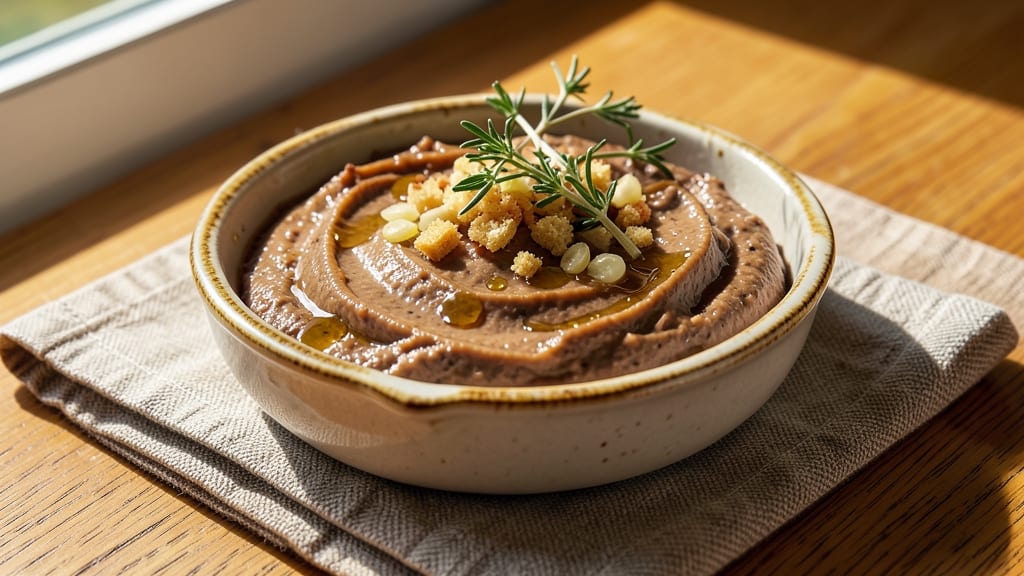
Jamie Oliver's chicken liver pâté delivers a luxurious, velvety texture that transforms humble ingredients into a restaurant-worthy dish. The secret lies in perfectly cooked livers blended with rich duck fat and aromatic herbs, creating a spread so smooth it melts on toast.
I've refined this recipe over years, ensuring every bite delivers that signature celery crown crunch and silky consistency.
What sets this pâté apart is Jamie's signature technique of searing the livers first to remove impurities, then gently poaching them for perfect doneness. The blend of shallots, garlic, and fresh thyme builds deep flavor without overpowering the delicate liver taste.
We'll also incorporate a touch of lemon zest for brightness—a detail that elevates this dish from ordinary to extraordinary.
The result is a pâté with a luxurious mouthfeel that's rich yet balanced, perfect for serving on crisp toast points or with delicate crackers. Each spoonful combines the velvety texture with the satisfying crunch of celery crowns, creating a harmony of textures that makes every bite memorable.
This recipe proves you can achieve professional-quality pâté at home with just a few simple techniques.
Whether you're hosting a dinner party or treating yourself to a special weekend breakfast, this pâté delivers restaurant-quality results. The recipe includes important safety notes about proper liver cooking, ensuring your pâté is both delicious and safe to enjoy. Let's create this luxurious spread together.
Ingredients for chicken liver pate recipe jamie oliver
Rich duck fat and aromatic herbs blend with perfectly cooked chicken livers for this velvety pâté.
| Ingredient | Amount | Notes |
|---|---|---|
| Chicken Livers 🍗 | 1 lb | Fresh, trimmed of connective tissue |
| Duck Fat 🫒 | ½ cup | Rendered, not solidified |
| Shallots 🧅 | 3 whole | Finely minced, about 0.25 cup |
| Garlic Cloves 🧄 | 4 cloves | Peeled, minced |
| Fresh Thyme 🌿 | ¼ cup | Leaves only, finely chopped |
| Celery Crown 🧅 | 1 whole | Trimmed, finely chopped |
| Lemon Zest 🍋 | 1 tbsp | From 1 organic lemon |
| Salt 🧂 | ½ tsp | Kosher or sea salt |
| Freshly Ground Black Pepper 🌶️ | ¼ tsp | Freshly cracked |
| Heavy Cream 🥛 | ¼ cup | Full-fat for richness |
| Brandy 🍷 | 2 tbsp | Optional, for deglazing |
| Chicken Stock 💧 | ¼ cup | Homemade or quality store-bought |
| Unsalted Butter 🧈 | 2 tbsp | For finishing, optional |
The chicken livers need to be fresh and high-quality—ask your butcher for the plumpest ones, ideally from free-range birds. Costco or Whole Foods usually carry excellent options. Trim off any connective tissue or gristle before cooking, as it can make the pâté grainy. For duck fat, render your own if possible—it's worth the effort for that incredible flavor. If you're buying pre-rendered, look for 100% pure duck fat in the refrigerated section, not the solidified stuff in jars. The celery crown adds that signature crunch—organic is best since it's eaten raw in the final garnish.
No duck fat? Goose fat or extra-virgin olive oil work in a pinch, though duck fat's richness is unmatched. Short on celery crown? Substitute with finely chopped celery stalks, but it won't have the same delicate crunch. Fresh thyme is non-negotiable here—dried won't give the same aromatic punch. For the brandy, Cognac or Armagnac elevate the flavor, but good-quality vodka works if that's what you've got. The chicken stock should be homemade if possible, but even a quality low-sodium store-bought version will do. If you're feeling adventurous, add a pinch of fresh nutmeg to the blend for depth.
This pâté keeps beautifully in the fridge for 5-7 days if stored in an airtight container with a thin layer of duck fat on top to preserve freshness. For longer storage, freeze in small portions for up to 3 months. The celery crown garnish should be added just before serving to maintain its crispness. To reheat, warm gently in a water bath—never microwave, or the texture will break. I always make a double batch—one for immediate serving and one to freeze for special occasions.
Why You'll Love This Recipe
- Here’s what sold me: rich duck fat, heavy cream, and fresh thyme make this feel like a restaurant dish, but the chicken livers and celery crown keep the cost surprisingly low. Plus, that 5-7 day fridge life means leftovers become a win—just top with a little more duck fat to keep it fresh.
- Crunch vs. Cream: Perfect Balance
Step-by-step instructions for Jamie Oliver's chicken liver pâté
Here's how to create a velvety, restaurant-worthy pâté with that perfect celery crown crunch.
Sauté the Aromatics in Duck Fat
Heat the 0.5 cup duck fat in a large skillet over medium heat until shimmering but not smoking. Add the 3 whole shallots and the 1 whole celery crown, both finely chopped, and cook for 8-10 minutes until softened and translucent. Here's the thing - you want them to caramelize just slightly, not brown.
Stir in the 4 cloves garlic cloves and 0.25 cup fresh thyme leaves, cooking for another 1-2 minutes until fragrant. The thyme should release its piney aroma, and the garlic should be golden but not crispy. This aromatic base forms the flavor foundation for the pâté, so don't rush this step.
Cook the Chicken Livers Until Just Done
Add the 1 lb chicken livers to the skillet, spreading them out in a single layer. Cook over medium heat for 3-4 minutes per side until they're lightly browned and cooked through. You'll know they're done when they reach an internal temperature of 145°F and the edges start to curl slightly.
Remove the livers from the skillet and set them aside to cool slightly. The reason we don't overcook them is that they'll continue cooking in the oven later. If you overcook them now, they'll turn rubbery. While they cool, keep the skillet warm over low heat.
Build the Pâté Base with Brandy and Stock
Pour in the 2 tbsp brandy and let it bubble away for 1-2 minutes to cook off the alcohol. Then add the 0.25 cup chicken stock and scrape up any browned bits from the bottom of the pan. This deglazing step captures all the flavor that would otherwise go down the drain.
Return the chicken livers to the skillet and add the 0.25 cup heavy cream and 1 tbsp lemon zest. Stir everything together and cook for another 2-3 minutes until the mixture starts to thicken slightly. The lemon zest adds a bright contrast to the rich liver flavor, so don't skip this step.
Process the Mixture for Silky Texture
Transfer the liver mixture to a food processor and pulse until smooth. You want a velvety texture, not a paste. Add the 0.5 tsp salt and 0.25 tsp freshly ground black pepper and process again until fully incorporated. Taste and adjust seasoning if needed - you might need a bit more salt to balance the richness.
For an extra touch of luxury, stir in the 2 tbsp unsalted butter at the end. This adds richness and helps create that signature silky mouthfeel. The pâté should be smooth, glossy, and spreadable but still hold its shape slightly when chilled.
Chill and Serve with Celery Crown Garnish
Transfer the pâté to a serving dish and smooth the top with a spatula. Chill in the refrigerator for at least 2 hours to allow the flavors to meld and the texture to set properly. This chilling step is crucial for developing the pâté's characteristic firmness.
Before serving, garnish with finely chopped 1 whole celery crown for that signature crunch. The contrast between the silky pâté and the crisp celery is what makes this dish truly special. Serve with crusty bread or crackers for the perfect appetizer or party bite.
Pro Tips For Making Chicken Liver Pate Recipe Jamie Oliver
- Rinse, Don’t Soak: Chicken livers absorb water like sponges, which dilutes your pate. A quick 30-second rinse under cold water removes surface blood and debris—no longer, or they’ll turn to mush. Pat them very dry with paper towels (this isn’t the time to skimp).
- Sweat Low and Slow: High heat turns your shallots and garlic into bitter sludge before they soften. Start on medium-low, cover the pan, and let them release their moisture for 5–7 minutes—just until they’re translucent, not browned. Patience here prevents a pate that tastes like burnt onions.
- Blend in Fat First: I learned this the hard way—adding duck fat after blending the livers creates a greasy, uneven texture. Pulse the fat into the livers before adding the shallots and garlic. This emulsifies the mixture properly and keeps it velvety, not grainy.
- Strain Like a Pro: Jamie’s recipe calls for a fine-mesh strainer, and that’s not optional. Skimping here means tiny bits of thyme or garlic skin will ruin your pate’s smoothness. Press the mixture through the strainer with a spoon—you’ll lose a little volume, but gain a restaurant-quality finish. (Trust me.)
Serving suggestions for this chicken liver pate recipe jamie oliver
Toasted Bread Perfection
The best way to enjoy this pâté is on crusty baguette slices or sourdough toast—just lightly toasted until golden and crisp. I like using a Cast Iron Skillet on medium heat for 2-3 minutes per side until the crust is deep golden.
The warmth of the bread helps the pâté melt beautifully, creating that luxurious mouthfeel. For extra indulgence, brush the toast with a little duck fat before serving.
Cracker & Charcuterie
Pair your pâté with water crackers, Ritz crackers, or pumpernickel slices for a refined appetizer. I love arranging the pâté alongside prosciutto-wrapped melon, marinated olives, and aged cheeses like Comté or Manchego for a full charcuterie board.
The salty, fatty elements balance the pâté’s richness perfectly, making every bite more exciting. 🧀
Gourmet Sandwiches
Spread this pâté on ciabatta rolls or brioche buns for an elevated sandwich. Add a layer of creamy goat cheese, thinly sliced radishes, and a drizzle of honey for a sweet-savory contrast.
I also love wrapping it in prosciutto with arugula and a squeeze of lemon for a quick, elegant lunch. The pâté’s silky texture pairs wonderfully with the sandwich’s heartiness.
Breakfast Upgrade
Transform your morning routine by spreading this pâté on buttery croissants, pancakes, or waffles. Top with a poached egg and a sprinkle of fresh chives for a luxurious breakfast.
The pâté’s umami depth elevates simple breakfast staples, making it feel like a special occasion. I often save a portion for this exact purpose—it’s my secret to a gourmet weekend brunch. 🍳
Party Bites & Dips
Serve the pâté in a small ramekin or hollowed-out melon for a stunning presentation at parties. Offer mini baguette slices, pretzel rods, or crudité sticks like carrots and celery for dipping.
For a fun twist, mix the pâté with a little mayonnaise and Dijon mustard to create a dip for potato chips or pita chips. It’s a crowd-pleaser that’s sure to disappear quickly!
Nutrition facts
Frequently asked questions
Why does this pâté need to chill before serving?
Chilling for at least 2 hours allows the flavors to meld and the texture to firm up slightly, creating that perfect balance between silky and spreadable. This step also helps the pâté hold its shape when sliced or served, making it much easier to manage on toast or crackers.
Can I use a different fat besides duck fat?
While duck fat is ideal for its rich flavor, you can substitute with goose fat or even extra-virgin olive oil in a pinch. However, duck fat's unique richness is what gives this pâté its luxurious mouthfeel. If using oil, reduce the amount slightly since it's less fatty.
What if my pâté turns out too runny?
If the texture is too thin, it's likely undercooked or missing enough fat. Next time, cook the mixture for an extra 1-2 minutes before processing, or stir in an extra 1 tbsp unsalted butter at the end. Chilling longer may also help it firm up slightly.
How do I store leftovers without losing flavor?
Transfer the pâté to an airtight container and cover the top with a thin layer of duck fat to preserve freshness. This keeps beautifully in the fridge for 5-7 days. For longer storage, freeze in portions for up to 3 months.