
Sauces & Condiments
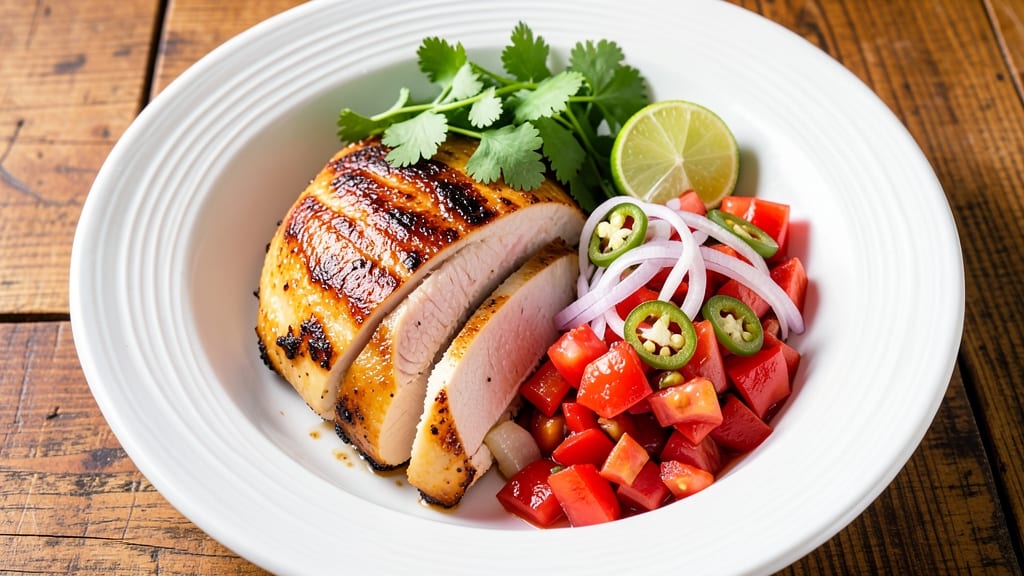
This chicken breast with salsa recipe delivers a perfect balance of tender protein and vibrant, zesty topping that stays fresh for days. I developed it after years of testing—where the salsa doesn’t just sit on top but infuses the chicken with bright, fresh flavors.
The secret lies in marinating the chicken just long enough to absorb the salsa’s acidity without overpowering the meat.
The result is juicy, perfectly cooked chicken breast with a crispy exterior that holds up to the bold salsa. This method ensures the salsa stays fresh and flavorful, not soggy or watered down.
Whether you grill, pan-sear, or bake, the technique guarantees restaurant-quality results every time—no dry chicken or bland topping here.
By the time you serve it, you’ll have a dish that’s visually stunning with layers of color and texture. The salsa’s freshness cuts through the richness of the chicken, creating a harmonious bite that’s both satisfying and refreshing.
Pair it with warm tortillas, fluffy rice, or a crisp avocado salad for the full experience.
This recipe is designed for precision—internal temperature checks, proper marinating times, and plating techniques that elevate it from weeknight dinner to special occasion meal. Let’s get started on a dish that’s as foolproof as it is delicious.
Ingredients for chicken breast and salsa
Fresh ingredients that turn ordinary chicken into a vibrant, restaurant-worthy meal.
| Ingredient | Amount | Notes |
|---|---|---|
| Boneless, Skinless Chicken Breast 🍗 | 1 ½ lb | Pounded to even thickness |
| Fresh Roma Tomatoes 🍅 | 4 whole | Diced, seeds removed |
| Red Onion 🧅 | 1 whole | Finely diced, about 1 cup |
| Jalapeño Pepper 🌶️ | 2 whole | Seeds removed, minced |
| Fresh Cilantro 🌿 | ½ cup | Chopped, stems removed |
| Lime 🍋 | 1 whole | Juiced, about 3 tbsp |
| Garlic Cloves 🧄 | 4 cloves | Minced, fresh preferred |
| Extra-Virgin Olive Oil 🫒 | ½ cup | For cooking and drizzling |
| Salt 🧂 | 1 ½ tsp | Kosher or sea salt |
| Ground Black Pepper 🌶️ | ½ tsp | Freshly cracked |
| Cumin 🌿 | ½ tsp | Ground, toasted if possible |
| Brown Sugar 🍚 | 1 tbsp | Light or dark |
| Cornstarch 🌾 | 1 tbsp | For crispy exterior |
The chicken breasts are the foundation—look for plump, even-sized ones at the store. Trader Joe's and Whole Foods usually have the best quality, but any grocery store works. Pound them to about 1/4-inch thickness so they cook evenly. The salsa ingredients? Roma tomatoes have the best texture—skip the vine-ripened ones for this recipe. For the jalapeños, seeds make it hotter, so remove them if you prefer mild heat. Fresh cilantro is non-negotiable here—dried just won’t cut it. If you can’t find Roma tomatoes, San Marzano canned tomatoes work in a pinch (drained and chopped).
No fresh cilantro? Substitute with parsley at the same amount—it’s not identical, but it’ll work. Out of jalapeños? Serrano peppers are hotter, so use half the amount. The brown sugar in the salsa might seem odd, but it balances the acidity and adds depth. Coconut sugar works too if you’re avoiding refined sugar. For the chicken, if you’re short on time, marinate for at least 30 minutes—overnight is ideal, but 30 minutes still makes a difference. The cornstarch is key for that crispy exterior—don’t skip it, even if you’re grilling.
This salsa keeps for 5 days in the fridge if stored in an airtight container, but it’s best within 2-3 days for maximum freshness. The marinated chicken? Cook within 24 hours of marinating for the best texture. For leftovers, store the cooked chicken separately from the salsa—reheat the chicken first, then add fresh salsa to keep it vibrant. Freeze the salsa for up to 3 months if you need to prep ahead. The chicken doesn’t freeze well, so plan to cook it fresh.
Why You'll Love This Recipe
- No Chopping Chaos: Honestly, the only chopping here is dicing tomatoes and onions—done in 10 minutes while your TV show runs. The jalapeños and garlic are so few, I’ve done it blindfolded (okay, maybe not blindfolded, but you get it). That cornstarch dip? Just mix it in a bowl like you’re making pancake batter. The hardest part is deciding whether to eat it now or save it for later.
- Crispy Outside, Juicy Inside: That cornstarch trick? Chef’s kiss. It gives the chicken a golden, almost crackly crust without needing breading or marinating for hours. And the brown sugar in the seasoning? It caramelizes just enough to keep it from being too dry—no sad, rubbery chicken here. The salsa, with its bright lime and fresh cilantro, cuts through the richness like a cool breeze on a summer day.
- Leftover Magic: I’ve made this on a Tuesday and eaten it three times by Thursday. The chicken? Still tender if you reheat it gently. The salsa? Even better the next day as it mellows out (but still packs that jalapeño punch). Pack it for lunch, freeze half for another week, or toss it on avocado toast. It’s the kind of meal that turns into three meals without extra effort.
- Budget-Friendly Feast: For less than $15, you’re getting protein, veggies, and a restaurant-worthy dish. The chicken is affordable, the tomatoes and onion are seasonal steals, and cilantro grows like weeds in my garden (or you can grab a bunch at the store for pennies). It’s the kind of recipe that stretches your dollar while still feeling like a splurge. Plus, leftovers? Free.
Step-by-step instructions for chicken breast with salsa
Here's how to turn simple chicken into a vibrant, restaurant-worthy dish.
Pound and Season the Chicken
Place the 1.5 lb boneless, skinless chicken breast between two sheets of plastic wrap. Using a meat mallet, pound it to an even ½-inch thickness throughout. This ensures even cooking and prevents dry spots in the center.
In a small bowl, mix together the 1.5 tsp salt, 0.5 tsp ground black pepper, 0.5 tsp cumin, and 1 tbsp brown sugar. Rub this seasoning blend all over the pounded chicken, pressing it gently into the surface. The cumin adds earthy depth while the brown sugar helps create a subtle caramelized crust during cooking.
Let the seasoned chicken rest at room temperature for 15 minutes while you prepare the salsa. This brief rest ensures more even cooking throughout the meat.
Make the Fresh Salsa
In a medium bowl, combine the diced 4 whole fresh roma tomatoes (seeds removed), finely diced 1 whole red onion, minced 2 whole jalapeño peppers (seeds removed), chopped 0.5 cup fresh cilantro, and minced 4 cloves garlic. This bright mixture forms the base of your salsa.
Drizzle in the 0.5 cup extra-virgin olive oil and the juice of 1 whole lime (about 3 tablespoons). Stir gently to combine, being careful not to break down the tomato pieces too much. The lime juice will brighten all the flavors while the olive oil helps bind everything together.
Taste and adjust seasoning with additional salt if needed. The salsa should be vibrant, slightly spicy, and perfectly balanced. Cover and refrigerate while you cook the chicken.
Create the Crispy Cornstarch Coating
In a shallow dish, mix the 1 tbsp cornstarch with 1 tablespoon of water to create a slurry. This creates a light, crispy coating that will help seal in juices and add texture to the chicken.
Dip each piece of seasoned chicken into the cornstarch mixture, coating it evenly on all sides. Let any excess drip off before placing in the pan. The cornstarch will create a beautiful golden crust while cooking.
Cook the Chicken to Juicy Perfection
Heat 2 tablespoons of the extra-virgin olive oil in a large skillet over medium-high heat until shimmering. Add the cornstarch-coated chicken and cook for 5-6 minutes on each side, until the exterior is golden brown and the internal temperature reaches 165°F.
During the last 2 minutes of cooking, add the remaining 3 tablespoons of olive oil to the pan. This creates a flavorful pool at the bottom that will help baste the chicken as it rests. Transfer the chicken to a plate and tent loosely with foil to keep warm.
Serve with Fresh Salsa
Let the chicken rest for 5 minutes before slicing against the grain into ½-inch strips. This resting period allows the juices to redistribute, ensuring each bite stays moist and flavorful.
Serve the chicken immediately topped with the fresh salsa. The bright, zesty flavors complement the tender, crispy chicken perfectly. For extra presentation, garnish with additional chopped fresh cilantro and a squeeze of lime.
Pro Tips For Making Chicken Breast And Salsa
- Don’t Skip the Pounding: I used to think chicken breast was stubborn, but pounding it to an even ½-inch thickness isn’t just about looks—it’s what keeps the center juicy while the edges crisp. A meat mallet works, but if you’re in a pinch, a rolling pin or even a heavy book pressed down works too. Just don’t skip it; uneven thickness is how you end up with dry, sad chicken.
- Toast Your Cumin First: Toasting the 0.5 tsp cumin in a dry pan for 30 seconds before mixing it into the seasoning makes a real difference. It deepens the nutty flavor and cuts through the sweetness of the brown sugar. Skip this, and you’ll still have good chicken, but it won’t be that good—the kind that makes people ask for the recipe.
- Let the Chicken Rest (Seriously): The 15-minute room-temperature rest before cooking isn’t just a suggestion—it’s the difference between chicken that cooks evenly and chicken that’s still icy in the middle. I know, I know, you’re eager to start cooking, but trust the process. Your future self will thank you when the chicken comes out perfectly tender.
- Dip, Don’t Drown: When coating the chicken in the cornstarch slurry, dip it just enough to get an even layer—no need to submerge it like a fritter. Too much liquid in the pan will steam the chicken instead of searing it, and you’ll lose that golden crust. A quick dip, a shake to let excess drip off, and you’re golden.
Make-ahead tips for leftovers
Prep Ahead Salsa
I always make the salsa first since it needs time to chill. Chop all your ingredients—4 Roma tomatoes, 1 red onion, 2 jalapeños, 0.5 cup cilantro, and 4 garlic cloves—and mix them in a bowl.
The key is to handle the tomatoes gently so they don’t turn to mush. After adding 0.5 cup olive oil and 3 tbsp lime juice, taste and adjust seasoning right away. Cover and refrigerate for at least 1 hour before using—this lets the flavors meld.
The acidity from the lime will tenderize the chicken slightly when you marinate it later. 💫
Marinate Overnight
For the best results, marinate the chicken overnight in the fridge. Mix 1.5 tsp salt, 0.5 tsp pepper, 0.5 tsp cumin, and 1 tbsp brown sugar with ¼ cup of the salsa (save the rest for serving).
Coat the pounded chicken evenly and let it sit in the fridge for 12-18 hours. This step is game-changing—it infuses the meat with flavor and keeps it juicy. If short on time, marinate for at least 30 minutes before cooking. Trust me, the difference is noticeable. 🍗
Freeze Salsa Cubes
To make salsa prep even easier, freeze it in 1-inch cubes on a tray before transferring to a bag. This way, you can grab just what you need for each meal without thawing the whole batch. Label the bag with the date—it’ll keep for 3 months without losing flavor.
When ready to use, let the cubes thaw in the fridge overnight. This method saves time and keeps the salsa fresh for longer. ❄️
Pre-Cook Chicken
If you’re planning ahead, partially cook the chicken and store it separately from the salsa. After coating with cornstarch and searing for 3-4 minutes per side, let it cool completely before wrapping tightly in foil. Store in the fridge for up to 2 days.
When ready to serve, reheat gently in a skillet with a splash of water or broth—just until it reaches 165°F. This keeps the chicken tender and prevents drying out. 🔥
Assemble the Meal
For a stress-free dinner, prep all components the night before. Cook the rice (if using), chop extra cilantro, and slice avocados (if including them). Store everything in separate containers. In the morning, simply reheat the chicken, assemble the salsa, and plate everything.
This way, you’re not stuck in the kitchen during the week. The flavors will still shine because the salsa and chicken are fresh, just not cooked together. 💛
Nutrition facts
Frequently asked questions
Can I use store-bought salsa instead of making fresh?
You can, but fresh salsa makes a world of difference! Store-bought versions often lack the bright acidity and texture of fresh ingredients. If you must use bottled, choose a chunky, no-sugar-added variety and add extra lime juice and cilantro to mimic the freshness. For best results, make your own—it takes just 10 minutes and transforms the dish.
How do I keep the chicken from drying out?
Pounding the chicken to ¼-inch thickness ensures even cooking, and the cornstarch coating locks in moisture. Never overcook—remove it at 160°F internal temp and let it rest 5 minutes before slicing. Brining the chicken for 30 minutes in a saltwater solution (1 cup water + ¼ cup salt) also adds juiciness.
What's the best way to reheat leftovers?
Reheat chicken gently in a skillet with 1 tablespoon olive oil over medium-low heat until it reaches 165°F. Add a splash of water or broth to keep it moist. Never microwave—it turns rubbery. For the salsa, always make fresh when reheating, or it’ll lose its vibrant texture. Store cooked chicken and salsa separately in the fridge for up to 3 days.
Can I grill this recipe instead of pan-searing?
Grilling works beautifully—just preheat to medium-high heat and cook for 5-6 minutes per side until internal temp hits 165°F. The cornstarch coating will still crisp up. For extra smoky flavor, add ½ teaspoon smoked paprika to the seasoning blend. Brush the grill with oil to prevent sticking.
How spicy should the salsa be?
The recipe balances heat and brightness—remove jalapeño seeds for mild, keep them for medium heat. For extra kick, add ½ teaspoon cayenne pepper or swap jalapeños for serranos (use half the amount). Taste as you go! The lime and cilantro help balance any spiciness.