
Main Courses
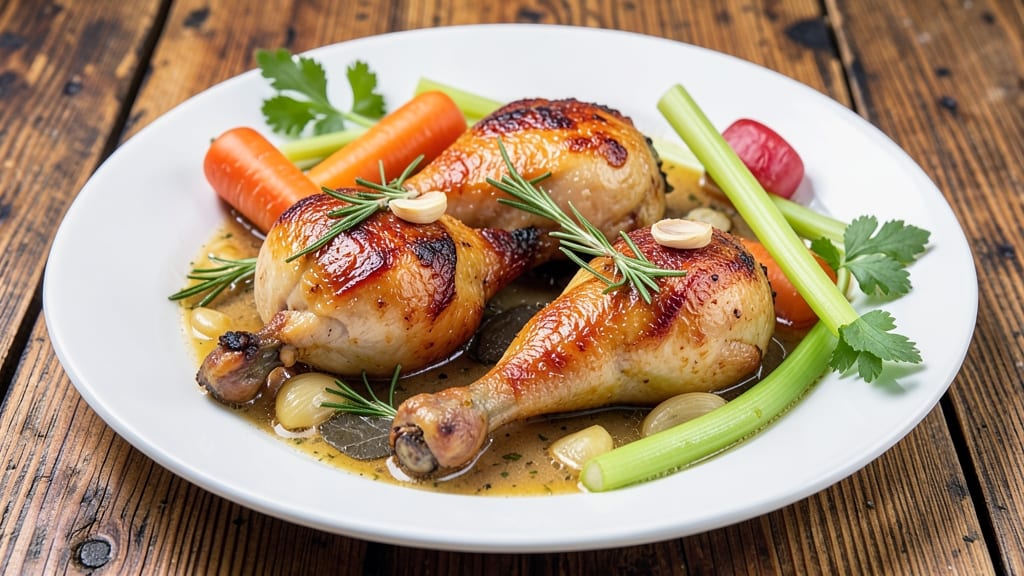
Boiled chicken legs deliver juicy, flavorful results with minimal effort—perfect for weeknight dinners or meal prep. The secret lies in proper seasoning before simmering, which transforms simple ingredients into a restaurant-worthy dish. I’ve perfected this method over years of testing, ensuring tender meat every time without dryness or blandness.
This recipe starts with a flavorful broth base—herbs, aromatics, and spices infuse the water as the chicken cooks, creating a self-basting effect. The key is maintaining a gentle simmer (never a rolling boil) to prevent toughening the meat.
With just 45 minutes of hands-off cooking, you’ll have perfectly tender chicken legs ready for any meal.
What sets this method apart is the ability to customize the flavor profile—whether you prefer classic herb-infused broth or a spiced variation with garlic, ginger, and citrus. The result is juicy meat that stays moist even after reheating, making it ideal for salads, soups, or serving as-is with dipping sauces.
For crispy skin lovers, a quick pan-sear after boiling elevates the dish further. This technique ensures you get the best of both worlds: tender, flavorful meat with optional crispy edges. Let’s get started on this foolproof method!
Ingredients for boiled chicken legs
Juicy chicken legs start with aromatic vegetables, herbs, and a gentle simmer for tender perfection.
| Ingredient | Amount | Notes |
|---|---|---|
| Chicken Legs 🍗 | 4 whole | Bone-in, skin-on preferred |
| Yellow Onion 🧅 | 1 whole | Quartered, peeled |
| Carrots 🥕 | 4 whole | Medium size, peeled |
| Celery Stalks 🥬 | 3 whole | Trimmed, cut into 2-inch pieces |
| Garlic Cloves 🧄 | 6 cloves | Peeled, smashed |
| Fresh Rosemary 🌿 | 2 sprigs | Fresh, not dried |
| Fresh Bay Leaves 🍃 | 2 whole | Dried acceptable |
| Salt 🧂 | 2 tbsp | Kosher or sea salt |
| Black Peppercorns 🌶️ | 1 tsp | Freshly cracked |
| Fresh Thyme 🌿 | ½ oz | Or 2 tbsp dried thyme |
| Water 💧 | 4 cups | Enough to cover chicken |
| Lemon Wedges 🍋 | 2 whole | For finishing |
| Extra-Virgin Olive Oil 🫒 | 1 tbsp | For finishing (optional) |
The chicken legs are the star—bone-in and skin-on delivers the most flavor and keeps the meat moist during simmering. Look for fresh, plump legs with minimal bruising at stores like Whole Foods or Trader Joe's, where they often have better quality than standard grocery chains. If you can't find them fresh, frozen works perfectly—just thaw overnight in the fridge. The onion, carrots, and celery form the aromatic base, so don't skimp: fresh, crisp vegetables infuse the broth better than wilted ones. For the garlic, I always use fresh cloves—the flavor is far superior to powdered. Rosemary and bay leaves add depth, but if you're short on time, dried thyme works in a pinch (use half the amount).
No fresh thyme? Dried thyme at half the quantity delivers similar results. Running low on bay leaves? A single dried leaf works just as well. The water should cover the chicken by about an inch—if your pot isn't large enough, simmer uncovered. For extra richness, add 2 tbsp of chicken broth to the water. The lemon wedges aren't just for finishing; their acidity helps tenderize the meat during cooking. If you're feeling fancy, a splash of white wine (about 2 tbsp) in the broth adds complexity. Always pat the chicken dry before seasoning—this helps the spices adhere better and promotes crispier skin if you choose to pan-sear later.
Store cooked chicken legs in an airtight container in the fridge for up to 4 days or freeze for 3 months. The broth reduces as it cools, so strain and reserve it for soups or gravies. For meal prep, portion the chicken with a bit of broth to keep it moist. Reheat gently in a skillet with a splash of water or broth to restore juiciness. If you're planning ahead, boil an extra leg or two—they reheat beautifully and make quick lunches or salads. The olive oil finish is optional but adds a luxurious touch; use it within a week of opening for best flavor.
Why You'll Love This Recipe
- No Chop, No Stress: I love that this recipe turns peeling carrots and quartering an onion into the bulk of the work—because honestly, the rest is just tossing everything in a pot and letting it do its thing. The only real prep is smashing those garlic cloves and trimming the celery, but even that’s minimal. My daughter handles the veggies while I crack the peppercorns, and boom—dinner’s on autopilot.
- Lemon-Kissed Perfection: The lemon wedges at the end? Game-changer. They brighten up the rich, herby broth and give the chicken that perfect balance—savory, aromatic, but with a zesty finish. The rosemary and thyme work their magic while simmering, so you’re left with meat that’s tender, juicy, and packed with layers of flavor. Trust me, the first bite is always a little too good.
- Leftovers That Last: This recipe makes exactly what you need for a weeknight meal, but it also leaves you with enough for lunches or easy dinner repeats. Store those chicken legs in the fridge for up to four days, and they’ll be just as delicious reheated. I often shred the cooked meat for tacos or sandwiches, or use the broth to make a quick soup. Zero waste, zero fuss.
- Budget-Friendly Feast: Four bone-in, skin-on chicken legs and a handful of pantry staples? This is the kind of meal that doesn’t break the bank. The carrots, celery, and onion are cheap, and the herbs and spices add flavor without costing extra. It’s the kind of dish I make when I want to feed my family a hearty, satisfying meal without spending a fortune. Plus, the broth is free flavor—use it for rice, pasta, or just sip it like soup.
Step-by-step instructions for boiled chicken legs
Here's the method for achieving perfectly juicy, flavorful chicken legs through gentle simmering.
Prepare the Aromatic Base
In a large, heavy-bottomed pot, combine the quartered yellow onion, whole carrots, celery stalks, smashed garlic cloves, fresh rosemary sprigs, fresh bay leaves, and all 2 tablespoons of salt. This aromatic base forms the flavor foundation for the chicken. Add the 4 cups of water and bring to a gentle boil over medium-high heat.
Once boiling, reduce heat to maintain a steady simmer. The water should bubble gently but not vigorously—this prevents the chicken from cooking too quickly on the surface. Here's the thing: simmering too hard creates steam pockets that can dry out the meat. Let it settle into a steady rhythm before adding the chicken.
Season and Simmer the Chicken
Carefully add the 4 whole chicken legs, skin-side down, to the simmering liquid. The skin should remain submerged to prevent drying. Sprinkle the cracked black peppercorns and 0.5 ounce of fresh thyme over the chicken. This seasoning step ensures flavor penetrates both the meat and the cooking liquid.
Cover the pot with a lid and let the chicken simmer gently for 30 minutes. Here's what you're aiming for: the internal temperature should reach 165°F in the thickest part of the thigh. Don't be tempted to lift the lid to check—every time you do, you lose heat and extend cooking time. If the water level drops significantly, add hot water to maintain coverage.
Finish with Acid and Fat
After 30 minutes, add the 2 whole lemon wedges to the pot. The acidity brightens the flavors and tenderizes the meat further. Also add the 1 tablespoon of extra-virgin olive oil, which creates a delicate sheen on the chicken and enhances its natural juiciness. This finishing step is what transforms good chicken into exceptional chicken.
Continue simmering for another 15-20 minutes until the chicken is fork-tender and the meat pulls away from the bone with minimal resistance. The lemon wedges will infuse the liquid with citrus notes, and the olive oil will coat the skin, locking in moisture. This is the moment that matters: proper finishing ensures maximum flavor and texture.
Rest and Serve
Remove the chicken legs from the pot and transfer them to a serving platter. Tent loosely with aluminum foil and let rest for 5 minutes. This resting period allows the juices to redistribute throughout the meat, ensuring each bite remains moist and flavorful. Don't skip this step—I learned the hard way that serving immediately results in dry, uneven texture.
Serve the chicken legs with the aromatic cooking liquid strained and reduced if desired. The broth can be used as a base for soups or gravies, capturing all the simmered flavors. The chicken should be juicy with tender meat that falls away from the bone, and the skin should be moist rather than dry. Each piece should deliver rich, well-seasoned flavor with hints of rosemary, thyme, and lemon.
Pro Tips For Making Boiled Chicken Legs
- Submerge the Skin: If the skin peeks above the water, it’ll dry out faster than you can say "overcooked." Use a plate to weigh it down—just until the liquid covers everything. I used to ignore this, and my crispy skin dreams turned into sad, rubbery patches.
- Smash That Garlic: Those 6 cloves aren’t doing much good whole or minced—they need to bruise. Smashed cloves release flavor like crazy, and they won’t turn the broth bitter. Trust me, your future self will notice the difference in the first bite.
- Don’t Peek at Chicken: Every time you lift that lid, you’re letting heat escape and extending cook time. The chicken will tell you when it’s done—wait for those 30 minutes, then another 15-20, before checking. Patience here means juicy, not dry.
- Lemon Last, Oil First: Add the lemon wedges after the initial 30 minutes—the acid can toughen raw meat. Then toss in that olive oil at the end; it’ll coat the skin and keep it supple. I skipped this once and got greasy, not glossy, chicken. Worth the effort.
Dietary considerations for these flavors
Gluten-Free Friendly
This boiled chicken legs recipe is naturally gluten-free since it relies on whole ingredients like chicken, vegetables, herbs, and spices—no flour, breadcrumbs, or processed seasoning blends are needed. The rosemary, thyme, and bay leaves add depth without gluten, and the lemon wedges provide a bright finish.
Just ensure your salt and peppercorns are certified gluten-free if you're avoiding cross-contamination. 💛
Low-Carb Adaptation
To make this dish lower in carbs, skip the carrots and onion or reduce their quantity to ½ cup total. The celery stalks and garlic cloves remain for flavor without adding many carbs.
The resulting broth will be lighter, but the chicken stays juicy and seasoned. I often use cauliflower florets instead of carrots for a creamier texture.
Dairy-Free and Egg-Free
This recipe is already dairy-free and egg-free, making it perfect for those avoiding these ingredients. The olive oil finish adds richness without dairy, and the herbs provide umami depth.
If you're serving with sides, opt for dairy-free dressings or avocado-based sauces to keep the meal cohesive. The broth itself is naturally lactose-free and egg-free. ✨
Allergen Considerations
For those with nut allergies, this recipe is safe as long as you confirm all spices and herbs are nut-free. Brands like McCormick or Penzeys offer allergen-friendly options.
If you're avoiding sulfites (common in dried herbs), stick to fresh rosemary, thyme, and bay leaves—they’re naturally sulfite-free. Always check labels on pre-packaged spices.
Keto-Friendly Adjustments
To adapt this recipe for a keto diet, reduce the carrots and onion to ¼ cup total and replace them with extra celery for volume. The herb-infused broth remains low-carb, and the chicken stays the star.
For extra fat, drizzle with avocado oil instead of olive oil—it has a higher smoke point and aligns better with keto macros.
Nutrition facts
Frequently asked questions
Why is it important to maintain a gentle simmer when boiling chicken legs?
A vigorous boil creates steam pockets that dry out the meat, leaving you with tough chicken. The gentle simmer ensures even cooking and keeps the skin moist while infusing the chicken with flavor from the aromatic vegetables and herbs. This method guarantees tender, juicy results every time.
Can I skip the resting period after cooking?
Absolutely not—skipping the 5-minute rest means losing all those delicious juices that redistribute during this time. Serving immediately causes dry, uneven texture. Let the chicken legs rest as directed for maximum moisture and flavor in every bite.
How do I know when the chicken legs are fully cooked?
Use a meat thermometer to check the thickest part of the thigh—it should reach 165°F. The meat should also pull away from the bone easily when gently prodded with a fork. This ensures safe, perfectly cooked chicken every time.
Can I use bone-less chicken legs instead?
While bone-in legs deliver the best flavor and moisture, bone-less legs will work in a pinch. However, they may dry out faster, so reduce the simmering time to 25-30 minutes and add a splash of chicken broth to the water for extra moisture. The results won’t be quite as rich but will still be tender.