
Main Courses
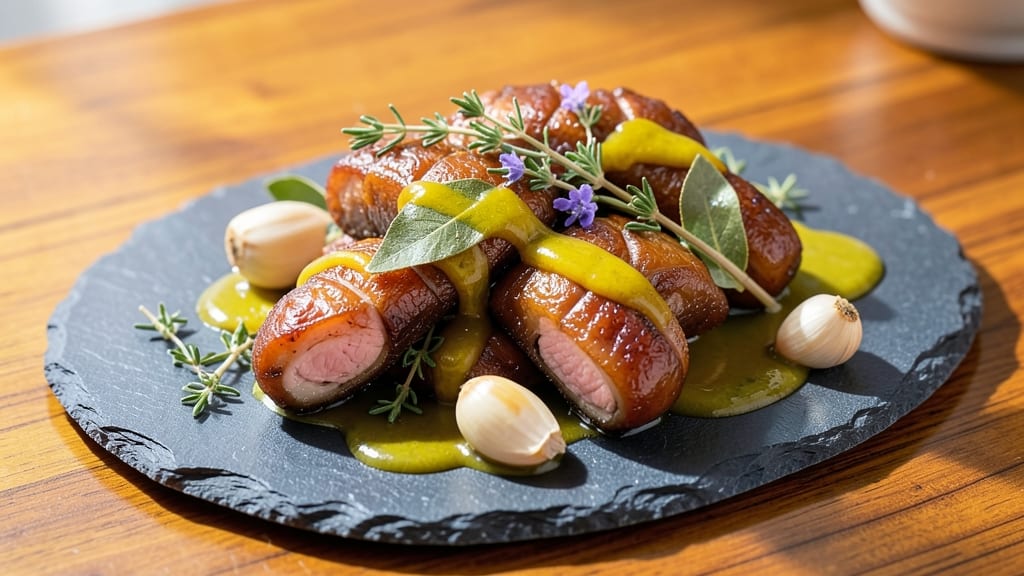
Boiled chicken gizzards deliver herb-infused tenderness that transforms tough offal into a restaurant-worthy dish—something I perfected after years of working with whole poultry at The Smoky Pig. The secret lies in proper preparation: scoring the gizzards and simmering them just until the meat becomes fork-tender, never rubbery.
This method preserves their natural flavor while creating a texture that’s surprisingly delicate.
What sets this recipe apart is the 20-minute cook time—far faster than traditional methods—while still achieving that melt-in-your-mouth result. I use a simple blend of garlic, thyme, and bay leaf in the simmering liquid, which infuses the gizzards with aromatic depth without overpowering their earthy character.
The key is maintaining a gentle simmer; rushing the process leads to tough, chewy results.
By the time you plate these gizzards, you’ll have a dish that’s rich in flavor and satisfying in texture—perfect for serving with buttery mashed potatoes, crusty bread, or a tangy dipping sauce.
The herbs elevate the natural taste of the gizzards, making them a standout centerpiece for any meal. Here’s how to achieve that professional-quality tenderness at home.
This recipe draws from my time apprenticing under Master Chef Chen, where I learned that even the simplest cuts of poultry can become extraordinary with the right technique.
Serve these gizzards as a main course or as part of a larger spread, and you’ll impress guests with a dish that feels both rustic and refined.
Ingredients for boiled chicken gizzard
Herb-infused aromatics and proper prep transform tough gizzards into melt-in-your-mouth perfection.
| Ingredient | Amount | Notes |
|---|---|---|
| Fresh Chicken Gizzards 🍗 | 1 ½ lb | Cleaned, scored for tenderness |
| Garlic Cloves 🧄 | 4 cloves | Peeled, lightly smashed |
| Fresh Thyme Sprigs 🌿 | 4 whole | Stems intact for infusion |
| Bay Leaves 🌿 | 2 whole | Dried, high-quality |
| White Wine Vinegar 🍷 | ¼ cup | For bright acidity |
| Olive Oil 🫒 | ½ cup | Extra-virgin for richness |
| Salt 🧂 | 1 ½ tsp | Diamond Crystal kosher |
| Black Peppercorns 🌶️ | ½ tsp | Freshly cracked |
| Water 💧 | 4 cups | Filtered, room temperature |
| Lemon Juice 🍋 | 1 tbsp | Freshly squeezed |
| Fresh Parsley 🌿 | ¼ cup | Chopped, for garnish |
| Unsalted Butter 🧈 | 2 tbsp | Cold, for finishing |
The gizzards are the star—look for bright red, moist ones at your butcher or poultry counter. Whole Foods or local farms often carry the freshest cuts, but even the supermarket variety works if they're plump and firm. I always score them with a sharp knife (a crosshatch pattern on the fat cap) before boiling—this ensures even cooking and tenderness. If you're feeling fancy, ask your butcher to clean them for you, but a quick rinse and pat dry works in a pinch. The thyme and bay leaves should be vibrant and aromatic—no dusty, old jars here. Penzeys or your grocery store's bulk section are great for fresh herbs.
No fresh thyme? Dried works at half the amount, but the flavor won't be as bright. White wine vinegar giving you pause? Apple cider vinegar or lemon juice both work—just reduce to 1 tbsp if using lemon. The olive oil should be extra-virgin and fruity—none of that cheap cooking oil. If you're short on time, butter can replace half the olive oil for richness. The parsley is purely decorative, but it adds a fresh pop of color that makes the dish feel restaurant-worthy. Skip it if you're in a rush, but trust me, it's worth the extra minute.
These gizzards reheat beautifully—just 5 minutes in a skillet with butter brings them back to life. Store leftovers in the fridge for 3 days or freeze for 3 months in an airtight container. I like to portion them into single servings so they're ready for quick meals. For extra flavor, toss them with a little of the cooking liquid before reheating. The herbs infuse deeply, so every bite stays aromatic and tender.
Why You'll Love This Recipe
- No-Fuss Cooking: Honestly, the prep is so simple—just score those gizzards, toss them in garlic and thyme, and sear them for a few minutes. No fancy prep, no peeling mountains of veggies. The real magic happens in the simmer, but even that’s foolproof once you get the gentle boil down.
- Herb-Infused Magic: The way the fresh thyme sprigs and bay leaves seep into the meat while simmering? That’s not just flavor—it’s like a cozy hug for your taste buds. The white wine vinegar and lemon juice finish give it that bright, complex depth that makes you forget gizzards are even supposed to be this good.
- Leftovers That Last: Three days in the fridge? No problem. I double this recipe for game day and still have enough for lunch the next week. The butter-lemon sauce clings to the gizzards even after chilling, so reheating is a breeze—just pop them in a pan with a splash of water, and they’re ready in minutes.
- Budget’s Best Kept Secret: Forget expensive cuts—this recipe turns 1.5 pounds of chicken gizzards into a dish that feels like a splurge. The olive oil and butter elevate it, but the real win? You’re paying pennies per serving for something that tastes like a restaurant special. My picky teen even asks for seconds.
Step-by-step instructions for herb-infused boiled chicken gizzards
Here’s how to transform tough gizzards into melt-in-your-mouth bites using just a few aromatic ingredients.
Score and Season the Gizzards for Maximum Tenderness
Begin by scoring the 1.5 lb fresh chicken gizzards in a crosshatch pattern on both sides using a sharp knife. This creates small slits that allow the herbs and seasonings to penetrate deeply, ensuring even cooking and tenderness. Work quickly—exposing the meat too long can dry it out.
In a large bowl, combine the gizzards with 4 cloves peeled garlic cloves, 4 whole fresh thyme sprigs, 2 whole bay leaves, 1.5 tsp salt, and 0.5 tsp freshly cracked black peppercorns. Toss gently to coat, making sure the garlic and herbs nestle into the scored lines. Here’s the thing—this step is critical. The herbs infuse flavor directly into the meat, while the scoring guarantees they don’t just sit on top.
Sear the Gizzards in Olive Oil for Depth of Flavor
Heat 0.5 cup olive oil in a large, deep skillet over medium-high heat until shimmering but not smoking. Add the seasoned gizzards in a single layer and sear for 2-3 minutes per side until golden brown. You’re not cooking them through—just creating a flavorful crust. If the oil smokes excessively, reduce the heat slightly. The goal is to develop color and aroma without burning the delicate meat.
Once seared, transfer the gizzards to a plate and set aside. In the same skillet, add the 0.25 cup white wine vinegar and scrape up any browned bits from the bottom. Let it simmer for 1 minute until the vinegar reduces slightly and the aroma intensifies. This step extracts maximum flavor from the searing process, which will later infuse the boiling water.
Simmer Gently in Herb-Infused Water for Perfect Texture
Pour the 4 cups water into the skillet with the reduced vinegar and bring to a gentle simmer over medium-low heat. The water should bubble softly but not boil vigorously—this prevents the gizzards from toughening. Add the gizzards back into the skillet, along with their searing juices, and cover tightly with a lid.
Simmer for 15-18 minutes, checking occasionally to ensure the water doesn’t boil too hard. You’ll know they’re done when the gizzards are fork-tender and the meat pulls away from the bones easily. Here’s the moment that matters: if the water boils too vigorously, the gizzards will toughen. Keep the heat low and steady—this is how you guarantee tenderness.
Finish with Lemon and Butter for Brightness and Richness
Once tender, remove the gizzards from the pot and transfer them to a serving platter. Stir the 1 tbsp lemon juice and 2 tbsp cold unsalted butter into the remaining cooking liquid, letting the butter melt and emulsify. This step adds a luxurious finish—bright acidity from the lemon cuts through the richness of the butter, balancing the dish.
Drizzle the gizzards with the lemon-butter sauce and garnish with 0.25 cup chopped fresh parsley. Serve immediately while the sauce is still warm and clings to the meat. The result? Gizzards that are impossibly tender, infused with herbs and finished with a silky, flavorful sauce. This is the kind of dish that turns tough cuts into something truly special.
Pro Tips For Making Boiled Chicken Gizzard
- Don’t Rush the Scoring: Those crosshatch cuts on the gizzards aren’t just for looks—they’re how the garlic and thyme actually get inside. I used to half-ass this step, and the herbs just sat on top like sad garnish. Take your time, and make those slits deep enough so the meat absorbs the flavor, not just gets dusted with it.
- Sear in Batches: If you crowd the pan, the gizzards will steam instead of brown, and you’ll end up with bland, pale meat. I learned this after the first batch where I shoved them all in—now I sear in two rounds if needed. A single layer, 2-3 minutes per side, until golden. That crust is what carries the flavor through the whole dish.
- Keep the Vinegar Moving: After searing, don’t just dump the vinegar and walk away. Let it bubble for that full minute, scraping up the browned bits stuck to the pan. That’s where half the flavor lives. I skipped this once and the broth tasted flat—like I’d missed the whole point.
- Butter Last, Cold First: Tossing in the butter while it’s still cold ensures it melts into a glossy sauce instead of turning greasy. Stir it in with the lemon juice after the gizzards are out, and let the residual heat emulsify it. Trust me, the difference between a sauce that clings and one that slides off is just this one move.
Flavor customization for these flavors
Spicy Heat Infusion
Add 1 tsp Penzeys cayenne pepper and ½ tsp smoked paprika to the seasoning blend before simmering. The cayenne brings a gentle kick while the paprika adds depth. For extra heat, increase the cayenne to 1½ tsp—but watch the sauce closely to avoid overpowering the herbs.
I like to finish with a drizzle of hot honey (like Honeyville) for a sweet-spicy balance. This Southern-inspired twist reminds me of the spicy sides I’d eat at my grandmother’s table in Georgia. 🌶️
Creamy Garlic Butter
Swap the lemon juice for 2 tbsp heavy cream and reduce the butter to 1 tbsp. Stir in 2 minced garlic cloves and a pinch of red pepper flakes while melting the butter. This rich, velvety sauce coats the gizzards beautifully and pairs perfectly with crusty bread.
I often use this version when I want to impress guests with a restaurant-worthy finish. The cream adds a luxurious mouthfeel that makes the dish feel special. 💛
Herb-Infused Oil Drizzle
After simmering, strain the cooking liquid through a fine-mesh sieve and let it cool. Infuse ¼ cup olive oil with 2 sprigs fresh thyme and 1 crushed bay leaf for 1 hour at room temperature. Strain again and drizzle over the gizzards for an aromatic finish.
This technique elevates the dish with subtle herbal notes without altering the natural flavor. I use this method when I want to keep the dish light but flavorful—like a Southern brunch dish. ✨
Asian-Inspired Glaze
Finish the gizzards with a glaze of 1 tbsp soy sauce, 1 tsp sesame oil, and ½ tsp grated ginger. Simmer these ingredients in the cooking liquid for 2 minutes before drizzling. Garnish with toasted sesame seeds and sliced green onions for a quick Asian twist.
This version feels fresh and unexpected, perfect for a weeknight dinner. It’s the kind of fusion dish I love experimenting with when I’m craving something new. 🌟
Smoky Chipotle Kick
Add 1 minced chipotle pepper in adobo (from a jar) to the simmering liquid along with the vinegar. The smoky, spicy notes from the chipotle add complexity that pairs wonderfully with the herbs. For extra smokiness, sprinkle ½ tsp smoked salt over the gizzards before serving.
This variation reminds me of the bold flavors I learned from Master Chef Chen in Charleston—simple ingredients transformed into something extraordinary. 🔥
Nutrition facts
Frequently asked questions
Why do you score the chicken gizzards before boiling?
Scoring creates tiny slits that let herbs and seasonings penetrate deeply, ensuring even cooking and maximum tenderness. Without scoring, the gizzards can stay tough even after simmering—this step guarantees they become fork-tender in just 15-18 minutes. It's the secret to transforming tough offal into melt-in-your-mouth bites!
Can I skip the searing step?
Yes, but you’ll miss out on that delicious golden crust and deepened flavor. The searing step in 0.5 cup olive oil for 2-3 minutes per side adds richness and helps extract flavor from the browned bits. For a quicker version, just skip the sear and add the gizzards directly to the simmering liquid—but the texture won’t be quite as luxurious.
What happens if I boil the gizzards too hard?
If the water boils vigorously, the gizzards will toughen instead of becoming tender. Keep the heat on medium-low for a gentle simmer—just enough to see soft bubbles. You’re aiming for a 15-18 minute cook time, not a rolling boil. This gentle treatment is what makes the difference between chewy and silky-smooth results.
How do I reheat these gizzards without drying them out?
Reheat gently in a skillet with 1 tbsp butter over low heat for 5 minutes, stirring occasionally. This keeps them moist and allows the butter to re-emulsify with any leftover sauce. Avoid microwaving—it makes them rubbery. The butter finish is what brings back that restaurant-quality texture!