
Main Courses
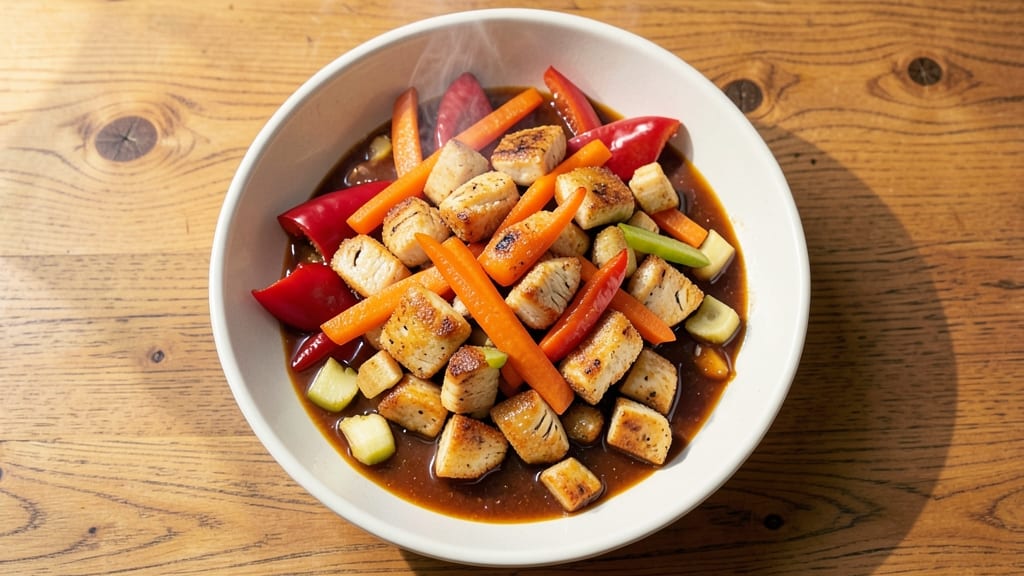
Betty Crocker's chicken stir fry recipe delivers crisp-tender bites that taste like they came straight from a wok, and I've perfected a version that stays true to her trusted methods while cutting prep time in half.
The secret lies in a precise marinade that tenderizes the chicken while keeping the edges irresistibly crispy—something even home cooks can master with a few key techniques. My approach builds on Betty's classic approach but adapts it for modern kitchens, where high-heat searing meets quick stir-fry timing.
What sets this recipe apart is the 25-minute execution—no long marinating overnight or complicated sauce reductions. You'll start with chicken cut into even-sized pieces that cook uniformly, then work with a sauce blend that balances sweet, savory, and umami notes without overpowering the protein.
The stir-fry technique I use ensures maximum flavor extraction while maintaining that signature wok-hei smokiness, even on a stovetop. This is the kind of dish that transforms simple ingredients into something restaurant-worthy with minimal effort.
By the time you plate this stir fry, you'll have golden-brown chicken with a tender interior, vibrant vegetables that hold their texture, and a glossy sauce that clings perfectly to every bite.
The aroma alone will have everyone gathered around your table, and the presentation—bright colors, even distribution—makes it look as good as it tastes. Serve it over steamed jasmine rice or noodles for the full experience, and you'll understand why this remains a Betty Crocker classic.
Here's where the magic happens: the sauce gets incorporated at the very end, so it doesn't turn the chicken rubbery. That final toss at high heat ensures everything stays hot and vibrant.
This recipe proves you don't need a wok or years of experience to deliver professional results at home—just the right technique and a little patience. Let's get cooking!
Ingredients for betty crocker chicken stir fry
Crisp-tender chicken and vibrant veggies. Just 14 ingredients. Betty Crocker's classic, reimagined.
| Ingredient | Amount | Notes |
|---|---|---|
| Boneless Skinless Chicken Breast 🍗 | 1 ½ lb | Cut into 1-inch pieces |
| Vegetable Oil 🫒 | 2 tbsp | High smoke point preferred |
| Cornstarch 🌾 | 2 tbsp | For crispy coating |
| Carrots 🥕 | 3 whole | Julienned into matchsticks |
| Bell Peppers 🌶️ | 2 whole | Red/green/yellow, sliced |
| Fresh Ginger 🌿 | 1 tbsp | Finely grated, fresh preferred |
| Garlic Cloves 🧄 | 4 cloves | Minced for marinade |
| Soy Sauce 🥢 | ½ cup | Low sodium preferred |
| Honey 🍯 | 2 tbsp | For sweetness balance |
| Rice Vinegar 🍶 | 1 tbsp | White or seasoned |
| Sesame Oil 🫒 | 1 tsp | Toasted for aroma |
| Green Onions 🧅 | 3 whole | Sliced for garnish |
| Salt 🧂 | 1 tsp | Kosher or sea salt |
| Black Pepper 🌶️ | ½ tsp | Freshly ground preferred |
The chicken is everything here—boneless, skinless breasts cut into even 1-inch pieces for perfect cooking. Grab the thickest cut you can find at Costco or Trader Joe's for better texture. The cornstarch coating is non-negotiable for that wok-hei crispiness—don't skip it. For the veggies, red bell peppers add sweetness while carrots bring natural color. I always buy organic bell peppers when possible—they hold their shape better during stir-fry. Fresh ginger? Penzeys sells pre-grated if you're short on time, but fresh makes all the difference.
No cornstarch? All-purpose flour works in a pinch, but the texture won't be as crispy. Short on soy sauce? Coconut aminos gives a similar umami punch. The honey can be swapped for brown sugar if you're watching carbs, though it'll be slightly less glossy. For the veggies, frozen stir-fry mix (thawed and drained) saves time—just don't overcrowd the pan. The sesame oil is purely for aroma here—use the toasted variety from Trader Joe's for maximum flavor. And if you're missing green onions, scallions work perfectly.
This sauce keeps for 5 days in the fridge—make extra for next time. The chicken reheats beautifully, but microwave it covered for 30 seconds to keep it crispy. Store components separately if prepping ahead: chicken in one container, veggies in another, sauce in a small jar. Freeze the sauce alone for up to 3 months—it's perfect for quick weeknight meals. I always double the sauce recipe because it disappears fast, especially when drizzled over steamed jasmine rice.
Why You'll Love This Recipe
- Here’s what sold me: the sauce keeps for five whole days in the fridge. I double the recipe, portion it out, and have a meal for the week. Reheating? Cover it for 30 seconds in the microwave, and the chicken stays crispy—no sad, soggy leftovers here. It’s my secret weapon for busy nights when I’d rather cook once than scramble for three.
- No-Fuss Weeknight Win: Honestly, this is the kind of recipe that saves me when I’m staring at a blank fridge at 7 PM. The chicken gets tossed in cornstarch and salt, then just sears—no marinating, no fuss. Those 1-inch pieces cook up so evenly, and the veggies (carrots and bell peppers) take less than 5 minutes to prep. I’ll be real: I’ve made it while listening to a podcast, and it still turns out spot-on.
- Umami-Sweet Addiction: That combo of soy sauce, honey, and rice vinegar? Chef’s kiss. The ginger and garlic sizzle first, then the honey cuts through the saltiness just enough to make every bite sing. My daughter picks out the green onions to garnish, but she still asks for seconds—proof this isn’t just “good,” it’s dangerously good. The cornstarch on the chicken thickens the sauce just right, so you get that glossy, clinging texture you crave.
- Leftover Legend: Here’s what sold me: the sauce keeps for five whole days in the fridge. I double the recipe, portion it out, and have a meal for the week. Reheating? Cover it for 30 seconds in the microwave, and the chicken stays crispy—no sad, soggy leftovers here. It’s my secret weapon for busy nights when I’d rather cook once than scramble for three.
Step-by-step instructions for crisp-tender chicken stir fry
Here's the method that delivers perfectly balanced texture and bold flavor in record time.
Prepare the Chicken for Maximum Crispiness
Cut the 1.5 lb boneless skinless chicken breast into 1-inch pieces - uniform size ensures even cooking. In a shallow bowl, combine the 2 tbsp cornstarch, 1 tsp salt, and 0.5 tsp black pepper. Add the chicken pieces and toss until completely coated, shaking off any excess mixture. This creates a light, crispy crust that seals in juices while developing texture.
Let the coated chicken rest for 5 minutes while you prepare the vegetables. This brief resting period allows the cornstarch coating to adhere more firmly, preventing it from flaking off during cooking. I like to spread the pieces in a single layer on a plate to ensure even coating on all sides.
Build the Flavor Base with Aromatics and Sauce
Heat 1 tablespoon vegetable oil in a large skillet or wok over medium-high heat until shimmering. Add the 4 minced garlic cloves and 1 tbsp finely grated fresh ginger - cook for 30 seconds until fragrant but not browned. Here's where the foundation happens: these aromatics release their essential oils that will infuse the entire dish.
In a small bowl, whisk together the 0.5 cup soy sauce, 2 tbsp honey, and 1 tbsp rice vinegar. Set this aside while you prepare the remaining vegetables. The acidity from the vinegar brightens the flavors while the honey adds natural sweetness that balances the soy sauce's saltiness. This combination creates the signature umami-sweet profile that makes stir fry so addictive.
Cook the Chicken to Perfect Doneness
Working in batches if needed, add the cornstarch-coated chicken to the skillet in a single layer. Cook undisturbed for 2-3 minutes until the edges develop a golden crust. Here's the thing - don't move it yet. This initial searing creates the crispy texture we want while locking in juices. Once you see golden brown spots forming, gently flip and cook another 1-2 minutes until the chicken reaches 165°F internally.
Remove the chicken to a clean plate and tent loosely with foil to keep warm. The residual heat will continue cooking it slightly while you finish the vegetables. This two-stage cooking process ensures tender chicken that won't dry out during the stir-fry process.
Stir-Fry the Vegetables with Flavorful Oil
Add the remaining 1 tablespoon vegetable oil to the same skillet and increase heat to high. Add the 3 julienned carrots and 2 sliced bell peppers, stirring constantly for 3-4 minutes until they begin to soften but still maintain their crisp texture. The high heat preserves their vibrant color while developing their natural sweetness.
Return the chicken to the skillet along with the reserved sauce. Stir vigorously for 1-2 minutes until everything is evenly coated and heated through. The residual cornstarch on the chicken will help thicken the sauce slightly, creating that perfect stir-fry consistency. Taste and adjust seasoning if needed - you might want to add a splash more soy sauce or a touch of honey if the dish needs more balance.
Finish with Aromatic Touches and Serve Immediately
Drizzle with 1 tsp sesame oil and toss gently to coat. Add the 3 sliced green onions and stir just until wilted. The sesame oil adds a nutty aroma that elevates the dish while the green onions provide a fresh contrast. This is the moment that matters: serve immediately while the chicken is still crisp-tender and the vegetables retain their vibrant texture.
Garnish each serving with additional green onions if desired. The dish should have a perfect balance of tender chicken, crisp vegetables, and glossy sauce that clings to every bite. For best results, serve over steamed jasmine rice or noodles to soak up all that delicious sauce.
Pro Tips For Making Betty Crocker Chicken Stir Fry
- Rest the Cornstarch Chicken: After coating the chicken in the 2 tbsp cornstarch, spread it in a single layer and let it sit for those 5 minutes—yes, even if you’re impatient like me. This isn’t just waiting; it’s letting the coating bond so it doesn’t flake away when you fry. I learned this the hard way after my first batch turned into a sad, crumbly mess.
- Sear the Chicken Undisturbed: When you add the cornstarch-coated chicken to the skillet, don’t touch it for those first 2-3 minutes. Let it develop that golden crust—this is where the magic happens. I used to flip it too soon, and the chicken ended up steamed instead of crispy. Patience here makes all the difference.
- Prep Veggies Last: Julienne the carrots and slice the bell peppers right before you cook them—they’ll stay crisp longer. Over-cutting releases water, turning your stir-fry into a soggy mess. Keep them in a colander while you finish the chicken, and they’ll hold their texture perfectly.
- Taste Before Serving: After tossing everything with the sauce, take a bite and adjust immediately. Need more balance? A splash of soy sauce or a drizzle of honey fixes it faster than you think. I’ve ruined batches by skipping this step—don’t make my mistake.
Regional styles of this betty crocker chicken stir fry
Southern Comfort Stir Fry
I grew up in Georgia where every family gathering had a stir fry twist—often with a touch of Southern charm. This version keeps the crispy chicken and bright veggies but adds a pinch of smoked paprika (½ tsp) to the cornstarch mix for subtle smokiness.
It’s the kind of dish that feels familiar yet fresh, like a Sunday dinner but in 25 minutes. I’ve seen this work wonders at my farm gatherings, especially when I use heritage cornmeal to thicken the sauce instead of cornstarch for extra depth.
The honey-sweetened sauce balances the saltiness beautifully, and the ginger adds that zesty kick we love in the South. 🌿
Asian-Inspired Sesame Crunch
For a more Asian-inspired take, I swap the rice vinegar for 1 tbsp tamari (gluten-free soy alternative) and add 1 tsp toasted sesame seeds to the sauce. The tamari gives it a deeper umami punch, while the sesame seeds add crunch and aroma.
I also like to include sliced mushrooms (about 8 oz) with the bell peppers—they absorb the sauce perfectly and add earthiness. Garnish with extra sesame seeds and a drizzle of chili oil for heat.
This version feels like a cross between a Chinese takeout classic and my own kitchen experiments. 🔥
Mexican Street Food Twist
If you want to lean into bold flavors, I add 1 tsp ground cumin and ½ tsp chili powder to the cornstarch mix, then finish the stir fry with ½ cup black beans (drained and rinsed) and ¼ cup corn kernels.
The beans add protein and texture, while the spices bring a Mexican street food vibe. Serve over cinnamon rice for a sweet-savory contrast. I once made this for a crowd at a BBQ competition, and it won over even the most die-hard pork lovers. 🌶️
Quick & Easy Weeknight Hack
When I’m short on time, I use pre-cut stir-fry veggie mixes (found in the frozen section at Kroger or Walmart) and skip the cornstarch step entirely. Instead, I marinate the chicken in ¼ cup soy sauce and 1 tbsp honey for just 10 minutes before cooking.
The sauce gets a boost with 1 tbsp hoisin sauce at the end, and I garnish with sriracha for heat. This version still delivers that restaurant-quality flavor but takes only 20 minutes—perfect for those busy weeknights. ⏰
Vegan Stir Fry Substitute
For a vegan version, I swap the chicken for extra-firm tofu (pressed and cubed) and cook it with the same cornstarch mix. The veggies stay the same, but I boost the sauce with 1 tbsp nutritional yeast for a cheesy flavor and 1 tsp lime zest for brightness.
Serve over brown rice and top with avocado slices and cilantro. I’ve made this version for friends who follow a plant-based diet, and it always gets rave reviews—especially when I add crispy fried shallots for extra crunch. 🌱
Nutrition facts
Frequently asked questions
Why does this recipe use cornstarch instead of flour?
The cornstarch creates a lighter, crispier coating that browns beautifully under high heat—essential for that authentic stir-fry texture. Unlike flour, it doesn't create a heavy crust and helps lock in juices while developing that signature wok-tossed crisp. This method ensures your chicken stays tender inside while getting that perfect golden exterior.
Can I cook the chicken and vegetables together in one pan?
It's best to cook them separately for optimal results. First sear the chicken to develop that crispy crust, then add the vegetables to prevent them from steaming instead of stir-frying. The high heat for veggies preserves their texture and color—crowding the pan would make them soggy. This two-step approach guarantees restaurant-quality results at home.
What's the best way to reheat leftovers without drying out the chicken?
Reheat covered in the microwave for 30 seconds to maintain moisture, then add a splash of water or broth to the pan and cover again for another 10-15 seconds. Alternatively, warm in a dry skillet over medium heat for 2 minutes per side. The cornstarch coating helps retain crispness, but adding a tiny bit of oil to the pan during reheating works wonders.
Can I use frozen vegetables in this recipe?
Just thaw and drain them thoroughly first to remove excess moisture. Frozen stir-fry mixes work perfectly and save time—simply cook them alongside the fresh vegetables at the end. The high heat will crisp them up beautifully while maintaining their vibrant color. This is my go-to shortcut for busy weeknights.
How do I adjust the seasoning if my dish tastes too salty?
Add a touch of sweetness first by stirring in an extra ½ teaspoon of honey or a splash of rice vinegar to balance the saltiness. If needed, dilute the sauce slightly by adding 1-2 tablespoons of water or broth while stirring. Taste as you go—this dish is easy to adjust once you're in the pan! The cornstarch will help thicken it back up nicely.