
Main Courses
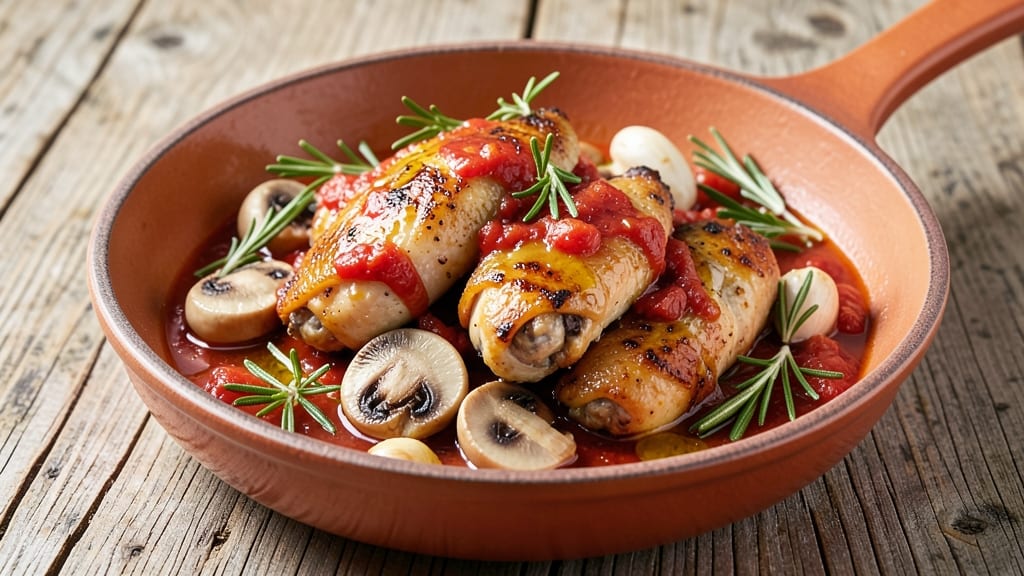
Betty Crocker's chicken cacciatore recipe delivers the kind of tomato-braised richness that transforms simple weeknight dinners into restaurant-worthy meals. 💛 Growing up in small-town Georgia, I learned how slow-cooked tomato sauces elevate humble ingredients—this dish is proof of that principle in action.
The secret lies in properly browning the chicken first, which builds deep flavor before the sauce even comes into play.
This classic Italian dish combines tender chicken with a herb-infused tomato sauce that simmers until thick and aromatic. The process requires just 30 minutes of active prep, followed by 45 minutes of hands-off simmering, making it perfect for busy weeknights.
You'll need chicken thighs or breasts, canned tomatoes, olives, mushrooms, and a splash of wine to create that signature depth of flavor.
By the time you serve it, you'll have perfectly browned chicken swimming in a velvety red sauce with crisp-tender mushrooms and briny olives. The aroma alone will have everyone gathering at the table—it's the kind of dish that tastes even better the next day, when flavors have fully melded.
Serve over pasta or polenta to soak up every last drop of that rich, herby sauce.
What makes this recipe especially foolproof is the layering of flavors—starting with the chicken, then building the sauce through caramelized aromatics and acidity from the tomatoes. The result is a dish that feels authentically Italian while remaining approachable for home cooks. Let's get started on creating this timeless classic!
Ingredients for betty crocker chicken cacciatore
Classic Italian flavors come together with just a few quality ingredients for this restaurant-style dish.
| Ingredient | Amount | Notes |
|---|---|---|
| Boneless, Skinless Chicken Thighs 🍗 | 1 ½ lb | Cut into 1-inch pieces for even cooking |
| Dry White Wine 🍷 | ½ cup | Sauvignon Blanc or Pinot Grigio preferred |
| Canned San Marzano Tomatoes 🍅 | 2 cups | Crushed by hand for texture |
| Chicken Broth 💧 | ½ cup | Low-sodium preferred for balance |
| Fresh Garlic Cloves 🧄 | 4 cloves | Minced for aromatic base |
| Fresh Rosemary 🌿 | 2 tbsp | Chopped, stems removed |
| Fresh Thyme 🌿 | 1 tbsp | Leaves only, finely chopped |
| Pitted Kalamata Olives 🫒 | ½ cup | Sliced for briny contrast |
| White Mushrooms 🍄 | 8 oz | Sliced into 1/4-inch pieces |
| Extra-Virgin Olive Oil 🫒 | 2 tbsp | For searing chicken |
| All-Purpose Flour 🌾 | 2 tbsp | For dredging chicken |
| Diamond Crystal Kosher Salt 🧂 | 1 ½ tsp | Adjust to taste |
| Freshly Ground Black Pepper 🌶️ | ½ tsp | Cracked peppercorns preferred |
| Red Pepper Flakes 🌶️ | ½ tsp | Optional for subtle heat |
| Fresh Parsley 🌿 | 2 tbsp | Chopped, for garnish |
The chicken thighs are the foundation—look for well-marbled pieces from the butcher section at Whole Foods or your local market. Freshness matters here: the thighs should be plump with a slight rosy hue, not graying at the edges. For the tomatoes, San Marzano cans are non-negotiable—their sweetness and low acidity create that velvety texture. If you can't find them, Muir Glen is a solid backup. The olives should be plump and briny, not dried out. Trader Joe's carries excellent Kalamata olives at a reasonable price. Fresh herbs are crucial for that bright Italian flavor profile—don't substitute dried unless absolutely necessary, as they lack the complexity.
No white wine? Substitute with extra chicken broth—just reduce the broth by 2 tbsp to maintain balance. Fresh thyme unavailable? Use dried at one-third the amount, but toast it first in a dry pan for 30 seconds to wake up the flavors. For mushrooms, cremini or shiitake work beautifully if you want more earthiness. The flour is purely for dredging—lightly coat the chicken pieces before searing to prevent sticking. If you're short on time, pre-sliced mushrooms from the grocery store work fine, though they lose some texture. For the olive oil, avoid the cheap bottled kind—look for California extra-virgin with a fruity aroma. The red pepper flakes are optional but recommended for that signature Italian heat.
This dish tastes even better the next day as flavors meld—portion into airtight containers and store for up to 5 days in the refrigerator. For longer storage, freeze in single portions for up to 3 months. The sauce thickens as it cools, so you may need to add 1-2 tbsp water or broth when reheating. To serve, garnish with fresh parsley just before eating—it adds a bright pop of color and freshness. The sauce pairs beautifully with al dente spaghetti or creamy polenta, both of which will soak up every last bit of that rich, herby sauce.
Why You'll Love This Recipe
- One-Pot Magic: I love that this recipe turns a single Dutch oven into my shortcut to dinner. No last-minute scrubbing of multiple pans—just sear the chicken, dump in the herbs and tomatoes, and walk away. The flour step takes 30 seconds to coat those browned bits, and suddenly you’ve got a sauce that’s already halfway done.
- Herb-Infused Powerhouse: The rosemary and thyme don’t just sit there—they sing in this dish. Those 2 tablespoons of fresh rosemary and 1 tablespoon of thyme infuse the sauce while the mushrooms soften, creating a depth of flavor that’s impossible with dried herbs. The garlic, too, gets that perfect balance of aroma without overpowering.
- Leftovers That Rule: Between us, this is my secret weapon for busy days. The flavors get better the next day, so I’ll make a big batch on Sunday and freeze portions. I pull one out for weeknight dinners or even meal prep lunches. That 0.5 cup of chicken broth and San Marzano tomatoes make it hearty enough to stretch for days without tasting like leftovers.
- Budget-Friendly Luxury: I’m always surprised how affordable this is. A 1.5 lb chicken thigh pack, a bottle of wine, and a can of San Marzano tomatoes (which last forever) make this feel like a restaurant meal without the price tag. The olives and mushrooms add that fancy touch, but honestly? The dish tastes like you spent all day on it—even though it’s really just 45 minutes of hands-on time.
Step-by-step instructions for betty Crocker chicken cacciatore
Here's the method for a deeply flavorful, herb-infused chicken cacciatore that delivers restaurant-quality results.
🍳 Step 1: Sear the Chicken for Maximum Flavor
Heat the 2 tablespoons extra-virgin olive oil in a large, heavy-bottomed Dutch oven over medium-high heat until shimmering. Working in batches to avoid crowding, add the 1.5 lb boneless, skinless chicken thighs cut into 1-inch pieces, pressing gently with a spatula to ensure even contact with the pan.
Sear for 4-5 minutes per side until the chicken develops a deep golden-brown crust. The reason for this initial sear is to create a flavorful crust that will later absorb the rich tomato-wine sauce. As you work, transfer the browned chicken to a plate and set aside. If the oil starts to smoke excessively, reduce the heat slightly to maintain control.
👨🍳 Step 2: Develop the Herb and Tomato Base
In the same Dutch oven, add 2 tablespoons all-purpose flour and stir vigorously with a wooden spoon for 30 seconds to coat the browned bits (fond) on the bottom. This creates a roux that will thicken your sauce. Immediately pour in the 0.5 cup dry white wine, scraping up all the browned bits as it deglazes. Let it simmer for 2-3 minutes until the wine reduces by half and the alcohol smell dissipates.
Add the 4 cloves minced fresh garlic cloves, 2 tablespoons chopped fresh rosemary, 1 tablespoon finely chopped fresh thyme, 0.5 cup sliced pitted kalamata olives, and 8 oz sliced white mushrooms. Stir well and cook for 5-6 minutes until the mushrooms release their moisture and begin to soften. Here's where the herbaceous notes develop—their aromatic oils infuse into the base, creating the signature cacciatore flavor profile.
🥘 Step 3: Build the Tomato-Wine Sauce
Pour in the 2 cups crushed canned San Marzano tomatoes and 0.5 cup chicken broth, stirring to combine. Add 1.5 teaspoons diamond crystal kosher salt, 0.5 teaspoon freshly ground black pepper, and 0.5 teaspoon red pepper flakes. Bring to a gentle simmer, then reduce heat to low and let it cook uncovered for 15-20 minutes, stirring occasionally. The sauce should thicken slightly as it reduces, developing a rich, velvety texture.
Return the seared chicken to the pot and spoon the sauce over it, ensuring each piece is coated. Cover and simmer for 20-25 minutes until the chicken is tender and the sauce has melded into a cohesive, flavorful braise. The chicken should be fork-tender with no resistance when pierced—this indicates it's fully cooked and ready to serve.
🔪 Step 4: Finish with Fresh Herbs and Garnish
Once the chicken is tender, remove the pot from heat and stir in the 2 tablespoons chopped fresh parsley. This final addition brightens the dish with freshness, cutting through the richness of the tomato and wine. Taste and adjust seasoning if needed—you may need to add a pinch more salt or pepper depending on your preference.
Let the cacciatore rest for 5 minutes before serving. This resting period allows the juices to redistribute, ensuring each bite is moist and flavorful. Serve hot over crusty bread or polenta, garnished with an additional sprinkle of fresh parsley for a pop of color and freshness. The dish should have a balance of tender chicken, briny olives, earthy mushrooms, and a rich, herbed tomato sauce.
Pro Tips For Making Betty Crocker Chicken Cacciatore
- CRUSH TOMATOS BY HAND: I used to just dump the San Marzano tomatoes straight from the can, but crushing them by hand—yes, even with your fists—releases their juices and breaks down the flesh into a silkier texture. The sauce thickens more naturally, and you’ll taste that difference in every spoonful.
- DON’T SKIP THE FLOUR COAT: That 2 tablespoons of flour isn’t just for thickening—it’s the secret to a glossy, velvety sauce. Stir it into the browned bits for 30 seconds before adding the wine, or you’ll end up with a thin, watery mess. Trust me, the extra 30 seconds now saves you from regret later.
- WATCH THE MUSHROOMS: Slice those mushrooms just before adding them to the pot—they oxidize fast and turn soggy if you prep them too early. Cook them for exactly 5-6 minutes until they soften but still hold their shape. Overcook them, and you’ll have a mushy, flavorless blob instead of earthy texture.
- REST THE CHICKEN PROPERLY: After searing, don’t pile the chicken back into the pot immediately—let it rest on a plate for a few minutes first. This keeps the juices inside the meat instead of leaking into the sauce when you add it back. Five minutes might feel like forever, but your fork-tender chicken will thank you.
Perfect pairings for this betty crocker chicken cacciatore
Crusty Bread Pairings
This cacciatore is made for crusty Italian bread like a rustic ciabatta or focaccia from your local bakery. The bread soaks up the rich tomato sauce beautifully while providing a satisfying contrast to the tender chicken.
I always grab a loaf from Charleston Market—their rosemary focaccia is perfect for this dish. Tear pieces by hand instead of slicing to maximize surface area for sauce absorption. 🍞
Polenta Perfection
For a heartier option, serve over creamy polenta made with 1 cup polenta flour and 4 cups whole milk, simmered until thick and smooth. The polenta's neutral base lets the cacciatore's flavors shine while adding a comforting texture.
I like to top it with a drizzle of extra-virgin olive oil and extra parsley before serving. This pairing feels especially cozy on chilly evenings.
Wine Complements
A crisp Pinot Grigio from Italy cleanses the palate between bites, balancing the dish's richness. I always reach for a bottle of Sassicaia—its bright acidity cuts through the tomato sauce beautifully.
For red wine lovers, a Chianti Classico with its earthy notes complements the mushrooms and herbs perfectly. Avoid heavy, tannic wines that will clash with the dish's acidity. 🍷
Beer Pairings
If you prefer beer, a dry Italian lager like Moretti works wonders—its crispness refreshes your palate. For something with more character, try a Belgian blonde ale with citrus notes that echo the dish's fresh herbs.
Skip the hoppy IPAs—they'll overpower the delicate balance of flavors in this cacciatore. A cold beer alongside makes the meal feel even more special.
Fresh Greens Accent
Toss a simple arugula salad with lemon zest and olive oil on the side to cut through the richness. The peppery greens provide a refreshing contrast to the hearty cacciatore. I like to add shaved Parmesan for extra depth. This light element makes the meal feel balanced and complete. 🥗
Garnish Elevations
Finish each plate with toasted breadcrumbs mixed with grated Pecorino Romano for a salty crunch. I also love adding fresh basil leaves for a vibrant pop of color and freshness.
These small touches turn a simple meal into something restaurant-worthy. The contrast of textures and flavors makes every bite more enjoyable.
Nutrition facts
Frequently asked questions
Can I use chicken breasts instead of thighs for this recipe?
Yes, but with a few adjustments. Chicken breasts cook faster, so cut them into 1-inch pieces and reduce the final simmering time to 15 minutes (instead of 20-25 minutes) to prevent drying out. For extra moisture, add 2 tablespoons chicken broth during the last 5 minutes of cooking.
What if I don't have white wine? Can I substitute something else?
Use 0.5 cup chicken broth + 1 teaspoon apple cider vinegar for acidity. For depth, add 1 teaspoon dried herbs (thyme/rosemary) to mimic wine's complexity. The dish will still taste rich and flavorful—just slightly less complex.
How can I make this dish ahead of time?
This recipe tastes even better the next day! Cool the cacciatore completely, then store in an airtight container in the fridge for up to 5 days. Reheat gently on the stove over low heat, adding 1-2 tablespoons water or broth if the sauce thickens too much. The flavors meld beautifully overnight.
Why is my sauce too thin? How can I fix it?
Simmer uncovered for an extra 10-15 minutes to reduce the sauce naturally. If it's still too thin, mix 1 tablespoon cornstarch with 2 tablespoons water, stir into the sauce, and simmer for 3-5 minutes until thickened. Avoid over-salting—this often makes sauces seem thinner.
Can I freeze this chicken cacciatore?
Yes! Let it cool completely, then portion into airtight containers or freezer bags. Freeze for up to 3 months. Thaw overnight in the fridge and reheat gently on the stove. The texture may change slightly, but the flavors remain rich and delicious.