
Soups & Stews
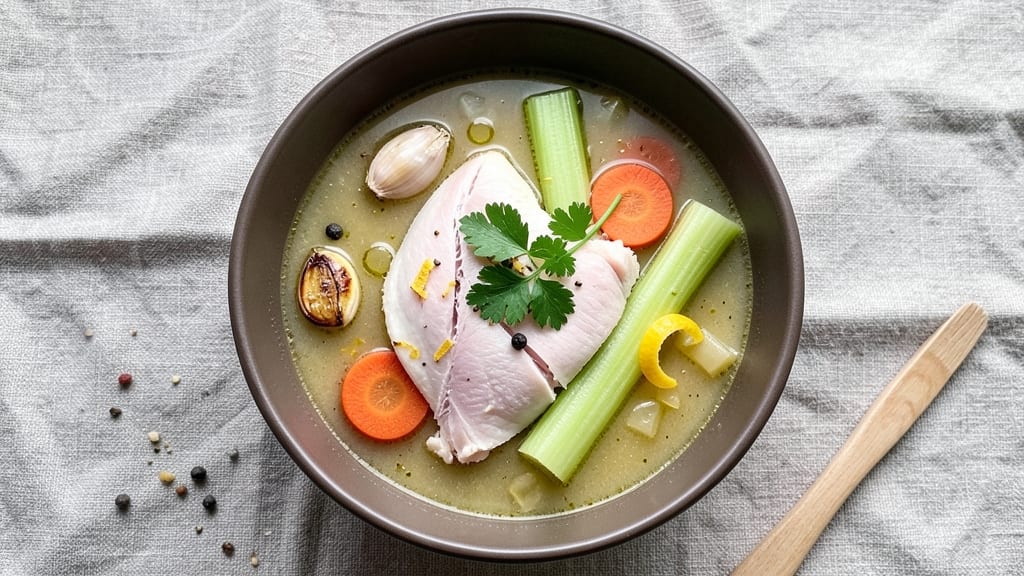
This basic chicken stock soup recipe delivers restaurant-quality comfort in just 30 minutes, transforming simple ingredients into a deeply flavorful bowl of warmth.
The secret lies in building umami-rich broth from scratch—whether you start with raw bones or high-quality store-bought stock—while balancing tender vegetables and protein for a harmonious bite.
I've perfected this version to be both approachable for beginners and impressive enough for dinner guests, proving that homemade soup doesn't require hours of simmering or expensive ingredients.
The foundation of great soup begins with flavor: simmered chicken stock forms the aromatic base, while onions, carrots, and celery create the classic mirepoix for sweet, earthy depth.
You'll add chicken breast for lean protein and a touch of cream (or coconut milk) to round out the texture—just enough richness without overpowering the broth's natural savoriness.
The beauty of this recipe is its flexibility; it scales effortlessly for a crowd or serves as a perfect light lunch for one.
What you'll achieve is a velvety, aromatic soup with tender chicken, vibrant vegetables, and a broth so flavorful it tastes like it's been simmering all day. The technique is straightforward but critical: proper straining removes impurities, while controlled simmering prevents bitterness.
Garnish with fresh herbs and a drizzle of olive oil for that final touch of sophistication. This is the kind of soup that warms both body and soul on chilly evenings.
Perfect for weeknight dinners, meal prep, or potlucks, this recipe delivers consistent results every time. Whether you're using homemade stock or store-bought, the method remains the same—focused on extracting maximum flavor with minimal effort. Let's get started on creating your perfect bowl of comfort.
Ingredients for basic chicken stock soup
Transform simple pantry staples into restaurant-worthy chicken stock soup with this umami-packed recipe.
| Ingredient | Amount | Notes |
|---|---|---|
| Chicken Breast 🍗 | 1 ½ lb | Boneless, skinless, cut into bite-sized pieces |
| Yellow Onion 🧅 | 1 whole | Medium size, diced |
| Carrots 🥕 | 3 medium | Peeled, cut into 1-inch chunks |
| Celery Stalks 🧄 | 3 whole | Trimmed, cut into 1-inch pieces |
| Garlic Cloves 🧄 | 4 cloves | Fresh, minced |
| Chicken Stock 💧 | 4 cups | Homemade or high-quality store-bought |
| Heavy Cream 🥛 | ¼ cup | Full-fat for richness |
| Fresh Parsley 🌿 | ¼ cup | Chopped, for garnish |
| Extra-Virgin Olive Oil 🫒 | 2 tbsp | For sautéing vegetables |
| Salt 🧂 | 1 ½ tsp | Diamond Crystal kosher salt |
| Black Pepper 🌶️ | ½ tsp | Freshly ground |
| Bay Leaf 🌿 | 1 whole | For depth of flavor |
| Dried Thyme 🌿 | ½ tsp | Or 1 tbsp fresh thyme |
The chicken stock is non-negotiable—it's the soul of this soup. Homemade stock delivers unmatched depth, but Kirkland Signature or Pacific Foods are my go-to store-bought options when time is tight. For the vegetables, fresh, firm carrots and celery are key; avoid anything rubbery or limp. The onion should be yellow or red—white lacks sweetness. If using raw chicken breast, pound it to even thickness for consistent cooking. Fresh garlic? Always. The difference in flavor is night and day compared to jarred minced garlic.
No heavy cream? Full-fat coconut milk works beautifully for a dairy-free version, though the texture will be slightly different. Short on time? Pre-chopped mirepoix mixes from Trader Joe's save you 10 minutes of prep. The bay leaf adds complexity—don't skip it. If you're using dried thyme, toast the spices in the olive oil for 30 seconds to wake up their flavors. For extra umami, add 1 tsp fish sauce or 1 tbsp soy sauce when simmering. And if your stock isn't salty enough, add chicken bouillon cubes instead of plain salt for deeper flavor.
This soup tastes even better the next day—reheat gently on low heat to preserve texture. Store leftovers in airtight containers for 4-5 days in the fridge or freeze for up to 3 months. For meal prep, double the batch and freeze in portion-sized containers. The garnish makes all the difference: fresh parsley plus a drizzle of olive oil adds color and freshness. If you're serving a crowd, consider making the broth ahead and assembling the soup just before serving to keep the vegetables crisp.
Why You'll Love This Recipe
- Pantry-Friendly Base: I swear by this soup because it uses what’s already lurking in my fridge—no fancy ingredients, just onion, carrots, celery, and garlic simmered until the broth is so rich it tastes like a hug. The chicken breast turns tender without falling apart, and honestly? That’s the magic.
- Umami Bomb: Between the caramelized onion and the garlic cloves roasted just until fragrant, this soup has depth that surprises me every time. The celery and carrots add natural sweetness, but it’s the slow-simmered chicken that makes it ridiculously satisfying—like a flavor upgrade without extra effort.
- Lunchbox Superstar: I make this on Sundays because it’s perfect for meal prep: the broth stays warm for days, and the veggies hold up in containers. Throw in some rice or noodles, and it’s a weeknight win—even my picky teenager asks for seconds. (Yes, even on a Tuesday night.)
- Budget Booster: A single chicken breast stretches into four servings, and the veggies cost pennies at the store. Freeze the leftovers in portions, and you’ve got an emergency dinner ready in minutes. Between us, this is how I feed my family without breaking the bank.
Step-by-step instructions for homemade chicken stock soup
This soup delivers restaurant-quality depth using simple pantry staples and precise technique.
Sauté the Vegetable Base
Heat the 2 tablespoons extra-virgin olive oil in a large pot over medium heat. Add the diced yellow onion, 1-inch carrot chunks, and 1-inch celery pieces all at once. Cook for 5-6 minutes, stirring occasionally, until the vegetables soften and begin to release their natural juices. You'll notice the onions turn translucent and the carrots develop a slight sheen.
This step builds the foundation of your soup's flavor. The vegetables should be tender but not browned—we're developing sweetness, not caramelization. If they start to stick, reduce the heat slightly and give them another minute to release moisture before continuing.
Add Aromatics and Seasonings
Push the vegetables to one side of the pot and add the 2 tablespoons extra-virgin olive oil to the empty space. Once the oil shimmers, add the 4 minced garlic cloves and cook for 30 seconds until fragrant—you'll smell that unmistakable garlic aroma that signals readiness.
Return the vegetables to the center, then add the 1.5 teaspoons salt, 0.5 teaspoon black pepper, 0.5 teaspoon dried thyme, and 1 whole bay leaf. Stir everything together and cook for 2 minutes to allow the spices to bloom and infuse the vegetables with their flavors. The thyme should release its earthy aroma and the bay leaf will contribute subtle pine notes to your broth.
Cook the Chicken
Add the 1.5 pounds chicken breast cut into bite-sized pieces to the pot. Cook for 5-6 minutes, stirring occasionally, until the chicken loses its raw pink color and begins to turn opaque. The pieces should be fully cooked through but still tender—you want them to finish cooking in the broth rather than becoming dry.
Here's where the magic happens: the chicken releases its natural juices into the pot, creating a flavorful base for your soup. If the chicken starts to brown too quickly, reduce the heat to medium-low to prevent overcooking. You'll know it's ready when the chicken releases easily from the pot and the juices run clear when pierced with a knife.
Simmer with Chicken Stock
Pour in the 4 cups chicken stock and bring the mixture to a gentle boil. Once boiling, reduce the heat to low and let it simmer uncovered for 15-20 minutes. You'll see the broth gradually deepen in color and develop a rich, aromatic steam. This simmering time allows all the flavors to meld together beautifully.
Taste the broth after 10 minutes of simmering. At this point, it should be flavorful but not overly salty. If needed, adjust the seasoning with additional salt or pepper. The bay leaf will continue to infuse the broth with its subtle pine flavor, so don't remove it until the very end.
Finish with Cream and Garnish
Remove the pot from heat and stir in the 0.25 cup heavy cream. The cream will immediately begin to melt into the hot broth, creating a velvety texture. Return the soup to low heat just until warmed through—about 2-3 minutes. The cream should be fully incorporated but not scrambled.
Ladle the soup into bowls and garnish each serving with 1 tablespoon chopped fresh parsley. The parsley adds a bright, fresh contrast to the rich, savory broth. Serve immediately while hot, with crusty bread on the side to soak up every last drop of that flavorful broth.
Pro Tips For Making Basic Chicken Stock Soup
- BROWN THE CHICKEN FIRST: I learned this the hard way—skipping the browning step leaves your soup tasting like hospital food. Cut the chicken breast into big chunks (no need to skin it), pat them dry, and sear them in a hot pot until golden on all sides before adding anything else. That crust is where all the flavor hides.
- CHOP VEGETABLES UNIFORM: My grandmother swore by this, and she was right: chop the onion, carrots, and celery into roughly the same size pieces (about ½-inch chunks). Celery stalks should be split lengthwise first—this keeps everything cooking at the same rate and prevents a mushy mess. (Yes, even if you’re impatient like me.)
- SIMMER, DON’T BOIL: After burning three batches of stock, I finally figured out the sweet spot: once everything’s in the pot, bring it to a gentle boil, then immediately lower the heat to a bare simmer. A rolling boil evaporates too much liquid and makes the stock cloudy. You want tiny bubbles breaking the surface, not a full-on geyser.
- SALT THE WATER LIBERALLY: Sounds weird, but it works: add 1–2 teaspoons of salt to the water before you start cooking. This seasoning carries through the broth, and you won’t have to play catch-up later. (Your future self will thank you—trust me.)
Troubleshooting this dish
Broth Too Weak?
If your soup tastes bland, it’s likely because the stock wasn’t concentrated enough. Simmer the broth uncovered for an extra 5-10 minutes to reduce it slightly, intensifying the flavor. For a quick fix, add 1 tsp fish sauce or ½ tsp soy sauce—these add umami depth without overpowering.
I’ve also found that a pinch of MSG (just ¼ tsp) works wonders for restoring richness. 💡
Vegetables Overcooked
If your carrots and celery turn mushy, you likely simmered too long. The vegetables should cook for just 15-20 minutes total—remove them from the broth 5 minutes before serving to keep them tender-crisp.
For extra control, blanch the veggies separately for 3 minutes, then add them back to the finished soup just before serving. 🥕
Chicken Too Tough
Overcooked chicken is the biggest culprit here. Once the chicken reaches 165°F internal temperature, remove it immediately and set aside. It’ll continue cooking in the hot broth, so don’t let it sit in the pot beyond 5-6 minutes of active cooking.
For foolproof results, use bone-in, skin-on chicken thighs instead—they stay juicier and more flavorful. 🍗
Grainy or Cloudy Broth
Cloudy broth usually means the stock wasn’t strained properly or the soup was stirred too vigorously. Always strain the stock through a fine-mesh sieve or cheesecloth before adding it to the soup. For a silky texture, whisk in the cream off the heat and avoid stirring vigorously once it’s incorporated.
If the soup still looks cloudy, try passing it through a chinois strainer for a restaurant-quality finish. 💧
Lumpy Cream
If your cream curdles, it’s likely because the soup was too hot when you added it. Always temper the cream by whisking it into the broth off the heat, then gently reheating just until warmed through.
For extra insurance, mix the cream with a splash of cold broth before adding it to the pot. If it’s already curdled, whisk in 1 tsp cornstarch mixed with 1 tbsp cold water to smooth it out. 🥛
Stock Too Salty
If your stock is overly salty, don’t panic—dilute it with ½ cup water or unsalted broth to balance the flavor. For a more subtle fix, add 1-2 ice cubes while stirring; as they melt, they’ll dilute the saltiness without thinning the soup.
If you’re using store-bought stock, opt for low-sodium versions or reduce the salt in the recipe by ½ teaspoon initially. 🧂
Nutrition facts
Frequently asked questions
Can I substitute chicken thighs for breast in this recipe?
Chicken thighs add even more flavor and stay juicier than breast meat. Use 1.5 pounds bone-in, skin-on thighs for maximum richness, but reduce simmering time to 10-12 minutes after adding stock to prevent overcooking. The skin will crisp up beautifully and infuse the broth with extra depth.
What if I don't have fresh herbs for garnish?
No problem! Dried parsley works in a pinch—use 1 teaspoon dried instead of fresh. For extra flavor, try 1 tablespoon chopped chives or thyme instead. If you're avoiding herbs entirely, a drizzle of extra-virgin olive oil and a pinch of black pepper still adds great presentation.
How can I make this soup vegetarian?
Replace the chicken with 1.5 pounds extra-firm tofu or tempeh, cut into cubes. Use vegetable stock instead of chicken stock and add 1 teaspoon soy sauce for umami. For a richer broth, stir in ¼ cup nutritional yeast when simmering. The cream can stay the same, but consider coconut milk for a dairy-free option.
Can I make this soup in an Instant Pot?
Yes! Sauté the vegetables and chicken as directed, then add the stock and cook on high pressure for 8 minutes. Quick-release the pressure, stir in the cream, and adjust seasoning. The Instant Pot version cooks 30% faster but may require slightly more salt since pressure cooking concentrates flavors.
Why does my soup taste better the next day?
The flavors deepen as the broth continues to meld overnight. The vegetables reabsorb some liquid, intensifying their sweetness, while the chicken absorbs more of the aromatic broth. For best results, store in an airtight container and reheat gently on low heat—never microwave, as it can make the broth watery.