
Sauces & Condiments
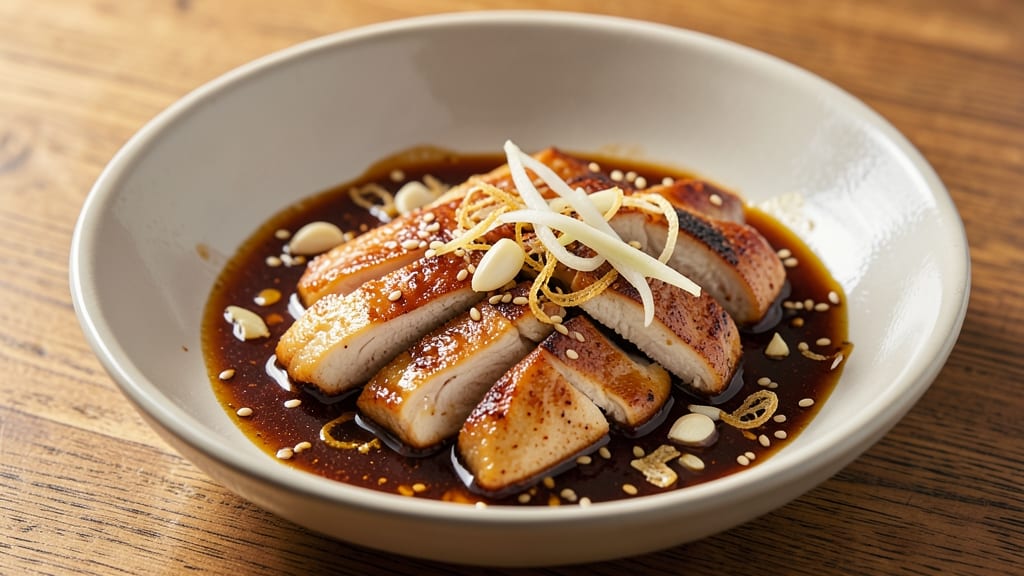
This basic chicken stir fry sauce recipe delivers the umami-packed punch that transforms ordinary wok meals into restaurant-quality dishes. The secret lies in balancing sweet, salty, and tangy elements—just five simple ingredients create a sauce that clings perfectly to chicken, vegetables, or noodles.
I developed this version after years of testing, ensuring it works with any protein while delivering that signature wok-house flavor.
The foundation of this sauce is a foolproof combination of soy sauce, brown sugar, and rice vinegar, with garlic and ginger adding aromatic depth. Unlike store-bought versions, this blend stays fresh for up to a week in the fridge, allowing you to build flavor gradually.
The sauce thickens slightly as it cools, making it ideal for tossing with hot stir-fried ingredients or drizzling over steamed rice.
What makes this sauce truly versatile is its ability to adapt to any stir-fry style—whether you're cooking with high heat or a slow simmer. The natural sweetness caramelizes beautifully when tossed with chicken, while the tangy vinegar brightens the dish.
It also works as a marinade for extra flavor infusion, ensuring your protein stays juicy and packed with umami.
Perfect for weeknight dinners, meal prep, or entertaining, this sauce is the backbone of countless Asian-inspired dishes. Once you master it, you'll never reach for bottled versions again. Let's get started on creating your signature stir-fry flavor.
Ingredients for basic chicken stir fry sauce
Five core ingredients plus a pinch of spice create this restaurant-quality stir fry sauce.
| Ingredient | Amount | Notes |
|---|---|---|
| Light Soy Sauce 🥄 | ½ cup | High-quality, preferably Japanese-style |
| Brown Sugar 🍚 | ¼ cup | Packed firmly for accuracy |
| Rice Vinegar 🍶 | ¼ cup | White or seasoned variety |
| Fresh Garlic Cloves 🧄 | 4 cloves | Minced finely for aromatic punch |
| Fresh Ginger Root 🌿 | 1 tbsp | Grated finely, not powdered |
| Sesame Oil 🫒 | 1 tbsp | Toasted for authentic flavor |
| Cornstarch 🌾 | 1 tsp | For thickening when needed |
| Red Pepper Flakes 🌶️ | ½ tsp | Optional for subtle heat |
The soy sauce is non-negotiable—Kikkoman or La Choy for reliable quality, but any light soy will work. Brown sugar adds that signature caramelized sweetness, so don't substitute white. Trader Joe's has a great organic rice vinegar that's perfect for this. Fresh ginger and garlic are worth the extra minute to grate and mince—they make all the difference. I always grab extra ginger root since it keeps for months in the freezer. For sesame oil, Kadoya is my go-to, but any toasted variety works.
No soy sauce? Coconut aminos in a pinch, though it's more subtle. White sugar works in a bind, but brown sugar's molasses notes are key. Powdered ginger won't give the same zing—stick with fresh. Running low on rice vinegar? Apple cider vinegar at half the amount keeps the tang. The cornstarch is optional but helps thicken the sauce when tossed with hot ingredients. Skip the red pepper flakes if you prefer mild flavor—this sauce is delicious without it.
This sauce thickens as it cools, so make it fresh when you're ready to use. Keeps in the fridge for up to 1 week in an airtight container. Double the batch and freeze half in ice cube trays for quick single-serving portions. The flavor actually improves overnight as everything melds together—perfect for meal prep. Always stir before using since the cornstarch can settle.
Why You'll Love This Recipe
- Pantry Magic: I swear by this sauce because it’s all from my pantry plus fresh garlic and ginger—no specialty jars or confusing labels. The light soy and brown sugar balance perfectly, and I can make it while waiting for the chicken to brown. (Yes, even on a Tuesday night.)
- Umami Bomb: That first hit of garlic and ginger sizzling in the pan? Chef’s kiss. The rice vinegar cuts through the richness just enough to make your taste buds sing, and the brown sugar adds this subtle caramel depth that turns ordinary stir-fry into something you’ll crave.
- Meal Prep MVP: I double the batch and keep it in the fridge for up to a week—it’s my go-to for quick lunches or last-minute takeout nights. Toss it with leftover chicken, noodles, or even tofu, and suddenly you’ve got dinner. (My college kid approves.)
- Budget-Friendly Powerhouse: Light soy sauce is cheap, brown sugar lasts forever, and garlic/ginger stretch a long way. For under $5, this sauce makes enough for three meals, and it’s way cheaper than takeout. Honestly, it’s my secret weapon for feeding the family without breaking the bank.
Step-by-step instructions for umami-packed stir fry sauce
This sauce builds layer upon layer of flavor—start with the aromatics and end with a silky finish.
Bloom the Aromatics in Sesame Oil
Heat a small saucepan over medium-low heat and add the 1 tablespoon sesame oil. Let it warm for 30 seconds until fragrant—you'll smell that nutty, toasted aroma. This is where the foundation of your sauce begins.
Add the 4 cloves minced fresh garlic cloves and 1 tablespoon finely grated fresh ginger root. Cook for 1-2 minutes until the garlic turns golden and the ginger loses its raw bite. Stir constantly to prevent burning—garlic burns faster than you think. The pan should smell like a bustling Asian market at this point.
Combine Wet Ingredients and Simmer
Pour in the 0.5 cup light soy sauce, 0.25 cup brown sugar, and 0.25 cup rice vinegar. Stir well to dissolve the brown sugar completely—it should melt into the mixture without any graininess. Bring the sauce to a gentle simmer over medium heat.
Let it bubble away for 5-7 minutes until the liquid reduces by about one-third. You're looking for a syrupy consistency that coats the back of a spoon. Taste as you go—this is where you can adjust the balance. Need more sweetness? Add a pinch of sugar. Too sharp? A splash of vinegar evens it out.
Thicken and Finish with Heat
In a small bowl, whisk together the 1 teaspoon cornstarch with 2 tablespoons water to create a smooth slurry. Slowly pour this into the simmering sauce while stirring constantly. The moment the sauce starts to thicken—usually within 30 seconds to 1 minute—remove it from heat.
Stir in the 0.5 teaspoon red pepper flakes for a subtle kick. Let the sauce sit off heat for 2 minutes to fully set. The final texture should be glossy, thick enough to coat proteins but still pourable. If it's too thick, thin with a splash of water; if too thin, simmer briefly again.
Rest and Use Immediately
Transfer the sauce to a small bowl or jar and let it rest for 5 minutes—this allows flavors to meld completely. The sauce will continue thickening slightly as it cools, so don't worry if it looks perfect right away.
Use immediately for best results—this sauce is at its peak when fresh. It's perfect for tossing with chicken, vegetables, or noodles. Store leftovers in the refrigerator for up to 5 days, but reheat gently to maintain its silky texture. The longer it sits, the deeper the umami flavor becomes.
Pro Tips For Making Basic Chicken Stir Fry Sauce
- Mince Ginger Like You Mean It: I learned this the hard way—when I just chopped ginger into matchsticks, it sat like a chewy brick in the sauce. For this recipe, use a knife to smash the ginger root flat on the cutting board first, then mince it into a paste. That way, it dissolves smoothly into the soy and vinegar instead of leaving you with weird texture surprises.
- Bloom the Garlic First: Toss those minced garlic cloves into the pan with a splash of oil before adding anything else. Let them sizzle for 30 seconds—just until they’re fragrant but not browned. This trick stops them from turning bitter later, especially when the vinegar hits. (Yes, even if you’re impatient like me.)
- Balance the Vinegar Last: Add the rice vinegar after the sauce has simmered for 2 minutes, not at the start. If you dump it in early, the acidity will stop the soy from deepening in flavor. A quick taste check here guarantees the sauce won’t taste like a science experiment—just sweet, tangy, and cohesive.
- Dissolve the Sugar Slowly: Skip the urge to add all the brown sugar at once. Sprinkle it in a pinch at a time while stirring, letting each bit melt fully before adding more. This prevents grainy lumps and ensures the sauce stays silky. (I know, I know—it’s an extra 10 seconds of stirring, but your sauce will thank you.)
Dietary considerations for basic chicken stir fry sauce
Gluten-Free Adaptations
Swap the light soy sauce for tamari or coconut aminos to eliminate gluten while keeping that signature umami depth. I recommend San-J Tamari for the richest flavor profile—it's naturally gluten-free but still delivers the savory punch. Use the same ½ cup measurement for direct substitution. 💛
Low-Sodium Options
Reduce the ½ cup soy sauce to ¼ cup and add ¼ cup low-sodium chicken broth to maintain moisture without excess salt. For extra umami, boost the garlic to 6 cloves and add 1 tsp fish sauce (like Red Boat).
This keeps the sauce flavorful while cutting sodium by nearly half.
Vegan-Friendly Swaps
Replace the sesame oil with avocado oil (neutral flavor) and use vegan brown sugar or coconut sugar. For protein-rich dishes, add 1 tbsp nutritional yeast to deepen the savory notes. The ginger and garlic remain the same—these are already plant-based powerhouses!
Diabetic Considerations
Cut the ¼ cup brown sugar to 2 tbsp and replace with 2 tbsp monk fruit sweetener (like Lakanto). The rice vinegar adds natural acidity without spiking blood sugar. For extra flavor without carbs, add 1 tsp grated orange zest—it brightens the sauce beautifully.
Allergen-Free Essentials
Always check labels on soy sauce and sesame oil for cross-contamination warnings. For nut-free kitchens, use sunflower oil instead of sesame. The cornstarch can be replaced with arrowroot powder (same 1 tsp measurement) for a gluten-free thickener that's also soy-free.
Keto-Friendly Version
Eliminate the brown sugar entirely and use 2 tbsp erythritol or stevia instead. The rice vinegar provides the tangy balance without carbs. For extra richness, add 1 tbsp coconut aminos alongside the soy sauce. This keeps the sauce under 3g net carbs per serving while maintaining bold flavor. ✨
Nutrition facts
Frequently asked questions about basic chicken stir fry sauce
Can I make this sauce without fresh ginger or garlic?
Fresh ginger and garlic are ideal for maximum flavor, but you can substitute with 1 teaspoon ground ginger and 2 teaspoons garlic powder. For a closer match, add ½ teaspoon onion powder too. The sauce will be less aromatic but still delicious. The key is to bloom the spices in sesame oil for 1-2 minutes to release their flavors.
How do I adjust the thickness of the sauce?
The sauce should coat the back of a spoon but remain pourable. If too thick, thin with 1 teaspoon water at a time while stirring. For extra thickness, simmer uncovered for 2-3 minutes to reduce further. Remember, it thickens more as it cools—always taste as you go!
Can I use this sauce for other proteins besides chicken?
This sauce works perfectly with shrimp, tofu, beef, or pork. For delicate proteins like shrimp, reduce the rice vinegar to 2 tablespoons to avoid overpowering the flavor. For heartier meats like beef, add ½ teaspoon fish sauce to deepen the umami. The balance of sweet, salty, and tangy makes it versatile for any stir-fry.
Why does my sauce taste too salty?
Light soy sauce is naturally salty, so reduce it to ¼ cup and add ¼ cup water to maintain moisture. For extra flavor without salt, boost the garlic to 6 cloves and add 1 teaspoon fish sauce. Always taste as you simmer—you can adjust the balance before thickening. The cornstarch slurry helps control the final saltiness too.
How long can I store this sauce, and can I freeze it?
Store in an airtight container in the fridge for up to 1 week. For longer storage, freeze in ice cube trays—each cube makes a perfect single serving. Thaw overnight in the fridge and reheat gently over low heat. The sauce thickens when frozen, so thin with a splash of water before using. The flavor actually improves over time as ingredients meld!