
Main Courses
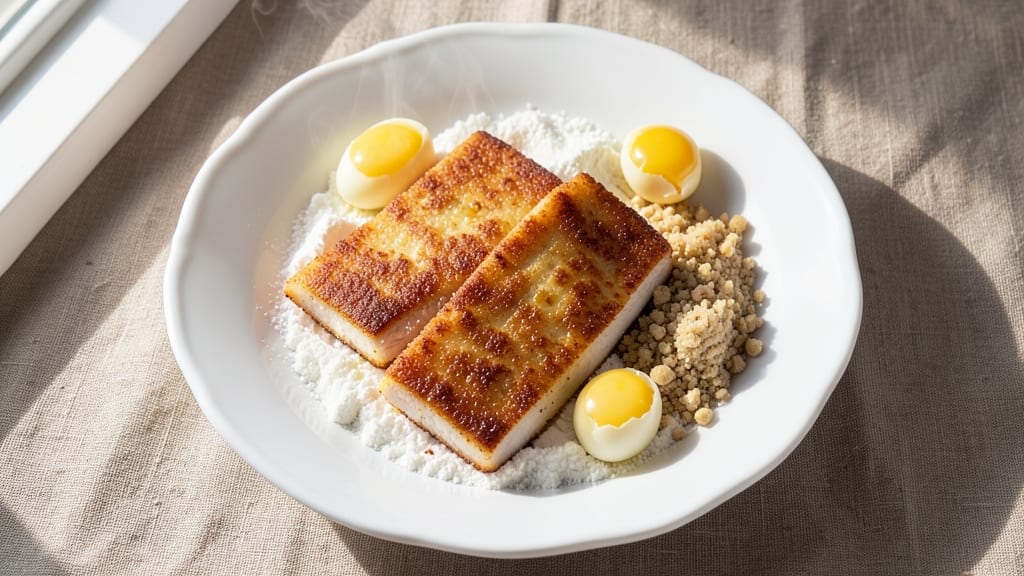
Mastering a basic chicken schnitzel recipe starts with thin, even pounding and a crisp golden crust that shatters at the touch. This technique transformed my weeknight dinners—juicy chicken cutlets with that signature crunch became a family favorite after just one try.
The key lies in proper breading and precise frying, both of which I'll walk you through step by step.
What makes this recipe work is the balance between tender chicken and a flawlessly crisp exterior. You'll need just five simple ingredients: chicken breasts, flour, eggs, breadcrumbs, and salt.
The process takes about 20 minutes from start to finish, making it perfect for busy evenings when you still want restaurant-quality results. I've even included an oven-baked variation for those watching their oil intake.
By the time you plate these golden-brown cutlets, you'll have perfectly seared chicken with a crackling crust that holds up even when sliced. The secret is keeping the chicken thin and the oil hot enough to create that signature crunch.
Serve with lemon wedges and a side of potato salad for a complete meal that feels indulgent yet simple.
This recipe delivers on its promise of crispy perfection every time—no guesswork involved. Whether you're feeding a crowd or treating yourself to a special dinner, the technique remains the same. Let's get started on creating your own crispy-golden schnitzel masterpiece.
Ingredients for basic chicken schnitzel
Eight simple ingredients transform ordinary chicken into crispy-golden schnitzel masterpieces.
| Ingredient | Amount | Notes |
|---|---|---|
| Boneless, Skinless Chicken Breast 🍗 | 1 ½ lb | Pounded to 1/4-inch thickness |
| All-Purpose Flour 🌾 | 1 cup | For dredging, sifted |
| Large Eggs 🥚 | 2 whole | Room temperature for best coating |
| Plain Breadcrumbs 🍞 | 1 ½ cups | Panko for extra crunch (optional) |
| Kosher Salt 🧂 | 1 tsp | Fine grain preferred |
| Vegetable Oil 🫒 | 2 cups | High smoke point, like canola |
| Lemon Wedges 🍋 | 4 whole | For serving, optional |
| Unsalted Butter 🧈 | 2 tbsp | For basting pan after frying |
The chicken is everything here. Buy fresh, boneless breasts—the thicker cuts need pounding to even thickness. Trader Joe's sells pre-cut ones for convenience, but I always grab the whole breasts and pound them myself. Look for plump, firm fillets with no gray edges. Pounding takes practice, but wrapping the chicken in plastic wrap keeps it from sticking to your board. If you're nervous about the texture, freeze the chicken for 20 minutes first—it's easier to pound when cold.
No panko? Regular breadcrumbs work fine, though they won't be quite as crispy. Eggs should be room temperature—pop them in warm water for 5 minutes if they're straight from the fridge. The oil is non-negotiable for crispiness—vegetable or canola has the highest smoke point. If you're avoiding oil, the oven-baked version uses aerated breadcrumbs and an egg wash instead. For extra flavor, add 1 tsp garlic powder or paprika to the breadcrumbs. And trust me on the butter—basting the pan after frying adds that restaurant-quality shine.
Use the schnitzel immediately for maximum crunch, but they reheat surprisingly well. 350°F oven for 10 minutes revives the crispiness. Store leftovers in the fridge for up to 3 days, but cover them with a paper towel to keep the crust from getting soggy. Freeze for 1 month by wrapping individually in foil. I always make a double batch—one for dinner, one for lunches. The secret to keeping them crispy? Re-crisp in the oven before serving.
Why You'll Love This Recipe
- I’ll be real: this isn’t just dinner—it’s your go-to when you need to feed a crowd without the stress. Serve it with a simple salad or roasted veggies, and you’ve got a meal that’s both impressive and effortless. My daughter even picks out the lemon wedges to squeeze over it—proof it’s universally loved.
- No-Fuss Crunch: Honestly, the secret’s in how you pound that boneless, skinless chicken breast—just ¼-inch thick—and let it rest while you set up your flour, eggs, and breadcrumbs. No fancy prep, just three bowls and a skillet. I’ve made it after work with minimal cleanup—one sheet pan, one spatula, done.
- Golden Perfection: That crispy breadcrumb exterior? It’s chef’s kiss—especially when you press it on firm and fry it at exactly 350°F. The breadcrumbs (or panko, if you’re feeling fancy) turn golden brown in minutes, while the chicken stays juicy inside. Pair it with that buttery pan sauce, and you’ve got a dish that’s dangerously addictive.
- Weeknight Hero: I’ll be real: this isn’t just dinner—it’s your go-to when you need to feed a crowd without the stress. Serve it with a simple salad or roasted veggies, and you’ve got a meal that’s both impressive and effortless. My daughter even picks out the lemon wedges to squeeze over it—proof it’s universally loved.
Step-by-step instructions for crispy chicken schnitzel
Here's the method for golden-brown, restaurant-style schnitzel that stays crispy even after resting.
Pound and Season the Chicken
Place the 1.5 lb boneless, skinless chicken breast between two sheets of plastic wrap. Using a meat mallet or rolling pin, pound the chicken to an even ¼-inch thickness throughout. This ensures even cooking and prevents thick spots that stay undercooked.
Season both sides generously with the 1 tsp kosher salt. I like to press the salt crystals into the meat so they adhere well. Let the seasoned chicken sit at room temperature for 10 minutes while you prepare the next components. This brief resting period helps the salt penetrate slightly and prevents the chicken from curling during frying.
Set Up Breading Stations
In a shallow bowl, combine the 1 cup all-purpose flour. Tap the seasoned chicken against the side of the bowl to remove any excess salt, then dredge each piece lightly in the flour, shaking off any excess. The goal is a thin, even coating—not a thick layer that would make the schnitzel dense.
In another shallow bowl, crack the 2 whole large eggs and whisk them lightly with a fork until just combined. I've found that over-whisking makes the egg wash too thin and less effective for adhesion. In a third bowl, place the 1.5 cups plain breadcrumbs. For extra crunch, you can substitute these with panko breadcrumbs if you have them on hand.
Fry to Golden Perfection
Heat the 2 cups vegetable oil in a large skillet over medium-high heat until it reaches 350°F. You'll know it's ready when a small piece of bread dropped into the oil sizzles immediately and floats. This temperature is crucial—too low and the schnitzel will absorb oil and become greasy; too high and it will burn before cooking through.
Working in batches to avoid crowding, dip each floured chicken piece into the egg wash, letting any excess drip off, then press it firmly into the breadcrumbs, coating both sides completely. Carefully lower the coated chicken into the hot oil. Fry for 3-4 minutes per side until the breading is deep golden brown and crispy, and the internal temperature reaches 165°F.
Drain and Rest
Transfer the fried schnitzel to a wire rack set over a baking sheet lined with paper towels. This allows air to circulate underneath and prevents the breading from becoming soggy. Let them rest for 5 minutes while you prepare the pan sauce.
Reduce the heat under the oil to medium and add the 2 tbsp unsalted butter. Let it melt completely, then tilt the pan to coat the bottom evenly with the browned bits. Pour this flavorful butter mixture into a small saucepan and keep it warm for serving. The schnitzel will maintain its crispiness during these final minutes of resting.
Serve with Lemon
Arrange the crispy schnitzel on a serving platter and drizzle with the warm butter sauce. Garnish with the 4 whole lemon wedges for a bright contrast to the rich, savory breading. Serve immediately while the breading is at its crispiest—each bite should offer that satisfying crunch followed by tender, juicy chicken underneath.
Pro Tips For Making Basic Chicken Schnitzel
- Test Oil First: Drop a tiny bit of bread into the oil—if it sizzles and floats immediately, you’re golden. I burned my first batch because I assumed the oil was hot enough, but that quick test saves you from greasy, sad schnitzel every time.
- Sift That Flour: Lightly tap the 1 cup all-purpose flour through a fine-mesh sieve before dredging. After years of clumpy coatings, I learned this makes a smoother, more even layer that sticks like glue without weighing the chicken down.
- Press, Don’t Dump: When coating the chicken in breadcrumbs, press firmly—don’t just toss it around. I used to rush this, and the crumbs would slide off. A little pressure locks them in place for that perfect crispy shell.
- Skip the Paper Towels: Drain fried schnitzel on a wire rack, not paper towels. The towels steal all the crispiness by absorbing oil too fast. I know it’s less convenient, but your crunch is worth the extra second.
Pro cooking tips for basic chicken schnitzel
Precision Pounding Technique
I can't stress enough how crucial it is to pound that chicken to an even ¼-inch thickness. Use a meat mallet or rolling pin—don't just whack it with a heavy pan.
Wrapping the chicken in plastic wrap prevents sticking, and freezing it for 20 minutes beforehand makes pounding a breeze. This step ensures even cooking and prevents those frustrating undercooked spots. 💪
Oil Temperature Control
The secret to restaurant-quality crispiness lies in maintaining 350°F oil temperature. Use a thermometer—no guessing! If your oil isn't hot enough, the breading will absorb oil and turn greasy. Too hot, and you'll burn the outside before the chicken cooks through.
I've learned this the hard way—my first attempt at schnitzel was a greasy disaster until I mastered this temperature. 🌡️
Breading Stations Setup
Set up three separate bowls for flour, egg wash, and breadcrumbs. The flour should be sifted for a lighter coating, and the egg wash should be just combined—not watery. For extra crunch, use panko breadcrumbs instead of regular ones.
Press the breadcrumbs firmly onto both sides of the chicken to create a thick, even crust. This technique is what gives schnitzel that professional look. ✨
Frying in Batches
Never crowd your pan! Fry the chicken in batches to maintain that 350°F oil temperature. Overcrowding drops the temperature and results in soggy breading. Use tongs to flip the chicken gently when the edges turn golden brown.
The internal temperature should reach 165°F for safety, but the real test is that beautiful golden-brown crust. 🔥
Resting for Crispiness
After frying, transfer the schnitzel to a wire rack over a baking sheet lined with paper towels. This allows air to circulate underneath, keeping the breading crispy. Let them rest for 5 minutes while you prepare the pan sauce.
This resting period is essential—it lets the juices redistribute, ensuring every bite is tender and flavorful. 💡
Pan Sauce Elevation
Don't skip the pan sauce! After frying, reduce the heat and add 2 tbsp unsalted butter to the oil. Let it melt and coat the bottom of the pan with the browned bits.
This adds depth of flavor that takes your schnitzel from good to great. Strain any excess oil before serving for a cleaner presentation. 💛
Nutrition facts
Frequently asked questions
Why does my chicken schnitzel turn out greasy instead of crispy?
The oil temperature is likely the culprit! Keep it at 350°F—too low makes the breading absorb oil, while too high burns the outside before cooking through. Use a thermometer and test with a breadcrumb to confirm readiness. Also, avoid overcrowding the pan, which drops the oil temperature and ruins crispiness.
Can I make schnitzel without frying?
For a lighter version, bake the breaded chicken at 400°F for 15-18 minutes on a wire rack over a baking sheet. Press panko breadcrumbs firmly onto the chicken before baking for extra crunch. The texture won't be quite as crispy as fried, but it's a great alternative.
How do I keep the breading from falling off when I slice the schnitzel?
Let the fried schnitzel rest for 5 minutes after frying—this lets the juices redistribute and the breading adhere properly. Slice against the grain after resting, and avoid cutting through the crust. For extra hold, add 1 tbsp cornstarch to the breadcrumb mixture.
What if I don't have panko breadcrumbs?
Regular breadcrumbs work just fine! Just crush them slightly in your hands before pressing onto the chicken for a slightly less crispy but still delicious result. For extra texture, add 1 tsp garlic powder or paprika to the breadcrumb mixture. Your schnitzel will still be flavorful and golden.
Can I prep the chicken ahead of time?
Yes! Pound and season the chicken up to 24 hours ahead, then store it wrapped tightly in plastic in the fridge. Bread it just before frying—this prevents the chicken from absorbing moisture and keeps the breading crispy. Reheat the oil to 350°F before frying prepped chicken.