
Main Courses
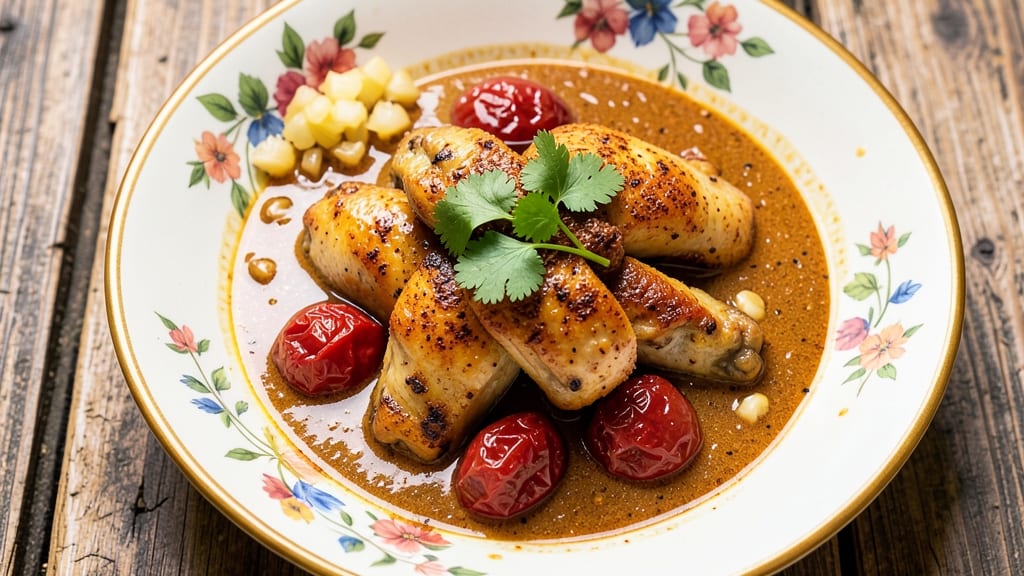
This basic chicken curry recipe with curry powder transforms simple ingredients into a restaurant-worthy dish with just 30 minutes of active time. The secret lies in a spiced yogurt marinade that tenderizes the chicken while infusing it with aromatic warmth—no complex spice blends required.
I developed this version after years of testing shortcuts that still deliver depth of flavor, proving you don't need a pantry full of exotic spices to create something extraordinary.
The process begins with pan-searing the marinated chicken to achieve a golden crust before simmering in a velvety sauce thickened with just tomato paste and coconut milk. This method ensures the chicken stays juicy while the sauce develops rich, complex layers of flavor without breaking a sweat.
The curry powder serves as the backbone, delivering that familiar comforting warmth that makes this dish universally appealing.
By the time you serve this curry, you'll have perfectly tender chicken pieces swimming in a sauce that's creamy yet balanced—sweet from the tomatoes, tangy from the yogurt, and aromatic from the spices.
The texture is what truly sets it apart: crisp edges on the chicken, a sauce that clings beautifully to each bite, and a finish that's neither too heavy nor too light. This is the kind of weeknight dinner that transforms an ordinary evening into something memorable.
Serve it over steamed basmati rice for the full experience, or with warm naan to soak up every last drop of that flavorful sauce. The beauty of this recipe lies in its adaptability—easy enough for beginners but sophisticated enough to impress guests. Let's get cooking!
Ingredients for basic chicken curry recipe with curry powder
Transform simple pantry staples into a deeply flavorful curry with just 13 ingredients.
| Ingredient | Amount | Notes |
|---|---|---|
| Boneless, Skinless Chicken Thighs 🍗 | 1 ½ lb | Cut into 1-inch pieces |
| Plain Yogurt 🥛 | 1 cup | Full-fat preferred for richness |
| Curry Powder 🌶️ | 2 tbsp | Mild or medium heat variety |
| Garlic Cloves 🧄 | 4 cloves | Minced for marinade |
| Yellow Onion 🧅 | 1 medium | Finely chopped |
| Tomato Paste 🍅 | 2 tbsp | Smooth consistency preferred |
| Coconut Milk 🥥 | 1 can (13.5 oz) | Full-fat for creaminess |
| Olive Oil 🫒 | 2 tbsp | Extra-virgin for flavor |
| Salt 🧂 | 1 tsp | Kosher or sea salt |
| Ground Black Pepper 🌶️ | ½ tsp | Freshly ground preferred |
| Fresh Ginger 🌿 | 1 tbsp | Grated, for aroma |
| Fresh Cilantro 🌿 | ¼ cup | Chopped, for garnish |
| Lemon Juice 🍋 | 1 tbsp | Freshly squeezed |
The chicken thighs are key here—bone-in would work, but boneless keeps prep simple. Look for thighs with good marbling at the grocery store's butcher counter, not the pre-cut packages. Trader Joe's and Whole Foods often have the best quality. For the yogurt, full-fat gives that luxurious texture, but Greek yogurt works too. The curry powder? Badger's or Spicewalla brands deliver consistent flavor if you're buying pre-mixed, but a blend of turmeric, cumin, coriander, and fenugreek works just as well. Fresh ginger is non-negotiable—dried loses its punch fast.
No curry powder? Mix 1 tbsp each turmeric, cumin, and coriander for a DIY version. Coconut milk cans vary—stick with full-fat for that creamy finish. The tomato paste can be that squeeze tube from Trader Joe's if you're short on time. Fresh ginger too strong? Use half the amount and add 1 tsp sugar to balance. The lemon juice brightens everything up, but if you're out, a splash of vinegar works in a pinch. For the onion, yellow or red both work—just make sure it's sweet, not bitter.
Marinate the chicken for at least 30 minutes (overnight is best). The sauce keeps well in the fridge for 4-5 days—it actually tastes better the next day as flavors meld. Freeze portions for up to 3 months. I like to portion the curry into containers with rice pre-cooked and stored separately—just reheat and serve. The cilantro wilts fast, so add it fresh when serving or skip it entirely if you're not a fan.
Why You'll Love This Recipe
- Five-Ingredient Magic: I swear by this—just chicken, yogurt, curry powder, onion, and garlic. That’s it. No fancy spice blends or hard-to-find ingredients lurking in my pantry. Honestly, if I’ve got those basics, I’m making curry.
- Tender Every Time: The yogurt marinade does all the work—juicy, fall-off-the-bone chicken without a single trick. I’ll be real: even my burnt-pasta nights end with this dish because it’s forgiving. Brown the thighs right, and you’ve got flavor locked in.
- Weeknight to Party: Same recipe, different vibes. Slurp it straight from the pot with naan on a Tuesday, or dress it up with rice and lime for guests. Between us, the curry powder’s warmth shines whether it’s casual or company—no extra effort needed.
- Leftovers That Beg: This stuff tastes better the next day. I make a double batch on Sundays, freeze half, and thank myself later. Budget-friendly? Absolutely. But the real win? No sad, dry curry—just richer, deeper flavor that makes me want to eat it again.
Step-by-step instructions for spiced yogurt chicken curry
Transform simple ingredients into a rich, aromatic curry with this reliable method.
👨🍳 Step 1: Marinate the Chicken for Maximum Flavor
Cut the 1.5 lb boneless, skinless chicken thighs into 1-inch pieces and place them in a bowl. In a separate bowl, whisk together the 1 cup plain yogurt, 2 tbsp curry powder, 1 tsp salt, 0.5 tsp ground black pepper, and 1 tbsp freshly grated ginger. Pour this marinade over the chicken, ensuring each piece is fully coated.
Cover the bowl and refrigerate for at least 4 hours or overnight. This marination breaks down the proteins and infuses the chicken with deep, aromatic flavors. The yogurt also helps tenderize the meat, ensuring it stays juicy during cooking. Don't skip this step—it's what transforms ordinary chicken into restaurant-quality curry.
🍳 Step 2: Sauté Aromatics Until Fragrant
Heat 2 tbsp olive oil in a large, heavy-bottomed pot over medium heat. Add the 1 medium finely chopped yellow onion and cook for 5 minutes until soft and translucent. Stir in the 4 minced garlic cloves and cook for another 30 seconds until fragrant—this is when your kitchen will smell like a spice market.
Next, add the 2 tbsp tomato paste and cook for 2 minutes, stirring constantly. This creates a flavorful base that will carry the curry. Be careful not to let the tomato paste burn—it should darken slightly but remain smooth. This step builds the foundation for the rich, complex flavors that define a great curry.
🥘 Step 3: Cook the Marinated Chicken Thoroughly
Remove the chicken from the marinade (reserve the marinade) and add it to the pot in a single layer. Cook for 5-6 minutes until the chicken is lightly browned on all sides. Pour in the reserved marinade and stir to combine. The chicken should sizzle gently as the yogurt cooks off—this is normal and adds depth to the sauce.
Reduce the heat to medium-low and let the chicken simmer for 10 minutes, stirring occasionally. This allows the chicken to cook through while absorbing all the spiced flavors. You'll know it's ready when the chicken is no longer pink in the center and the sauce begins to thicken slightly. The chicken should be tender but not falling apart.
🥘 Step 4: Simmer with Coconut Milk for Creamy Richness
Pour in the 1 can (13.5 oz) full-fat coconut milk and stir well to combine. Add the 1 tbsp freshly squeezed lemon juice and bring the mixture to a gentle simmer. The curry should bubble softly—if it's too vigorous, reduce the heat slightly. Let it simmer uncovered for 15-20 minutes, stirring occasionally, until the sauce thickens to your desired consistency.
Taste and adjust the seasoning if needed. The coconut milk should create a velvety, creamy sauce that coats the back of a spoon. If the curry is too thick, add 2-3 tablespoons of water to loosen it. The lemon juice brightens the flavors and balances the richness of the coconut milk. This is where all the flavors come together into a harmonious curry.
🍽️ Step 5: Finish and Serve with Fresh Garnish
Remove the pot from heat and let the curry rest for 5 minutes. This allows the flavors to meld and the sauce to thicken slightly. Stir in the 0.25 cup chopped fresh cilantro just before serving. The cilantro adds a bright, fresh contrast to the rich, spiced curry.
Serve the curry immediately over steamed basmati rice or with warm naan bread. Each bite should deliver tender, flavorful chicken in a creamy, aromatic sauce with just the right balance of spice and tang. The yogurt marination ensures the chicken stays juicy, while the coconut milk creates a luxurious, velvety texture that makes this curry truly special.
Pro Tips For Making Basic Chicken Curry Recipe With Curry Powder
- Brown the Chicken Hard: Skip the "gentle sear" advice—this curry needs deep color. Work in batches if needed, but get those thighs actually golden brown (3-4 minutes per side) before pulling them out. I learned this the hard way when my curry tasted pale and bland; the Maillard reaction here isn’t optional.
- Marinate Yogurt 10 Minutes: Tossing raw chicken into yogurt and cooking immediately? That’s how you end up with rubbery meat. Let the yogurt sit with the chicken for at least 10 minutes—just long enough for the acid to start tenderizing, not long enough to curdle. (Yes, even if you’re impatient like me.)
- Watch the Heat After Adding Yogurt: The moment you stir in the yogurt-chicken mix, the pan will scream at you. Lower the heat immediately—I mean, now—or you’ll scramble the yogurt into a sad, grainy mess. Medium-low is your friend here; this isn’t a race.
- Upgrade with Toasted Spices: Dump dry curry powder straight into the pot? Skip it. Toast 1 tsp of curry powder in the oil for 30 seconds until fragrant—it deepens the flavor without extra effort. (I was skeptical until I tried it; the difference is noticeable.)
Common mistakes when making this recipe
Over-Marinating Chicken
While you might think longer marinating equals better flavor, marinating chicken in yogurt for more than 12-24 hours can actually make it mushy. The yogurt's acids break down the proteins too aggressively, turning your tender chicken into rubbery bites.
I've learned this the hard way—after a 36-hour marinade, my curry chicken was disappointingly tough. Stick to 4-12 hours for perfect texture. 🧂
Skipping the Browning Step
Many home cooks rush this step, but properly browning your chicken creates that essential Maillard reaction that builds deep, complex flavors. If you skip it or cook the chicken too quickly, your curry will taste flat and one-dimensional.
Take your time with 5-6 minutes per side until you see golden-brown patches—this is where the magic happens. 🔥
Using Low-Quality Curry Powder
Not all curry powders are created equal. Cheap, generic blends often contain fillers that dilute flavor and can even make your sauce taste bitter. I recommend using Badger's or Spicewalla curry powder, or make your own blend with turmeric, cumin, coriander, and fenugreek.
The difference is night and day—your curry will have that authentic, aromatic depth that makes it sing. 🌶️
Ignoring the Resting Period
After simmering, letting your curry rest for 5-10 minutes allows the flavors to meld and the sauce to thicken naturally. Skipping this step means serving a curry that's still "cooking" in your mouth—watery and underdeveloped.
This is especially important when using coconut milk, which continues to break down slightly off the heat. Patience here makes all the difference. ⏳
Over-Simmering the Sauce
While simmering is essential, letting your curry bubble too vigorously can cause the coconut milk to separate or curdle. Keep the heat at a gentle simmer—just enough to see small bubbles breaking the surface.
If you notice the sauce getting too thick too quickly, add 2-3 tablespoons of water or chicken broth to maintain balance. The goal is a velvety, creamy texture, not a gluey one. 🥥
Forgetting to Taste and Adjust
Many recipes assume you'll magically know when seasoning is perfect, but curry is all about balance. Taste your sauce at least twice—once after adding coconut milk and again before serving.
You might need more salt, a splash of lemon juice, or even a pinch of sugar to round out the flavors. I keep a small bowl of salt and a squeeze bottle of lemon juice on hand for quick adjustments. 💡
Nutrition facts
Frequently asked questions
Can I substitute chicken thighs with chicken breasts?
You can try, but chicken breasts are leaner and more likely to dry out during the long simmer. If using breasts, cut them into 1-inch cubes and marinate for no more than 6 hours. Cook them over slightly lower heat (medium-low) and add them to the sauce only 10 minutes before serving to keep them moist.
What if I don't have coconut milk?
Use 1 cup heavy cream or half-and-half instead, but reduce the simmering time to 10 minutes to prevent curdling. For a dairy-free option, blend 1 cup cashews soaked overnight with 1 cup water until smooth. The flavor will be lighter but still delicious. The key is keeping the sauce creamy without overcooking.
How spicy should my curry be?
The recipe uses mild curry powder, so it's naturally flavorful but not fiery. For heat, add ½ tsp cayenne pepper or 1 tsp chili flakes with the marinade. If you prefer mild heat, reduce the curry powder to 1.5 tbsp and add ½ tsp sugar to balance. Taste as you go—curries are all about personal preference!
Can I make this curry in a slow cooker?
After browning the chicken and sautéing the aromatics, transfer everything to a slow cooker. Add the coconut milk and lemon juice, then cook on LOW for 4-5 hours or HIGH for 2-3 hours. The slow cooker keeps the chicken tender and the sauce creamy without risk of overcooking. Stir once halfway through.
What sides pair best with this curry?
Classic pairings include steamed basmati rice, garlic naan, or roasted flatbreads. For a lighter option, serve with cucumber raita or a simple mango salad. The creamy sauce also works well with crusty bread or quinoa for a gluten-free twist.