
Main Courses
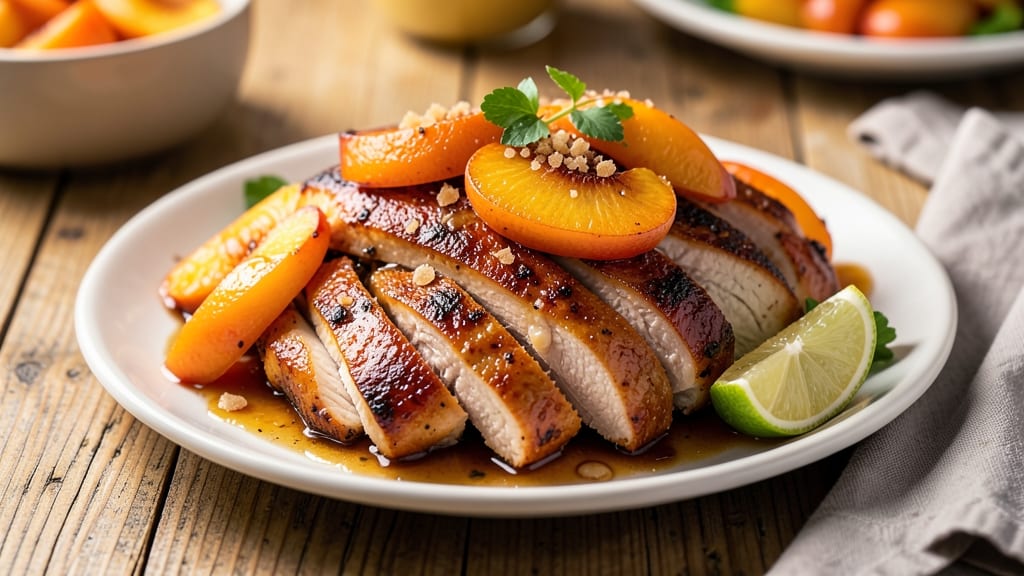
This baked chicken with canned peaches recipe transforms a simple weeknight dinner into a restaurant-worthy meal with just one unexpected ingredient. The sweet-tart peach glaze caramelizes beautifully, creating a golden crust that balances perfectly with the savory chicken underneath.
What makes this dish special is how the peaches' natural juices infuse into the meat, adding depth without overwhelming the flavor.
The secret lies in the glaze—simmering peaches with butter, brown sugar, and a touch of mustard creates a sauce that's rich, slightly tangy, and perfectly sticky. You'll bake the chicken until the glaze thickens into a glossy, caramelized finish, locking in all those flavors.
The result is tender, juicy chicken with a crisp exterior that's impossible to resist.
This dish works equally well for a casual family dinner or a dinner party—it's hearty enough to stand alone but pairs beautifully with roasted vegetables or crusty bread.
The combination of sweet and savory creates a flavor profile that's both comforting and sophisticated, proving that canned peaches can elevate a simple baked chicken into something extraordinary.
Ready in under an hour, this recipe delivers restaurant-quality results with minimal effort. The best part? You can make the glaze ahead of time, so the only work on the day of cooking is baking the chicken. Let's get started!
Ingredients for baked chicken with canned peaches
Sweet-tart peaches and savory chicken create a restaurant-worthy dinner with minimal effort.
| Ingredient | Amount | Notes |
|---|---|---|
| Boneless, Skinless Chicken Thighs 🍗 | 1 ½ lb | Cut into even-sized pieces |
| Canned Peaches in Juice 🍑 | 15 oz | Drained, peaches chopped |
| Unsalted Butter 🧈 | ½ cup | Cubed for glaze |
| Light Brown Sugar 🍯 | ½ cup | Packed firmly |
| Yellow Mustard 🍯 | 1 tbsp | Dijon preferred |
| Fresh Lemon Juice 🍋 | 1 tbsp | Freshly squeezed |
| Garlic Cloves 🧄 | 3 cloves | Minced for glaze |
| All-Purpose Flour 🌾 | ¼ cup | For dredging |
| Salt 🧂 | 1 tsp | Kosher or sea salt |
| Ground Black Pepper 🌶️ | ½ tsp | Freshly ground |
| Ground Cinnamon 🍃 | ¼ tsp | Optional for warmth |
| Olive Oil 🫒 | 1 tbsp | For greasing pan |
The peaches make this dish special—look for high-quality canned peaches with minimal syrup (like Del Monte or Libby). The juices from the peaches infuse into the chicken, creating that signature depth. Chicken thighs stay juicier than breasts during baking, so they're ideal here. If you can't find canned peaches, fresh peaches in season work too—just peel, slice, and simmer them with the glaze ingredients. For the brown sugar, light or dark both work, but light has a slightly cleaner finish that pairs better with the peaches' natural sweetness.
No Dijon mustard? Regular yellow mustard works in a pinch, but the Dijon adds that subtle tang. Fresh lemon juice is key—bottled won't cut it here. The cinnamon is optional but adds warmth that complements the peaches beautifully. For the flour dredge, Panko breadcrumbs give extra crunch if you prefer texture. If you're prepping ahead, make the glaze up to 2 days in advance—it actually tastes better after sitting overnight as the flavors meld. The butter should be cold cubed when you add it to the glaze to create those beautiful caramelized pockets.
This dish reheats beautifully—just warm in a 350°F oven for 10-15 minutes with foil over it to keep the glaze sticky. The glaze itself keeps well in the fridge for up to 1 week (though I rarely have it last that long). For make-ahead meals, bake the chicken without the glaze, store it separately, then assemble and bake just before serving. The glaze can be frozen for up to 3 months—thaw in the fridge overnight before using. Leftovers taste even better the next day as the flavors continue to develop.
Why You'll Love This Recipe
- No Pantry Panic: I swear by this recipe when I forget to shop for fresh fruit. Canned peaches in juice—no peeling, no slicing, no mess—just drain, chop, and toss. That sweet-tart juice soaks into the chicken while baking, turning it into a sticky, caramelized masterpiece with zero effort.
- Sweet-Savory Magic: Brown sugar and mustard create this perfect balance: the mustard adds a tangy punch, while the peaches bring summery sweetness. The butter melts into a glossy glaze, making every bite rich and irresistible. Honestly, it’s the kind of flavor combo that makes you want to eat straight from the pan.
- Leftovers That Don’t Suck: This dish actually tastes better the next day. The peaches soften just enough to get tender, the chicken stays juicy, and the sauce thickens into a delicious glaze. I pack it for lunches all week—no sad, dry reheats here.
- Budget-Friendly Luxury: Chicken thighs are cheap, canned peaches last forever, and you’re using basic pantry staples. Yet it feels like a fancy meal—especially when you drizzle extra butter on top. Between us, this is how I trick myself into eating well when money’s tight.
Step-by-step instructions for baked chicken with canned peaches
This method delivers tender chicken with a caramelized glaze that balances sweet and tangy flavors perfectly.
Prepare the Chicken for Even Cooking
Pat the 1.5 lb boneless, skinless chicken thighs dry with paper towels, removing any excess moisture. This ensures a better seal for the glaze and prevents steaming instead of browning. Cut each thigh into even-sized pieces, about 1-inch thick, so they cook uniformly.
In a shallow bowl, combine 0.25 cup all-purpose flour, 1 tsp salt, 0.5 tsp ground black pepper, and 0.25 tsp ground cinnamon. Dredge each chicken piece lightly in the flour mixture, shaking off any excess. This creates a light crust that helps the glaze adhere and adds subtle warmth to the dish.
Create the Sweet-Tart Glaze
In a medium saucepan, melt 0.5 cup unsalted butter over medium heat. Once melted, whisk in 0.5 cup packed light brown sugar and 1 tbsp yellow mustard, stirring until the sugar dissolves completely. The mixture should thicken slightly and become smooth.
Add the 15 oz drained, chopped canned peaches and 1 tbsp fresh lemon juice to the saucepan. Cook for 3-4 minutes until the peaches soften and the liquid reduces slightly. Stir in the 3 minced garlic cloves and cook for another 30 seconds until fragrant. Remove from heat and set aside.
Bake the Chicken to Juicy Perfection
Preheat your oven to 375°F. Grease a 9x13-inch baking dish with 1 tbsp olive oil to prevent sticking. Arrange the dredged chicken pieces in a single layer in the dish, leaving about ½ inch between each piece for even browning.
Pour the peach glaze evenly over the chicken, ensuring each piece is fully coated. Bake for 25-30 minutes until the chicken reaches an internal temperature of 165°F and the edges of the glaze are golden brown. If the glaze thickens too much before the chicken is done, tent the dish with foil for the last 10 minutes to prevent over-browning.
Rest and Serve with Caramelized Glaze
Transfer the baked chicken to a serving platter and let it rest for 5 minutes before serving. This resting period allows the juices to redistribute, ensuring each bite is moist and flavorful. The glaze should be thick and glossy, with a beautiful caramelized crust.
Serve immediately with the peach glaze spooned over the top. The combination of tender chicken, sweet-tart peaches, and the subtle warmth of cinnamon creates a harmonious balance of flavors. Pair with roasted vegetables or a simple side salad to complete the meal.
Pro Tips For Making Baked Chicken With Canned Peaches
- Preheat Like You Mean It: That oven’s not just "hot"—it needs to be scorching (425°F or higher) before the chicken goes in. I used to slide the dish in at 375°F and wonder why the peach glaze turned into a sad, syrup puddle instead of a caramelized crust. High heat seals in those juices fast, so don’t skimp.
- Drain, Don’t Drown: Those canned peaches come swimming in syrup, and too much liquid means soggy chicken. Drain them thoroughly first, then pat the slices dry with a paper towel—even if it feels like overkill. The mustard-butter glaze will stick better, and the peaches won’t turn into a watery mess.
- Butter the Peaches First: Slather the peach slices with half the butter before arranging them on the chicken. It sounds like extra work, but it guarantees they caramelize into sticky, golden pockets instead of just sitting there like sad, buttery ghosts. (Yes, I’ve done that.)
- Skip the Overcrowding: One layer of chicken thighs, peaches, and sauce—no stacking. I learned this after my first batch where the top pieces stayed raw while the bottom ones turned into leather. If you’re short on space, bake in batches. Trust me, your chicken will be happier.
Common mistakes when making this recipe
Skipping the Dredge
Dredging the chicken in flour is what creates that perfect textural contrast between the crispy glaze and tender meat. I’ve seen people skip this step to save time, but the flour helps the glaze cling to the chicken and adds a subtle depth of flavor.
If you’re short on time, at least lightly brush the chicken with olive oil before baking to help the glaze adhere better. 💡
Overcooking the Glaze
The peach glaze is delicate—it can turn into a sticky mess if you don’t monitor it closely. I’ve ruined a few batches by letting the glaze reduce too much before the chicken was done. Keep an eye on it after 20 minutes of baking.
If it thickens too quickly, tent the dish with foil for the last 10 minutes to slow down the caramelization. The glaze should be glossy and slightly sticky, not dry or hardened.
Using Bottled Lemon Juice
Fresh lemon juice is a game-changer in this recipe—it brightens the sweetness of the peaches and balances the richness of the butter. I’ve tried using bottled lemon juice before, and while it works in a pinch, it lacks that bright, tangy punch that fresh juice provides.
If you’re using bottled, look for 100% pure lemon juice with no added water or preservatives. A splash of fresh lime juice can also add a nice twist if you’re feeling adventurous.
Uneven Chicken Pieces
Cutting the chicken thighs into even-sized pieces is crucial for consistent cooking. I’ve seen people leave the thighs whole or cut them into uneven chunks, which leads to some pieces being undercooked while others dry out.
Aim for 1-inch thick slices so the chicken cooks uniformly. If you’re using breasts, cut them into pound-sized pieces to ensure they don’t overcook before the glaze sets.
Ignoring the Resting Time
Skipping the 5-minute rest after baking might seem tempting, but it’s a big mistake. The chicken needs time for its juices to redistribute, or you’ll end up with dry, tough meat. I’ve rushed this step too many times and regretted it immediately.
Trust the process—let the chicken rest before slicing and serving. The glaze will also set properly during this time, giving you that perfect caramelized finish. 🌟
Using Low-Quality Canned Peaches
The quality of your canned peaches makes a huge difference in this recipe. Cheap, syrupy peaches will make the glaze watery and less flavorful. I always reach for Del Monte or Libby peaches in juice—they’re packed with flavor and minimal syrup.
If you’re using fresh peaches, make sure they’re ripe but still firm enough to hold their shape during baking. The juices from the peaches are what infuse into the chicken, so don’t skimp on quality here.
Nutrition facts
Frequently asked questions
Can I use chicken breasts instead of thighs?
You can, but thighs are ideal for this recipe! Chicken breasts cook faster and dry out more easily, so cut them into 1-inch thick pieces and reduce baking time to 20-25 minutes. Use a meat thermometer to check for 165°F internal temp. For extra moisture, brining the breasts for 30 minutes before cooking helps.
What if I don't have Dijon mustard?
Regular yellow mustard works perfectly fine! The Dijon adds subtle tang, but the flavor difference is minimal. For extra depth, add ½ tsp apple cider vinegar to the glaze. The key is balancing sweetness—if using regular mustard, the glaze might need 1 extra minute of simmering to reduce excess liquid.
How do I store leftovers?
Store in an airtight container in the fridge for up to 3 days. Reheat at 350°F for 10-15 minutes covered with foil to prevent drying. The glaze may thicken further—add 1 tsp water and stir to restore consistency. Leftovers actually taste better the next day as flavors meld!
Can I make this dish ahead of time?
Prepare the glaze up to 2 days ahead and store in the fridge. For the chicken, bake it without the glaze, let cool, then refrigerate separately. When ready to serve, reheat chicken to 165°F, add fresh glaze, and bake at 375°F for 5-7 minutes to set the glaze. This keeps everything fresh-tasting!
What's the best way to serve this dish?
This sweet-savory chicken pairs beautifully with roasted asparagus or garlic mashed potatoes. For a complete meal, add a simple arugula salad with balsamic vinaigrette. The acidity cuts through the richness, balancing the sweet peach glaze perfectly. Serve with warm dinner rolls for dipping in extra sauce!