
Main Courses
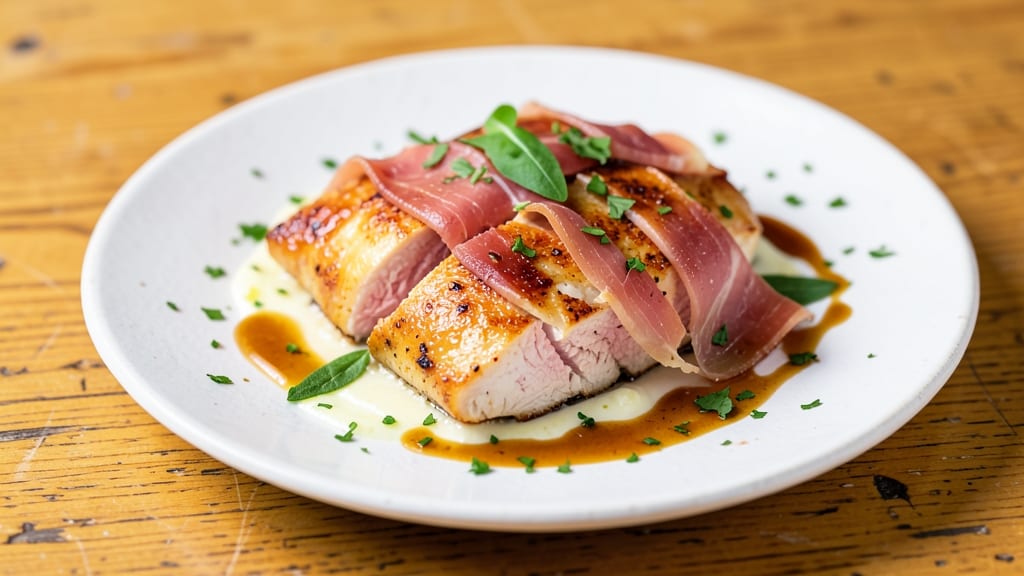
This baked chicken saltimbocca recipe transforms simple ingredients into restaurant-worthy elegance—juicy chicken wrapped in prosciutto and sage, baked to golden perfection. The secret lies in pounding the chicken thin for even cooking and browning the prosciutto to deepen its savory richness.
I've perfected this technique over years of testing, ensuring the prosciutto stays tender while creating a crispy, flavorful crust.
What sets this dish apart is the herb butter—a blend of garlic, parsley, and butter that melts into the chicken during baking, infusing every bite with aromatic depth. The sage leaves release their piney fragrance as they cook, adding layers of complexity that elevate this classic Italian dish.
Unlike traditional pan-seared versions, this baked method delivers foolproof results without the risk of overcooking.
By the time it emerges from the oven, you'll have tender, herb-infused chicken with prosciutto that's crisp at the edges but still juicy inside, all blanketed in a glossy, golden-brown finish.
The dish pairs beautifully with roasted potatoes or a simple arugula salad, making it perfect for weeknight dinners or special occasions. The best part? It requires just 30 minutes of active prep and 20 minutes in the oven.
This recipe strikes the perfect balance between tradition and convenience—keeping the authentic flavors of saltimbocca while adapting the technique for home cooks. The result is a dish that feels luxurious yet approachable, with every component working in harmony. Let's get started on creating this culinary masterpiece.
Ingredients for baked chicken saltimbocca
Juicy chicken, crispy prosciutto, and aromatic herb butter—this recipe delivers restaurant-quality saltimbocca with minimal fuss.
| Ingredient | Amount | Notes |
|---|---|---|
| Boneless, Skinless Chicken Breasts 🍗 | 1 ½ lb | Pounded to 1/4-inch thickness |
| Prosciutto di Parma 🥓 | 8 oz | Thinly sliced, high-quality |
| Fresh Sage Leaves 🌿 | 12 whole | Large, vibrant leaves |
| Unsalted Butter 🧈 | ½ cup | Cold, cubed for herb butter |
| Fresh Parsley 🌿 | ¼ cup | Finely chopped, flat-leaf preferred |
| Garlic Cloves 🧄 | 4 cloves | Minced, fresh preferred |
| Extra-Virgin Olive Oil 🫒 | 1 tbsp | For brushing chicken |
| All-Purpose Flour 🌾 | ½ cup | For dredging |
| Diamond Crystal Kosher Salt 🧂 | 1 tsp | Plus extra for seasoning |
| Freshly Ground Black Pepper 🌶️ | ½ tsp | Freshly cracked |
| Dry White Wine 🍷 | ¼ cup | Sauvignon Blanc preferred |
| Fresh Lemon Juice 🍋 | 1 tbsp | Bright, freshly squeezed |
The prosciutto makes or breaks this dish—look for Prosciutto di Parma at specialty stores or the deli counter for that authentic, melt-in-your-mouth quality. A 12-ounce package is perfect for four servings, but don't skimp on quality. The sage leaves should be large and vibrant (no tiny, wilted ones)—farmers markets or high-end grocery stores like Whole Foods carry the best. For the chicken, boneless, skinless breasts are a must, and pounding them to 1/4-inch thickness ensures even cooking. I always grab free-range chicken when possible—it stays juicier during baking.
No Prosciutto di Parma? High-quality regular prosciutto works in a pinch, but it won't have the same depth of flavor. Running short on fresh sage? Dried sage at half the amount gets you close, though it lacks that piney aroma. The herb butter is where the magic happens—cold, cubed butter blends better with the parsley and garlic. For the wine, Sauvignon Blanc is ideal, but Pinot Grigio or even chicken broth (with a splash of lemon) works if you're avoiding alcohol. The lemon juice brightens everything, so freshly squeezed is a must—bottled juice just doesn't cut it.
The prosciutto and chicken can be prepped a day ahead—wrap them tightly and refrigerate. The herb butter keeps for up to 3 days in the fridge, though it's best used fresh. Once baked, this dish reheats beautifully—cover with foil and warm at 350°F for 10 minutes. Leftovers? Portion into containers with a sprinkle of fresh parsley—perfect for lunches. Store the herb butter in an airtight container between uses, and replenish the parsley and garlic before each batch for maximum flavor.
Why You'll Love This Recipe
- Saltimbocca Magic: This dish turns plain chicken into something that feels fancy—just by wrapping it in prosciutto and sage. No fancy techniques, just a few layers that make it taste like you spent hours in the kitchen.
- One-Pan, Zero Stress: Honestly, I’ve made this on nights when I forgot to take out the trash. The chicken, prosciutto, and butter all bake together—no flipping, no frying, just set it and forget it. Even the parsley garnish is optional (I usually skip it, but my guests act like it’s gourmet).
- Date Night Ready: Between us, this is my go-to when I want to impress someone without stressing. The prosciutto adds a salty richness that feels luxurious, but the sage keeps it bright and fresh—like a restaurant dish, but with way less effort.
- Leftover Goldmine: The best part? It reheats like a dream. Cold slices the next day are still juicy, and I’ve even thrown them into salads or pasta for a protein boost. (Yes, even on a Tuesday night.)
Step-by-step instructions for baked chicken saltimbocca
This elegant dish delivers restaurant-quality results with simple techniques—just follow the magic of prosciutto and herb butter.
Pound and Season the Chicken
Place each of the 1.5 lb boneless, skinless chicken breasts between two sheets of plastic wrap. Using a meat mallet, pound them to an even ¼-inch thickness—this ensures even cooking and juicy results. I press firmly but evenly, working from the center outward to avoid tearing the edges.
Season both sides generously with 1 teaspoon Diamond Crystal kosher salt and ½ teaspoon freshly ground black pepper, pressing the seasoning into the meat. This step is crucial for flavor penetration and creates that perfect balance of saltiness in every bite. Let the seasoned chicken rest at room temperature for 15 minutes while you prepare the prosciutto and herb butter.
Assemble the Saltimbocca Packages
Lay out 8 oz thinly sliced prosciutto di Parma on a clean work surface. Place one of the 12 whole fresh sage leaves in the center of each slice, followed by a pounded chicken breast. Fold the prosciutto over the chicken like an envelope, tucking the edges tightly to fully encase the meat. The prosciutto should overlap by about ½ inch on all sides to prevent unraveling during baking.
Here's the thing—don't skip the sage. Those aromatic leaves infuse the prosciutto with their earthy flavor, creating the signature taste of saltimbocca. If you're using particularly large leaves, you might need to trim them slightly to fit neatly around the chicken.
Prepare the Herb Butter
In a small bowl, combine the ½ cup cold cubed unsalted butter, ½ cup finely chopped fresh parsley, 4 minced garlic cloves, 1 tablespoon fresh lemon juice, ½ teaspoon kosher salt, and ¼ teaspoon black pepper. Using your hands (yes, really), work the mixture together until the butter becomes a smooth, pale green paste. This herb butter will create that luscious, aromatic sauce that makes this dish special.
I like to press the mixture through a fine-mesh sieve to remove any large parsley pieces, but this is optional. The key is to distribute the herb butter evenly over the chicken packages—about 1 tablespoon per piece—before baking. This ensures every bite gets that rich, herby flavor.
Dredge and Bake to Golden Perfection
Place the ½ cup all-purpose flour in a shallow dish. Lightly dredge each prosciutto-wrapped chicken package in the flour, shaking off any excess. This creates a delicate crust that helps the herb butter adhere and brown beautifully during baking. Arrange the dredged packages on a parchment-lined baking sheet, leaving about 1 inch between each piece for even browning.
Preheat your oven to 375°F. Brush each package lightly with 1 tablespoon extra-virgin olive oil, then bake for 20-25 minutes until the prosciutto is golden brown and crispy, and the internal temperature of the chicken reaches 165°F. The prosciutto should be firm to the touch—if it's still soft, give it a few more minutes in the oven.
Deglaze and Finish with White Wine
Remove the chicken from the oven and transfer it to a serving platter. Pour the ¼ cup dry white wine into the baking sheet, scraping up any browned bits from the bottom with a wooden spoon. Return the pan to the stovetop over medium heat and simmer for 3-4 minutes until the wine reduces by half and forms a glossy sauce.
Drizzle this fragrant wine sauce over the chicken packages, allowing the guests to spoon it over their portions. The prosciutto should be crispy enough to hold its shape but tender enough to slice easily. Serve immediately with a side of roasted vegetables or a simple arugula salad to complement the rich flavors of this Italian classic.
Pro Tips For Making Baked Chicken Saltimbocca
- Trim the Prosciutto Thin: Saltimbocca means "jump in the mouth"—thin prosciutto actually jumps. Cut each slice into thirds lengthwise before wrapping, so it melts evenly without turning into a chewy leather sole. I learned this the hard way when my first batch tasted like I’d wrapped the chicken in a ham hock.
- Salt the Chicken First: Season the chicken before wrapping it in prosciutto—salt draws out moisture, and you don’t want soggy sage or butter-steamed prosciutto. Use about ½ teaspoon kosher salt per breast, then let it sit 10 minutes uncovered. (Yes, even if you’re impatient like me.)
- Bake at 375°F, Not Hotter: High heat = rubbery chicken. 375°F is the sweet spot: it renders the butter gently, crisps the prosciutto edges, and keeps the chicken juicy. After 15 minutes, drop to 325°F to finish cooking—this is where the magic happens without drying it out.
- Rest Under Foil: Pull the chicken from the oven when it hits 155°F internally, then tent with foil for 5 minutes. This traps heat so the prosciutto melts inside the wrap instead of sliding off like a sad lasagna. (Your future self will thank you.)
Troubleshooting this recipe
Prosciutto Too Soft
If your prosciutto ends up rubbery instead of crispy, it likely didn't get enough time in the oven. The key is baking until it reaches golden brown and feels firm to the touch—this usually takes 20-25 minutes at 375°F.
To fix undercooked prosciutto, return it to the oven for 2-3 additional minutes on high heat, then check again. For next time, try brushing the prosciutto with a tiny bit of olive oil before baking to help it crisp up faster. 🔥
Chicken Overcooked
Dry, overcooked chicken happens when the internal temperature exceeds 165°F. Use a meat thermometer to check the thickest part of the breast—if it's past 165°F, remove it immediately.
To prevent this, poke a few small holes in the prosciutto before baking to allow steam to escape, which helps the chicken cook more evenly. Also, avoid overcrowding the baking sheet—leave 1 inch between packages for proper air circulation. ✨
Prosciutto Unraveling
If your prosciutto packages fall apart during baking, the edges weren't sealed tightly enough. When folding, overlap the prosciutto by ½ inch on all sides and press firmly to create a secure seal. For extra security, use toothpicks to hold the packages together, then remove them before serving.
Another trick is to chill the assembled packages in the fridge for 15 minutes before baking—the cold helps the prosciutto hold its shape better. 💡
Herb Butter Not Melting
Cold herb butter won't melt properly if it's not distributed evenly or if the chicken isn't hot enough. Spread 1 tablespoon per piece of herb butter directly onto the chicken before baking, and make sure the chicken reaches 165°F internal temperature.
If the butter stays clumpy, warm the chicken slightly in the oven for 2-3 minutes after baking to help it melt. For extra insurance, place a small piece of butter on top of each package before baking—it'll melt into the prosciutto and chicken during the process. 🧈
Wine Sauce Too Thin
A watery wine sauce means the reduction didn't concentrate enough. Simmer the wine over medium heat (not high) for 3-4 minutes, stirring occasionally to prevent burning. If it's still too thin, add 1 teaspoon cornstarch mixed with 1 tablespoon cold water and stir until thickened.
For richer flavor, add 1 tablespoon chicken broth to the wine before reducing. The sauce should coat the back of a spoon—this is the perfect consistency for drizzling over the chicken. 🍷
Nutrition facts
Frequently asked questions
Can I use chicken thighs instead of breasts for this recipe?
Yes, but with adjustments! Chicken thighs stay juicier and can handle the prosciutto's moisture better. Pound them to ½-inch thickness and bake at 350°F for 25-30 minutes until the internal temp reaches 175°F. The cooking time increases because thighs have more fat and connective tissue.
What if I don't have fresh sage?
Use 1 teaspoon dried sage (not crumbled) per package, but reduce the baking time by 2-3 minutes since dried herbs are more concentrated. For extra flavor, add ¼ teaspoon dried thyme along with the sage. Fresh sage's aroma is irreplaceable, but this combo works in a pinch.
How do I make this recipe ahead of time?
Assemble the prosciutto-wrapped chicken packages up to 24 hours ahead and refrigerate them tightly wrapped. The next day, bake as directed, adding 2-3 extra minutes to account for cold chicken. For the herb butter, make it 1 day ahead and store it in an airtight container—it'll keep for 3 days in the fridge.
Can I substitute the white wine in the sauce?
Use ¼ cup chicken broth or apple juice for a non-alcoholic version. For deeper flavor, add ½ teaspoon chicken bouillon powder to the broth. The wine's acidity brightens the dish, but these substitutes work well for kids or those avoiding alcohol.
Why does the prosciutto sometimes stick to the chicken?
This happens when the prosciutto isn't fully sealed or the chicken isn't cooked through. Ensure the prosciutto overlaps by ½ inch and press firmly. If it sticks, gently separate the layers with a fork after baking—don't pull them apart while hot. For next time, chill the assembled packages for 15 minutes before baking to help the prosciutto hold its shape.