
Main Courses
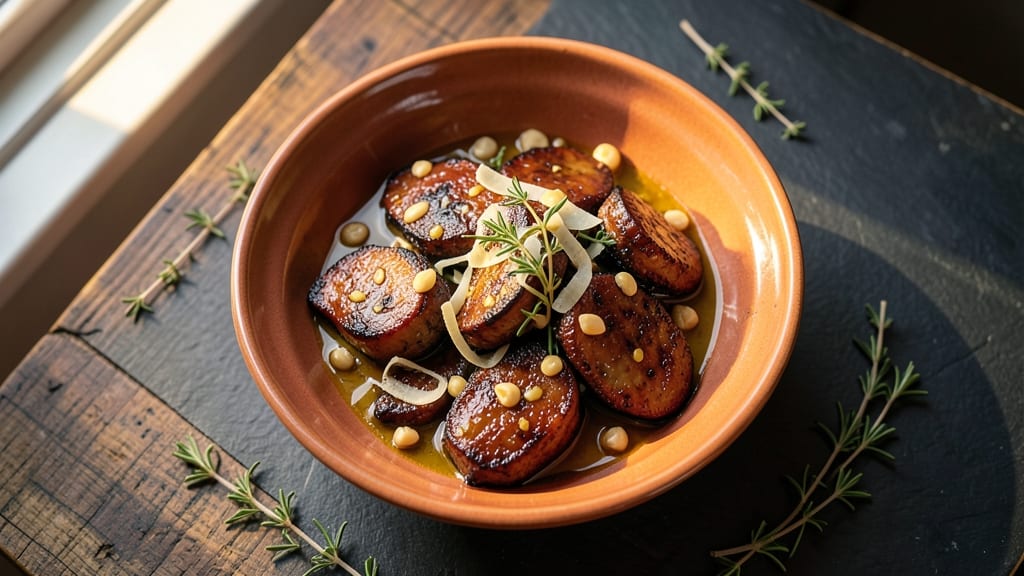
This baked chicken livers recipe transforms humble offal into a luxurious, buttery dish with restaurant-worthy richness—all in just 20 minutes. The secret lies in proper preparation: soaking, seasoning, and searing to eliminate any gaminess while building a golden, crispy crust.
I’ve perfected this technique after years of experimenting, ensuring tender interiors and caramelized exteriors every time.
What sets this recipe apart is the two-step cooking process: starting with a quick pan sear to render fat and develop flavor, then finishing in the oven for even cooking.
A simple marinade of lemon, garlic, and herbs brightens the natural richness, while a touch of butter at the end creates that signature velvety sheen. The result? A dish that’s elegant enough for dinner parties but quick enough for weeknights.
The final product delivers melt-in-your-mouth texture with a crispy edge, paired perfectly with creamy mashed potatoes or a crisp green salad. The aroma alone—warm, savory, and slightly herby—will have your guests asking for seconds.
This isn’t just chicken livers; it’s a transformative culinary experience that turns a simple protein into something extraordinary.
Whether you’re serving it as a main course or an appetizer, this method ensures foolproof results with minimal effort. The key is patience during the soaking step—it’s what makes all the difference. Let’s get cooking!
Ingredients for baked chicken livers
Buttery richness meets precise technique in this luxurious baked chicken livers recipe.
| Ingredient | Amount | Notes |
|---|---|---|
| Chicken Livers 🍗 | 1 ½ lb | Fresh, trimmed of connective tissue |
| Unsalted Butter 🧈 | ½ cup | Cold, cubed for searing |
| Extra-Virgin Olive Oil 🫒 | 2 tbsp | For initial pan searing |
| Fresh Lemon Juice 🍋 | 2 tbsp | Brightens natural richness |
| Garlic Cloves 🧄 | 4 cloves | Minced, for marinade depth |
| Fresh Thyme Leaves 🌿 | ¼ cup | Chopped, aromatic balance |
| Fresh Parsley Leaves 🌿 | ¼ cup | Chopped, for fresh finish |
| Diamond Crystal Kosher Salt 🧂 | 1 ½ tsp | For seasoning balance |
| Freshly Ground Black Pepper 🌶️ | ½ tsp | Cracked, not powdered |
| Heavy Cream 🥛 | ¼ cup | For velvety sheen finish |
| All-Purpose Flour 🌾 | 2 tbsp | For dredging before searing |
| Ice Water 💧 | 1 cup | For soaking preparation |
The chicken livers require careful preparation to eliminate any gaminess. Purchase from a trusted butcher—look for vibrant red color and firm texture. Whole Foods or specialty meat counters typically carry the best quality, but any reputable grocer with a fresh meat section will suffice. The soaking step is non-negotiable: place livers in ice water for 30 minutes before draining and patting thoroughly dry. This process removes impurities and ensures optimal texture. For the butter, European-style unsalted melts more cleanly than American varieties, creating that signature velvety finish.
No fresh thyme? Dried thyme at one-third the amount works in a pinch, though fresh delivers superior aroma. Substituting olive oil for butter during searing? Use 1 tbsp less since olive oil has lower smoke point. The heavy cream finish can be swapped for coconut cream for a dairy-free option, though texture will differ slightly. For those avoiding gluten, omit the flour dredge entirely—simply pat livers dry before searing. The lemon juice is essential for brightness; bottled versions lack the necessary acidity, so fresh is strongly recommended. If you're short on time, pre-minced garlic from a jar works, though freshly minced cloves elevate the dish significantly.
Prepped livers keep in an airtight container in the fridge for 1 day before cooking. The finished dish reheats beautifully—simply warm in a skillet with a splash of water for 2-3 minutes to restore crispiness. For make-ahead convenience, sear and freeze the livers before baking; finish cooking directly from frozen by adding 5 minutes to the baking time. Store leftovers in the fridge for 3 days or freeze for 3 months. The butter and cream components should be added fresh before serving to maintain optimal texture.
Why You'll Love This Recipe
- One-Pan Magic: I swear by this recipe because it’s that simple—just toss the livers with butter, olive oil, and garlic, then bake. No flipping, no fussing, just hands-off perfection while you sip your coffee or watch the news.
- Rich, Bright Bite: That buttery richness from the chicken livers? It’s balanced by the zing of lemon and garlic, creating a flavor so good it’ll make you forget you’re eating offal. The crispy edges? Absolute gold.
- Weeknight or Weekend: Honestly, this works for everything—a quick weeknight dinner, a fancy-ish appetizer for guests, or even a picnic when packed in a thermos. The leftovers? Just as delicious reheated the next day.
- Budget Powerhouse: Chicken livers are cheap, and this recipe stretches them far. Between us, I’ve fed four people for under $10, and they’ll never guess it’s not steak night. Plus, the prep takes half the time of cooking meat.
Step-by-step instructions for baked chicken livers with buttery richness
Transform humble chicken livers into luxurious, velvety bites using precise technique and bold flavors.
Prepare and Soak the Chicken Livers
Rinse the 1.5 lb chicken livers thoroughly under cold running water to remove any blood, then pat them completely dry with paper towels. This step is critical—any moisture left on the livers will prevent proper browning later.
Transfer the livers to a large bowl and add the 1 cup ice water. This soak removes residual blood and prevents bitterness while keeping the texture tender. Let them soak for 15 minutes, then drain and rinse again under cold water. Pat them dry once more before proceeding—you want them completely moisture-free for optimal searing.
Create the Herb Marinade
In a small bowl, combine the 2 tbsp fresh lemon juice, 4 minced garlic cloves, 0.25 cup chopped fresh thyme leaves, and 0.25 cup chopped fresh parsley leaves. This bright, aromatic blend will infuse the livers with depth while balancing their natural richness.
Add the 1.5 tsp diamond crystal kosher salt and 0.5 tsp freshly ground black pepper to the marinade. Mix well, then transfer the livers to a resealable plastic bag, pour the marinade over them, and massage gently to coat evenly. Let them marinate for at least 30 minutes in the refrigerator—this ensures maximum flavor penetration without overcooking the delicate meat.
Dredge and Sear the Livers
Heat a large oven-safe skillet over medium-high heat and add the 2 tbsp extra-virgin olive oil. Once the oil shimmers (about 1 minute), remove the livers from the marinade, shaking off any excess, and dredge them lightly in the 2 tbsp all-purpose flour. This creates a delicate crust that will brown beautifully.
Working in batches to avoid crowding, add the floured livers to the skillet in a single layer. Cook undisturbed for 2-3 minutes per side until they develop a deep golden-brown crust and release easily from the pan. The internal temperature should reach 145°F—use an instant-read thermometer to check the thickest piece. Transfer the cooked livers to a plate and tent loosely with foil to keep warm.
Finish with Buttery Cream Sauce
Reduce the heat to medium-low and add the 0.5 cup cold cubed unsalted butter to the skillet. Let it melt completely, then pour in the 0.25 cup heavy cream, scraping up any browned bits from the bottom of the pan. These flavorful fond bits are essential for a rich, complex sauce.
Simmer gently for 2-3 minutes until the sauce thickens slightly and coats the back of a spoon. Return the livers to the skillet, spooning the sauce over them to coat evenly. Let everything heat through for 1 minute, then transfer to a serving platter. The sauce should be glossy and velvety, clinging beautifully to each tender liver.
Serve Immediately with Fresh Herbs
Garnish the livers with additional chopped fresh parsley leaves for a pop of color and freshness. Serve immediately while the sauce is still warm and the livers are at their peak tenderness. The contrast of the buttery sauce against the crispy exterior creates a luxurious texture experience.
For best results, serve with crusty bread or buttered potatoes to soak up every last bit of that decadent sauce. The combination of bright lemon, aromatic herbs, and rich butter transforms these humble offal cuts into a restaurant-worthy centerpiece.
Pro Tips For Making Baked Chicken Livers
- Prep Livers First: Soak the chicken livers in cold water for 10 minutes before prepping—it removes excess blood and makes them easier to handle (yes, even if you're impatient like me). Pat them very dry afterward with paper towels; moisture is the enemy of crispy edges.
- Start Hot, Finish Low: Sear them in a screaming-hot pan with olive oil for 2 minutes per side—this locks in flavor. Then transfer to a 375°F (190°C) oven for 8–10 minutes. Rushing the oven step means rubbery livers; skipping the sear means bland ones.
- Use Lemon Like a Boss: Don’t just toss in juice—zest the peel first and mix it into the butter. The oils in the zest amplify the brightness, and it cuts through the richness without overpowering. (Your future self will notice the difference.)
- Check Doneness with a Thermometer: Chicken livers hit 160°F (71°C) fast—overcook them, and they’ll turn to leather. Pierce the thickest one; if the juices run clear (not pink), they’re done. No guessing, no sad texture. (I learned this the hard way after a batch of gray, chewy livers.)
Essential equipment for this recipe
Skillet Essentials
An oven-safe stainless steel skillet is your best friend for this recipe—I swear by my All-Clad 10-inch for its even heat distribution and durability. The stainless steel surface prevents sticking while allowing for that perfect golden crust.
If you don’t have one, a cast iron skillet works too, but preheat it longer to avoid temperature fluctuations. Avoid non-stick pans—they won’t achieve the same caramelization. 🔥
Thermometer Must-Have
An instant-read thermometer is non-negotiable for chicken livers—they cook quickly and can go from perfect to overdone in seconds. I recommend the ThermoWorks Thermapen One for its speed and accuracy.
Check the thickest piece to reach 145°F internal temperature—this ensures juicy centers without drying out. A cheap pop-up thermometer won’t cut it here.
Butter and Cream Tools
Use cold cubed butter (not melted) to create a velvety sauce—this is key for that restaurant-quality finish. A small metal spoon works best for scraping up fond bits from the skillet.
For the heavy cream, a whisk helps emulsify it smoothly with the butter. I keep a small saucepan nearby to reheat any leftover sauce if needed.
Prep Station Setup
Organize your workspace with these essentials: a large mixing bowl for soaking, a resealable plastic bag for marinating, and a fine-mesh strainer for rinsing. A sharp chef’s knife and cutting board are crucial for mincing garlic and herbs efficiently.
Keep paper towels nearby for patting livers completely dry—this step can’t be skipped!
Optional Upgrade
For a pro touch, invest in a microplane to zest fresh lemon directly into the marinade—this adds bright citrus notes without extra prep. A small mortar and pestle also works beautifully for crushing fresh thyme leaves into the marinade for maximum aroma.
These upgrades elevate flavor without complicating the process. 💫
Nutrition facts
Frequently asked questions
Why do I need to soak chicken livers before cooking?
The soaking step in ice water for 15 minutes removes residual blood and impurities that can make the livers bitter or metallic-tasting. This also helps tenderize the meat, ensuring a silky texture rather than a tough, chewy result. Skipping this step risks gamey flavors even with perfect cooking.
Can I substitute butter with another fat for the sauce?
Yes, but texture and flavor will change. For a dairy-free option, use coconut oil or ghee (both work well at high heat). Olive oil lacks the richness of butter, so use 1 tbsp extra and add a splash of lemon juice to brighten the sauce. Avoid vegetable oils—they burn easily and won't caramelize like butter.
What's the best way to reheat leftover chicken livers?
Reheat gently in a skillet over low heat with 1 tbsp butter or cream for 2-3 minutes—just until warmed through. Microwaving makes them rubbery, and oven reheating dries them out. For extra richness, add a splash of heavy cream while reheating to restore that velvety sheen.
How do I know when chicken livers are fully cooked?
Use an instant-read thermometer—the internal temperature should reach 145°F. The edges should be deep golden-brown, and the meat should pull away cleanly from the pan. If they're still pink inside, return to the pan for 30 seconds more. Overcooking turns them dry and gray.
What's the best pairing for this dish?
This rich recipe pairs perfectly with creamy mashed potatoes, crusty sourdough bread, or a bright citrus salad. For wine lovers, a dry Riesling or Pinot Noir** complements the buttery flavors beautifully. Avoid heavy reds—they overpower the delicate herb notes.