
Main Courses
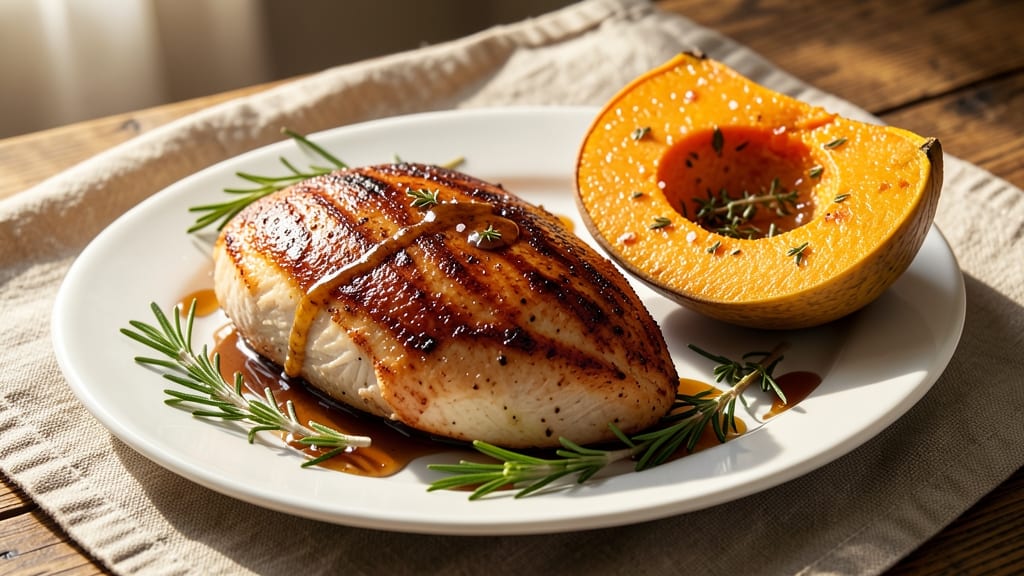
This baked chicken breast and acorn squash recipe transforms simple ingredients into a restaurant-worthy meal with minimal effort. The secret lies in balancing tender, herb-marinated chicken with naturally sweet, caramelized squash—a combination that delivers both hearty satisfaction and elegant presentation. I developed this dish during a particularly busy week when I needed a meal that felt special without requiring hours in the kitchen.
The chicken breast stays juicy and flavorful thanks to a simple herb marinade and precise baking technique, while the acorn squash roasts until its edges turn crisp and its flesh becomes tender enough to melt in your mouth.
The maple glaze adds a touch of sweetness that complements the savory chicken, creating a harmonious balance of flavors in every bite. This method ensures both components cook perfectly at the same time, making cleanup effortless.
What you'll end up with is a plate that looks as impressive as it tastes—golden-brown chicken resting atop a bed of caramelized squash, drizzled with a glossy maple glaze.
The aromas alone will have everyone gathering at the table, and the first bite delivers a perfect marriage of textures: crispy, tender, and velvety all at once. The best part? This recipe scales beautifully, whether you're feeding a family of four or hosting a dinner party.
Serve with a side of steamed greens or a simple salad to round out the meal. The flavors are rich enough to stand alone but flexible enough to pair with your favorite sides.
Ready to create a dish that feels like a gourmet experience without the fuss? Let's get started with the ingredients and instructions.
Ingredients for baked chicken breast and acorn squash
Simple ingredients that deliver restaurant-worthy flavor without the fuss.
| Ingredient | Amount | Notes |
|---|---|---|
| Boneless, Skinless Chicken Breast 🍗 | 1 ½ lb | Pounded to even thickness |
| Acorn Squash 🎃 | 1 whole | Medium-sized, halved lengthwise |
| Pure Maple Syrup 🍯 | ¼ cup | Grade B for best flavor |
| Olive Oil 🫒 | ¼ cup | Extra-virgin for richness |
| Fresh Thyme Leaves 🌿 | ¼ cup | Stems removed, loosely packed |
| Fresh Rosemary Sprigs 🌿 | ⅛ cup | Finely chopped, fresh preferred |
| Garlic Cloves 🧄 | 4 cloves | Minced, fresh preferred |
| Salt 🧂 | 1 ½ tsp | Kosher or sea salt |
| Black Pepper 🌶️ | ½ tsp | Freshly ground preferred |
| Ground Cinnamon 🌶️ | ¼ tsp | For squash glaze |
| Butter 🧈 | 2 tbsp | Unsalted, softened |
| Lemon Juice 🍋 | 1 tbsp | Freshly squeezed |
The chicken breast is the star here, so don't skimp on quality. Look for plump, uniform breasts—the ones with the most even thickness cook more consistently. I grab mine from Whole Foods or the butcher counter at Trader Joe's when they have them fresh. The acorn squash? Any size works, but medium is easiest to handle. If you can't find acorn squash, butternut or kabocha are great substitutes. Just make sure it's firm and heavy for its size—no soft spots. The maple syrup should be Grade B—it's darker and richer than the lighter Grade A. Walmart or Target usually carry it, or check the baking aisle at Costco for bulk options.
No fresh thyme or rosemary? Dried works in a pinch, but use about one-third the amount. The olive oil matters here—don't use the cheap stuff. Trader Joe's has a great affordable extra-virgin option, or grab a small bottle of California Olive Ranch if you're splurging. Running low on butter? Olive oil or coconut oil works in a bind, though the texture won't be quite the same. The garlic can be pre-minced from a jar (it's fine), but fresh is always better. If you're out of cinnamon, a pinch of nutmeg will give you that warm note. And if you don't have lemon juice? White vinegar or apple cider vinegar in a pinch—just reduce the amount to half a tablespoon.
This dish reheats beautifully—just pop it in the oven at 350°F for about 10 minutes. The squash keeps well for 4-5 days in the fridge, and the chicken stays good for 3-4 days if stored separately. For leftovers, I like to portion the chicken and squash into separate containers so they don't get soggy. The maple glaze can be made ahead and stored in the fridge for 1 week, or frozen for 3 months. Pro tip: if you're making this for a crowd, double the squash and chicken—it scales perfectly.
Why You'll Love This Recipe
- One-Pan Magic: I swear by this recipe when I’m too tired to wash dishes—just slice the squash, season the chicken, drizzle that maple syrup, and let the oven do the work. No pots, no pans, no stress.
- Sweet-Savory Balance: That maple syrup isn’t just for show—it caramelizes into a sticky glaze while the thyme adds earthy warmth, making the chicken tender with a hint of autumnal sweetness. Honestly, the first bite makes me forget it’s "healthy."
- Meal Prep Hero: Between us, this is my go-to for lunches all week. The squash holds up beautifully, and the chicken reheats like a dream—just toss it in the microwave or pack it cold. (Yes, even on a Tuesday night.)
- Budget-Friendly Feast: Acorn squash is cheaper than butternut, and chicken breast stretches further than you’d think when paired with its natural sweetness. I’ll be real: it’s the kind of dish that makes grocery day feel like a win.
Step-by-step instructions for sweet maple and herb roast chicken with acorn squash
Here's how to create a perfectly balanced dish where tender chicken meets caramelized squash in a sweet-herb harmony.
Prep the Chicken and Season Generously
Start by pounding the 1.5 lb boneless, skinless chicken breast to an even ½-inch thickness between two sheets of plastic wrap. This ensures even cooking and juicy results. Season both sides aggressively with 1.5 tsp salt and 0.5 tsp black pepper, pressing the seasoning into the meat so it sticks. Let the seasoned chicken rest at room temperature for 15 minutes while you prep the squash.
I like to give the chicken this extra seasoning time because it helps the salt penetrate and develop flavor before hitting the oven. Don't skip this step—it makes a noticeable difference in the final taste. While it rests, you'll notice the surface becomes slightly dry, which is perfect for that crispy exterior we're aiming for.
Roast the Chicken to Juicy Perfection
Preheat your oven to 400°F and place an oven-safe skillet over medium-high heat. Add 2 tbsp softened butter and 0.25 cup olive oil to the skillet and let it get hot but not smoking. Place the seasoned chicken in the skillet and cook for 3-4 minutes per side until golden brown and cooked through to 165°F internally.
You'll know it's ready when the edges are golden and the chicken releases easily from the skillet. Transfer the chicken to a plate and tent loosely with foil to keep warm. The residual heat in the skillet will help keep it warm while you prepare the squash. Don't overcook it here—we're just getting it started toward doneness.
Prepare the Acorn Squash with Maple-Herb Glaze
Cut the 1 whole acorn squash in half lengthwise and scoop out the seeds using a spoon. Brush the cut sides with 0.25 cup olive oil, then sprinkle with 0.25 tsp ground cinnamon and 0.5 tsp black pepper. Place the squash halves cut-side down in the same skillet you used for the chicken, spreading the seeds evenly in the bottom of the skillet.
Roast the squash in the oven for 20 minutes at 400°F until the flesh becomes tender when pierced with a fork. While it roasts, make the maple glaze by combining 0.25 cup pure maple syrup, 0.25 cup fresh thyme leaves, 0.125 cup finely chopped fresh rosemary sprigs, 4 minced garlic cloves, and 1 tbsp freshly squeezed lemon juice in a small bowl. Stir well to combine.
Finish with Maple-Herb Glaze and Rest
After 20 minutes, remove the squash from the oven and carefully pour the maple-herb glaze over the cut sides. Return the squash to the oven for another 10-15 minutes until the glaze caramelizes and the squash is fork-tender. The glaze should be bubbly and slightly thickened, clinging to the squash in a glossy layer.
While the squash finishes, slice the chicken into ½-inch thick pieces. Return the chicken to the skillet with the squash and spoon any accumulated juices from the plate over the chicken. Let everything rest together in the oven for 5 minutes to meld the flavors. This resting period ensures the chicken stays juicy and the squash absorbs all those delicious maple and herb notes.
Serve Warm with Fresh Herbs
Transfer the chicken and squash to serving plates, spooning any extra glaze from the skillet over the top. Garnish with additional fresh thyme leaves and rosemary sprigs for a pop of color and freshness. The chicken should be golden and juicy, while the squash will have a caramelized exterior with tender, slightly sweet flesh underneath.
Serve immediately while everything is warm. The maple glaze should be sticky and aromatic, complementing the savory chicken perfectly. This dish pairs beautifully with a simple side salad or crusty bread to soak up all those delicious juices. Enjoy your sweet-herb roast harmony!
Pro Tips For Making Baked Chicken Breast And Acorn Squash
- BRINE THE CHICKEN: Toss your chicken breasts in a mix of 1 cup warm water, 1 tablespoon salt, and 1 tablespoon maple syrup for 20 minutes before baking. I learned this the hard way—dry, bland chicken ruins the whole dish, and brining keeps it juicy while letting the maple syrup caramelize better later.
- HALVE THE SQUASH: Cut the acorn squash in half lengthwise, scoop out seeds, and roast it cut-side down for the first 20 minutes. This ensures even cooking and prevents the flesh from drying out—no more mushy centers or undercooked edges.
- DON’T OVERMAPLE: Use just 1 tablespoon of pure maple syrup per squash half and 1 teaspoon per chicken breast. I was overzealous once and ended up with a sticky, overly sweet mess—this amount glaze without drowning the dish.
- THYME AFTER BAKE: Sprinkle fresh thyme leaves over the chicken and squash after baking, not before. The heat releases their oils and aroma, making the dish smell like a fall market—adding them earlier just burns them to oblivion.
Pro cooking tips for baked chicken breast and acorn squash
Chicken Pounding Technique
Pounding your chicken breast to an even ½-inch thickness makes all the difference for juicy results. Use a meat mallet or rolling pin wrapped in plastic wrap to avoid tearing the meat. I find that hitting the chicken 4-5 times on each side gives me that perfect even thickness.
This step is crucial because thicker areas will overcook while thinner spots may stay underdone. 💪
Salt Penetration Secret
Don’t just sprinkle salt on the chicken—press it firmly into the meat so it adheres and penetrates. I like to season both sides generously with 1.5 tsp kosher salt and let it rest for 15 minutes before cooking.
This resting period allows the salt to break down muscle fibers, creating a more tender texture. Trust me, the flavor difference is noticeable!
Skillet Prep for Perfect Sear
Heat your oven-safe skillet over medium-high heat until it’s hot but not smoking before adding the chicken. I use a 12-inch cast iron skillet from Lodge because it retains heat so well. Add 2 tbsp softened butter and 0.25 cup olive oil to create a flavorful base.
The butter adds richness while the oil helps prevent sticking—this combo is a game-changer for crispy, golden edges. 🔥
Squash Caramelization Tips
For the squash, place the halves cut-side down in the skillet with the seeds spread in the bottom. This creates a natural rack for even cooking and prevents the squash from sitting in its own juices.
Roast at 400°F for 20 minutes before adding the glaze. The seeds will crisp up and add a smoky depth to the dish—don’t skip this step!
Glaze Consistency Matters
The maple-herb glaze should coat the squash in a glossy layer but not pool at the bottom. If it’s too runny, simmer it for 2-3 minutes on the stovetop to thicken slightly. I like to add 1 tbsp lemon juice to brighten the flavors and cut through the sweetness.
The glaze should caramelize beautifully during the final 10-15 minutes in the oven—this is when the magic happens! ✨
Resting for Juicy Results
Let the chicken and squash rest together in the oven for 5 minutes after adding the glaze. This resting period allows the juices to redistribute in the chicken, keeping it moist and flavorful.
The squash will also absorb the glaze more evenly, creating a cohesive dish. Don’t skip this step—it’s the secret to restaurant-quality results at home! 💡
Nutrition facts
Frequently asked questions
Why does the recipe call for pounding the chicken breast?
Pounding creates an even thickness, ensuring the chicken cooks perfectly without drying out. ½-inch thickness guarantees juicy results throughout, while thicker areas would overcook. This simple step makes all the difference for restaurant-quality tenderness.
Can I use a different type of squash instead of acorn?
Butternut or kabocha squash work beautifully—they have similar textures and sweetness. Just adjust cooking time slightly as they may require 5-10 extra minutes depending on size. The maple glaze will still caramelize wonderfully.
How do I know when the chicken is fully cooked?
Use a meat thermometer to check for 165°F in the thickest part. The edges should be golden brown, and the meat should pull away cleanly from the bone when sliced. Never rely on color alone—juices should run clear, not pink.
What if I don't have fresh herbs?
Use ⅓ the amount of dried herbs (thyme/rosemary) as a substitute. For example, 1 tsp dried thyme instead of 0.25 cup fresh. The flavor will be slightly different but still delicious. Store-bought minced garlic works too—just reduce to 2 cloves if using jarred.
Can I make this dish ahead of time?
Yes! Assemble everything except the glaze, refrigerate overnight, then bake as directed. For leftovers, reheat at 350°F for 10 minutes. The squash keeps well for 4-5 days and chicken for 3-4 days when stored separately. The glaze can be prepped 1 week ahead and frozen.