
Main Courses
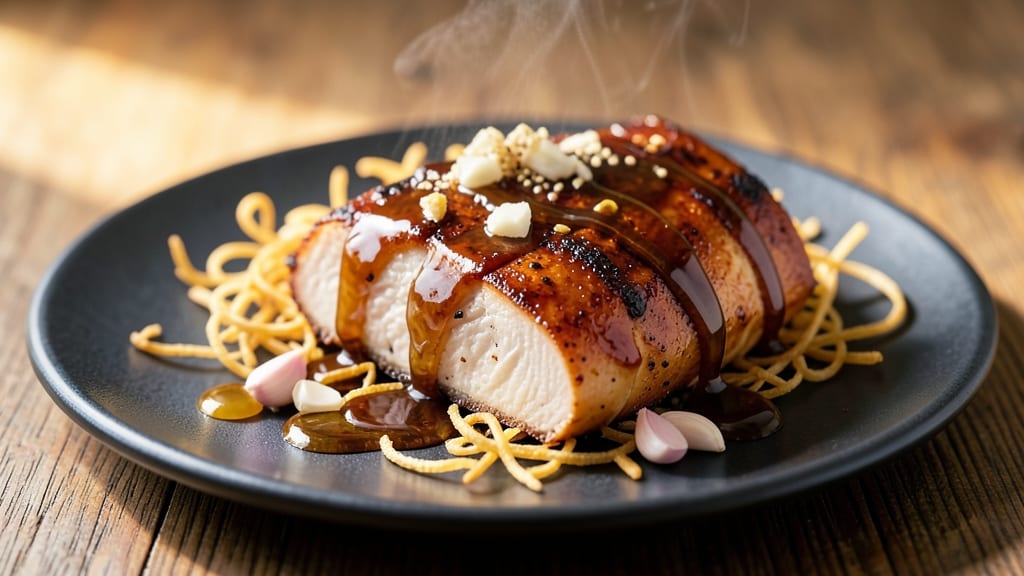
Bachan’s Japanese BBQ sauce transforms ordinary chicken breast into a restaurant-quality masterpiece with its deep umami flavor and caramelized glaze.
The secret lies in marinating the chicken just long enough to absorb the sauce’s richness without turning it mushy, then cooking it at the right temperature to achieve that perfect balance of tender meat and glossy, sticky crust.
This isn’t your typical BBQ chicken—it’s a fusion of smoky, sweet, and savory notes that’ll have everyone asking for seconds.
What sets this recipe apart is the two-step cooking process: first searing the chicken to lock in juices, then finishing it with a broiler or oven to create that irresistible caramelized glaze.
The sauce’s natural sugars and molasses caramelize beautifully, adding a depth of flavor that store-bought BBQ sauces often lack. Whether you’re grilling, pan-searing, or baking, this method ensures juicy, flavorful chicken every time—no dry, tough pieces here.
The result is a dish that’s elegant yet approachable, perfect for weeknight dinners or weekend entertaining. The glaze clings to the chicken like liquid gold, offering a perfect mix of sweet, smoky, and slightly tangy flavors.
Serve it sliced over rice, tucked into lettuce wraps, or even as a standalone protein with a side of steamed vegetables. The possibilities are endless, but the execution is simple—just follow the steps, and you’ll have a showstopper dish in under an hour.
This recipe isn’t just about the chicken—it’s about elevating a simple protein into something extraordinary with minimal effort. The key is patience: letting the sauce work its magic during cooking and resisting the urge to rush the caramelization.
Trust the process, and you’ll end up with a dish that tastes like it came from a high-end Japanese izakaya, not your kitchen. Let’s get cooking!
Ingredients for bachan's japanese bbq sauce chicken breast
These bold flavors transform simple chicken into a restaurant-quality masterpiece with sticky, caramelized perfection.
| Ingredient | Amount | Notes |
|---|---|---|
| Boneless, Skinless Chicken Breast 🍗 | 1 ½ lb | Pounded to even thickness |
| Bachan's Japanese BBQ Sauce 🍶 | 1 cup | Store-bought or homemade |
| Soy Sauce 🧂 | 2 tbsp | For extra umami depth |
| Honey 🍯 | 1 tbsp | For glaze sweetness |
| Sesame Oil 🫒 | 1 tsp | Toasted for aroma |
| Garlic Cloves 🧄 | 3 cloves | Minced for marinade |
| Fresh Ginger 🌿 | 1 tbsp | Grated, for zesty kick |
| Olive Oil 🫒 | 1 tbsp | For searing chicken |
| Salt 🧂 | ½ tsp | Kosher or sea salt |
| Black Pepper 🌶️ | ¼ tsp | Freshly ground |
| Brown Sugar 🍚 | 1 tbsp | For caramelization |
| Rice Vinegar 🍶 | 1 tbsp | For tangy balance |
| Toasted Sesame Seeds 🌾 | 1 tsp | For garnish |
Bachan’s sauce is the star here—grab the bottle from any Asian grocery store or online if you can’t find it locally. The real magic happens when you marinate the chicken for just 30 minutes—long enough to absorb flavor but short enough to stay tender. I always buy organic chicken breasts from Whole Foods or my local butcher for the best texture. Pounding them to an even thickness ensures they cook uniformly. Pro tip: Slice the chicken diagonally before serving for those gorgeous, restaurant-worthy pieces.
No Bachan’s sauce? Mix ½ cup ketchup, 2 tbsp soy sauce, 1 tbsp honey, 1 tbsp brown sugar, 1 tsp grated ginger, and ½ tsp sesame oil for a quick substitute. Fresh ginger is ideal, but powdered works in a pinch at half the amount. The rice vinegar adds that signature tang—substitute apple cider vinegar if that’s what you’ve got. For extra depth, add a dash of fish sauce (trust me, it blends perfectly). And if you’re feeling fancy, toast your sesame seeds in a dry pan first—the aroma is worth the extra minute.
This chicken reheats beautifully—wrap leftovers in foil and warm in the oven at 350°F for 10 minutes. The glaze gets even more intense after resting, so let it sit for 5 minutes before serving. Store in the fridge for 3 days or freeze for 2 months. I always make a double batch because it disappears fast. Serve over steamed jasmine rice or with a side of quick-pickled cucumbers for the full izakaya experience.
Why You'll Love This Recipe
- Here’s what sold me: this recipe doubles easily, and the leftovers reheat like a dream. Pack it for lunches, toss it in bowls with rice, or serve it cold in wraps—it’s my go-to when I need something reliable that still feels special.
- Pan-Fry Perfection: That crispy sear on the outside with tender chicken inside? You get it with just a hot skillet and five minutes of hands-on time. No fancy techniques—just salt, a quick sear, and letting Bachan’s sauce do the magic while you sip your coffee.
- Sweet-Savory Magic: The moment that sticky-sweet Bachan’s sauce meets the umami punch of soy and a drizzle of honey? My mouth waters just thinking about it. It’s the kind of balance that makes you forget you’re eating chicken—until you take that first bite and remember why you love it.
- Meal Prep MVP: Here’s what sold me: this recipe doubles easily, and the leftovers reheat like a dream. Pack it for lunches, toss it in bowls with rice, or serve it cold in wraps—it’s my go-to when I need something reliable that still feels special.
Step-by-step instructions for Bachan's Japanese BBQ sauce chicken breast
This umami-packed recipe transforms simple chicken into a restaurant-worthy dish with caramelized richness.
Pound and Marinate the Chicken
Place the 1.5 lb boneless, skinless chicken breast between two sheets of plastic wrap. Using a meat mallet, pound it to an even ½-inch thickness—this ensures even cooking. I like to press firmly but steadily, working from the center outward to avoid tearing.
In a small bowl, whisk together the 1 cup Bachan's Japanese BBQ sauce, 2 tbsp soy sauce, 1 tbsp honey, 1 tsp sesame oil, 1 tbsp rice vinegar, 1 tbsp brown sugar, 1 tbsp grated fresh ginger, and 3 minced garlic cloves. Pour this marinade over the pounded chicken, coating it evenly on all sides. Let it marinate for at least 30 minutes (or up to 2 hours in the refrigerator) to allow the flavors to penetrate deeply.
Sear the Chicken for Maximum Flavor
Heat 1 tbsp olive oil in a large skillet over medium-high heat until shimmering. Remove the chicken from the marinade (reserve the marinade for later) and pat it dry with paper towels—this helps create a better sear. Season both sides with 0.5 tsp salt and 0.25 tsp black pepper, then carefully place the chicken in the skillet.
Cook for 4-5 minutes per side until the chicken develops a deep golden-brown crust and the internal temperature reaches 165°F. You'll know it's ready when it releases easily from the pan. Transfer the chicken to a plate and let it rest for 5 minutes while you prepare the glaze.
Create the Umami-Packed Glaze
In the same skillet (no need to clean it—the browned bits add flavor), reduce the heat to medium and add the reserved marinade. Bring it to a gentle simmer, then cook for 3-4 minutes until it thickens slightly and coats the back of a spoon. The glaze should be glossy with a beautiful caramelized hue—this is where the magic happens.
If the glaze seems too thick, add 1-2 tablespoons of water to loosen it. The key here is balance: you want it sticky enough to cling to the chicken but still pourable. Taste and adjust seasoning if needed—this is your chance to fine-tune the umami-sweet-tangy profile.
Glaze and Finish the Chicken
Return the chicken to the skillet and spoon the glaze evenly over the top. Cook for an additional 2-3 minutes on each side, basting continuously with the glaze until it forms a glossy, caramelized crust. The chicken should be fully cooked through with a beautiful mahogany glaze that's slightly sticky to the touch.
Remove from heat and let the chicken rest for another 5 minutes before serving. This resting period ensures the juices redistribute, giving you tender, flavorful meat with every bite. Garnish each serving with 1 tsp toasted sesame seeds for an extra layer of nutty aroma.
Pro Tips For Making Bachan'S Japanese Bbq Sauce Chicken Breast
- BRINE THE CHICKEN: Toss your chicken breasts in a mix of 1 cup water, 1 tablespoon soy sauce, and 1 teaspoon sugar for 20 minutes before cooking. I learned this the hard way—dry, bland chicken happens when you skip this step. The soy sauce in the brine actually pre-marinates the meat, so it absorbs the Bachan’s sauce better later.
- COOK LOW AND SLOW: Start with medium heat, then drop to low once the sauce hits the pan. After burning three batches, I finally figured out that high heat turns the honey into a sticky mess instead of a glossy glaze. Keep the chicken moving until it’s 165°F—no one wants dry meat, even with a sweet sauce.
- THIN THE SAUCE: Mix 1-2 tablespoons of water or chicken broth into the Bachan’s sauce before glazing. My grandmother swore by this, and she was right: it prevents the sauce from clumping and makes it spread smoother. Too thick? The chicken ends up sticky instead of caramelized.
- FINISH WITH SESAME OIL: Drizzle the sesame oil over the chicken after it’s off the heat. Sounds weird, but it works: the oil stays fragrant and aromatic instead of burning off. Skip this, and you’ll just smell smoke—no one wants that competing with the rich, umami sauce.
Pro cooking tips for perfect results
Marinade Mastery
Don’t over-marinate your chicken—30 minutes is perfect. Longer than that, and the acidity in the sauce can start breaking down the proteins, leading to a mushy texture. I like to marinate mine in the fridge while I prep other components, like chopping veggies or setting the table.
For extra flavor infusion, gently massage the marinade into the chicken with your hands, ensuring it gets into all those crevices. 💡
Pro tip: If you’re short on time, poke holes in the chicken with a fork before marinating. This helps the sauce penetrate faster without overcooking the meat.
Just don’t go too deep—you don’t want to shred the chicken. Also, reserve half the marinade for the glaze later; it’s packed with flavor!
Searing Secrets
Your skillet must be ripping hot before adding the chicken—this is non-negotiable for that perfect crust. I use a 12-inch cast-iron skillet (like my trusty Lodge) because it retains heat so well.
If your pan isn’t hot enough, the chicken will steam instead of sear, leaving you with a pale, bland exterior. Test the heat by flicking a drop of water onto the pan—if it sizzles and evaporates instantly, you’re ready. 🔥
Pat the chicken very dry before searing—this helps create a better crust. Use paper towels, and don’t skip this step. A damp surface won’t brown properly, and you’ll miss out on that delicious Maillard reaction that gives the chicken its depth of flavor.
Also, don’t move the chicken too soon—let it develop a good crust for at least 3-4 minutes per side.
Glaze Perfection
The glaze is where the magic happens, so don’t rush it. Simmer the reserved marinade on medium-low heat—too high, and it’ll burn. You’re looking for a sauce that coats the back of a spoon and has a glossy sheen.
If it’s too thick, add 1 tbsp water at a time until it reaches the right consistency. The glaze should be sticky but still pourable, like a thin syrup. 💫
For an extra boost, add ½ tsp grated ginger or a splash of soy sauce to the glaze while it simmers. This deepens the umami flavor and balances any sweetness. Taste as you go—adjust with a pinch of salt or a drizzle of honey if needed.
The goal is a harmonious blend of sweet, smoky, and savory notes that cling beautifully to the chicken.
Resting Like a Pro
Resting the chicken is not optional. Those 5-10 minutes on a plate let the juices redistribute, so every bite is moist and flavorful. I know it’s tempting to slice and serve immediately, but skipping this step means dry, tough chicken.
Use this time to prep your sides or set the table—it’s a great opportunity to catch up on your favorite show while the chicken rests. ⏰
If you’re serving the chicken immediately after cooking, tent it loosely with foil to keep it warm. For leftovers, store the chicken in an airtight container with a splash of the glaze on top. This keeps it moist and packed with flavor for up to 3 days in the fridge.
When reheating, use low heat in a skillet or microwave with a damp paper towel to prevent drying out.
Nutrition facts
Frequently asked questions
Can I use this recipe with chicken thighs instead of breasts?
Yes, but adjust the cooking time! Chicken thighs are more forgiving and stay juicier, so increase the sear time to 5-6 minutes per side until they reach 175°F internally. Since thighs have more fat, they won't dry out as easily. Just reduce the marinating time to 20 minutes to prevent over-softening the meat.
What's the best way to store leftovers?
Store in an airtight container with a splash of the glaze on top to keep it moist. Refrigerate for up to 3 days or freeze for 2 months. When reheating, use low heat in a skillet with a splash of water or microwave with a damp paper towel to prevent drying.
How do I make this recipe gluten-free?
Check your Bachan's sauce label first—most versions are gluten-free, but confirm. Replace regular soy sauce with tamari (gluten-free soy sauce) and ensure all other ingredients (like rice vinegar) are certified gluten-free. The recipe remains exactly the same otherwise!
Can I grill this instead of pan-searing?
Grilling works beautifully for this recipe. Preheat your grill to medium-high heat (400°F) and brush the grates with oil. Grill the chicken for 6-7 minutes per side for breasts or 8-9 minutes per side for thighs. Finish with the glaze on the grill or transfer to a pan for the final caramelization.
Why did my chicken turn out dry?
Most likely, you skipped the resting step or overcooked it. Always let the chicken rest for 5-10 minutes before slicing. For breasts, use a meat thermometer and remove at 160°F—it'll rise to 165°F while resting. Also, don't overcrowd the pan during searing, and avoid cutting into the chicken too soon.