
Main Courses
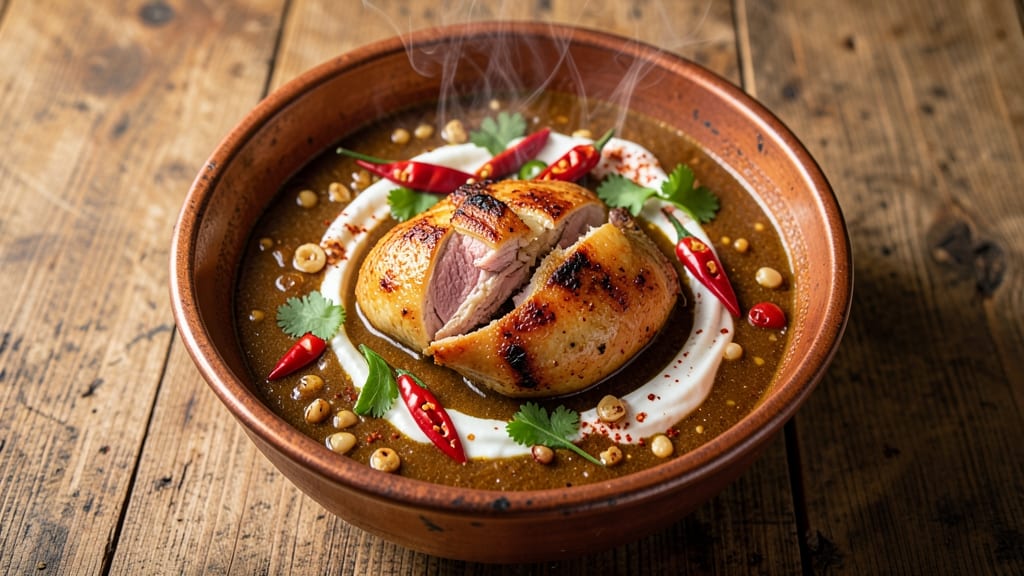
This authentic Kashmiri chicken curry transforms ordinary chicken into a fragrant, slow-simmered masterpiece with deep aromatic roots and a signature yogurt tang. The secret lies in traditional techniques like doodh pel (yogurt reduction) and the use of Kashmiri red chili powder, which delivers heat without overpowering the dish's delicate balance.
What sets this recipe apart is its patience—chicken simmers for hours until it's fork-tender, absorbing the complex flavors of whole spices and aromatic greens.
The foundation begins with blooming whole spices in ghee until they release their oils, creating a fragrant base that forms the heart of the curry.
Kashmiri red chili powder, with its distinct sweet-spicy profile, gives the dish its signature color and flavor, while yogurt adds a cooling tang that balances the richness. The slow cooking process ensures the chicken remains juicy while developing layers of flavor that only time can achieve.
By the time you serve this curry, you'll have a dish that's restaurant-quality with its vibrant red hue, tender chicken, and velvety sauce that clings to every bite. The aroma alone will transport you to the valleys of Kashmir, where this dish is a staple at family gatherings.
The sauce's natural tang makes it perfect for pairing with soft naan or steamed basmati rice, creating a complete meal that's both comforting and impressive.
This recipe delivers on authenticity without requiring specialized ingredients—just a few key spices and the patience to let flavors develop. The result is a curry that's as much about technique as it is about taste, with every step designed to honor the traditional methods that make Kashmiri cuisine so beloved.
Ingredients for authentic kashmiri chicken curry
These aromatic ingredients create a restaurant-quality Kashmiri chicken curry with deep spice and yogurt tang.
| Ingredient | Amount | Notes |
|---|---|---|
| Chicken Thighs (bone-in, skin-on) 🍗 | 1 ½ lb | With skin for crispiness |
| Whole Onions 🧅 | 1 whole | Yellow or red, sliced thin |
| Garlic Cloves 🧄 | 8 cloves | Peeled and crushed |
| Ghee 🧈 | ½ cup | Clarified butter, unsalted |
| Plain Yogurt 🥛 | 1 cup | Full-fat, unsweetened |
| Kashmiri Red Chili Powder 🌶️ | 2 tbsp | Sweet-spicy, vibrant color |
| Ground Cumin Seeds 🌿 | 1 tbsp | Toasted for aroma |
| Whole Cinnamon Sticks 🌳 | 2 pieces | 2-inch lengths |
| Green Cardamom Pods 🌿 | 6 whole | Lightly crushed |
| Black Cardamom Pods 🌿 | 2 whole | Optional, for depth |
| Cloves 🌿 | 4 whole | Whole, not ground |
| Fresh Fenugreek Leaves 🌿 | ½ cup | Kasuri methi, chopped |
| Fresh Ginger 🧅 | 1 inch | Peeled, roughly chopped |
| Fresh Coriander Leaves 🌿 | ¼ cup | Chopped, for garnish |
| Fresh Cream 🥛 | ¼ cup | Heavy, for finishing |
| Salt 🧂 | 1 ½ tsp | Adjust to taste |
| Water 💧 | 1 ½ cups | For yogurt reduction |
The spices are the soul of this curry. Kashmiri red chili powder is non-negotiable—its sweet-spicy profile gives the dish its signature hue and flavor. Look for it at Indian specialty stores or online; MDH or Everest brands are reliable. Whole spices like cinnamon and cardamom should be lightly toasted in ghee until fragrant to release their oils. Fresh fenugreek leaves (kasuri methi) add a distinct earthy note, but dried works in a pinch (reduce to half the amount). For the yogurt, full-fat Greek yogurt gives the best tang and creaminess—none of that low-fat stuff.
No Kashmiri red chili powder? Mix 1 tbsp paprika with 1 tsp cayenne for a close substitute, though the color won't be as vibrant. Running short on cardamom? Double the cinnamon and cloves for warmth. Fresh fenugreek leaves hard to find? Dried fenugreek seeds (soaked and ground) work, but the flavor won't be identical. The yogurt can be strained overnight for extra tang (dahi style). For a richer sauce, add 2 tbsp tomato paste with the onions—it deepens the color and balances the spices. The ghee is crucial; butter won't brown properly and will curdle the yogurt.
Store whole spices in airtight containers away from light for up to 6 months. Fresh fenugreek leaves keep for 3 days wrapped in damp paper towels. The curry reheats beautifully—simmer gently with a splash of water to restore creaminess. For leftovers, portion into containers with a layer of plastic wrap pressed on the surface to prevent skin formation. Freezes well for 3 months, though the texture may change slightly. The yogurt reduction (doodh pel) can be made ahead and stored separately for up to 5 days.
Why You'll Love This Recipe
- Fewer Ingredients, Bigger Impact: I swear by this recipe because it’s that good with just five core ingredients. No spice blends to guess at—just whole onions caramelized in ghee until they’re sweet and jammy, garlic that clings to the chicken like a warm hug, and yogurt that keeps it rich without the mess of heavy cream.
- Skin-On Magic: That crispy, golden skin on the bone-in thighs? It’s the secret weapon. You don’t even need to peel it—just let it render into the sauce while you simmer, turning the curry into something ridiculously flavorful with almost no extra effort. (Yes, even on a Tuesday night.)
- Leftovers That Lie: Between us, this curry tastes better the next day. The flavors meld into this deep, smoky-sweet harmony that makes you want to eat it straight from the pot. I make a double batch on Sundays so I can reheat it all week—no takeout needed.
- Weeknight to Guest Night: Same recipe, different vibes. Slap it over steamed rice for a lazy dinner, or serve it with naan and a side salad when friends drop by. The ghee gives it that luxurious feel without the fuss, and the yogurt keeps it light enough for summer. Honestly, it’s my go-to for any occasion.
Step-by-step instructions for authentic Kashmiri chicken curry
Master the layered flavors of this traditional dish through precise technique and patience.
Prepare the Chicken and Aromatic Base
Pat the 1.5 lb chicken thighs dry with paper towels to ensure crispy skin. In a heavy-bottomed pot, melt the 0.5 cup ghee over medium heat. Add the whole onions and sauté for 8-10 minutes until deep golden brown—this forms the flavor foundation. Remove the onions with a slotted spoon and set aside.
In the same pot, add the 8 cloves garlic, 1 inch ginger, 2 pieces cinnamon sticks, 6 green cardamom pods, 2 black cardamom pods, and 4 cloves. Sauté for 2 minutes until the raw aroma disappears and the spices begin to sizzle. This step unlocks the full depth of Kashmiri flavors—don't rush it.
Toast Spices and Build the Curry Base
Add the 1 tbsp ground cumin seeds to the pot and toast for 30 seconds until fragrant. Immediately stir in the 2 tbsp Kashmiri red chili powder and cook for 1 minute, stirring constantly to prevent burning. The powder should darken slightly and release its sweet-spicy aroma.
Lower the heat to medium-low and pour in the 1 cup plain yogurt. Stir continuously for 3-4 minutes until the mixture thickens into a smooth paste. This yogurt reduction is crucial—it balances the richness and adds tang. If it curdles, reduce heat slightly and keep stirring.
Simmer the Chicken with Spiced Yogurt
Return the browned onions to the pot along with the chicken thighs, skin-side up. Pour in 1.5 cups water and add the 1.5 tsp salt. Bring to a gentle simmer, then reduce heat to low. Cover and cook for 30 minutes, spooning the spiced yogurt mixture over the chicken occasionally to ensure even coating.
The chicken should cook slowly to stay tender. After 30 minutes, check the internal temperature—it should reach 165°F. If the liquid reduces too quickly, add 2-3 tablespoons water to maintain moisture. The skin should begin to crisp slightly while the meat remains juicy.
Finish with Fenugreek and Cream
Remove the chicken and set aside. In the same pot, add the 0.5 cup fresh fenugreek leaves and cook for 2 minutes until wilted. Return the chicken to the pot and stir in the 0.25 cup fresh cream. Simmer uncovered for 5 minutes to let the flavors meld and the sauce thicken slightly.
Garnish with 0.25 cup fresh coriander leaves just before serving. The curry should have a vibrant red hue from the Kashmiri chili, a velvety texture from the yogurt, and a balance of sweet, spicy, and aromatic notes. Serve with steamed basmati rice or naan for an authentic experience.
Pro Tips For Making Authentic Kashmiri Chicken Curry
- Brown the Skin Properly: Don’t rush the chicken—let that skin blister and crisp on medium-high heat for 8-10 minutes per side. I used to flip too soon, and the curry lost its rich, caramelized depth. The golden crust is where half the flavor hides, so resist the urge to poke or move it around.
- Use Whole Onions for Depth: Peel those onions but leave them whole—char one side in the ghee until blackened, then slice. This smoky, concentrated base is the soul of Kashmiri curry. Skimping here means a milder, less authentic taste, no matter how many spices you throw in.
- Temper the Yogurt: Warm the yogurt gently (just enough to make it lukewarm) before adding it to the pan. Cold yogurt shocks the spices and can make the curry seize up. I learned this after a batch turned grainy—now I always whisk it in slowly.
- Simmer Low and Slow: Once the chicken is cooked, reduce to the lowest possible heat and let it braise for 45 minutes. The curry needs time to meld, not to boil. I used to walk away too soon, and the sauce would either dry out or taste raw. Patience here makes all the difference.
Serving suggestions for leftovers
Traditional Pairings
Serve your Kashmiri chicken curry with steamed basmati rice—its delicate grains soak up the rich sauce beautifully. I always cook 1.5 cups basmati rice per serving, rinsing it thoroughly to remove excess starch.
For extra authenticity, use jasmine rice from Indian specialty stores like Patel Brothers. The aromatic steam complements the curry's earthy spices perfectly. 🌾
Naan Bread
Warm, pillowy naan is essential for scooping up every last bit of sauce. I recommend making it fresh with King Arthur flour and a touch of yogurt for tenderness. Brush the naan with garlic-infused ghee before serving—this adds another layer of flavor that pairs wonderfully with the curry.
Store-bought naan works in a pinch, but homemade always tastes better.
Raita Accompaniment
A cooling cucumber raita balances the richness of the curry. Mix 1 cup plain yogurt with ½ cup grated cucumber, 1 tbsp fresh mint, and a pinch of salt.
The yogurt's tang cuts through the heat while the cucumber adds refreshing crunch. Serve it chilled in small bowls alongside the curry for a perfect contrast. 🥒
Salad Contrast
Add a light onion-tomato salad to brighten the plate. Thinly slice 1 red onion and 2 tomatoes, toss with 1 tbsp lemon juice, 1 tbsp olive oil, and a pinch of salt.
The acidity cleanses the palate between bites of rich curry. This simple side adds freshness without overpowering the main dish.
Garnish Finishing Touches
Just before serving, garnish the curry with fresh coriander leaves and a drizzle of fresh cream. The vibrant green leaves add color and a bright herbal note, while the cream enhances the dish's luxurious texture.
For extra flair, sprinkle with toasted cumin seeds**—their nutty aroma ties all the flavors together. These finishing touches elevate the presentation to restaurant-quality. ✨
Nutrition facts
Frequently asked questions
Why does Kashmiri chicken curry have such a vibrant red color?
The signature hue comes from Kashmiri red chili powder, which contains natural pigments that create that beautiful deep red. Unlike regular cayenne, it has a sweet-spicy profile with less heat but more vibrant color. The powder is toasted in ghee to deepen its flavor and intensify the color before being mixed with the yogurt. This traditional technique ensures both visual appeal and authentic taste.
Can I use chicken breast instead of thighs for this recipe?
While you can use chicken breast, thighs are preferred for their richer flavor and juicier texture when slow-cooked. If using breast, cut them into smaller pieces and add 5 extra minutes to the cooking time to prevent drying out. Also, reduce the water by ¼ cup since breast meat releases less moisture. The skin-on thighs create the perfect crispy exterior while keeping the meat tender.
What's the secret to getting that perfect yogurt tang without curdling?
The key is using full-fat plain yogurt and cooking it slowly over medium-low heat while stirring constantly. Never let it boil, as this causes curdling. If it starts to separate, immediately reduce heat to low and keep stirring. The yogurt should thicken into a smooth paste before adding the chicken. This doodh pel technique is essential for that signature Kashmiri tang.
How do I make this curry less spicy if needed?
Start by reducing the Kashmiri red chili powder to 1 tbsp instead of 2. For extra cooling power, add ½ cup plain yogurt at the end of cooking and let it sit for 5 minutes before serving. Fresh cilantro also helps balance heat. If you've already made it too spicy, serve with extra raita or a side of cucumber salad to cool the palate. The dish should have warmth, not overwhelming heat.
Can I prepare this curry ahead of time for a party?
This curry actually tastes better the next day! Make it 24 hours ahead and store in an airtight container in the fridge. Reheat gently on low heat with a splash of water to restore creaminess. The flavors meld beautifully overnight. For parties, keep the chicken and sauce separate until reheating to prevent drying out. Garnish with fresh cilantro just before serving to maintain vibrant colors.